

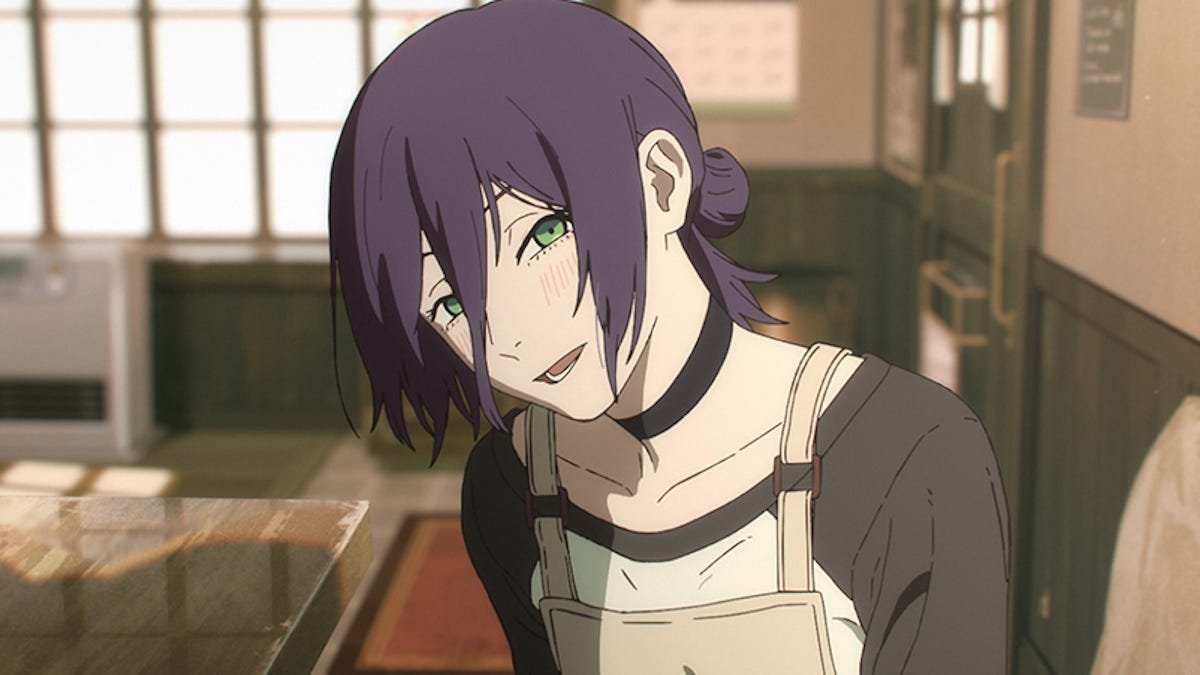
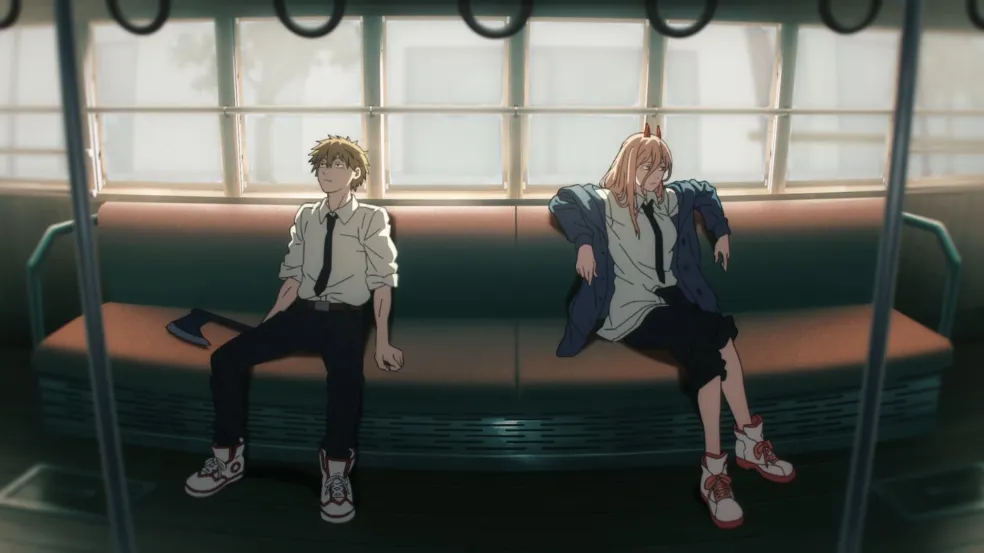

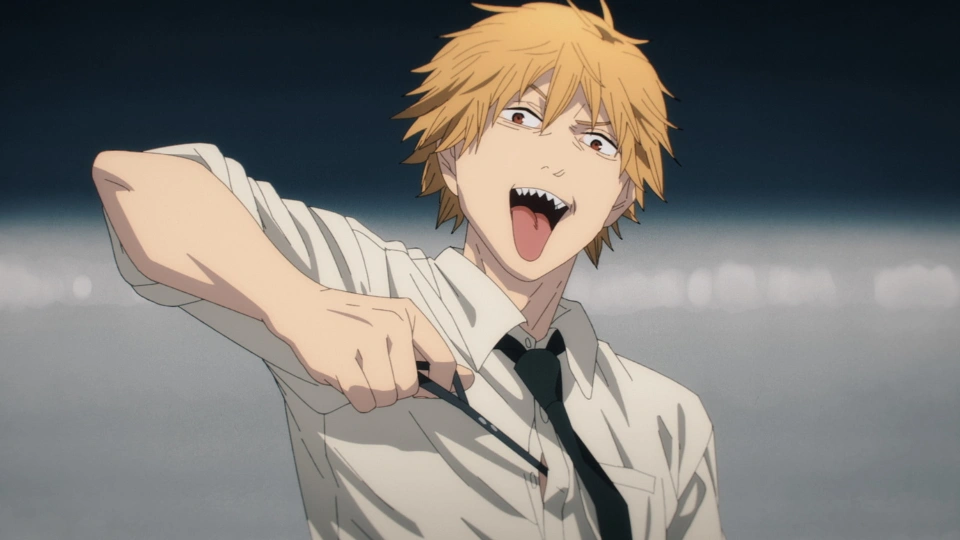

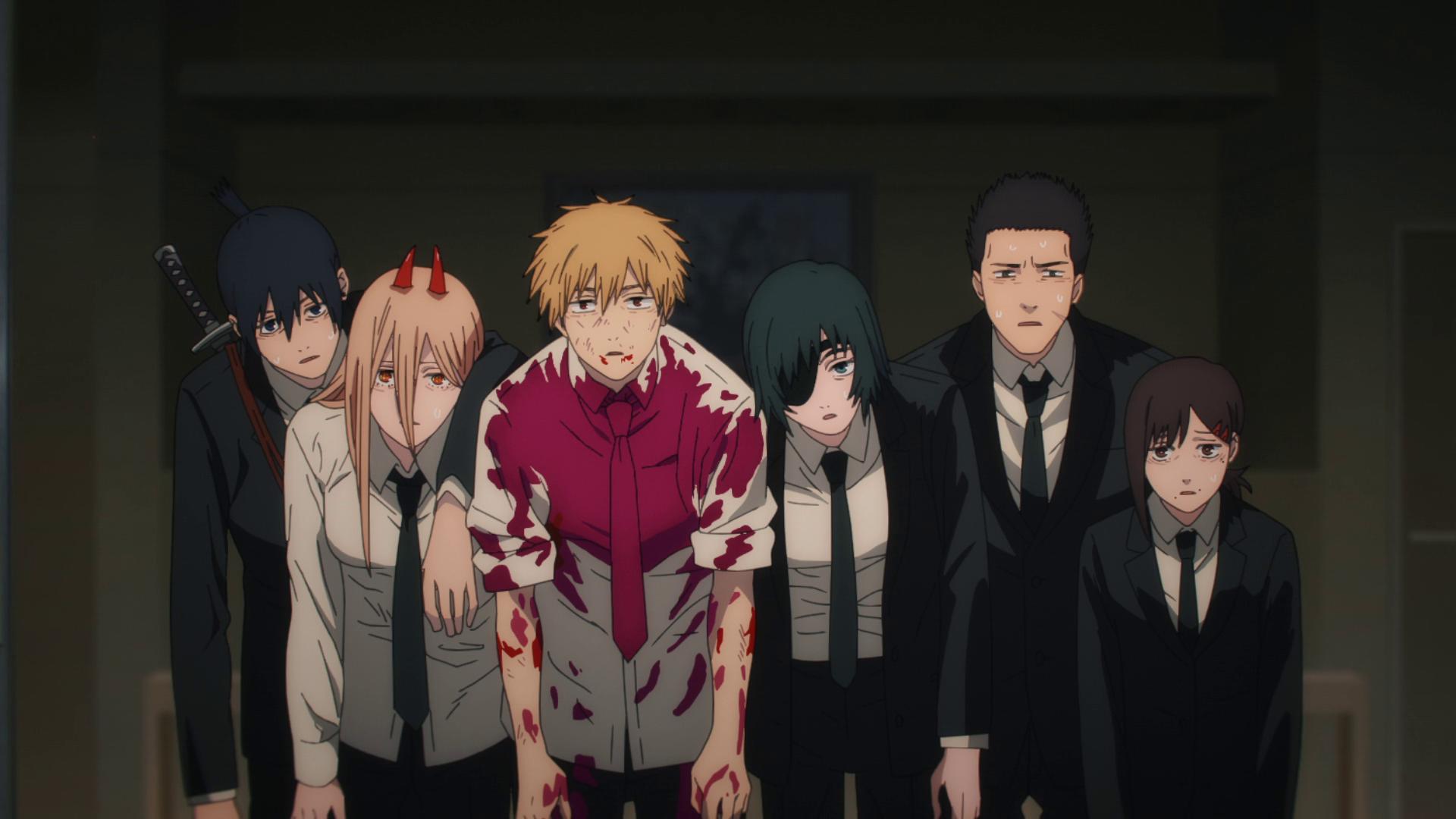























Most people pick their friends based on shared interests or good vibes. In Public Safety, you pick them based on who’s still standing next to you after the devil shows up. It’s a lower bar in some ways. In others, it’s the highest bar imaginable.
The people in this cast don’t do friendship the way anyone expects. Power announces it loudly and then denies it. Kishibe expresses it by trying to kill you slightly less than usual. Denji just wants someone to eat with. Kobeni survives everything and never quite figures out if that counts. Find out which one of them you’d actually end up with.
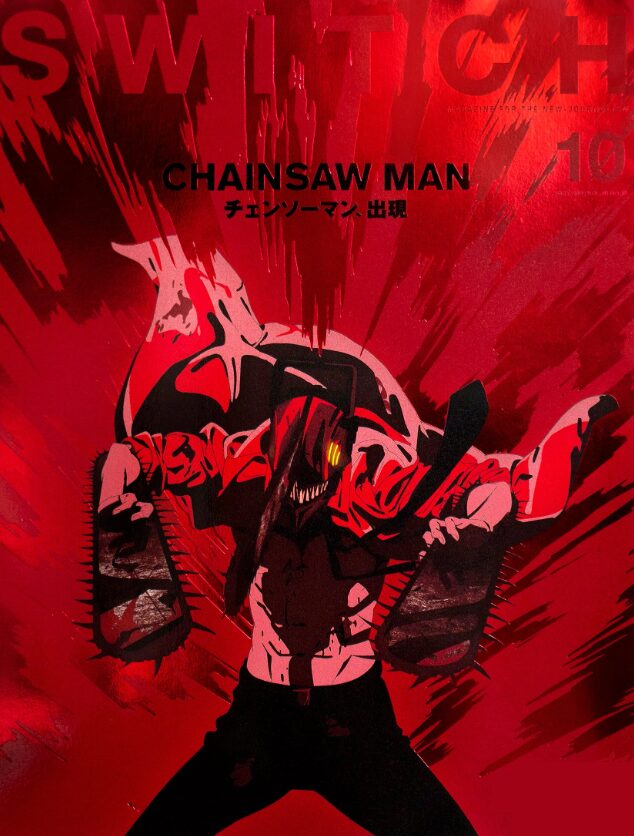
Before you figure out your Public Safety best friend, let this lo-fi cover carry you somewhere marginally less dangerous for a few minutes.
Twenty-three questions to find out which one fits you.
- Pick the perfect atmosphere for your quiz journey – just pick one of the buttons above and set the mood.
- Relax – our quizzes aren’t MIT entrance exams 😉 They’re here to entertain you and deepen your connection with anime characters (and yourself).
- If none of the answers fit 100%, just choose the closest one – it’s enough for an accurate result.
- Enjoy the process — there are no right or wrong answers here.
- Try taking the same quiz more than once — sometimes the second result is the most surprising.
- Don’t forget to share your result with friends and invite them to find their anime self too!
Nobody In This Building Asked For Friends — Why Chainsaw Man’s Friendships Hit Differently Than They Should
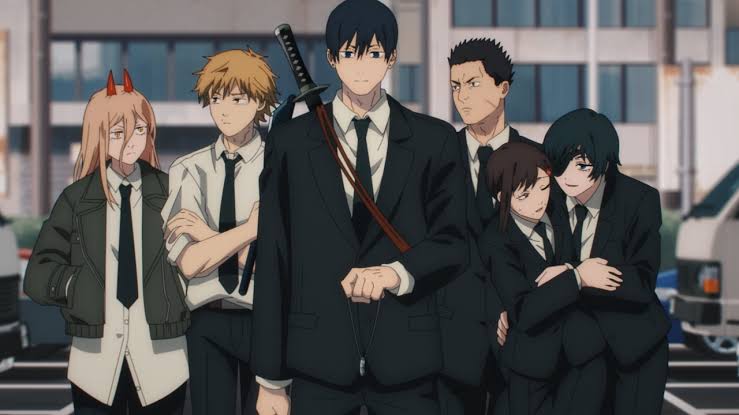
Chainsaw Man doesn’t write friendship the way most series do. There are no bonding montages, no heartfelt declarations early in the story, no moment where characters explicitly decide to trust each other and the music swells. What it has instead is messier and more accurate: people who end up caring about each other because proximity and shared near-death experiences don’t leave you many other options.
Global Ratings:
The series is fundamentally about what happens to connection in a world where connection is a liability. Every relationship in Public Safety exists under the understanding that the other person might die, might be a devil in disguise, might be manipulated into killing you by someone further up the chain. Kishibe states this explicitly: never trust anyone. He says it to Denji and Power as the foundational rule of their training, and the story then spends considerable time showing why he’s right — and why people keep forming attachments anyway, despite being right.
Users Ratings:
This is why a “best friend” quiz set in the Chainsaw Man universe produces such different results than the same quiz set anywhere else. The question isn’t who you’d enjoy spending time with. It’s whose specific, idiosyncratic, slightly broken version of caring about another person actually maps onto what you need from a friendship. The answers are more revealing than they sound.
Your Public Safety Best Friend Has Already Decided You’re Worth It
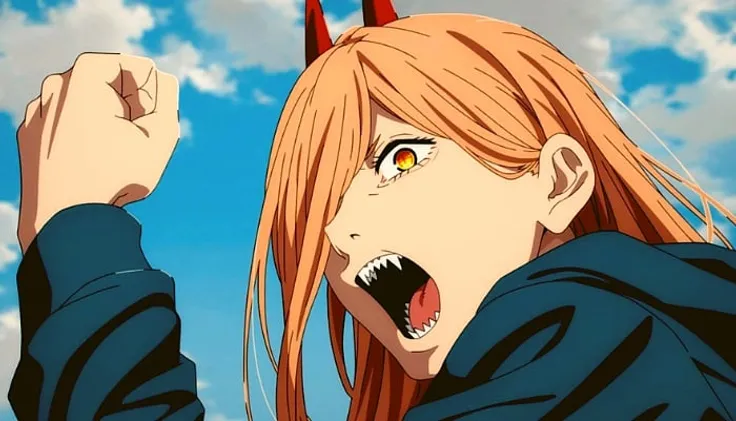
POWER
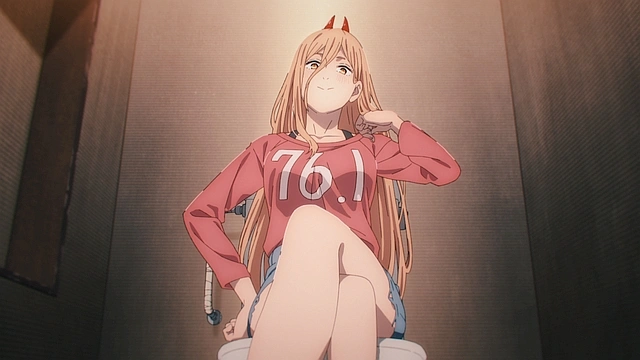
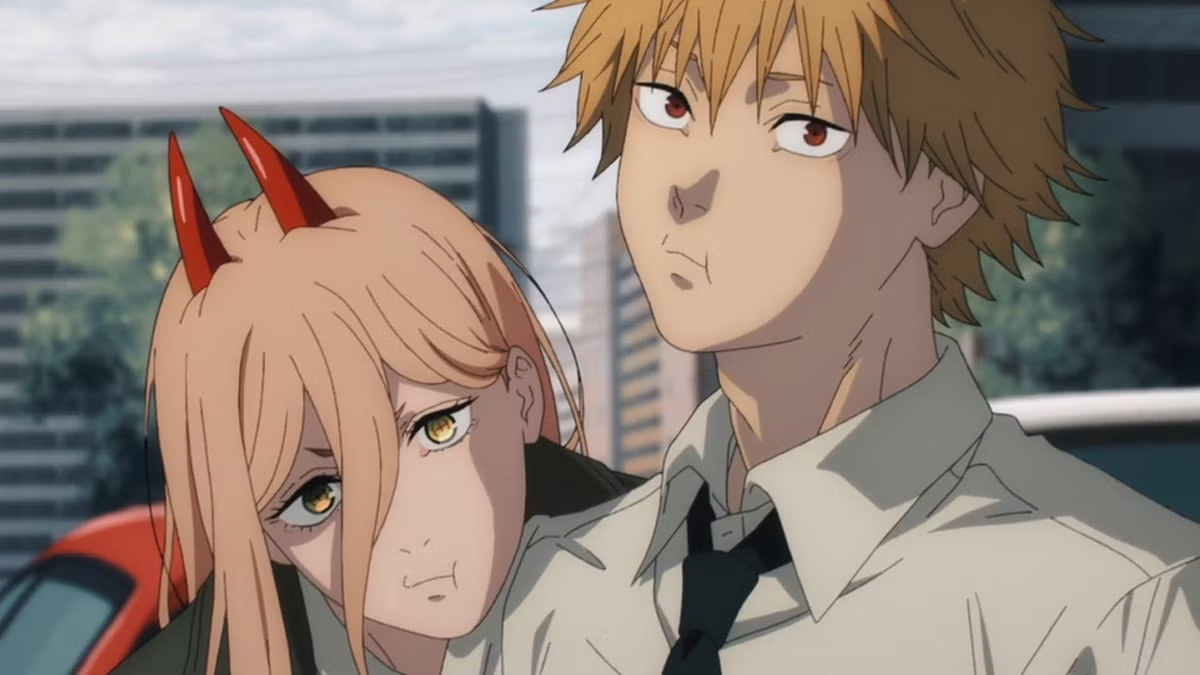
Power’s friendship comes loud and unexpected and with absolutely no acknowledgment that it’s happening. She’ll eat your food, take credit for things you did, announce your private business to everyone in the room, and then — without warning, without explanation — do something that proves she’d die before she let anything happen to you.
The friendship isn’t behind the chaos. It is the chaos, and the loyalty is somewhere inside it, and you figure that out somewhere around the third time she’s done something completely indefensible that also somehow saved you.
Strengths:
👍 Fiercely protective
👍 Completely present
👍 Surprises you constantly
Weaknesses:
👎 Compulsively dishonest
👎 Zero personal boundaries
👎 Claims all the credit
Archetype: Tsundere — the friendship version. Loud about everything except the part where she actually cares about you, which she’d deny until the moment she proved it irreversibly.
MBTI: ESFP — The ESFP who’d tell everyone your secrets and then fight anyone who used them against you.
If your best friend is Power: You need someone who fills the room, because you’ve spent enough time in rooms that were too quiet. You don’t require your friends to be consistent or well-behaved — you require them to be real, and Power is nothing if not exactly what she is at all times.
The chaos is a feature, not a bug, because underneath it the loyalty is total and you know exactly where you stand. The risk is that her version of friendship asks a lot of you without always noticing the cost. The thing worth knowing is that she’d notice the moment it actually mattered.
“I am a genius. Obviously.”
KISHIBE

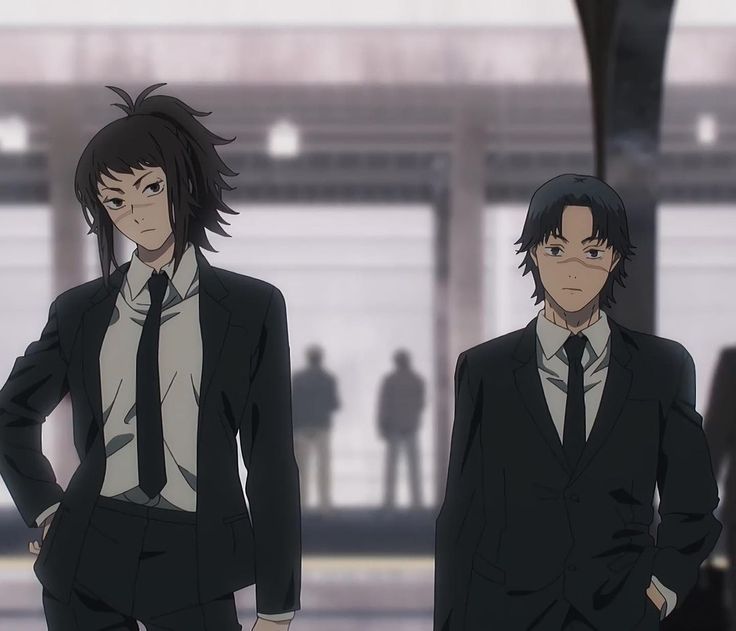
Kishibe’s version of friendship is: I will tell you the truth, make you better at staying alive, and not pretend either of those things is comfortable.
He doesn’t do warmth in the conventional sense — he does something more useful, which is honesty delivered without softening it, and protection expressed through making people harder to kill rather than making them feel safe. He calls it training. People who’ve been through it call it something else, but they’re alive to call it anything, which is the point.
Strengths:
👍 Brutally, usefully honest
👍 Makes you actually stronger
👍 Never manipulates you
Weaknesses:
👎 No conventional warmth
👎 Methods are genuinely brutal
👎 Hard to read as caring
Archetype: Kuudere — the friendship version. Cares deeply, expresses it exclusively through actions that look nothing like caring, and would rather stab you in training than let something worse do it later.
MBTI: INTJ — The INTJ who tells you the hardest true thing first, every time, because lying to you would be the actual betrayal.
If your best friend is Kishibe: You’ve been lied to enough that honesty, even brutal honesty, feels like a form of respect. You don’t need someone to make things feel okay.
You need someone who will tell you exactly how bad the situation is and what to do about it, and Kishibe is the only person in the building who consistently does that. The friendship looks cold from the outside. From the inside it feels like the most reliable thing in a world where reliable things are rare. The cost is that he’ll never let you be comfortable when uncomfortable is more useful. That’s a fair trade if you’re wired for it.
“I’ll turn you into the baddest of the badasses.”
KOBENI
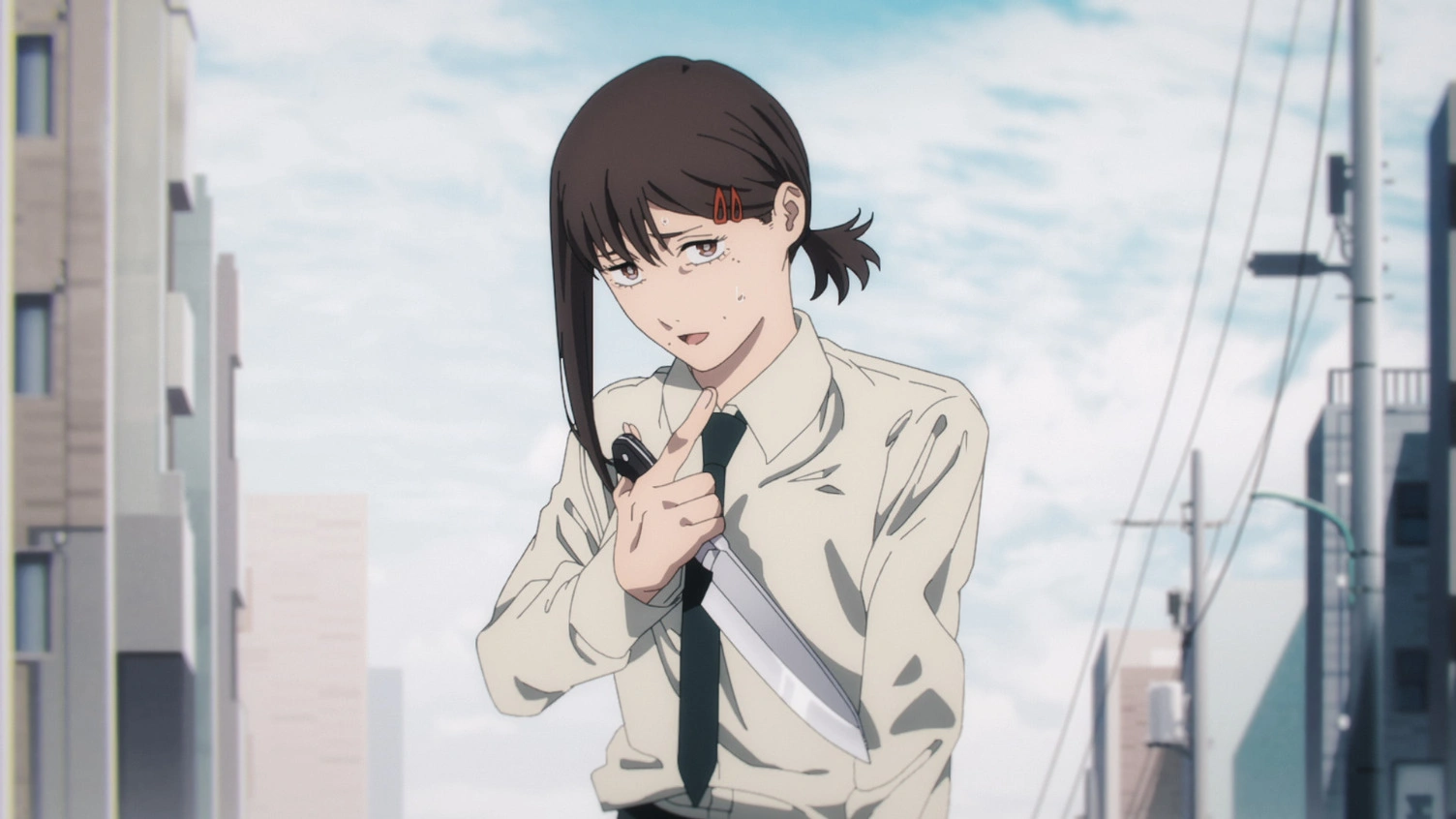
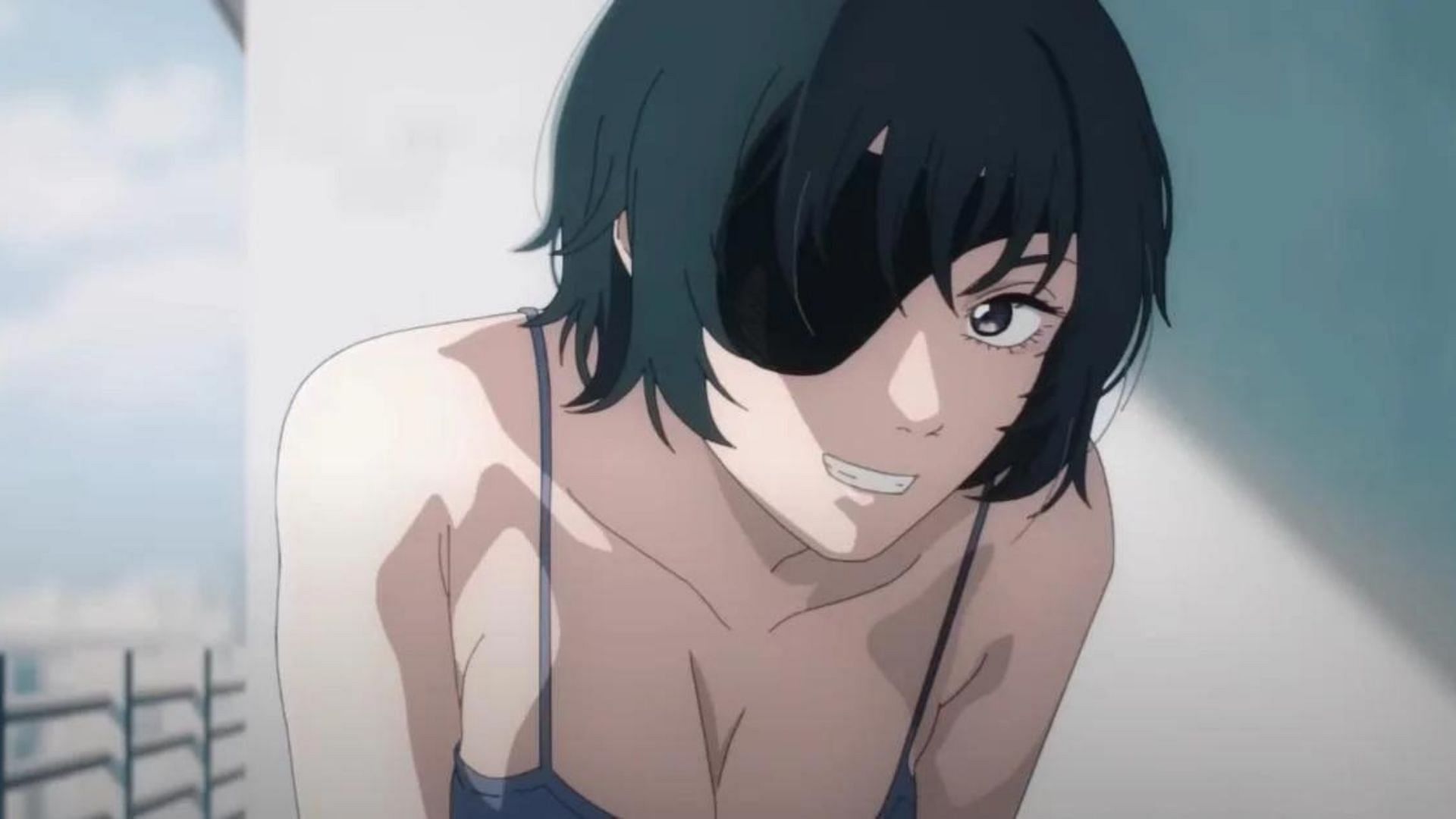
Kobeni is not a natural best friend candidate. She’s anxious, she’s working a job she hates for reasons she won’t fully explain, and her instinct under pressure is to panic first and figure out what she did to save everyone afterward.
What makes her work as a friend is precisely that survival instinct — she’s more capable than she knows, she keeps showing up even while terrified, and her honesty about being scared all the time is oddly reassuring in a world where everyone else is pretending they’re not.
Strengths:
👍 Survives everything
👍 Genuinely honest
👍 More capable than she seems
Weaknesses:
👎 Panics visibly, loudly
👎 Hard to read as reliable
👎 Self-preservation first
Archetype: Dandere — anxious, quiet, easy to underestimate, with a hidden competence that surfaces at exactly the moments nobody expected her to have it.
MBTI: ISFP — The ISFP who’s terrified the whole time and somehow the last one standing every single time.
If your best friend is Kobeni: You don’t need your friends to have it together. You need them to be honest about not having it together, and keep showing up anyway — which is the exact thing Kobeni does, every time, however reluctantly.
There’s a specific comfort in being around someone who’s visibly struggling but not performing okayness for your benefit. She won’t pretend things are fine. She also won’t leave. The friendship is low-key and not particularly dramatic on its best days, and on its worst days she’s still going to be standing there in the rubble, somehow, looking confused about it.
“I’m sorry. I’m sorry. I’m sorry.”
DENJI

Denji wants a friend the way he wants food and sleep — not as a luxury but as a basic thing he never had enough of and can’t quite believe he’s allowed to have now. His version of friendship is entirely unpretentious: show up, eat together, exist in the same space without trying to kill each other.
He’s not complicated about it. He won’t analyze the dynamic or process his feelings about it out loud. He’ll just be there, present and genuine, wanting the simple version of connection that most people stop valuing once they have enough of it to take for granted.
Strengths:
👍 Genuinely, simply present
👍 No hidden agenda ever
👍 Makes ordinary things feel good
Weaknesses:
👎 Plans nothing beyond today
👎 Easily misled by affection
👎 Can’t read complex situations
Archetype: Dorama-kei — not dramatic on purpose, just genuinely, simply himself at all times, which turns out to be enough for the people who actually need that.
MBTI: ESTP — The ESTP who makes you feel like the ordinary moments actually count for something.
If your best friend is Denji: You’ve spent enough time around people with complicated motives that someone with no hidden agenda is genuinely refreshing. Denji doesn’t want anything from you except to share the meal and the moment, and he means that in a way that most people don’t.
The friendship is uncomplicated by design, not by accident. He’s not simple — he’s just honest in a way that reads as simple because most people aren’t. The risk is that he can’t always tell when you need more than presence. The thing he’s always offering, though — just being there, without performance, without agenda — turns out to be exactly what most people actually want and rarely find.
“Every single time I meet a girl, she ends up trying to murder me!!”
HikiChat:

Your Public Safety Best Friend Didn’t Choose You On Purpose. That’s How You Know It’s Real.
None of the friendships in this world were planned. They happened between missions, between meals, in the spaces where surviving together starts to mean something. One kind of friendship is loud and chaotic and real. Another is terrified and resilient and somehow still standing.
There is a friendship that is brutal and honest and the most reliable thing in a place full of unreliable things. And then there is the one that is simple and genuine and exactly what it looks like.
FAQ:
Because it wasn't built on anything transactional — it started as exactly that, and then the transaction quietly became irrelevant. By the time Power stops to acknowledge what Denji means to her, she's already been proving it for chapters without noticing. Fujimoto's timing on that reveal is what makes it devastating rather than sentimental.
Both, and they're connected. Kobeni's survival instinct means she's almost always still there when other people aren't, which turns out to be a significant component of friendship — just being present consistently when everyone else has stopped making it. She doesn't perform reliability. She just keeps not dying, which ends up being the same thing in a story that takes attrition this seriously.
Because both things are true simultaneously, and Fujimoto doesn't resolve the tension between them. Kishibe trusts that caring about people makes you vulnerable to being used through them — which is provably correct in this universe. He also keeps caring anyway. "Never trust anyone" is the rule that kept him alive. It didn't stop him from feeling the losses. It just made sure he was still functional when they happened.
Something very close to nothing — in the best way. He wants to eat with someone, exist near someone, have someone in the room. He grew up alone and hungry and the baseline he's working from is so low that ordinary companionship registers as genuinely precious to him. That's not a flaw in how he does friendship. It's the thing that makes him unexpectedly good at it.
Because the friendships in Chainsaw Man are doing more emotional work than the romantic threads are. The relationship between Denji and Power, between Aki and his two chaotic housemates, between Kishibe and the people he trains — these are where the series is actually exploring what it means to attach to someone in a world that punishes attachment. That material was more interesting to build a quiz around.