







The air in the GeoFront is heavy with the smell of LCL and the hum of supercomputers. In a world teetering on the edge of the Third Impact, your identity is the only thing the Angels cannot touch.
This is a place of psychological breakdown, where giant bio-machines reflect the scars of their pilots. Amidst the silence of Terminal Dogma, you find yourself caught in your own Hedgehog’s Dilemma — and perhaps the strength to simply exist. Welcome to the world of Neon Genesis Evangelion.
Sync your AT-field. Press play and let the lo-fi do the rest…
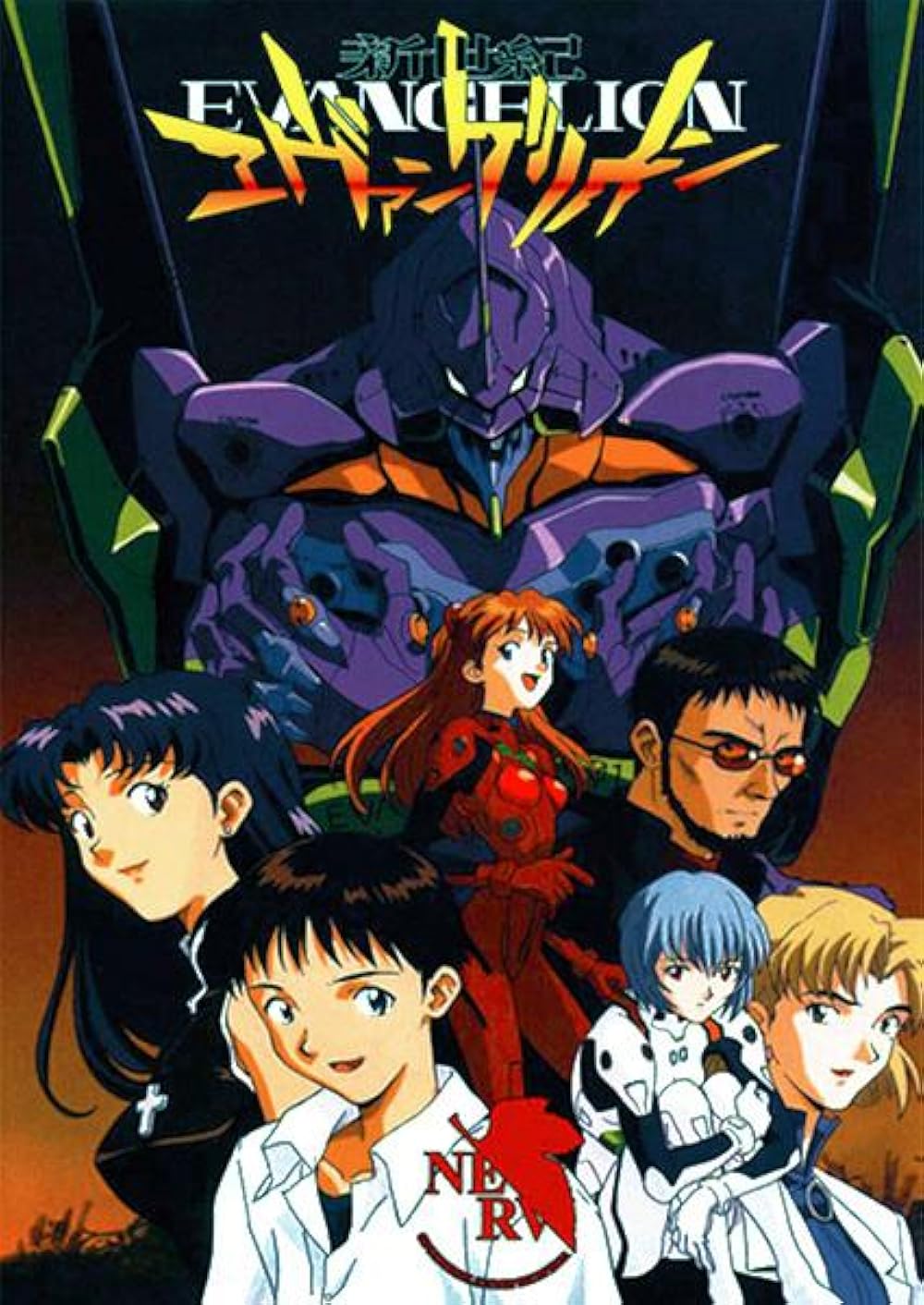
Evangelion: Breaking the Mold
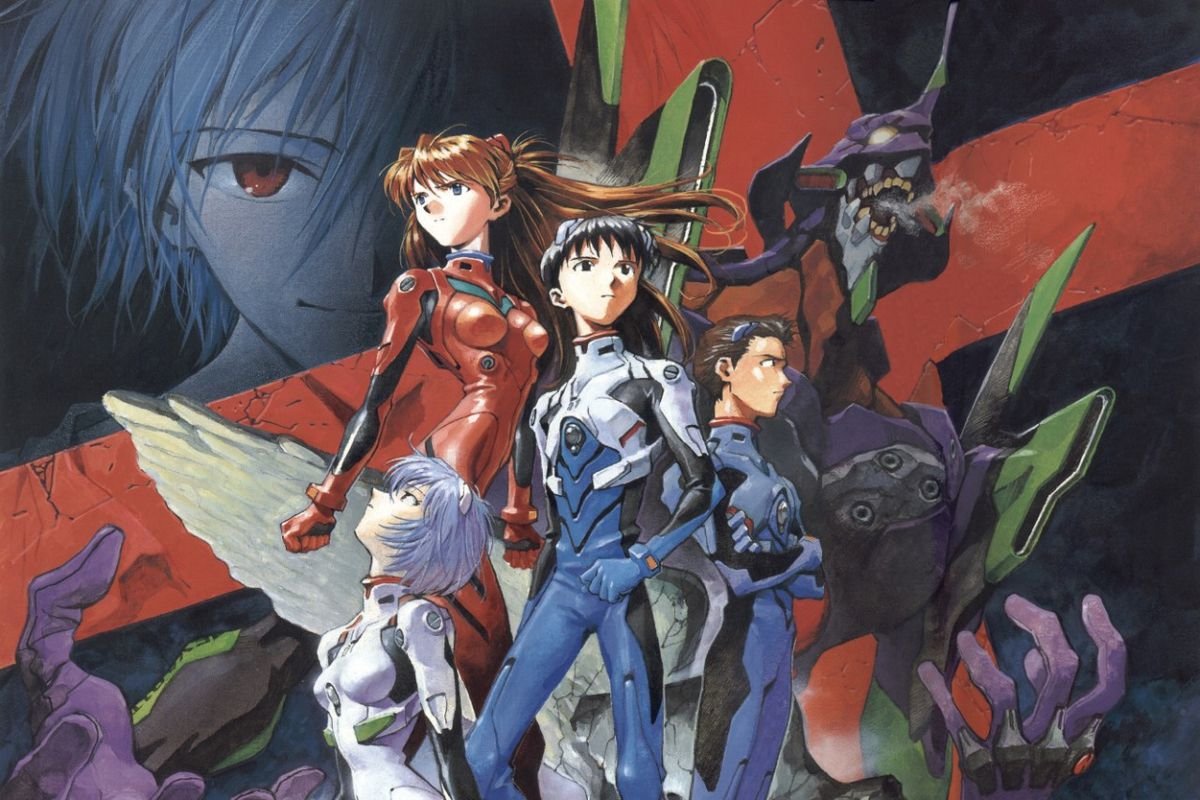
While the 90s were flooded with heroic pilots and shining robots, Evangelion chose to deconstruct the foundations of the “Mecha” genre. It isn’t just a show about giant machines fighting monsters; it’s a brutal examination of human fragility.
The Evas aren’t just robots—they are biological nightmares bound by armor, reflecting the internal agony of their teenage pilots. By shifting the focus from external combat to internal mental breakdown, Anno shattered the stereotype of the “chosen hero.”
Global Ratings:
Impressions: The Hedgehog’s Dilemma
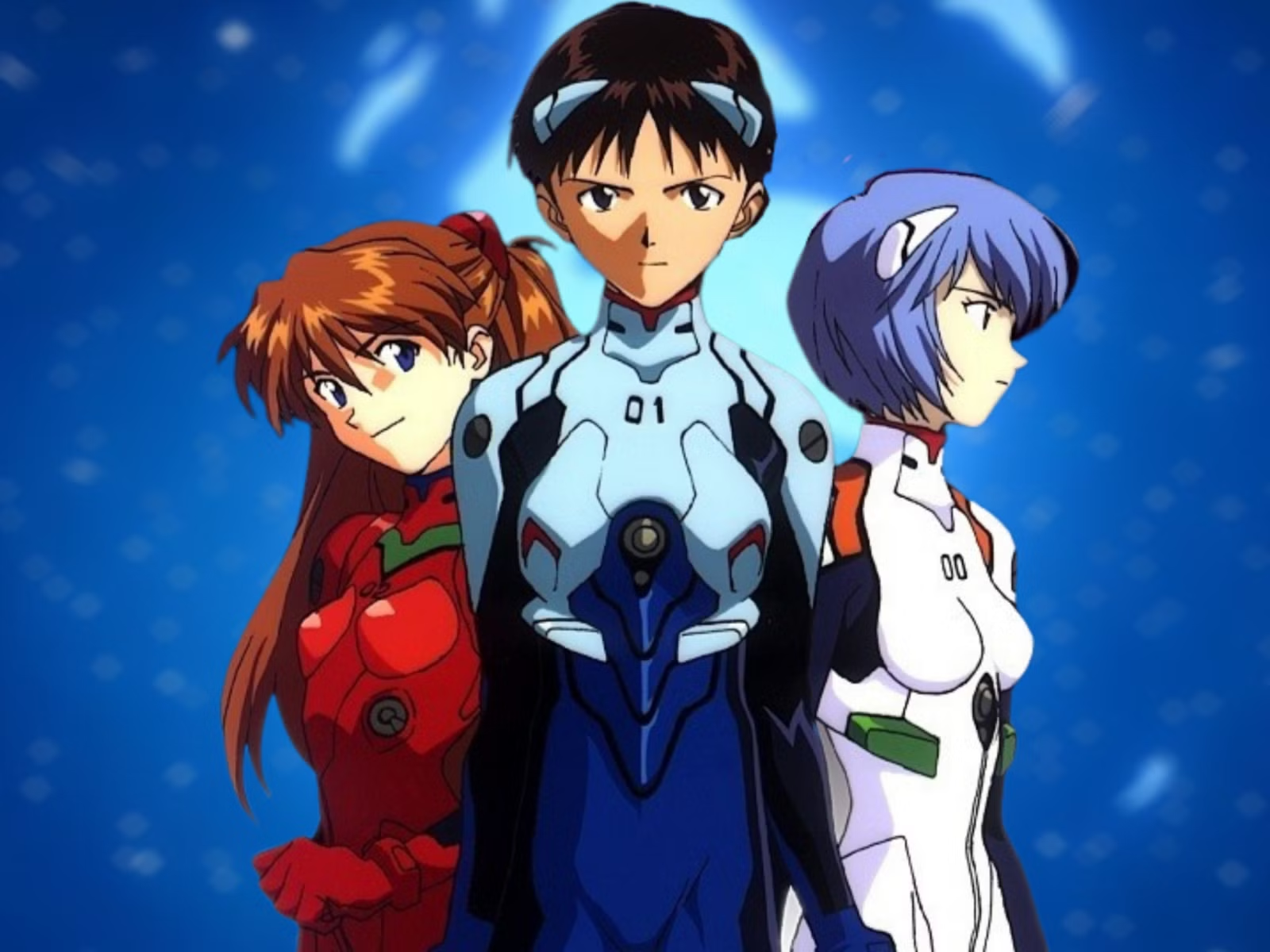
The emotional depth of NGE lies in its characters’ inability to connect without hurting one another. The chemistry between the cast is fueled by trauma: Shinji’s desperate need for approval, Asuka’s fragile pride, and Rei’s haunting emptiness.
It’s a painful but mesmerizing dance of broken souls trying to find a reason to pilot—and a reason to live—while the fate of humanity hangs by a thread.
Visuals & Verdict: A Surreal Masterpiece
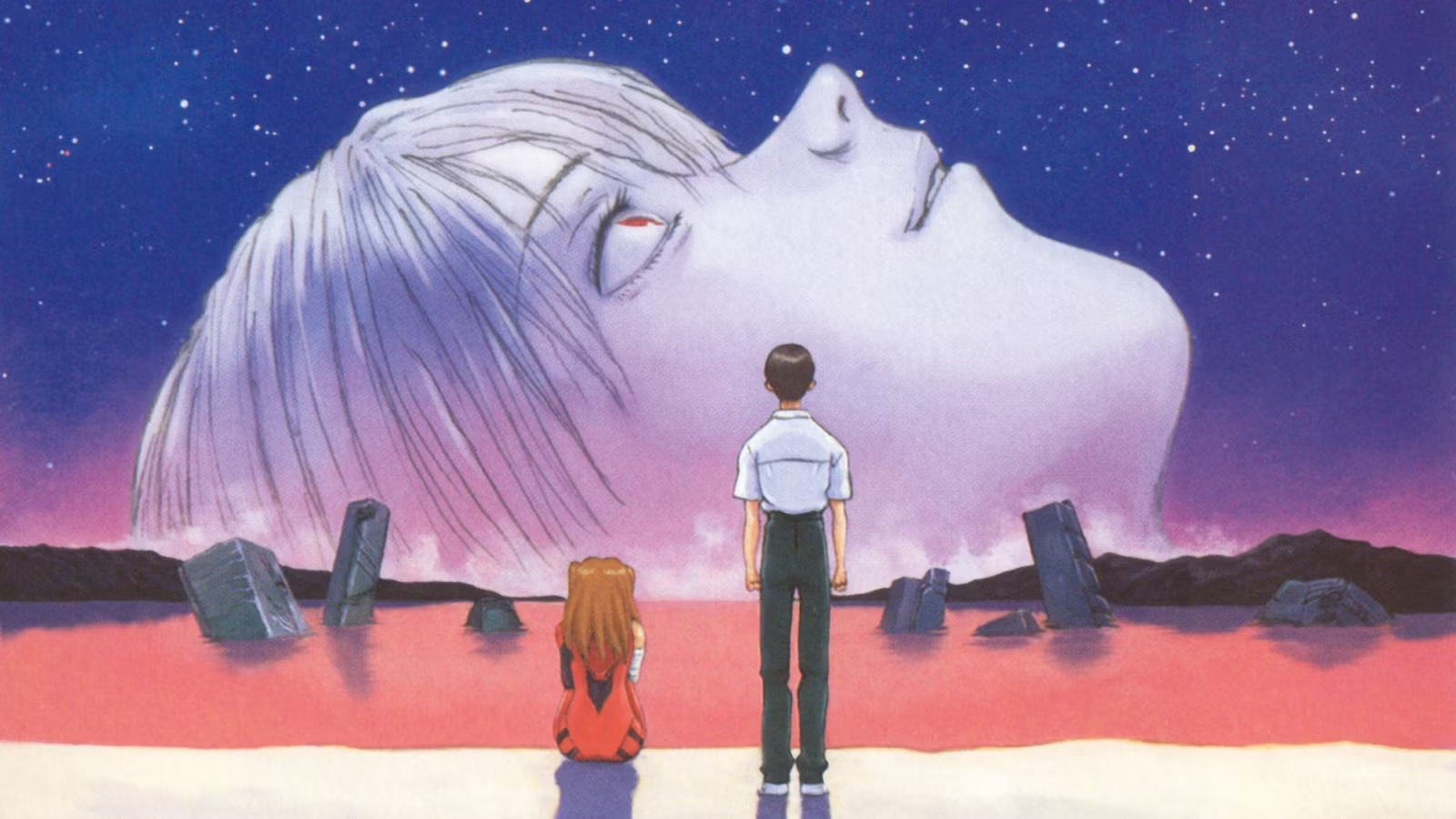
Visually, the series is a masterclass in atmospheric storytelling, using stark contrasts, religious iconography, and surrealist sequences that linger in the mind long after the credits roll. The animation transitions from high-octane battles to claustrophobic psychological stillness with unsettling ease.
User Ratings:
This is essential viewing for anyone who seeks more than entertainment — for the thinkers, the outcasts, and anyone who has ever felt too much and understood too little. A true otaku cornerstone that remains as relevant today as it was in 1995.
Potential Matches: Meet the Cast
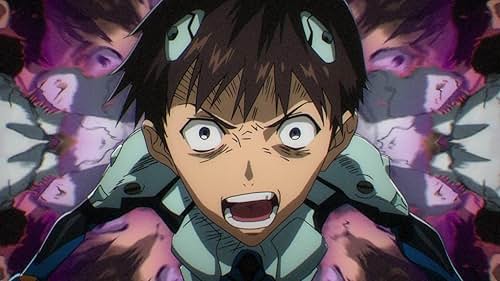
Shinji Ikari
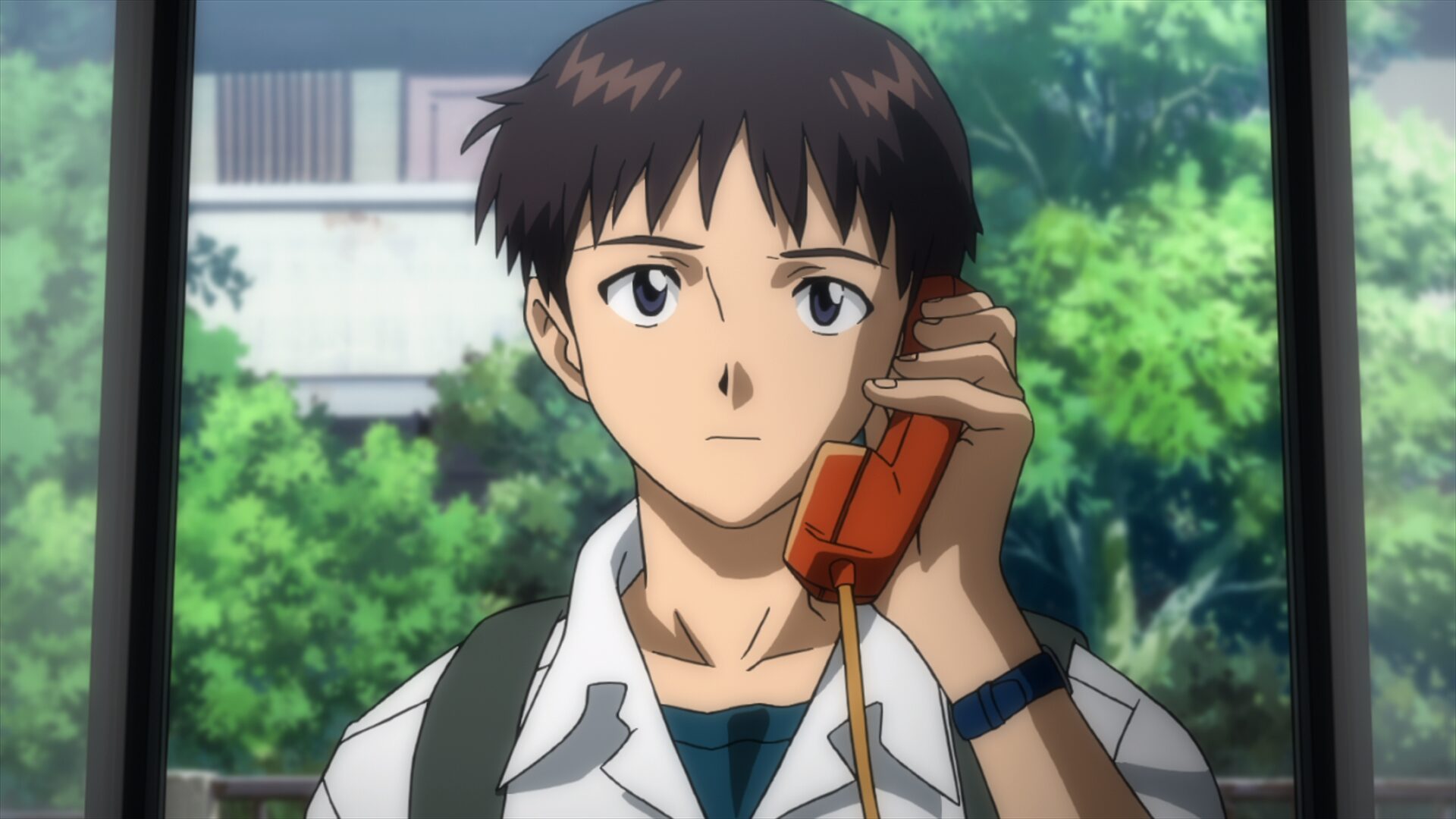
Shinji is defined by the “Hedgehog’s Dilemma.” Abandoned by his father and haunted by his mother’s death, he pilots Unit-01 not out of heroism, but out of a desperate need for a “thank you.”
His inner conflict is the fear that reaching out to others leads to pain, yet he cannot bear the emptiness of isolation.
Strengths:
👍 High synchronization potential
👍 Deep emotional empathy
👍 Incredible trauma resilience
Weaknesses:
👎 Chronic lack of self-worth
👎 Extreme passivity in crisis
👎 Pathological fear of rejection
Archetype: Dandere. His silence is a defensive wall; he believes that by remaining invisible and passive, he can prevent himself and others from being hurt.
MBTI: ISFP (The Adventurer). A deeply sensitive, inward-looking type who lives in the moment and experiences emotions with rare intensity. In the NERV hierarchy, this type often feels overwhelmed by external expectations and will bend over backwards to avoid conflict.
“I thought this was supposed to be a world without pain.”
If you got Shinji: You are a person of immense internal depth who often feels like an outsider in your own life. You measure your value by the approval of others, often forgetting that you have every right to exist just as you are. Your challenge is to realize that vulnerability is a bridge to others, not just a trap for pain.
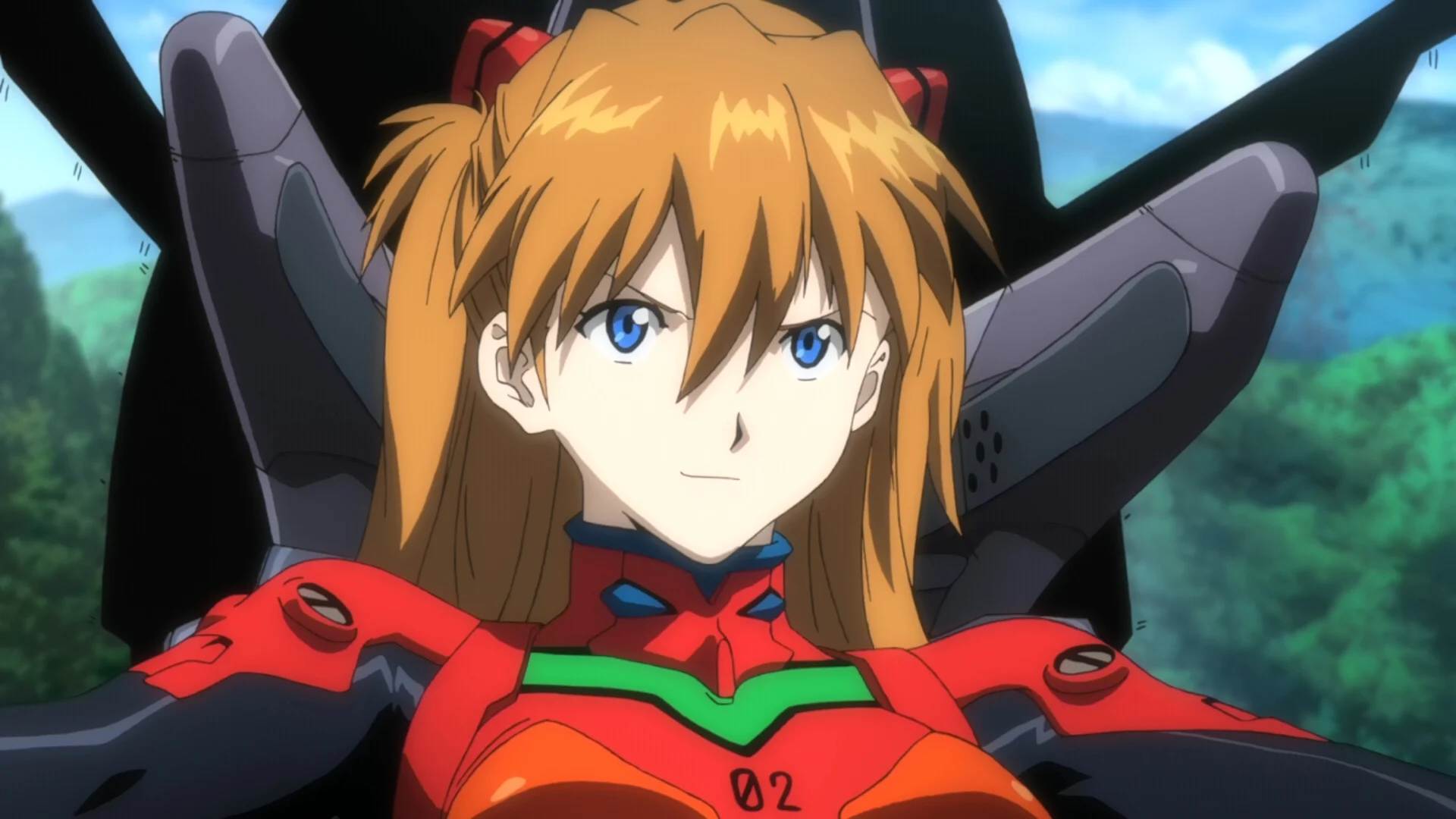
Asuka Langley Soryu

A child prodigy who uses a razor-sharp ego to mask a terrifying void of loneliness. Forced to be independent after a maternal tragedy, her inner conflict is the fear that if she isn’t “the best,” she is disposable.
Her aggressive exterior is a desperate, loud plea to be noticed and loved for who she is.
Strengths:
👍 Superior combat intelligence
👍 Fierce tactical independence
👍 Unbreakable competitive drive
Weaknesses:
👎 Crippling need for dominance
👎 Fear of showing vulnerability
👎 Pathological perfectionism
Archetype: Tsundere. Her aggression is her only way of communicating a need for closeness without appearing weak or losing her fragile sense of control.
MBTI: ENTJ (The Commander). A bold, strong-willed leader who doesn’t wait for opportunities — she creates them. In Asuka’s case, this translates to a relentless drive for achievement as a shield against the fear of being “average” and abandoned.
“I don’t need anyone else! I can do everything by myself!”
If you got Asuka: You are a powerhouse of energy and ambition, but your greatest opponent is the voice in your own head. You set impossible standards, fearing that any sign of weakness will lead to abandonment. You need to learn that you are worthy of love even when you aren’t the best in the room.
Rei Ayanami
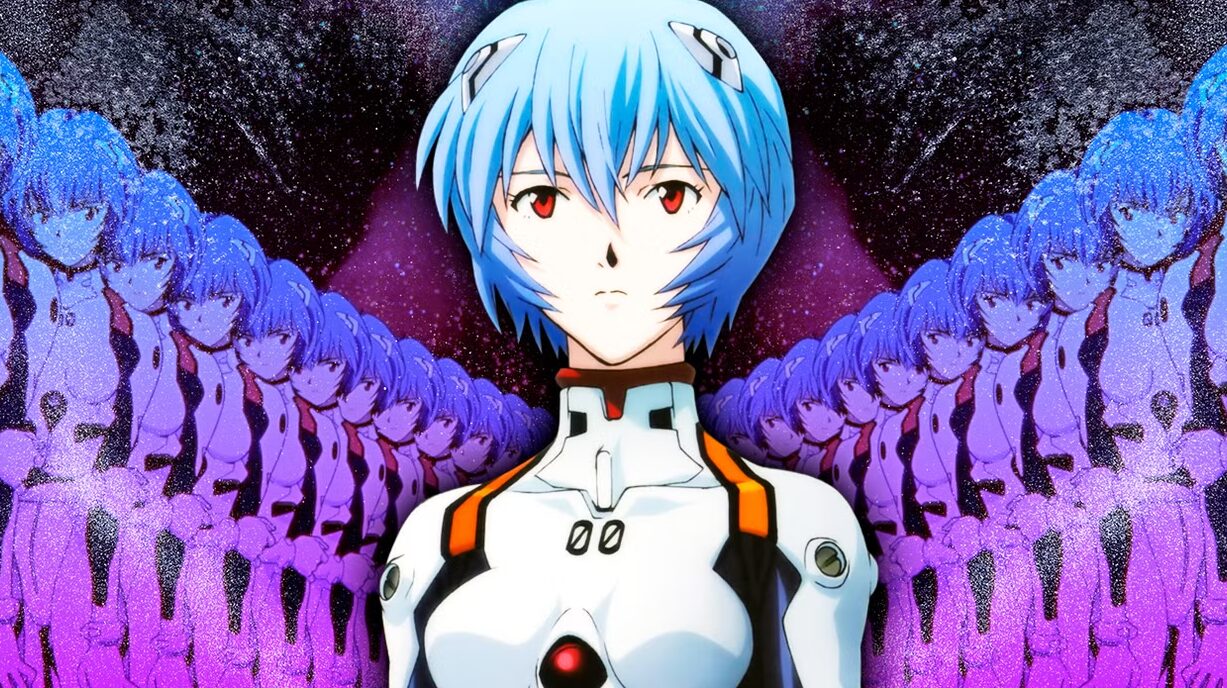
A clinical enigma searching for a soul in a body she believes is nothing more than a replaceable vessel. Her inner conflict is the haunting question of what it means to be “real.” She is caught between the mechanical duty of her existence and the slow awakening of her own emotions and memories.
Strengths:
👍 Absolute mission loyalty
👍 Stoic calm under fire
👍 Unsettling perceptiveness
Weaknesses:
👎 Zero self-preservation instinct
👎 Severe social disconnection
👎 Lack of personal identity
Archetype: Kuudere. Her lack of emotion isn’t coldness, but a fundamental uncertainty about how to exist as an individual separate from her purpose.
MBTI: ISTJ (The Logistician). Practical, fact-minded, and reliable. Rei embodies the extreme version of this type, where duty and logic override personal identity, leading to a life governed by structure rather than personal will.
“Those who hate themselves cannot love or trust others.”
If you got Rei: You are a calm, observant individual who often feels like a guest in your own life. You value logic and duty, yet there is a quiet longing within you to understand the “why” of human connection. You are far more unique than you realize — you are not a spare.
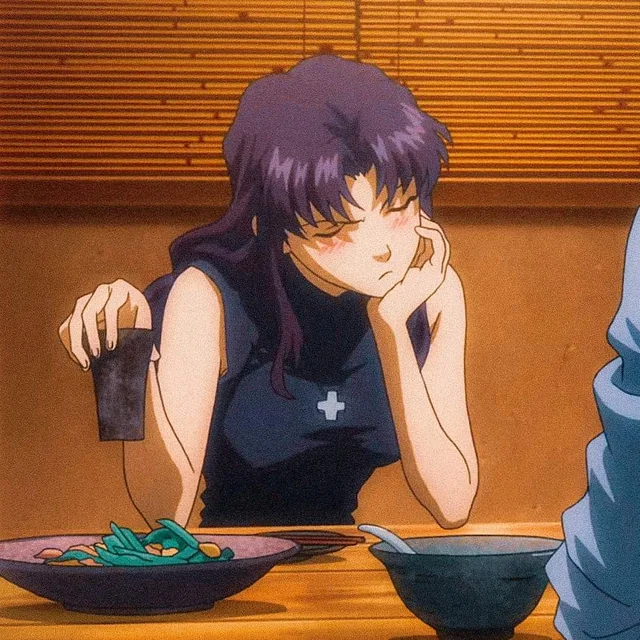
Misato Katsuragi
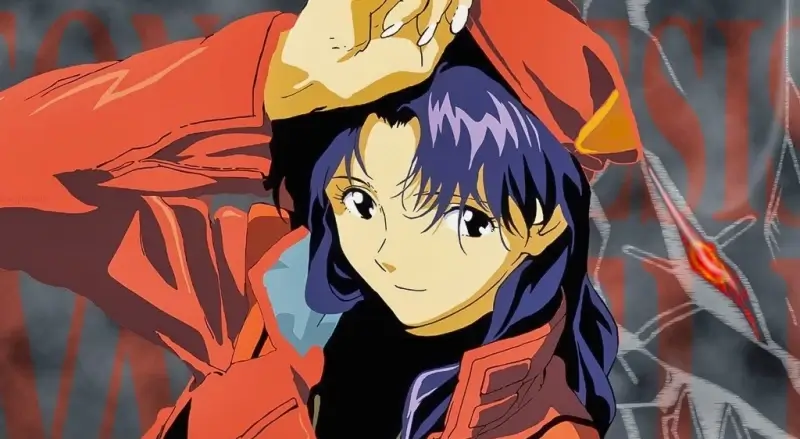
An adult whose world ended at age twelve. Her inner conflict is the gap between being the brilliant, charismatic leader of NERV and the broken woman who cannot heal herself.
She uses a cheerful persona to bury the scars of the past and her fear of genuine, stable adult intimacy.
Strengths:
👍 Brilliant strategic creativity
👍 Genuine protective warmth
👍 Natural leadership charisma
Weaknesses:
👎 Avoidance of deep trauma
👎 Self-destructive coping habits
👎 Severe fear of intimacy
Archetype: Broken Guardian. She understands the children because she is still fighting her own inner demons under the guise of adulthood.
MBTI: ENFP (The Campaigner). Enthusiastic, creative, and fiercely people-oriented. Misato uses these traits to create a sense of family, though she often struggles with the internal chaos that comes with feeling everything too deeply.
“I’m just a coward who’s afraid of being alone.”
If you got Misato: You are the pillar of strength for those around you, the one everyone leans on. But when the lights go out, you struggle with a loneliness you refuse to show. You need to stop being everyone’s hero for a moment and let someone in.
Evangelion CHAT:


The fate of the world is a heavy burden, but understanding yourself is the first step to saving it.
Your synchronization rate is more than just a number; it is a window into who you actually are. In a world where everyone hides behind walls of pride or indifference, this quiz serves as your personal “Instrumentality Project.”
Are you ready to stare into the abyss of your own soul and discover which NERV hero is actually looking back at you from the mirror? Stop watching from the sidelines — it’s time to take your place in the pilot’s seat.
FAQ:
Our algorithm uses a combination of MBTI theory and deep character analysis to ensure your result matches your psychological profile, not just your favorite color.
The quiz covers all major NERV individuals, including the Eva pilots (Shinji, Asuka, Rei) and the commanding staff like Misato Katsuragi.
Yes, each result is mapped to a specific Myers-Briggs Type Indicator (MBTI) to provide a professional-grade analysis of your personality.
The test focuses on the core cast, but it doesn't shy away from the darker aspects of human nature, meaning you might see some complex "anti-hero" traits in your result.
The quiz consists of carefully curated questions designed to be finished in under 5 minutes, providing an instant and deep psychological breakdown.
In the world of Evangelion, a character is defined by their struggles; we focus on your "inner walls" to give you the most authentic experience.
Absolutely. All assessments on HikiQuiz are free, and you can retake the test to see how your "sync rate" changes over time.
Yes, after the final shot, you will receive a shareable summary with your character archetype, stats, and iconic quotes.