



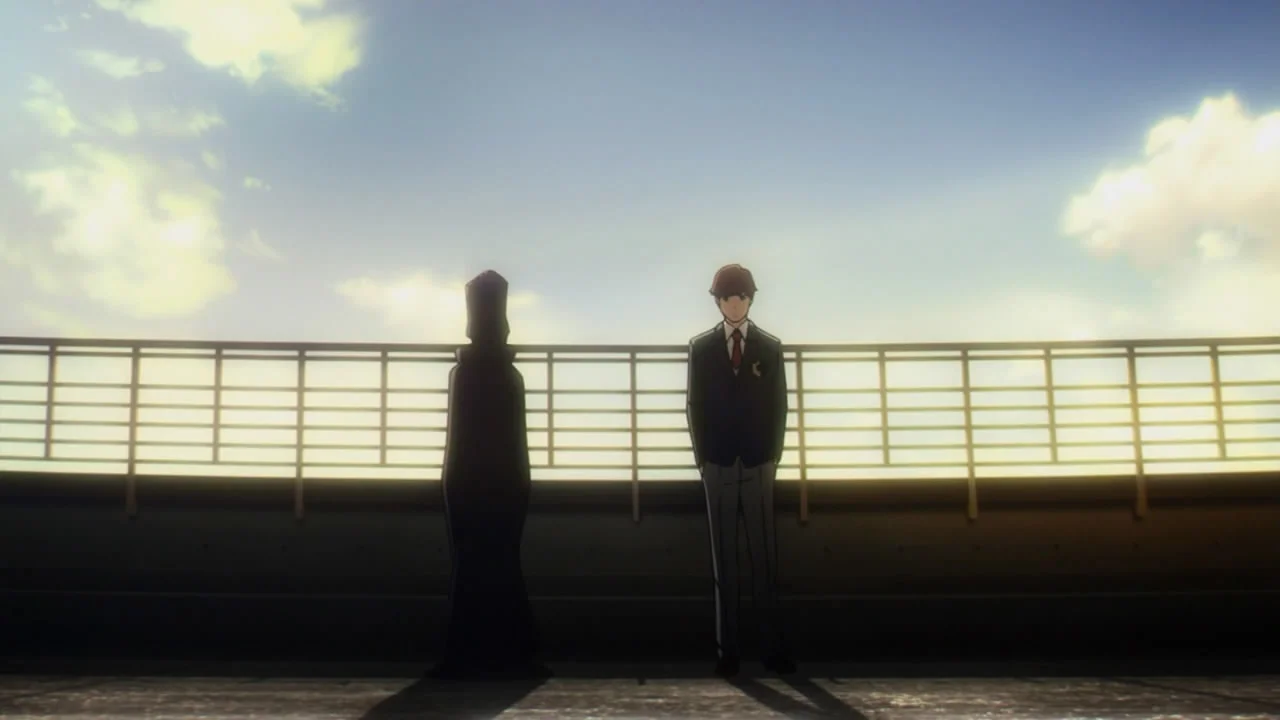
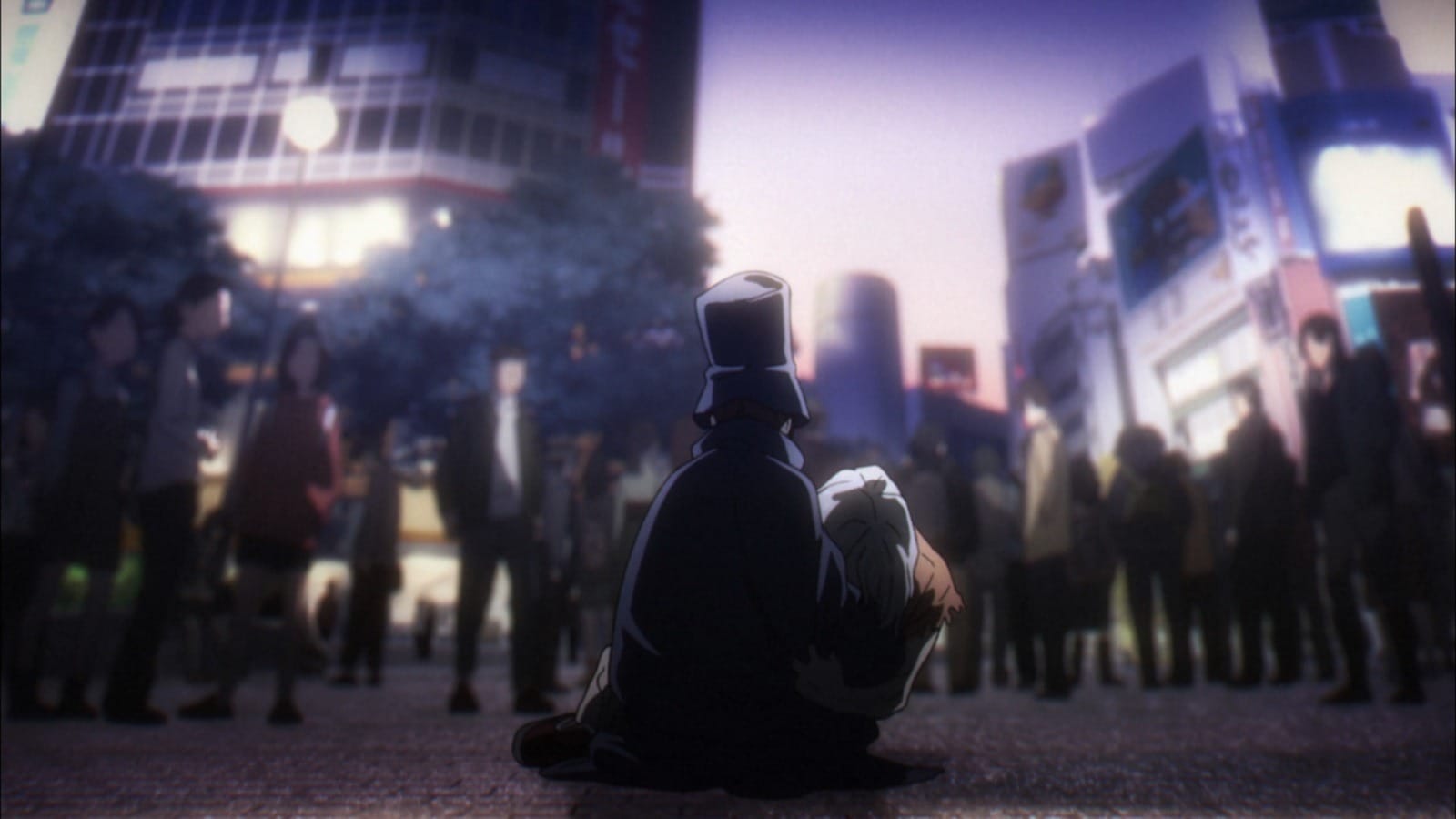




The sky turns a bruised purple, the shadows stretch longer than they should, and a chilling whistle echoes through the empty school hallways. You feel it, don’t you? The world is shifting, and an “Automatic” response is about to be triggered. In a city where urban legends breathe and the “Enemies of the World” hide in plain sight, your identity is never as solid as it seems.
Are you merely a bystander in this fractured, non-linear world, or do you carry the spark of a Fire Witch within? Perhaps you are nothing more than a memory, a fragment of someone else’s trauma waiting to be processed.
Step out of the mundane and face the entity that never laughs. It’s time to find out which archetype you truly represent in this cold, psychological landscape.
Before you face the phantom, let the sound of a fading sunset ground your soul. We’ve prepared a special lo-fi reimagining of the iconic opening to help you sync with the world of urban legends.
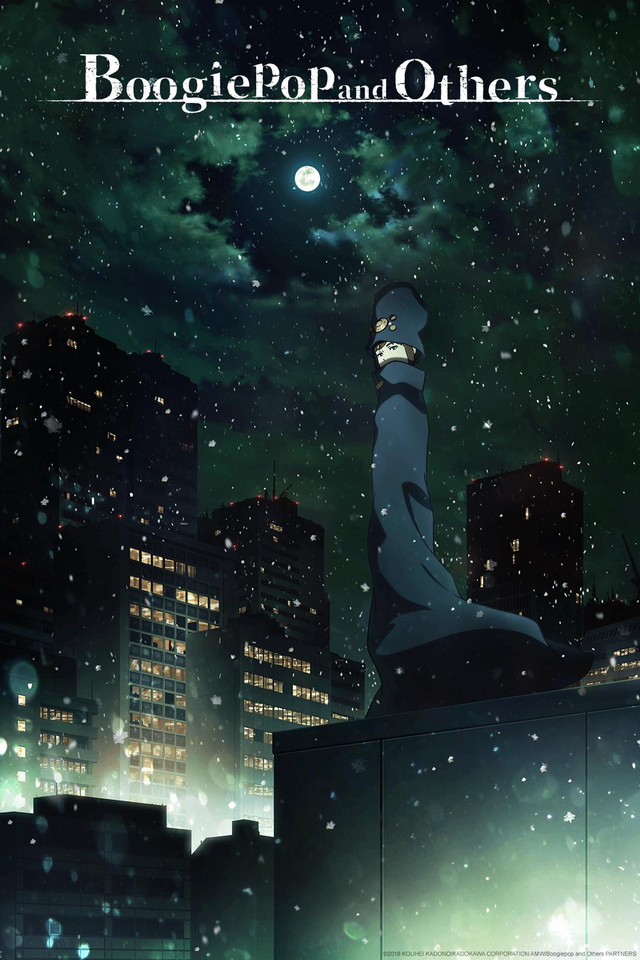
The Architecture of Dread: Why Boogiepop is the Invisible Blueprint of Modern Psychological Anime
While most supernatural series lean on explosive battles, Boogiepop and Others breaks stereotypes by treating its “hero” as a cold, automatic biological response to humanity’s collective crisis.
It strips away the glamor of the supernatural, presenting a world where “monsters” are born from mundane social stagnation and the crushing weight of modern expectations. This isn’t a story about saving the day; it’s about the inevitable and often silent correction of the world’s path.
Global Ratings:
Impressions: The Butterfly Effect of Alienation
The series shines in its non-linear exploration of character chemistry. Instead of traditional friendships, we see a web of isolated individuals whose lives collide in tragic, unexpected ways.
From Nagi Kirima’s stoic, lonely crusade to the consuming, predatory nature of the entities they hunt, the emotional depth is found in the gaps between conversations. It perfectly captures the “ennui” of youth—that specific feeling of listless dread and the desire to be “something more” that leads to catastrophic transformations.
Visuals & Verdict: A Clinical Masterpiece of Shadow
Madhouse utilized a desaturated, clinical color palette that mirrors the eerie silence of an empty school at sunset. The art style is deliberately grounded, making the surrealist horror elements feel disturbingly real.
User Ratings (The Collective Verdict):
This is the definitive “thinker’s anime.” If you crave a psychological puzzle that respects your intelligence and rewards deep attention, Boogiepop is the phantom you’ve been searching for.
The Resonance Protocol: Archetypes of the Unseen
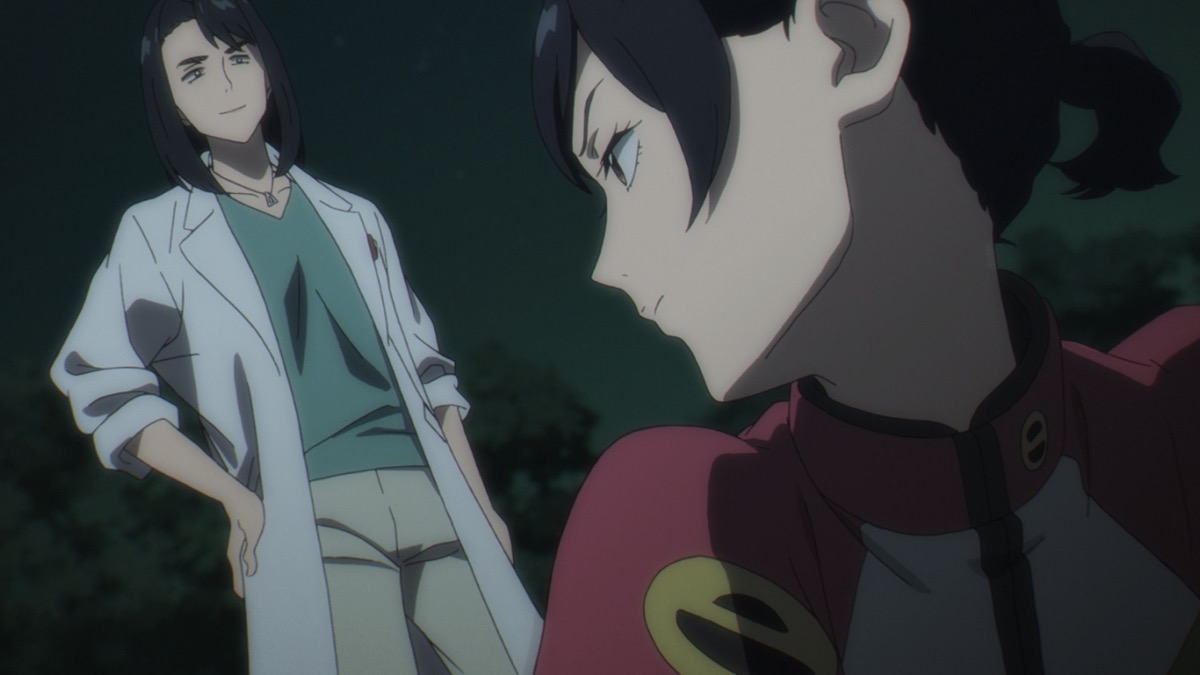
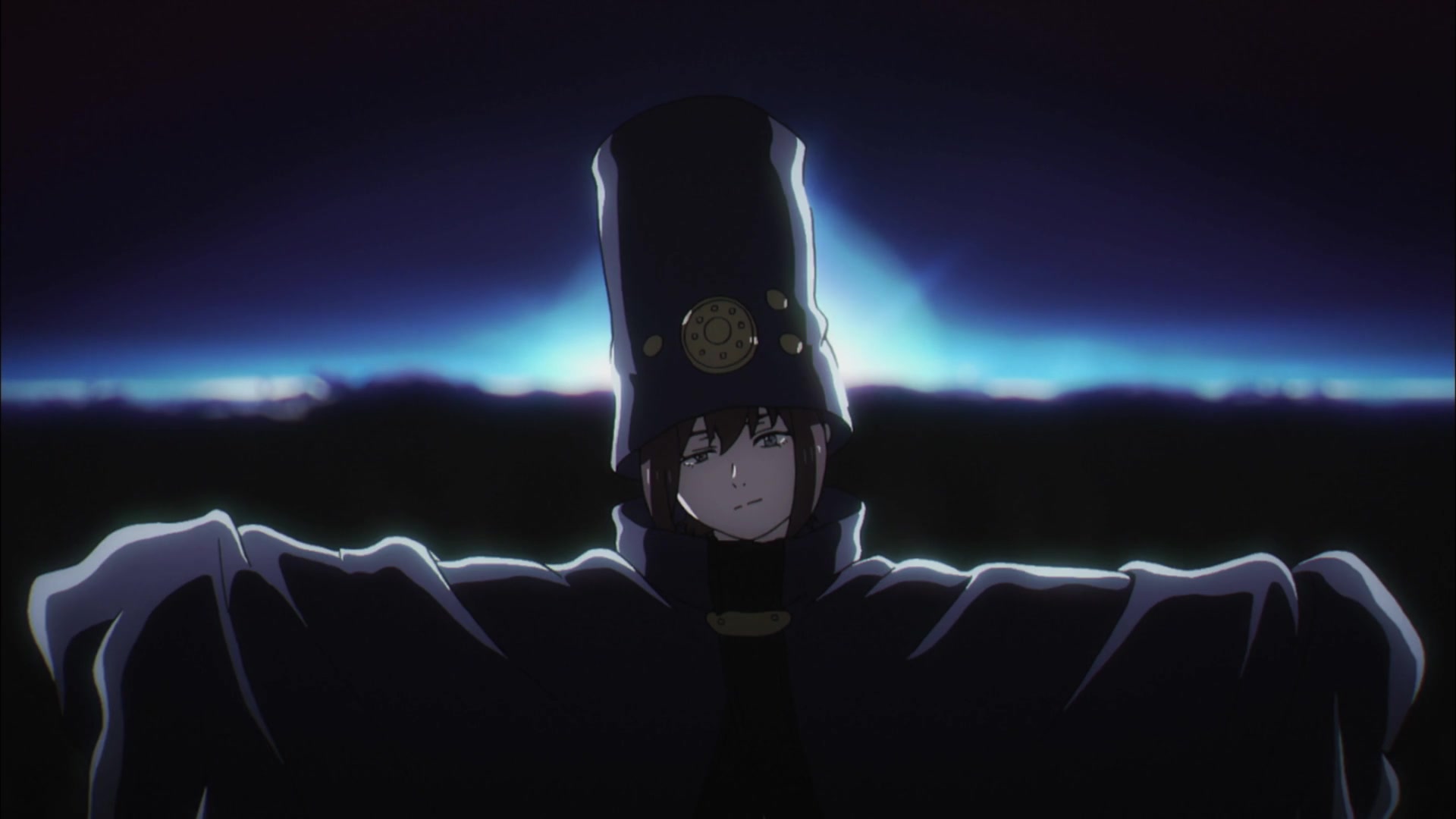
Boogiepop (The Phantom)
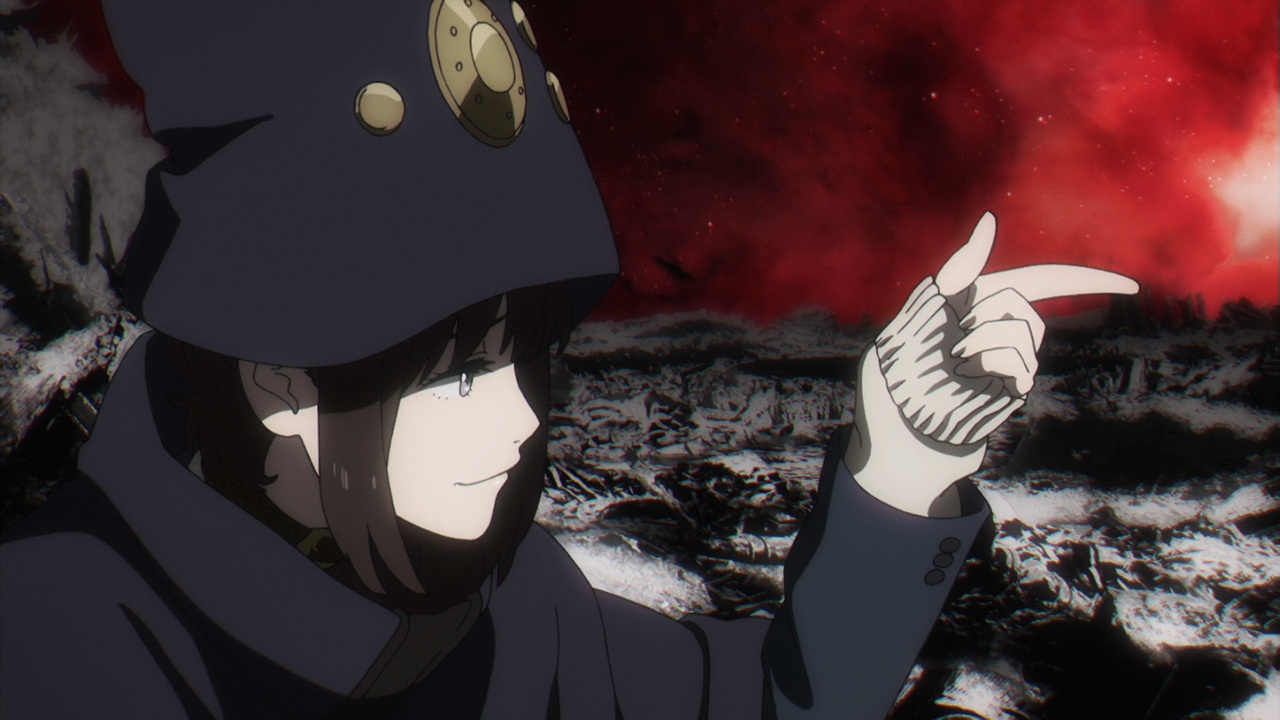
An automatic evolution of the human psyche. Its conflict lies in being a mere shadow of Touka, a savior who exists only as a function and vanishes once the threat is gone.
Strengths:
👍 Absolute objectivity in your judgment.
👍 Supernatural intuition to world threats.
👍 Profound psychological deconstruction.
Weaknesses:
👎 Complete lack of any personal identity.
👎 Exists only when the world needs her.
👎 Total detachment from human empathy.
Archetype: Kuudere — A stoic entity operating on pure logic, reflecting the coldness of a world that needs a phantom to stay balanced.
MBTI: INFJ (The Advocate). A mystical type driven by an internal vision to protect humanity, even if its nature remains forever misunderstood.
If you got Boogiepop: You are an observer, often feeling like a stranger in your own life. You see through masks with frightening ease but struggle to find your own “true” self. You act from a deep sense of responsibility to fix what is broken — not because you want to, but because no one else will.
“I am Boogiepop. I do not laugh.”
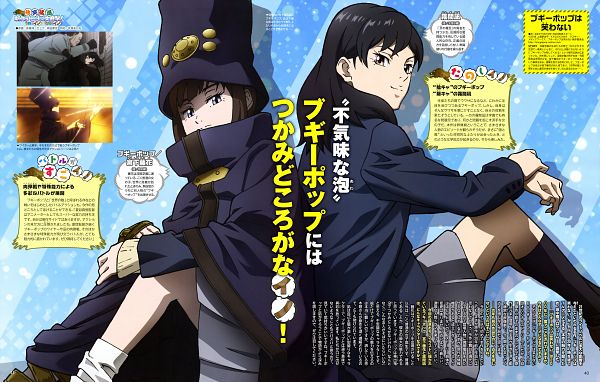
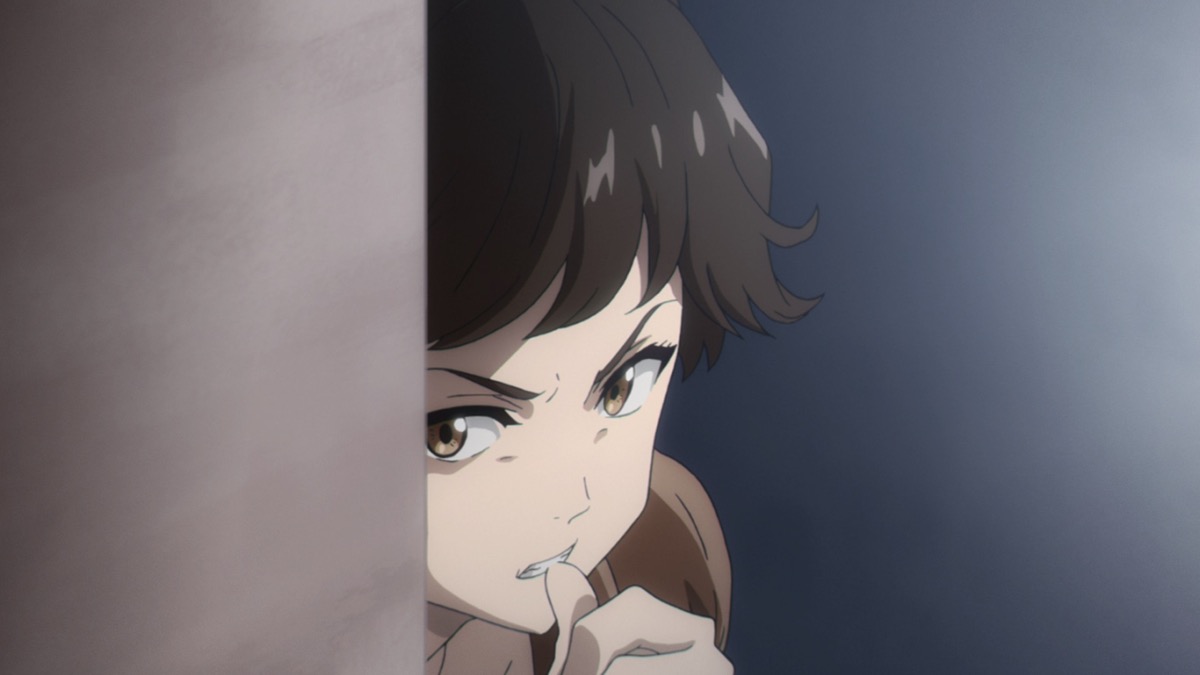
Nagi Kirima (The Fire Witch)
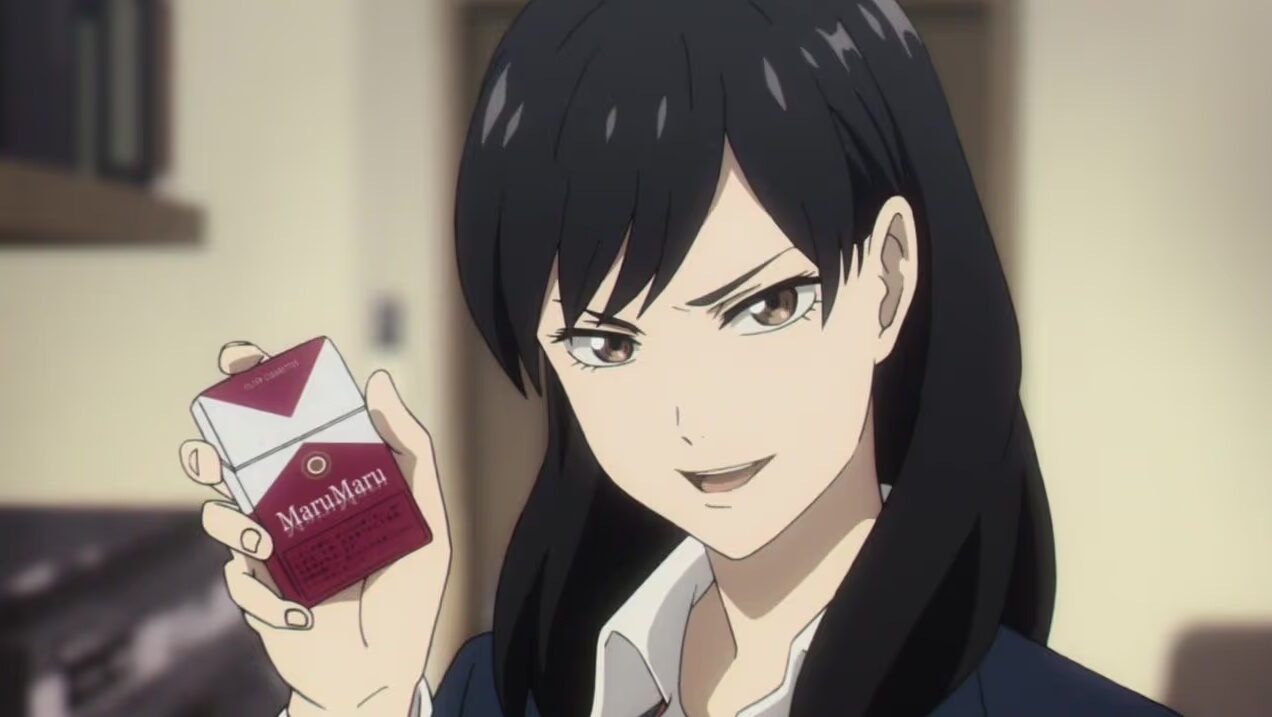
A hero by choice, not nature. Her conflict is the heavy toll of being a self-proclaimed protector. She is a vigilante who hides immense pain behind a wall of cold stoicism.
Strengths:
👍 Unwavering resolve and iron will.
👍 Exceptional combat and logic skills.
👍 Unbreakable moral compass.
Weaknesses:
👎 Chronic isolation and social distrust.
👎 Severe mental repression of trauma.
👎 Reckless tendencies toward sacrifice.
Archetype: Oujidere — She carries herself with the dignity of a prince, taking on the world’s burdens as if they were her royal duty.
MBTI: ISTP (The Virtuoso). A pragmatic individual who masters her tools to fight the chaos that most people choose to simply ignore.
“If you got Nagi Kirima”: You are a survivor who converted scars into armor. You have a sense of justice that borders on self-destruction, taking on the pain of others to spare them. People find you intimidating, but you are the most loyal ally. You don’t ask for permission; you act regardless of the cost.
“The fire I carry will burn me.”
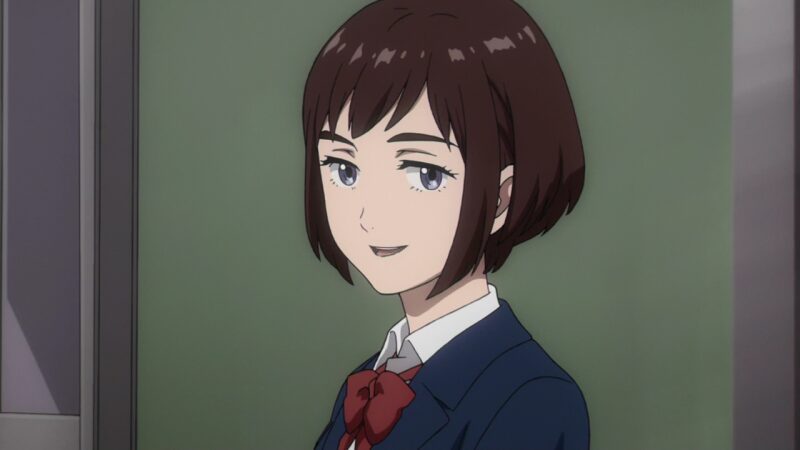
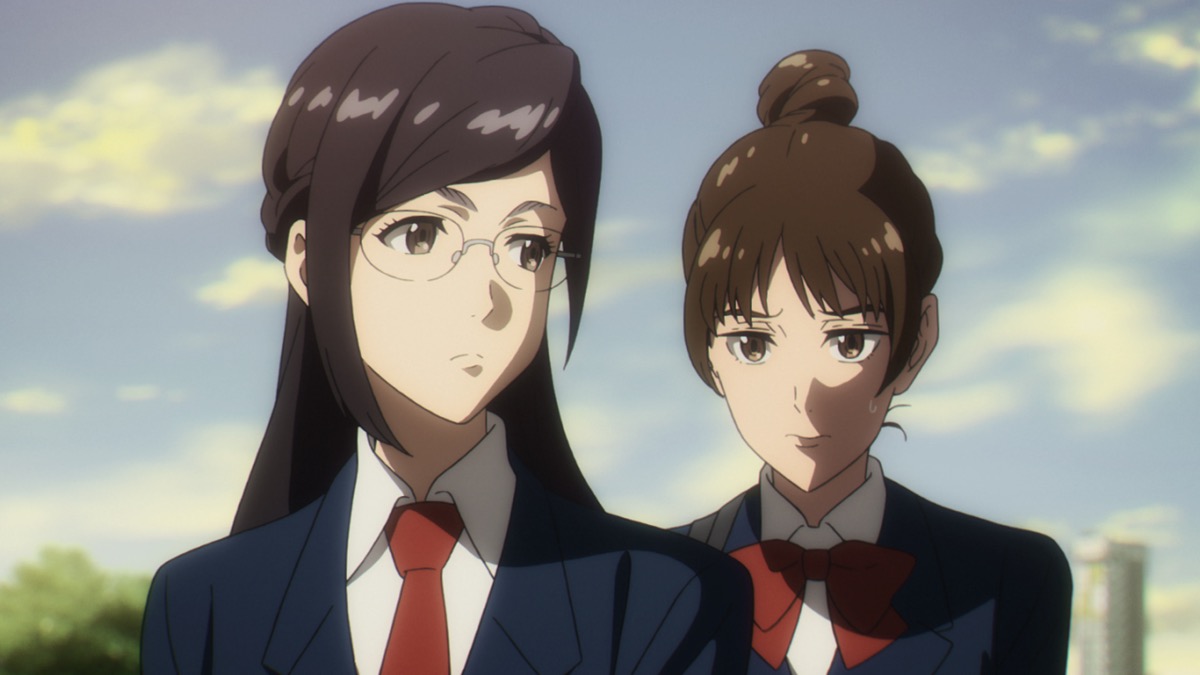
Kazuko Suema (The Truth Seeker)

A brilliant student obsessed with psychology. Her conflict is being an ordinary person chasing a world of shadows she can never enter, feeling left behind by the legends.
Strengths:
👍 Sharp analytical mind.
👍 Persistent knowledge drive.
👍 Objective reality focus.
Weaknesses:
👎 Chronic restlessness.
👎 Crippling fear of mediocrity.
👎 Distant from her peers.
Archetype: Dandere — A quiet, intellectual girl who hides her curiosity behind books, observing the world’s madness from a safe distance.
MBTI: INTP (The Logician). A thinker who deconstructs the world into patterns, seeking to understand the “why” behind every human flaw.
“If you got Kazuko Suema”: You are a perpetual outsider, watching life through a lens of analysis. You fear being ordinary, which drives your thirst for knowledge. While others enjoy the surface, you map the depths.
“I am just a witness to history.”
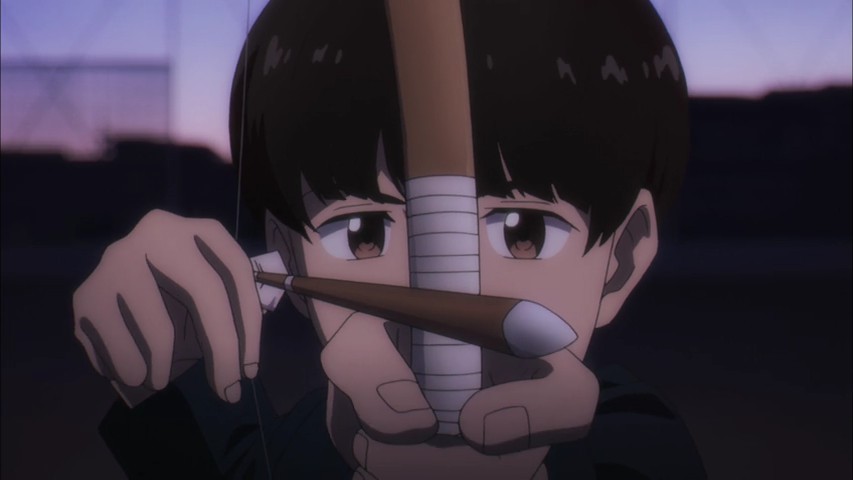
Shiro Tanaka (The Broken Archer)
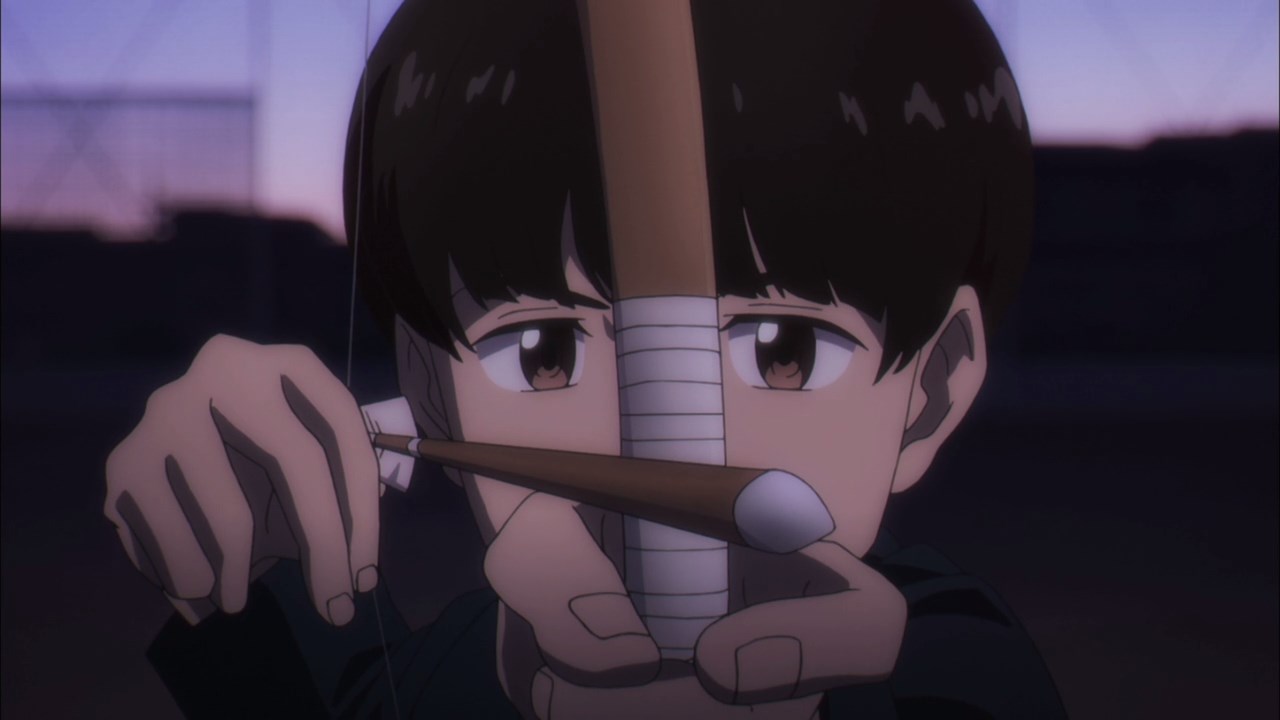
A talented archer whose world shattered after losing the one he loved. His conflict is the inability to let go of the past, making him vulnerable to manipulation and despair.
Strengths:
👍 Razor-sharp precision.
👍 Quiet calm exterior.
👍 Loyal sincere heart.
Weaknesses:
👎 Deep emotional fragility.
👎 Easily led astray.
👎 Overwhelming grief trauma.
Archetype: Utsudere — A tragic figure defined by profound sadness and loss, struggling to find a reason to keep moving in a cruel world.
MBTI: ISFP (The Adventurer). A sensitive soul who lives through feelings and aesthetics, currently trapped in a loop of painful memories and lost hope.
If you got Shiro Tanaka: You are a person of great sensitivity and hidden depth, but you are currently defined by what you have lost. You tend to retreat into yourself when things get difficult. Your journey is about understanding that your worth isn’t tied to your past mistakes. You need to learn that letting go isn’t betrayal — it’s survival.
“The target is always gone.”
Boogiepop and Others CHAT:

Don’t Fear the Reaper.
In the world of Boogiepop Phantom, the line between reality and memory is a fragile thread. This quiz isn’t a definitive answer—it’s a flicker of light in the urban darkness. Whether you are the protector hunting for justice or the witness searching for patterns, your presence is part of the city’s collective dream.
Listen closely to the whistling at night; it’s the sound of a world that is always watching, even when you feel most alone.
FAQ:
Boogiepop is not a human, but an automatic evolution of the human psyche. It appears as a "correction mechanism" within the city, emerging only when a threat to humanity arises. Unlike a traditional hero, Boogiepop vanishes the moment its function is complete, making it a manifestation of the collective unconscious rather than a person.
The haunting whistle of Die Meistersinger von Nürnberg serves as a herald of the supernatural. In the series, it signals the arrival of the phantom and the moment when the "echoes" of a person's trauma or desires become visible. Hearing it signifies that a correction is about to begin.
Nagi Kirima, known as the Fire Witch, is a self-proclaimed protector. Her conflict is deeply rooted in her choice to be a hero without having supernatural powers herself. She operates as a vigilante, bearing the weight of the city's sins through sheer willpower and tactical logic.
Echoes are the lingering remnants of intense human emotions or traumatic events. They manifest as supernatural phenomena or "phantom" versions of individuals. These echoes represent the parts of ourselves we try to bury but which inevitably leak into reality.
While an automatic entity, Boogiepop aligns most closely with the INFJ (The Advocate) profile. This is due to its mystical nature, deep insight into human psychology, and a single-minded vision to protect the future of humanity, often at the cost of being misunderstood.
Masami Saotome acts as a catalyst for chaos. He is called the Apostle because he aligns himself with powerful, world-threatening entities to escape the boredom of ordinary life. He represents the danger of high charisma coupled with a complete lack of empathy.
In the series, the line between normal and abnormal is blurred. Ordinary people can be "warped" by their own obsessions, effectively becoming phantoms of their former selves. The quiz helps identify which part of your psyche is most susceptible to this transformation.
Kazuko Suema represents the Truth Seeker. Unlike the protagonists, she has no powers; she uses her analytical intellect and knowledge of psychology to understand the supernatural events around her. She is the bridge between the mundane world and the world of shadows.
Yes, the quiz combines Jungian archetypes with the specific character traits defined by author Kouhei Kadono. It analyzes your approach to trauma, your social detachment levels, and your moral compass to match you with a Boogiepop Phantom character.
Many characters in the series are haunted by a specific moment in time when they were "broken." These memories create a feedback loop, or an echo, that defines their current strengths and weaknesses. The quiz tracks these patterns to determine your archetype.
Touka is an ordinary schoolgirl, while Boogiepop is the entity that lives within her shadow. Touka has no memory of Boogiepop’s actions, and Boogiepop exists only to serve its purpose. They are two separate identities sharing one physical vessel.
In our quiz, Existence Stability refers to how well a character fits into normal society. A high score means the character lives a double life successfully, while a low score (like Boogiepop’s 2.1) indicates a being that struggles to manifest or remain in the physical world.