


Beyond the veil of ordinary life lies a world constructed from the fragments of dreams and the echoes of painful memories. It’s a neon-soaked garden where the price of a miracle is your own courage, and the only way to save someone else is to stop running from yourself. Here, you aren’t just a visitor; you are a guardian of souls that the world tried to break.
Every battle in the Egg World is a symphony of pastel colors and raw emotion. You wield weapons forged from your heart’s hidden resolve to face monsters born from the shadows of society. This isn’t just a game of survival—it’s a journey to find the “Wonder” within your own reflection. Are you ready to face the truth behind the glass?
Before you crack the shell, let the nostalgic echoes of the Egg Girls’ melody wash over you. This lo-fi reimagining of the theme is designed to sync with your heartbeat as you traverse the boundary between dreams and reality.
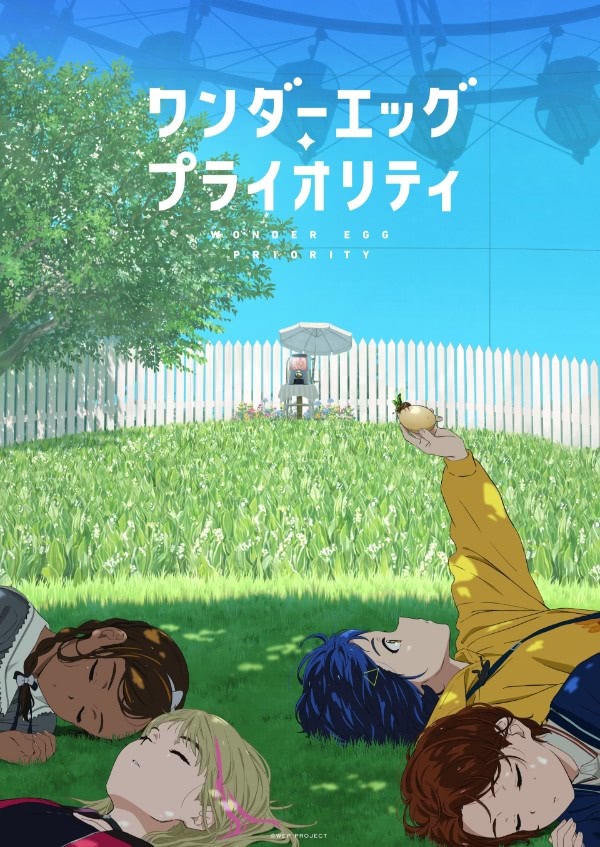
Pastel Trauma: Why Wonder Egg Priority is a Masterpiece of Surreal Empathy
At first glance, Wonder Egg Priority might look like your typical “magical girl” journey, filled with vibrant colors and charming transformation sequences. However, it quickly shatters these expectations, proving to be a raw and unflinching exploration of the adolescent psyche.
It breaks the stereotype of the genre by replacing mindless monster-slaying with a metaphorical battle against social pressures, bullying, and the silent epidemic of youth suicide. This isn’t just about saving others; it’s about the grueling process of saving yourself from the weight of a world that often turns a blind eye to pain.
Global Ratings:
The Chemistry of Shared Scars
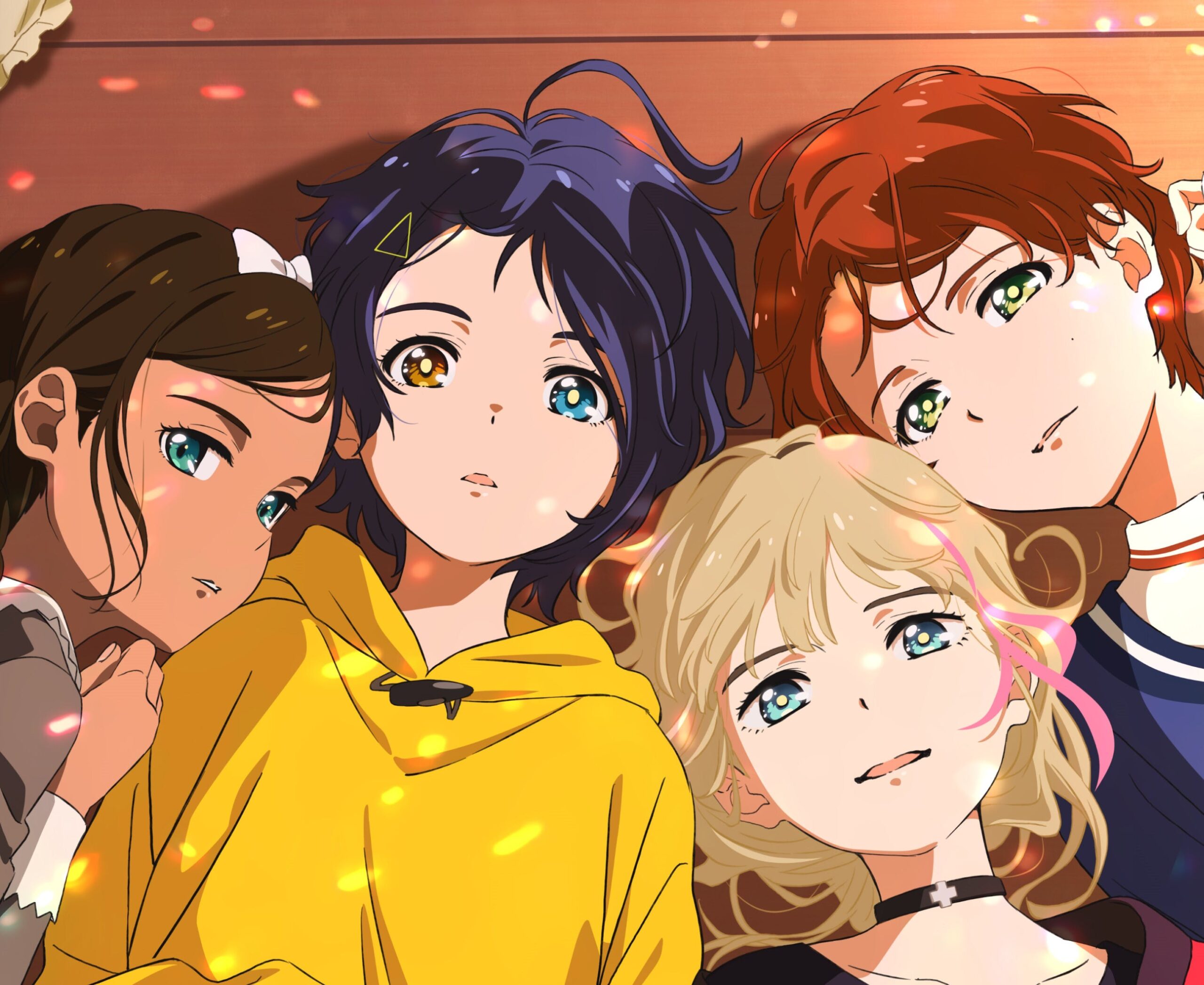
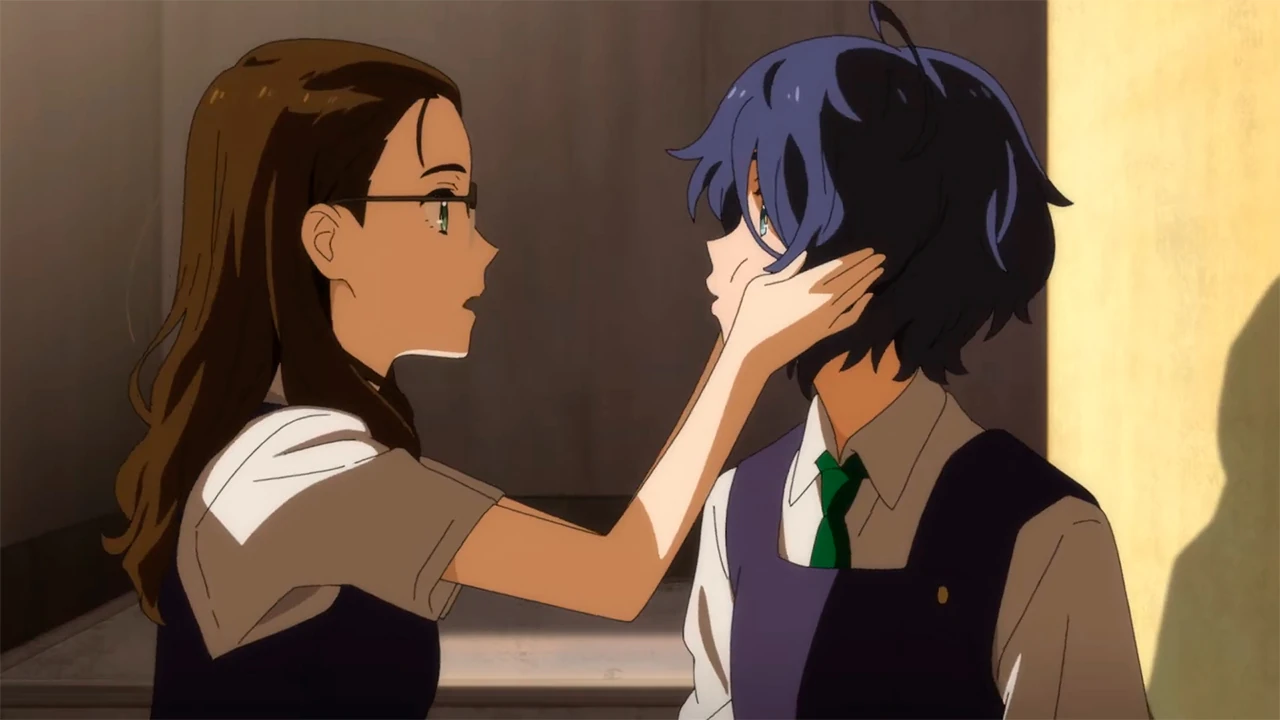
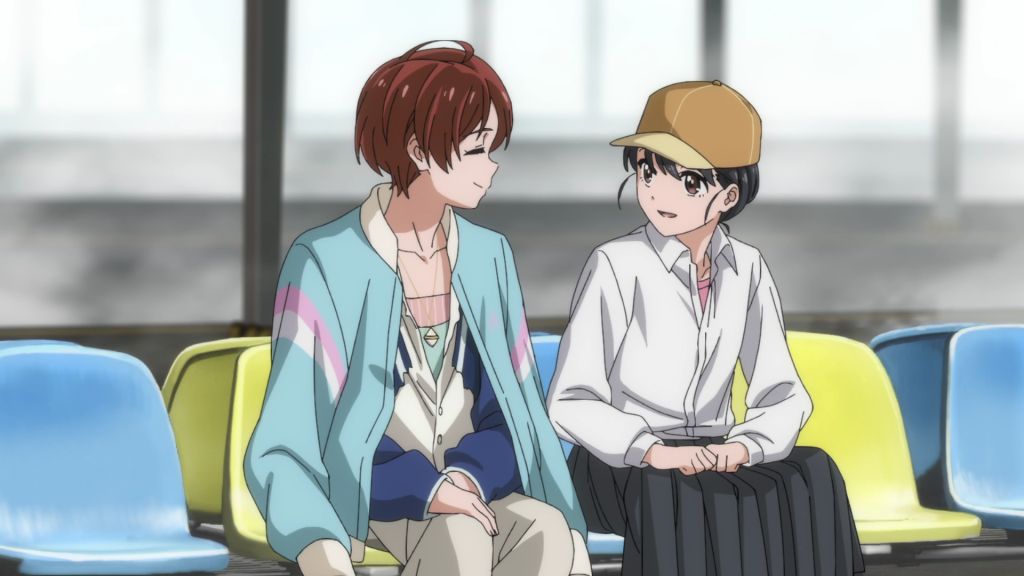
The emotional core of the series lies in the chemistry between its four protagonists: Ai, Neiru, Rika, and Momoe. Each girl carries a unique “scar”—a personal tragedy that links them to the world of the Eggs. Their bond isn’t built on simple friendship, but on a shared understanding of trauma.
Watching their dynamic evolve from hesitant allies to a support system is deeply moving. The writing captures the messy, complicated nature of teenage emotions, making their growth feel earned and their setbacks heartbreakingly real.
A Visual Fever Dream: The Verdict
Visually, CloverWorks delivered a tour de force. The art style creates a “Candy-Gore” aesthetic—dreamy, sun-drenched environments that suddenly fracture into surrealist nightmares. Every battle is a masterpiece of animation, where the weapons (like a colorful mace or a gymnastic ribbon) feel like extensions of the girls’ internal struggles.
User Ratings (The Collective Verdict):
Wonder Egg Priority is a must-watch for those who appreciate psychological depth over easy answers. It is for the dreamers, the outcasts, and anyone who has ever felt like they were fighting a battle no one else could see. It is a beautiful, painful, and ultimately empowering “Wonder” of modern anime.
TOP-4 Characters: Your Potential Identities
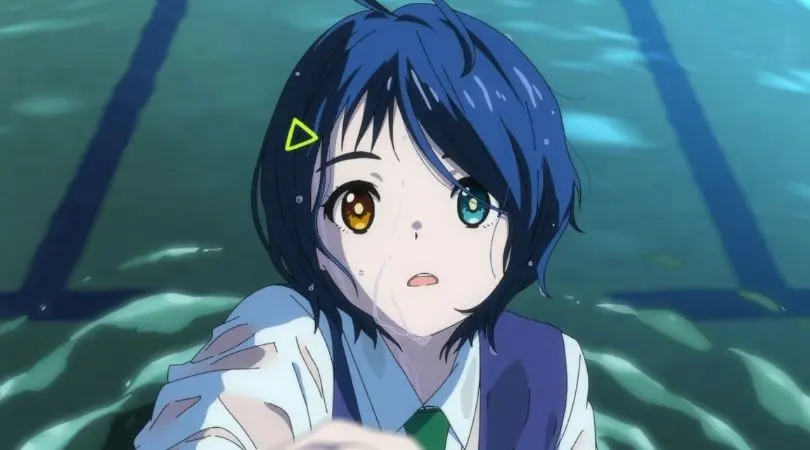
Ai Ohto

A girl defined by her striking heterochromia and even more striking isolation. After the tragic loss of her only friend, Koetsu, Ai withdrew into a shell of self-blame. Her journey into the Egg World isn’t just a quest to save others; it’s a grueling battle to forgive herself for the “crime” of staying silent.
She fights not with malice, but with a desperate, blooming courage.
Strengths:
👍 Immense emotional empathy that allows her to feel others’ pain.
👍 Unpredictable combat creativity using her colorful weapon.
👍 Pure-hearted loyalty toward those she chooses to protect.
Weaknesses:
👎 Deep-seated self-loathing rooted in past social isolation.
👎 Tendency to withdraw under pressure or intense emotion.
👎 Overwhelming survivor’s guilt regarding her late friend.
Archetype: The “Soft” Coodere. She protects her fragile heart with a quiet, indifferent exterior, but shows sharp resolve when her loved ones are in danger.
MBTI: INFP (The Mediator). Ai is a dreamer who acts based on her internal values rather than logic. This type explains her quiet nature and sudden explosive courage.
“I’m not a victim. I’m a warrior.”
If you got Ai: You feel the world with a painful intensity. You often turn your personal pain into a shield for others, proving that being sensitive is your greatest weapon, not your weakness.
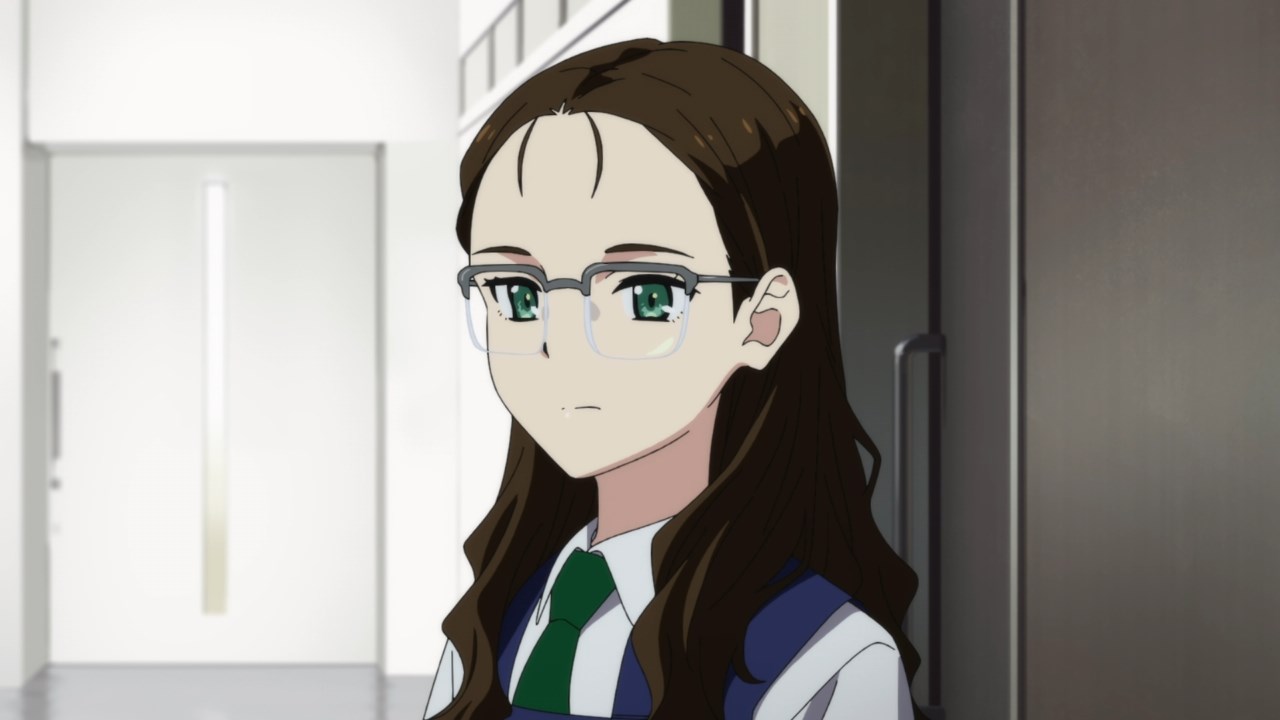
Neiru Aonuma
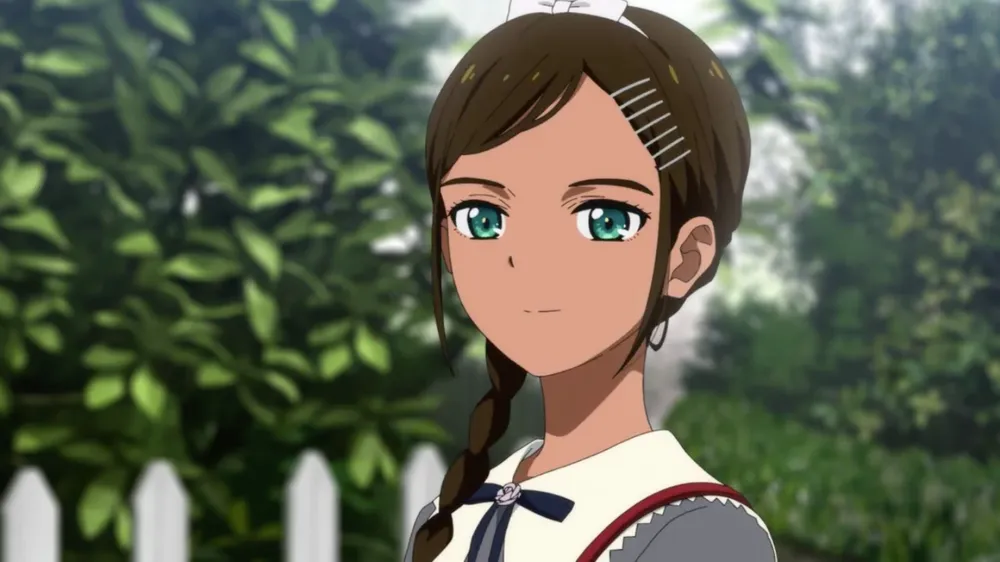
A brilliant, quiet girl who carries the burden of a massive corporation and a missing sister on her young shoulders. Neiru views the world through a lens of cold logic, but this is merely a defense mechanism to mask her profound loneliness.
Her battle in the Egg World is a silent scream for a connection she doesn’t know how to ask for.
Strengths:
👍 Exceptional strategic intelligence in high-stakes combat.
👍 High technological proficiency and corporate leadership.
👍 Intense focus and discipline during her dream-world missions.
Weaknesses:
👎 Emotional detachment that makes her appear cold to others.
👎 Chronic inability to trust anyone outside her inner circle.
👎 Neglect of personal well-being for the sake of efficiency.
Archetype: The “Classic” Kuudere. She maintains a stoic, frosty persona, hiding a girl who deeply values the few bonds she manages to form.
MBTI: INTJ (The Architect). Neiru is a logical strategist who always looks ten steps ahead. Her type reflects her “CEO” mindset, where data is more reliable than emotions.
“I’ve always been alone. I’m used to it.”
If you got Neiru: You are a high-achiever who prefers facts over messy emotions. Your stoicism isn’t coldness; it’s a way of protecting a very private and vulnerable inner world.
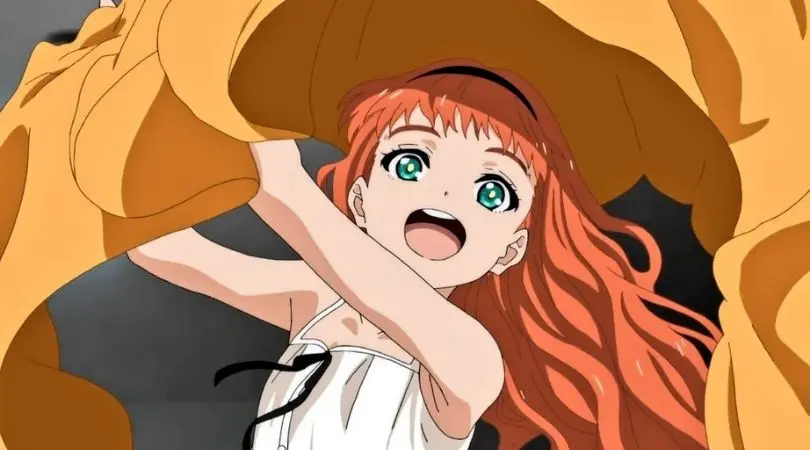
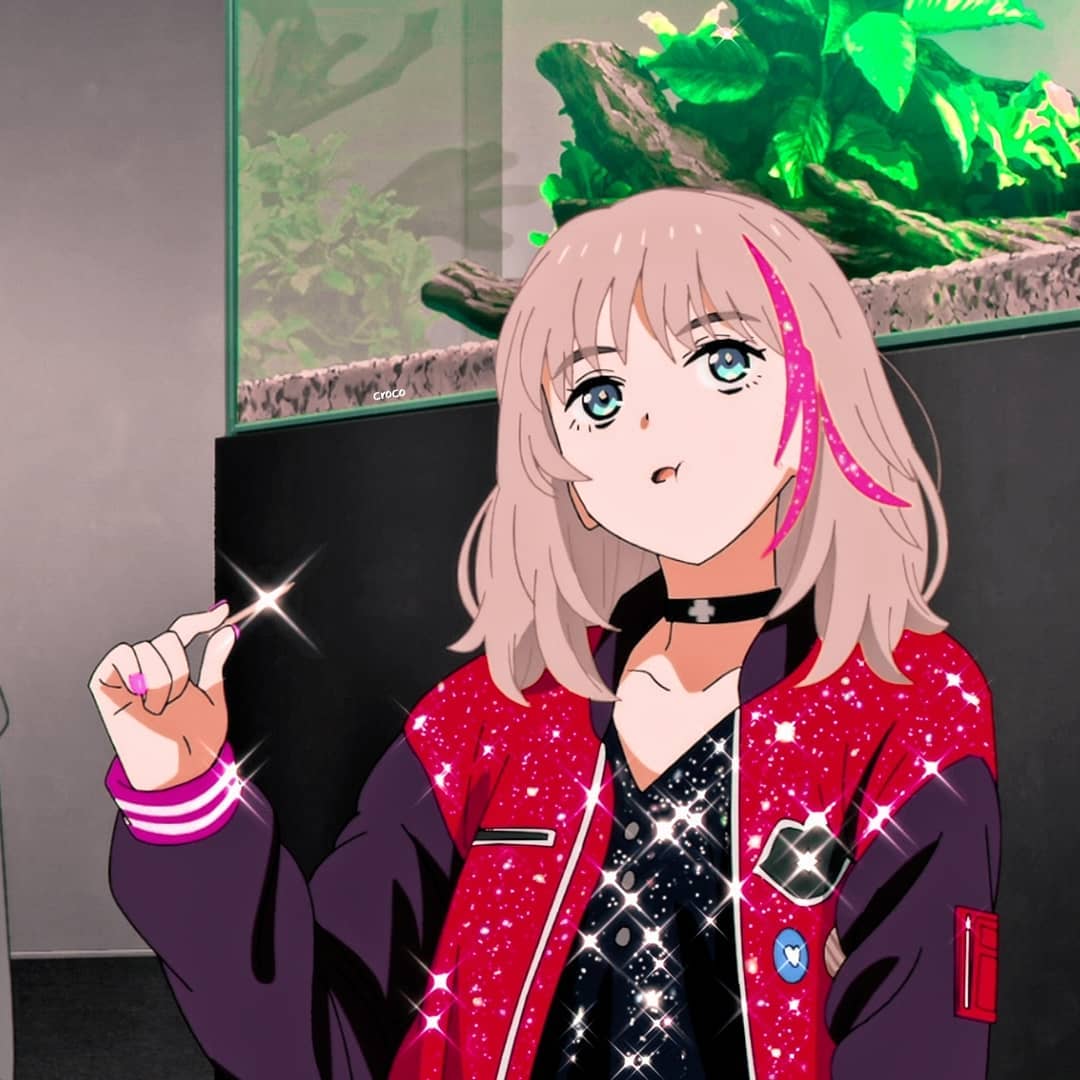
Rika Kawai

A former child idol who hides her insecurities behind a mask of arrogance and biting wit.
Rika is the “wild card” of the group, seemingly obsessed with fame, yet haunted by the death of a fan she treated poorly. Her flamboyant fighting style is a loud distraction from the quiet pain of her self-disgust.
Strengths:
👍 Bold and fearless combatant who never backs down.
👍 Sharp and honest communication that cuts through lies.
👍 Fierce protectiveness of her new circle of friends.
Weaknesses:
👎 Reckless self-destructive tendencies in her personal life.
👎 Use of aggressive humor to deflect her deepest traumas.
👎 Deeply hidden inferiority complex masked by arrogance.
Archetype: The “Sassy” Tsun-Shun. She masks her pain with an aggressive, prickly attitude, but collapses into bouts of melancholy when her past mistakes haunt her.
MBTI: ESTP (The Entrepreneur). Rika is an action-oriented seeker of thrills who dominates social situations. This type explains why she dives into battle head-first.
“Friends? We’re just coworkers in a nightmare.”
If you got Rika: You use humor and “toughness” as a shield. Your path to happiness lies in forgiving yourself for past mistakes and realizing you are worthy of love without the mask.
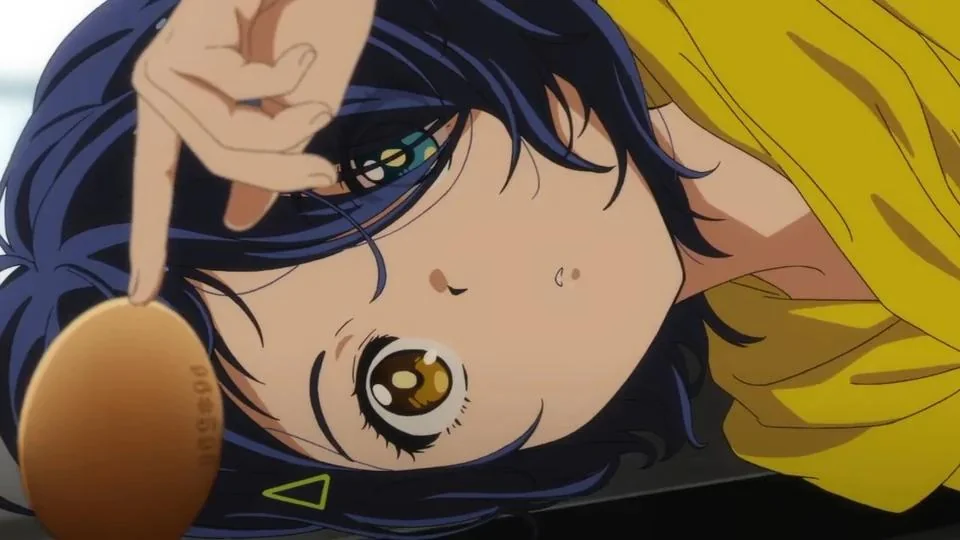
Momoe Sawaki
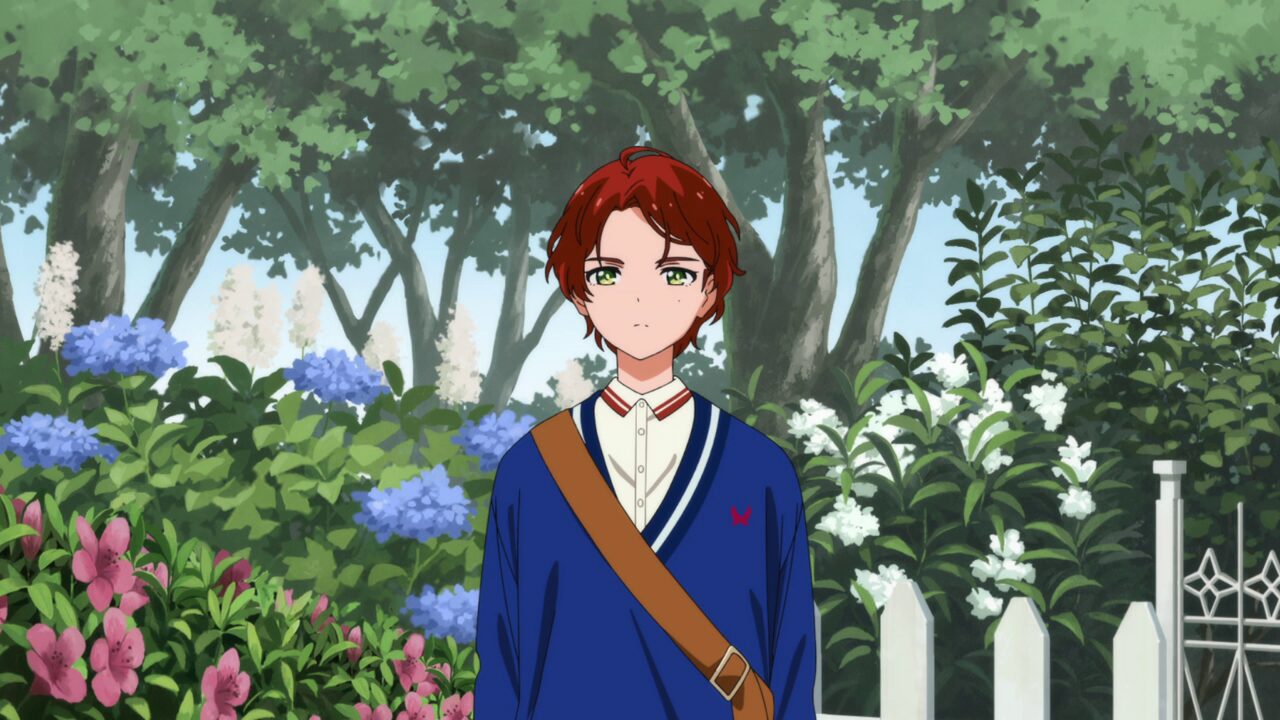
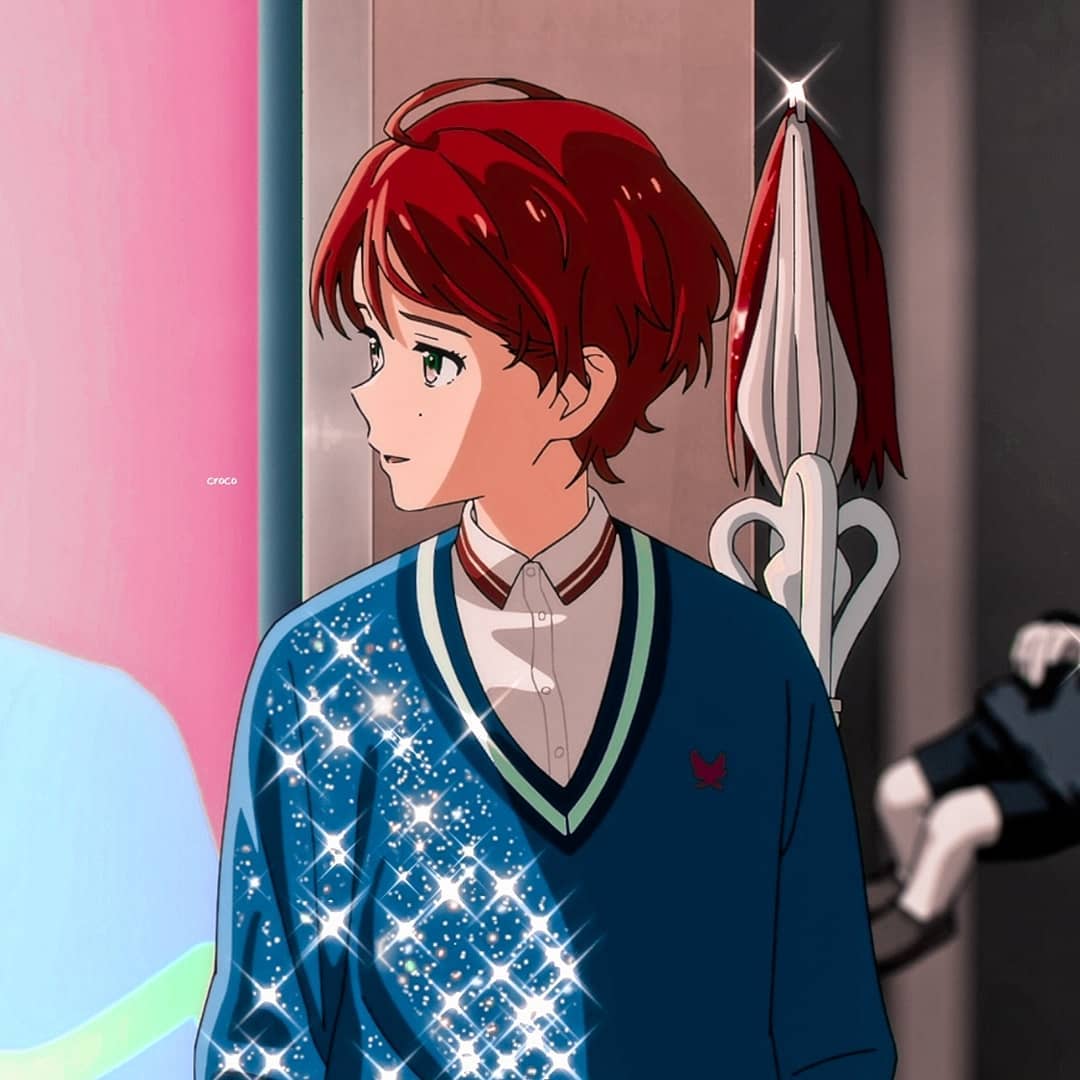
Often mistaken for a boy due to her height and handsome features, Momoe struggles with a unique form of isolation. While she attracts girls easily, she longs to be understood for who she truly is.
Her gentle nature is her greatest strength, but it also makes her vulnerable to those who project their own desires onto her.
Strengths:
👍 Natural grace and charisma that draws people to her.
👍 Profound sense of justice when facing “Wonder Killers.”
👍 Unwavering kindness even toward those she barely knows.
Weaknesses:
👎 Difficulty asserting her true identity over others’ views.
👎 Extreme sensitivity to external judgment and labels.
👎 Paralyzing fear of being misunderstood by her peers.
Archetype: The “Elegant” Dandere. Despite her “princely” appearance, she is remarkably shy and easily moved to tears when someone truly recognizes her feminine side.
MBTI: ISFJ (The Defender). Momoe is a selfless protector who feels responsible for harmony. Her type explains her outward bravery and the soft, traditional heart she hides.
“It hurts when people only see what they want to see.”
If you got Momoe: You are a soul of great integrity, but you feel like you’re playing a role society chose for you. Your journey is about demanding that the world recognizes the real you.
Wonder Egg Priority CHAT:
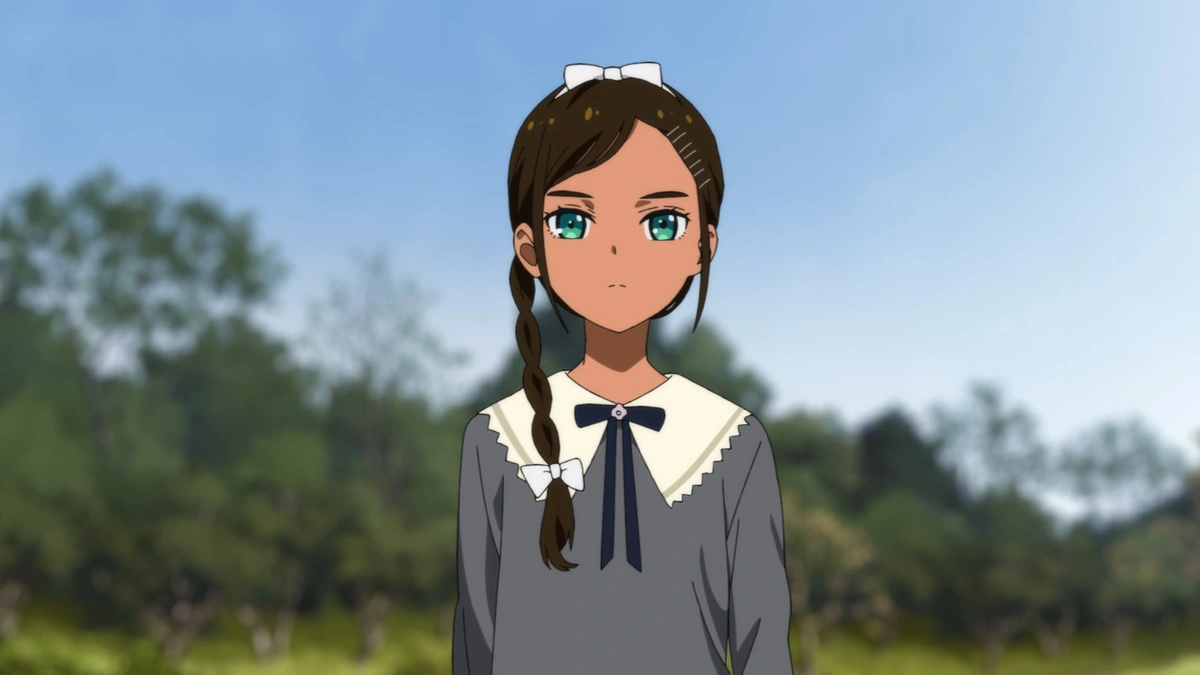
The dream is over, but your story is just beginning. Stop hiding, start hatching!
In the quiet corners of the Egg Garden, the sun never truly sets on the trauma we carry, but it also never fades on the hope we’ve found. Whether you are fighting to bring back a lost friend or searching for the pieces of your own shattered reflection, remember that your shell was always meant to be broken.
The world outside may be cold, but the light you carry is real.
FAQ:
The Egg represents the fragile psychological state of a person dealing with trauma. Breaking the shell symbolizes the painful but necessary process of confronting one's past to experience a "new birth."
Yes. Unlike traditional Mahou Shoujo, it strips away the whimsical fantasy to address heavy social issues like bullying, isolation, and the silent struggles of the youth.
Ai’s mismatched eyes led to her being bullied, causing her to withdraw from society. In the Egg World, her eyes symbolize her unique perspective and her ability to see the "Wonder" in others.
Acca and Ura-Acca act as observers and guides within the Garden. Their goal is to study "Eros" (the will to live) as a countermeasure against "Thanatos" (the urge toward death).
The series uses vibrant, candy-colored aesthetics to mask dark, visceral themes. This contrast highlights how trauma can be hidden behind a seemingly "bright" and normal exterior.
Frill is an artificial intelligence created by the Accas. She represents the "Temptation to Death" and serves as the metaphysical source of the girls' tragic encounters.
They are monstrous manifestations of the specific trauma or the person who caused the suffering of the girl inside the Egg (e.g., a teacher, a coach, or a stalker).
The special serves as the series finale, concluding the emotional arcs of the four protagonists and clarifying the true nature of their battle against Frill's "Dot" and "Hypnos."
HikiQuiz.COM provides a deep psychological assessment based on the MBTI types and core conflicts of Ai, Neiru, Rika, and Momoe and other to find your true character match.