
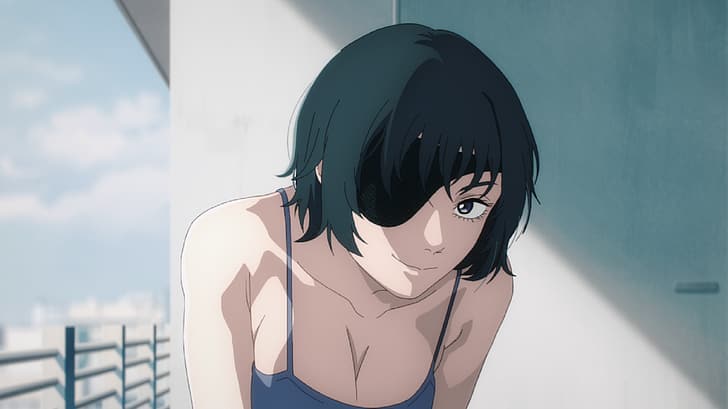
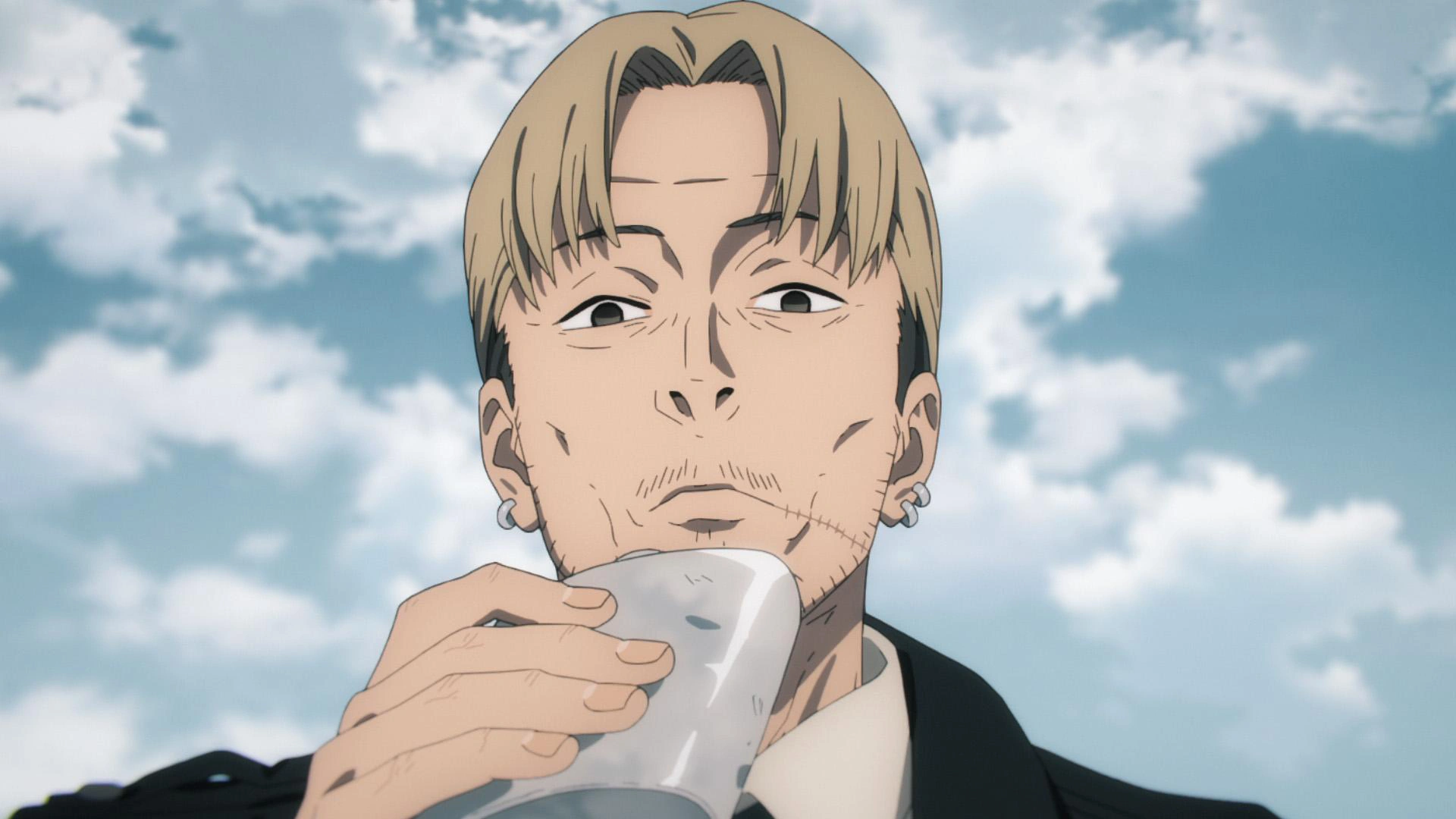






Nobody in Public Safety got there clean. Every Devil Hunter on Makima’s squad is carrying something they never fully dealt with — a debt, a dead family, a hunger nobody ever satisfied — and the job just gives them somewhere to point it. Some turn it into discipline. Some turn it into chaos. None of them actually healed first.
You’ve watched Denji chase something as simple as a warm meal and a soft place to sleep, and watched it cost him everything anyway. Now it’s time to find out which one of them you’d actually be.
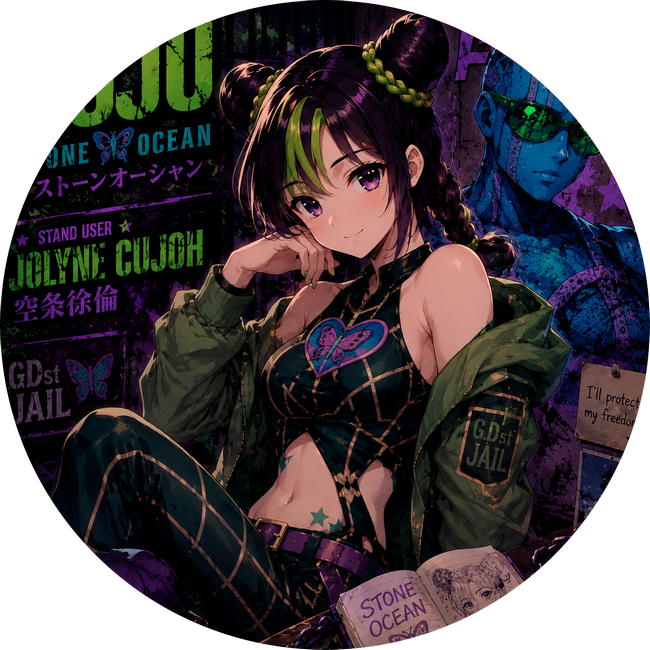
The chainsaw can wait. Let this lo-fi cover carry you through the questions for a few minutes instead.
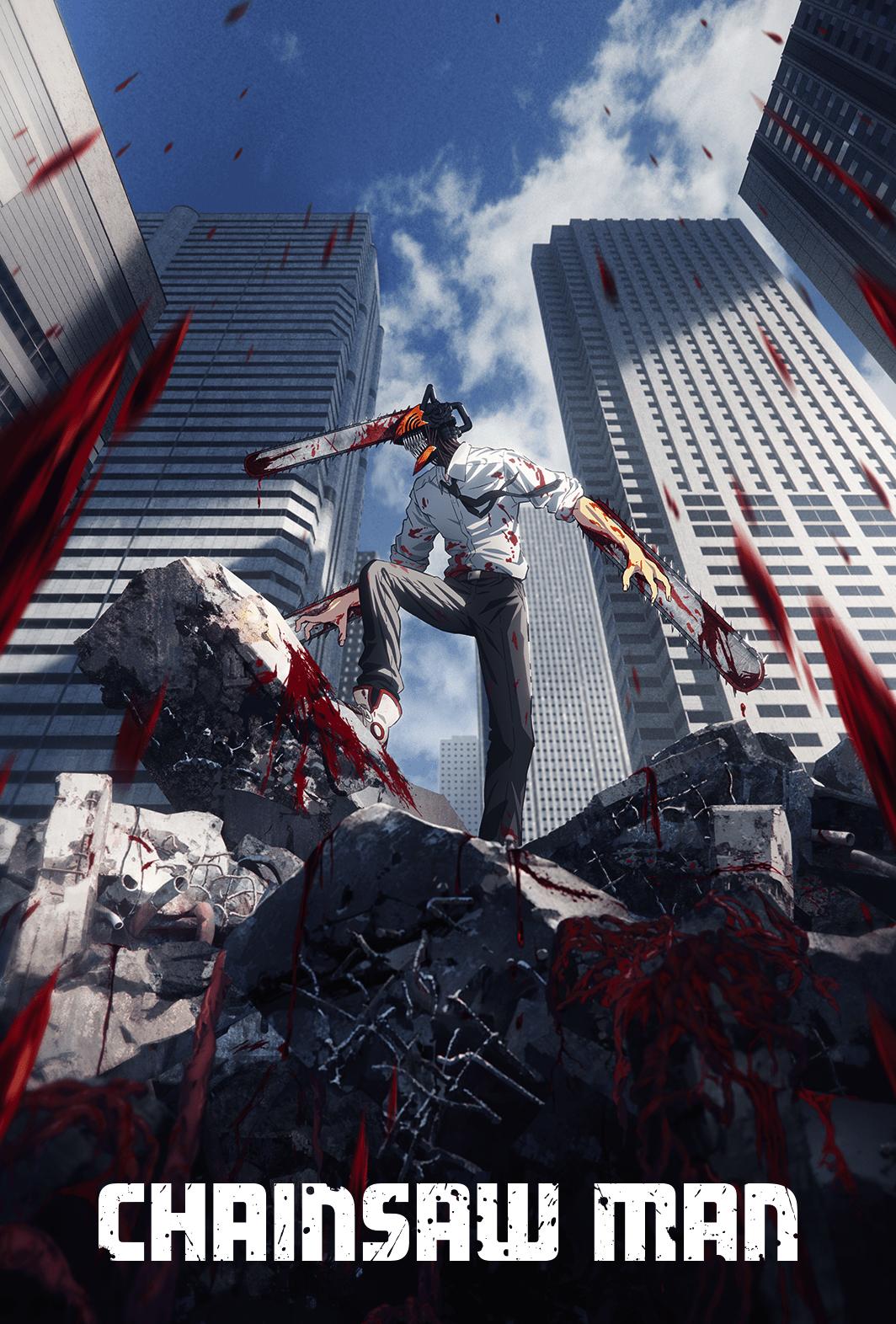
Answer honestly and find out which version of wanting something is actually yours.
- Pick the perfect atmosphere for your quiz journey – just pick one of the buttons above and set the mood.
- Relax – our quizzes aren’t MIT entrance exams 😉 They’re here to entertain you and deepen your connection with anime characters (and yourself).
- If none of the answers fit 100%, just choose the closest one – it’s enough for an accurate result.
- Enjoy the process — there are no right or wrong answers here.
- Try taking the same quiz more than once — sometimes the second result is the most surprising.
- Don’t forget to share your result with friends and invite them to find their anime self too!
Nobody Here Wanted to Be a Hero — Why Chainsaw Man’s Cast Hits Harder Than Its Gore
Chainsaw Man gets talked about for its violence first, and that’s fair — the gore is relentless, inventive, and occasionally absurd in the best possible way. But the thing that actually keeps people coming back isn’t the carnage. It’s that almost nobody in this cast wants to save the world. They want something small, human, and specific — and the series makes them pay an enormous price for wanting it at all.
Global Ratings:
Denji’s goals throughout Part 1 are aggressively modest: real food, a decent bed, someone to hold his hand. He’s not chasing glory. He’s chasing the bare minimum of a human life that was taken from him before he was old enough to understand what he’d lost. Fujimoto treats that modesty as genuinely tragic rather than comedic, even when it’s framed as a joke — and the joke lands harder every time because you know exactly what it’s covering.
And then there’s Makima, who reframes the entire emotional architecture of the story once her true nature surfaces. The horror of Makima isn’t that she’s obviously evil. It’s that her control reads as genuine care for most of the story, and Fujimoto lets you sit in that confusion until the floor drops completely.
Users Ratings:
MAPPA’s adaptation executed all of this with animation that treated the violence and the quiet moments with equal commitment. The series holds strong ratings across aggregators, and its theatrical follow-up became the highest-rated anime film in MyAnimeList history — proof that the formula of small wants and enormous costs keeps working regardless of format.
Your Devil Contract Has Already Been Signed
DENJI

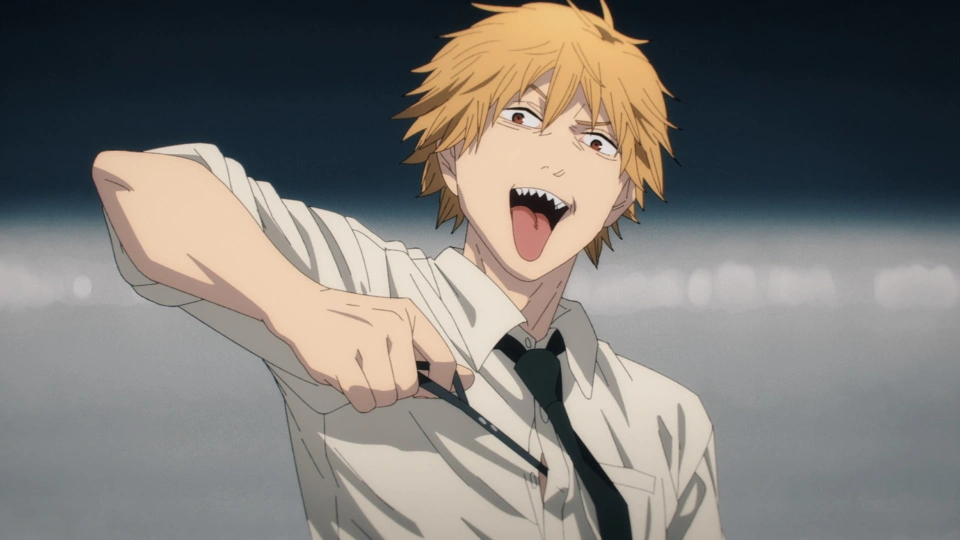
Denji’s entire personality runs on a hunger most people resolve by the time they’re ten years old — real food, a real bed, someone’s hand to hold. He spent his whole childhood without any of it, and Fujimoto never lets you forget that his bluntness and his crude jokes are sitting directly on top of a kid who’s never once been allowed to want something simple and actually get it.
The chainsaw didn’t change what he wanted. It just gave him a way to survive long enough to want it louder.
Strengths:
👍 Adapts fast in total chaos
👍 Disarmingly, simply honest
👍Fights without overthinking
Weaknesses:
👎 Easily used through affection
👎 Mistakes attention for real love
👎 Can’t plan further than tonight
Archetype: Dorama-kei — emotionally blunt on the surface, with every crude joke sitting directly on top of a real wound. The depth isn’t hidden on purpose. He just never learned a better way to talk about wanting things.
MBTI: ESTP — The ESTP who never had the safety to plan further ahead than tonight, and built an entire personality around that.
If you got Denji: You want simple things, and you want them with an intensity that surprises people who assume simple means small. That’s not naivety — it’s the honest result of having gone without basic comfort for long enough that you stopped pretending you didn’t need it.
You’re easy to read in the moment and easy to underestimate long-term, which works in your favor more often than people expect. The risk is that your hunger for connection makes you generous with trust you haven’t fully verified yet. Wanting a normal life isn’t a flaw. Confusing attention for love is the part worth watching.
“Every single time I meet a girl, she ends up trying to murder me!!”
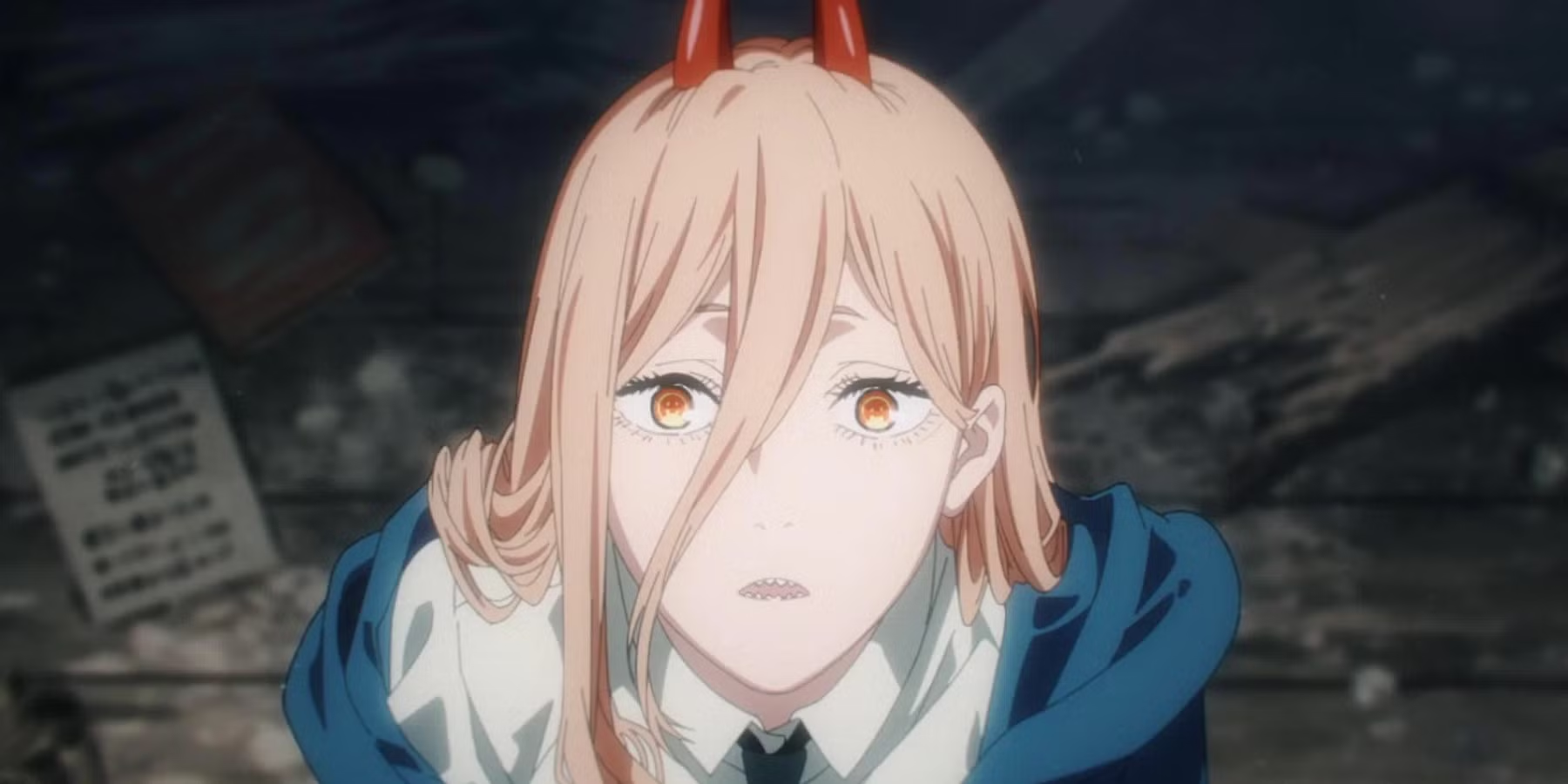
POWER
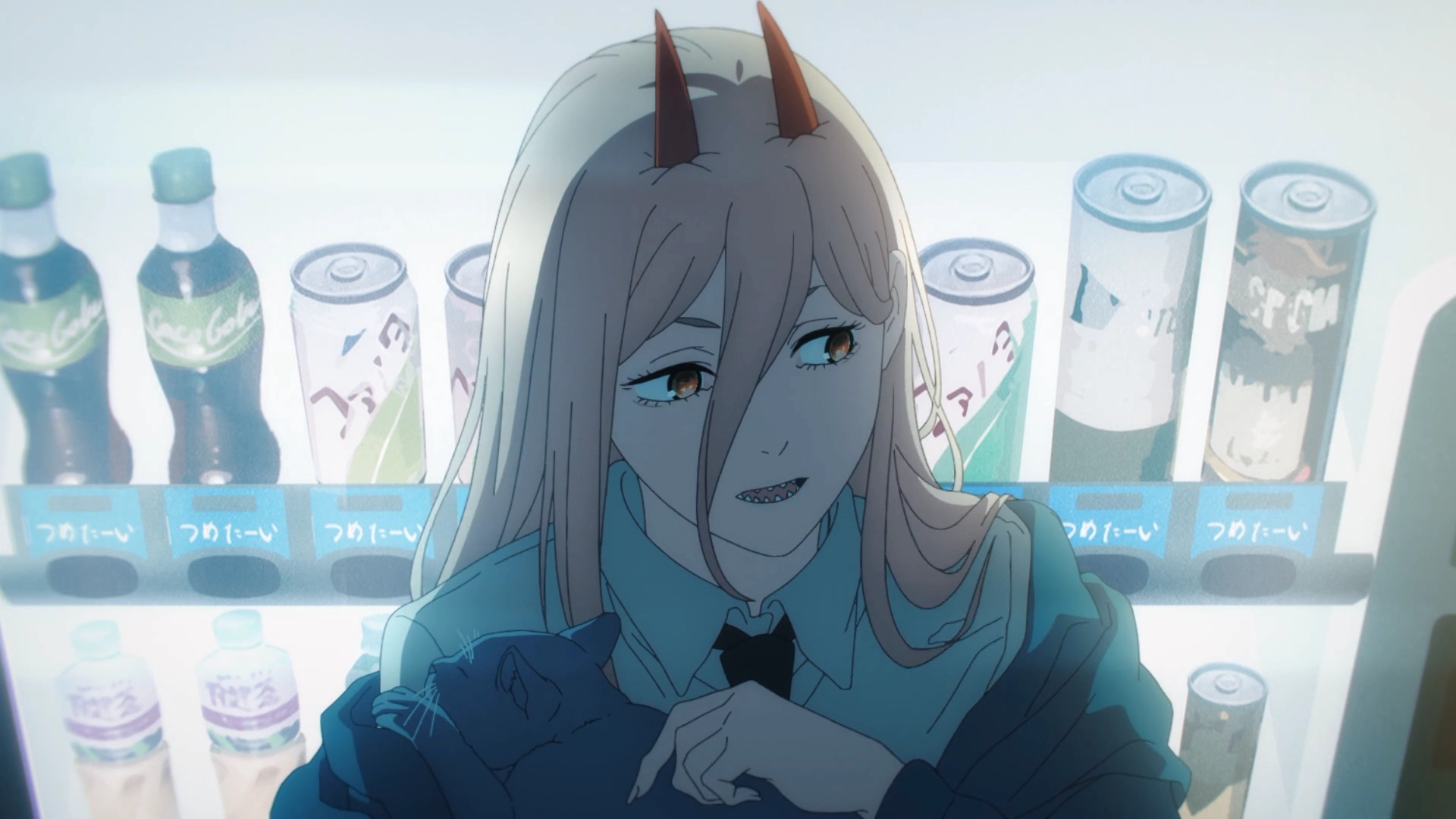
Power talks like she answers to nobody and genuinely believes most of it herself — loud, boastful, allergic to authority, completely convinced of her own superiority. Underneath the chaos is a Fiend who’s never had a real friend before, has no framework for what that actually requires, and is quietly terrified of how much she’s started to care once she finally gets one.
Her growth happens in split-second choices she’d never announce, because announcing it would mean admitting she changed.
Strengths:
👍 Fearless under direct threat
👍 Fiercely protective once attached
👍 Adapts to chaos without flinching
Weaknesses:
👎 Struggles with basic cooperation
👎 Self-image inflated past reality
👎 Compulsively dishonest under pressure
Archetype: Tsundere — loud, dismissive, allergic to anything that looks like sincerity, right up until someone she actually cares about is in danger and the mask drops completely.
MBTI: ESFP — The ESFP who talks like every room owes her an audience, and somehow still means every word once it actually matters.
If you got Power: You take up space without apologizing for it, and most people read that as confidence before they realize how much of it is armor. The loyalty underneath shows up suddenly and completely, usually surprising you as much as anyone else, because you didn’t plan on caring this much and now you’re stuck with it. The bravado isn’t the problem.
What’s worth noticing is how hard you make it for people to see the loyalty before you’ve already proven it with something irreversible.
“If you’re gonna kill me, then kill me. If you’re gonna eat me, then eat me. But you better remember I tasted awful.”
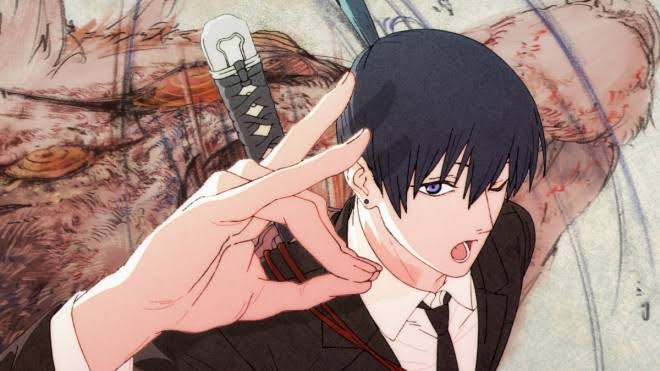
AKI HAYAKAWA
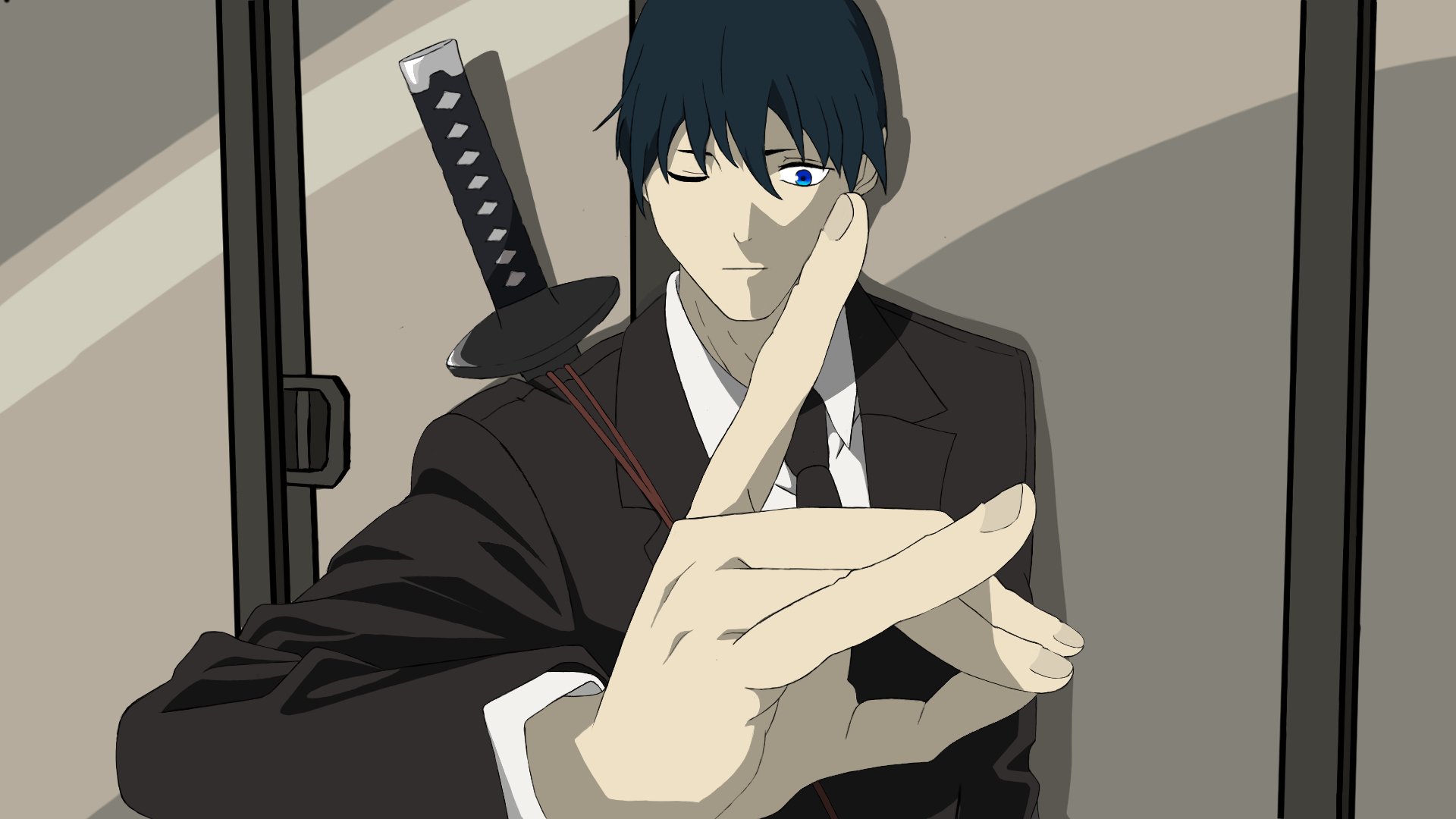
Aki runs on grief and discipline in equal measure — the Gun Devil took his family when he was young, and he’s been converting that loss into structure ever since. He joined Public Safety specifically to kill it, which means every mission, every partnership, and every rule he follows is in service of a single endpoint he hasn’t reached yet.
The tragedy isn’t that he’s cold. It’s that somewhere between the revenge and the job, he quietly started caring about people he never planned to care about at all — and that caring keeps costing him more than the revenge ever did.
Strengths:
👍 Calm and methodical under pressure
👍 Deeply loyal once trust is given
👍 Reads people and threats accurately
Weaknesses:
👎 Struggles to ask for support
👎 Revenge narrows his whole focus
👎 Suppresses grief instead of processing
Archetype: Kuudere — disciplined and detached on the surface, entirely as a survival mechanism rather than genuine coldness. Aki’s softness is real. It just takes losing someone new for it to surface.
MBTI: ISTJ — The ISTJ whose sense of duty survived losing everything, and quietly rebuilt itself around two people he never asked to need.
If you got Aki: You carry weight quietly, and most people don’t realize how much of it is still active until something forces it to the surface. Your discipline isn’t about control for its own sake — it’s the structure you built after losing something you couldn’t protect, and you’ve been maintaining it ever since out of fear that letting it slip means losing something again.
The people you actually let close get a loyalty most relationships never see. The hard part is recognizing when the grief has stopped protecting you and started running the whole show without your permission.
“Kon.”
MAKIMA
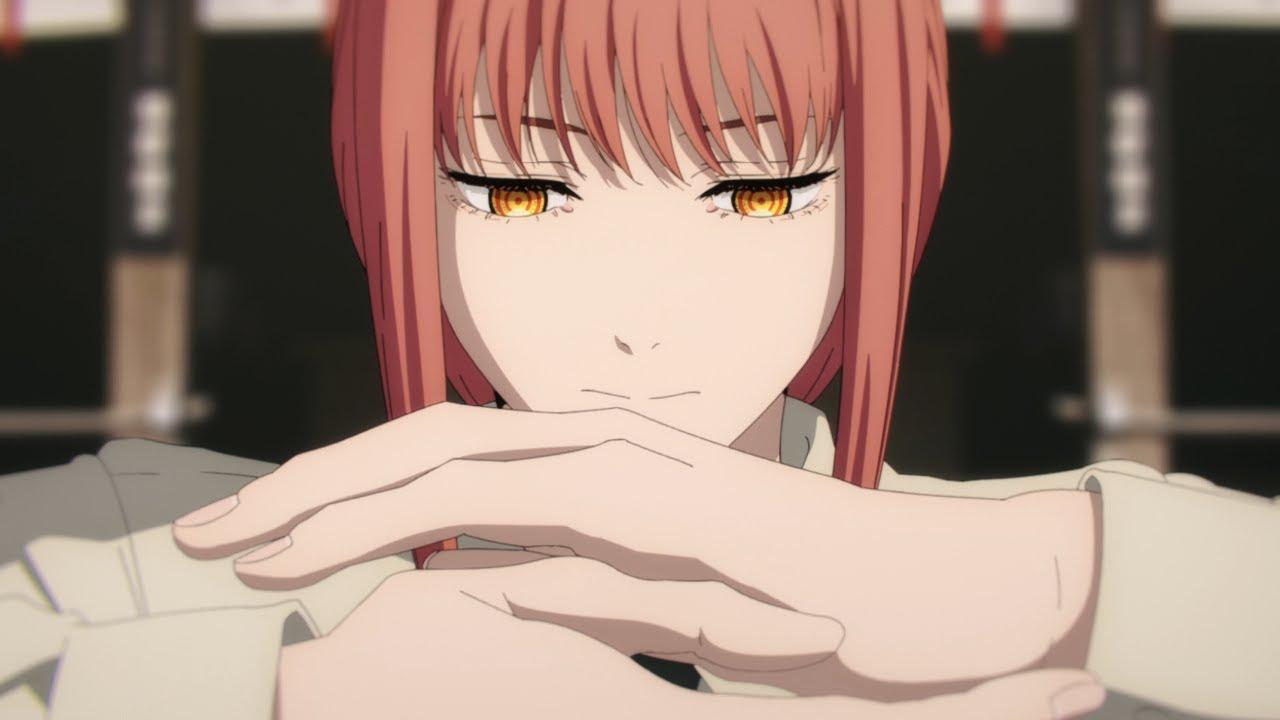
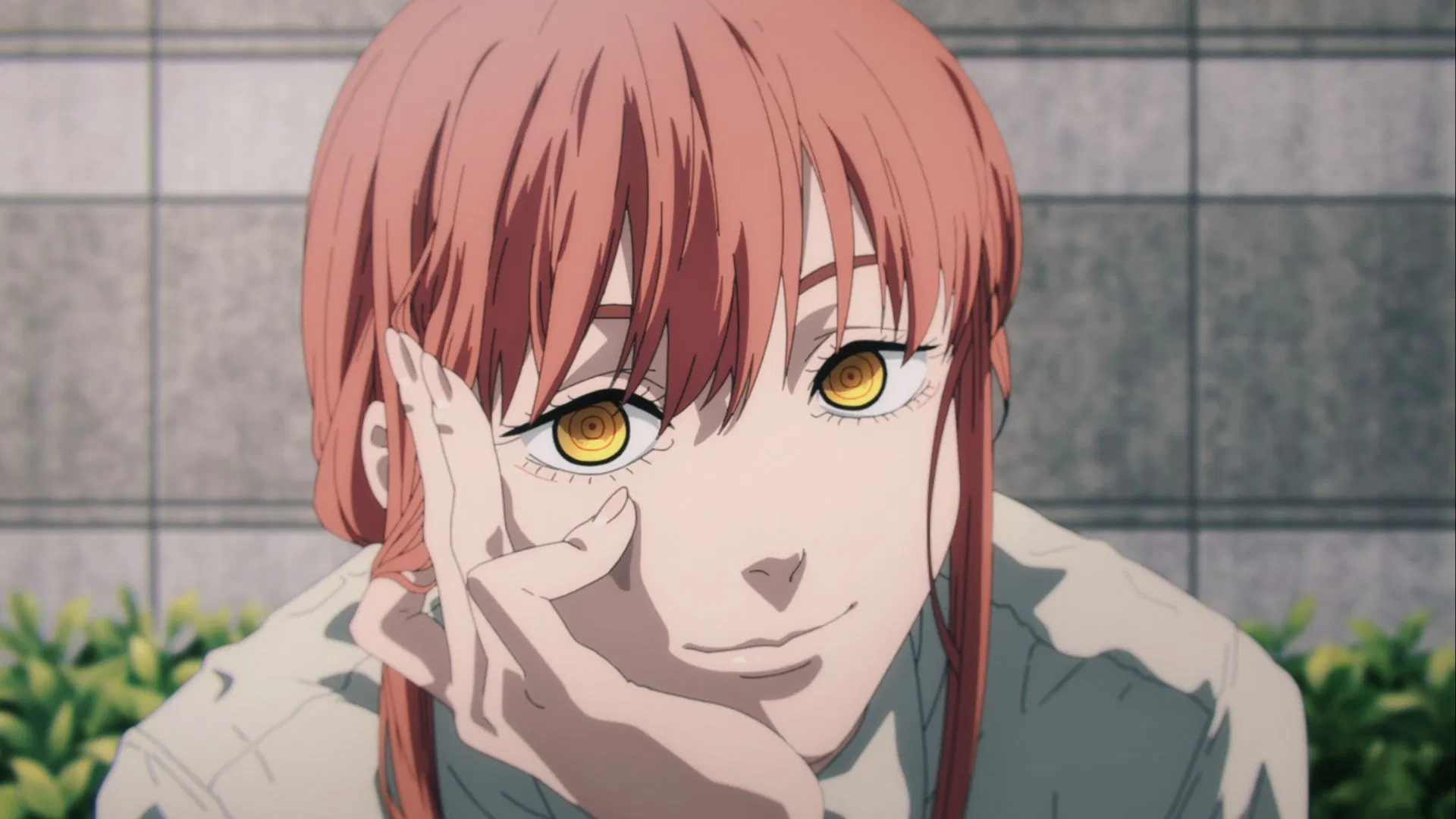
Makima is the most controlled person in any room she enters — composed, precise, and genuinely difficult to read beneath the professional warmth she projects. She took Denji in, gave him a job, a place to live, and something close to purpose. She manages everything around her with a patience that feels almost architectural.
The Reze Arc made one thing clear: her kindness and her control are the same gesture, just aimed at different things. What she’s actually building underneath all of it is a question the series keeps open — deliberately.
Strengths:
👍 Reads people’s motives instantly
👍 Absolute composure under any threat
👍 Strategic across impossible timelines
Weaknesses:
👎 Incapable of equal relationships
👎 Mistakes domination for connection
👎 Profoundly, permanently isolated
Archetype: Yandere — but stripped of the usual chaos that label implies. Makima’s devotion is calm, patient, and total, which makes it significantly more unsettling than anything loud could ever be.
MBTI: ENTJ — The ENTJ who decided unpredictability was the only real enemy left, and built an entire worldview around eliminating it.
If you got Makima: You read situations and people with a clarity most others never develop, and that clarity makes you genuinely effective in ways that look almost effortless.
The risk sits in how you define care — if love and control have started feeling like the same instinct to you, that’s worth examining honestly rather than explaining away. You’re not incapable of warmth. You’re capable of believing your version of warmth is the only one that actually works, which is a much harder thing to notice from the inside.
“Dogs are happiest when they’re owned.”
HIKICHAT:


Your Result Was Decided Before You Clicked Start.
Everyone in this cast wanted something simple underneath all the carnage — a normal life, a real friend, a finished act of revenge, a world with no unpredictability left in it. Denji, Power, Aki, Makima. Four completely different ways of wanting something, and four very different prices paid for chasing it.
FAQ:
Devils are born from human fears — the stronger the fear, the stronger the Devil. When a Devil dies in the human world, it reincarnates in Hell. When it dies in Hell, it comes back to the human world. The cycle never stops, which means Public Safety isn't actually solving anything. They're just managing it — and every character in this quiz knows that on some level.
A Devil takes over a human corpse entirely, overwriting the original personality. Power is a Blood Fiend — the Blood Devil in a human body — which is why she has horns and why her relationship with humanity is fundamentally different from Denji's or Aki's. She's not pretending to be human. She's just decided humans are occasionally worth tolerating.
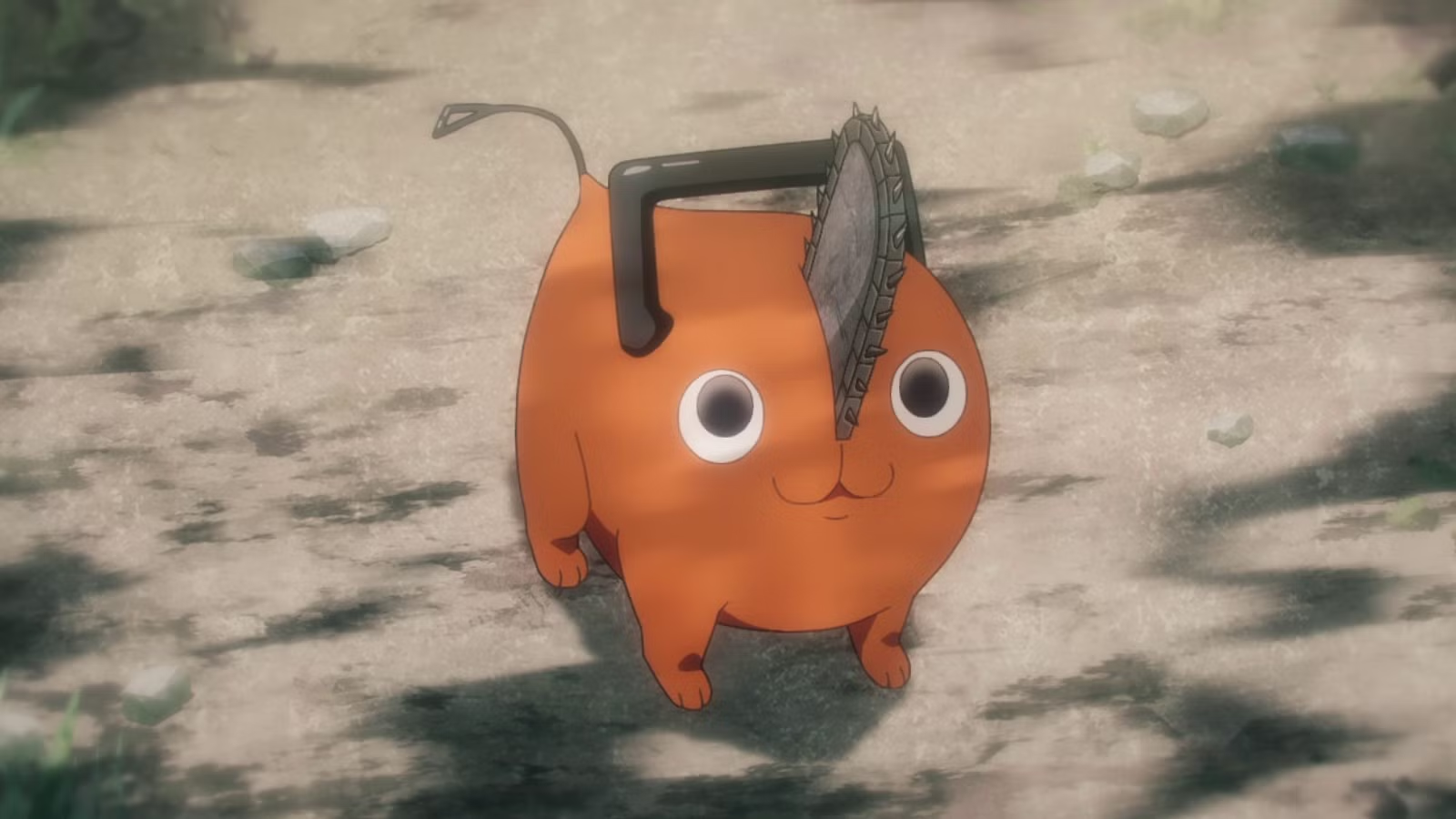
Pochita gave Denji his heart — literally — in exchange for Denji living a full life and showing Pochita his dreams. Everything that happens afterward is the cost and the continuation of that contract. Every time Denji wants something as small as good food or someone's hand to hold, that's the contract playing out in real time.
Because Fujimoto wrote her that way on purpose. Her warmth, her attention, her apparent investment in Denji — none of it reads as obviously fake because it isn't entirely fake. She's built her control to feel indistinguishable from care, which is exactly what makes her unsettling rather than just villainous.
Same output, completely different engine. Denji (ESTP) acts without thinking because he genuinely never learned to plan ahead — survival was always the only timeline available. Power (ESFP) acts without thinking because she's never had to answer to anyone and doesn't see why she should start. The behavior looks identical from the outside. The reason behind it couldn't be more different.
Because Makima's control runs through people, not around them. INTJs build systems and minimize reliance on others to execute them. Makima's entire method is managing humans directly — keeping them close, making them feel chosen, giving them purpose that serves her. That's a fundamentally extroverted form of domination, even when it looks quiet from the outside.