

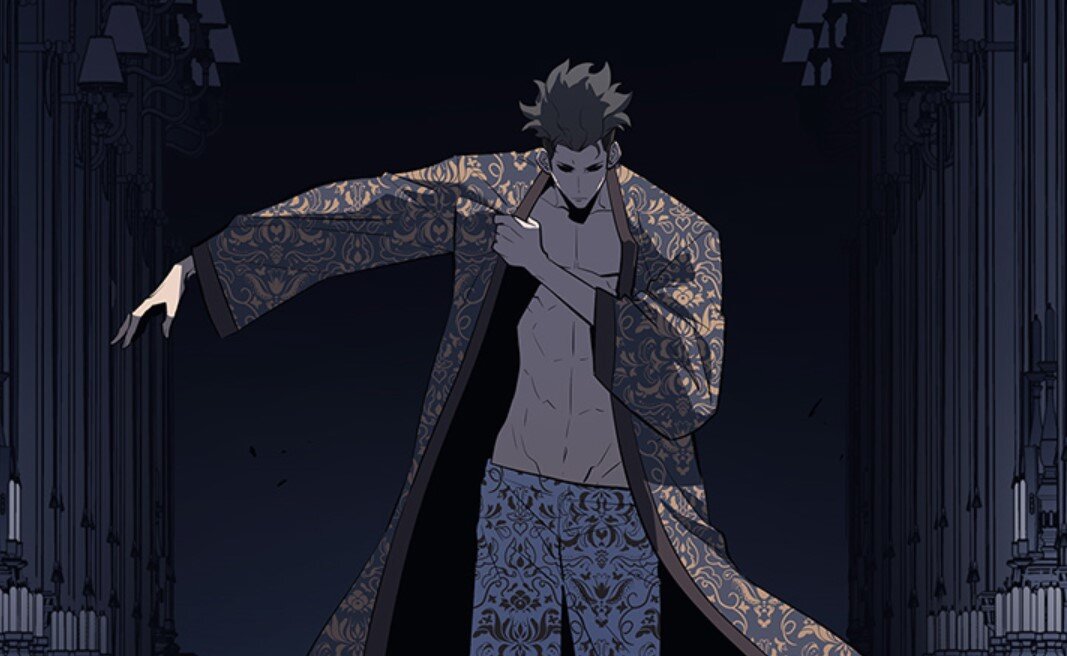



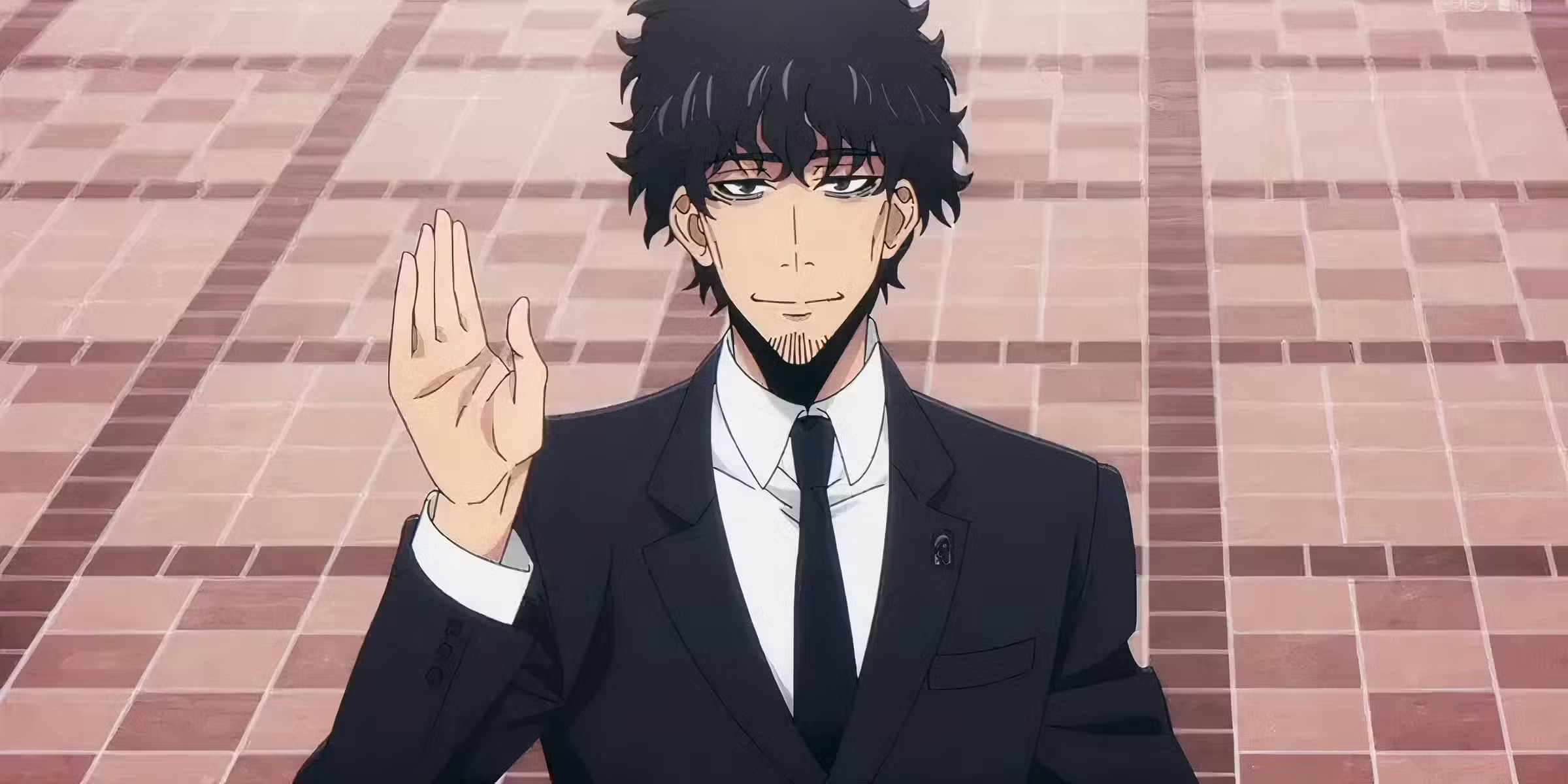








S-Rank abilities don’t get chosen — they get read. The moment you awaken, your mana signature locks into something specific: a fire nobody else can control the way you do, a transformation that finally matches what’s been building inside you, a sword technique so precise it looks like something other than fighting. Nobody picks their ability. It just turns out to have been there the whole time.
You’ve watched S-Rank hunters reshape entire battlefields with a single decision. Now it’s time to find out what your decision would look like.
Your ability isn’t going anywhere. Let this lo-fi cover hold things steady for a few minutes while you find out what it is.
Twenty questions won't trigger your awakening. They'll just tell you what already woke up.
- Pick the perfect atmosphere for your quiz journey – just pick one of the buttons above and set the mood.
- Relax – our quizzes aren’t MIT entrance exams 😉 They’re here to entertain you and deepen your connection with anime characters (and yourself).
- If none of the answers fit 100%, just choose the closest one – it’s enough for an accurate result.
- Enjoy the process — there are no right or wrong answers here.
- Try taking the same quiz more than once — sometimes the second result is the most surprising.
- Don’t forget to share your result with friends and invite them to find their anime self too!
The Ability Was Never the Point — Why Solo Leveling’s S-Rank Powers Reveal More Than They Destroy
Most power systems in anime hand out abilities as labels — fire guy, sword guy, healer. Solo Leveling does something more interesting: it builds each S-Rank ability as a direct extension of how that hunter actually thinks. The power isn’t a random draw. It reads like a personality test with real consequences.
Global Ratings:
The mechanics are straightforward on paper. The moment a hunter awakens at S-Rank, their mana signature locks into something specific — a combat identity that stays with them for life and shapes every decision they make inside a gate.
The pattern holds across every S-Rank in the series. The ability doesn’t define the hunter — it surfaces from them, shaped by instincts and priorities that were already there before the mana had anything to organize itself around.
Users Ratings:
That’s why two hunters with similar power types still fight completely differently, and why knowing someone’s ability tells you something real about who they are, not just what they can do. S-Rank abilities aren’t weapons you pick up. They’re the thing that was already waiting inside, finally given enough room to show itself.
Your Mana Signature Has Already Manifested
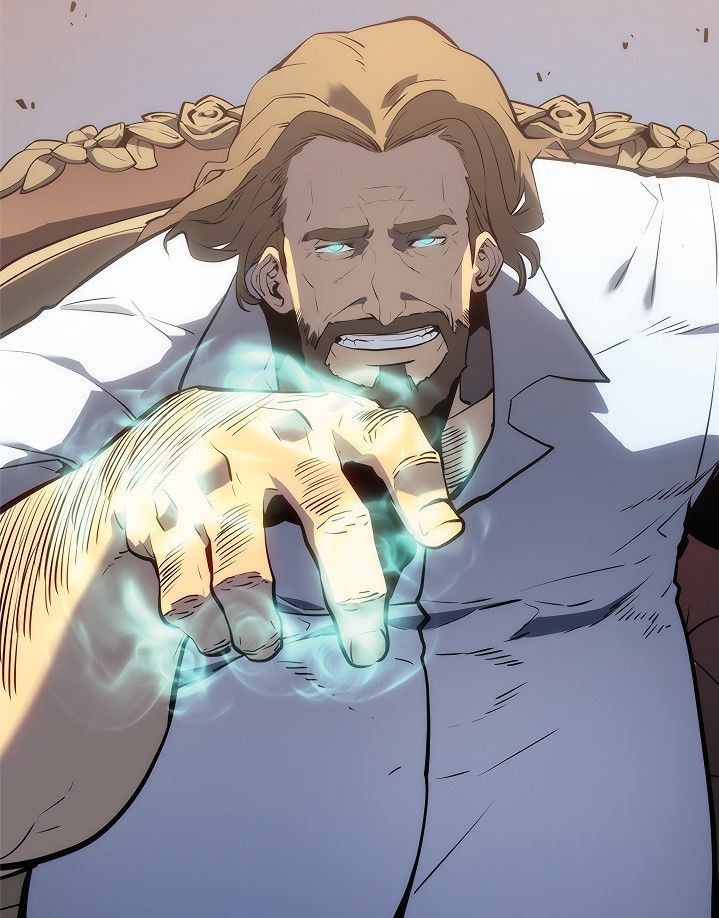
FIRE MAGIC / Choi Jong-In

Ability:
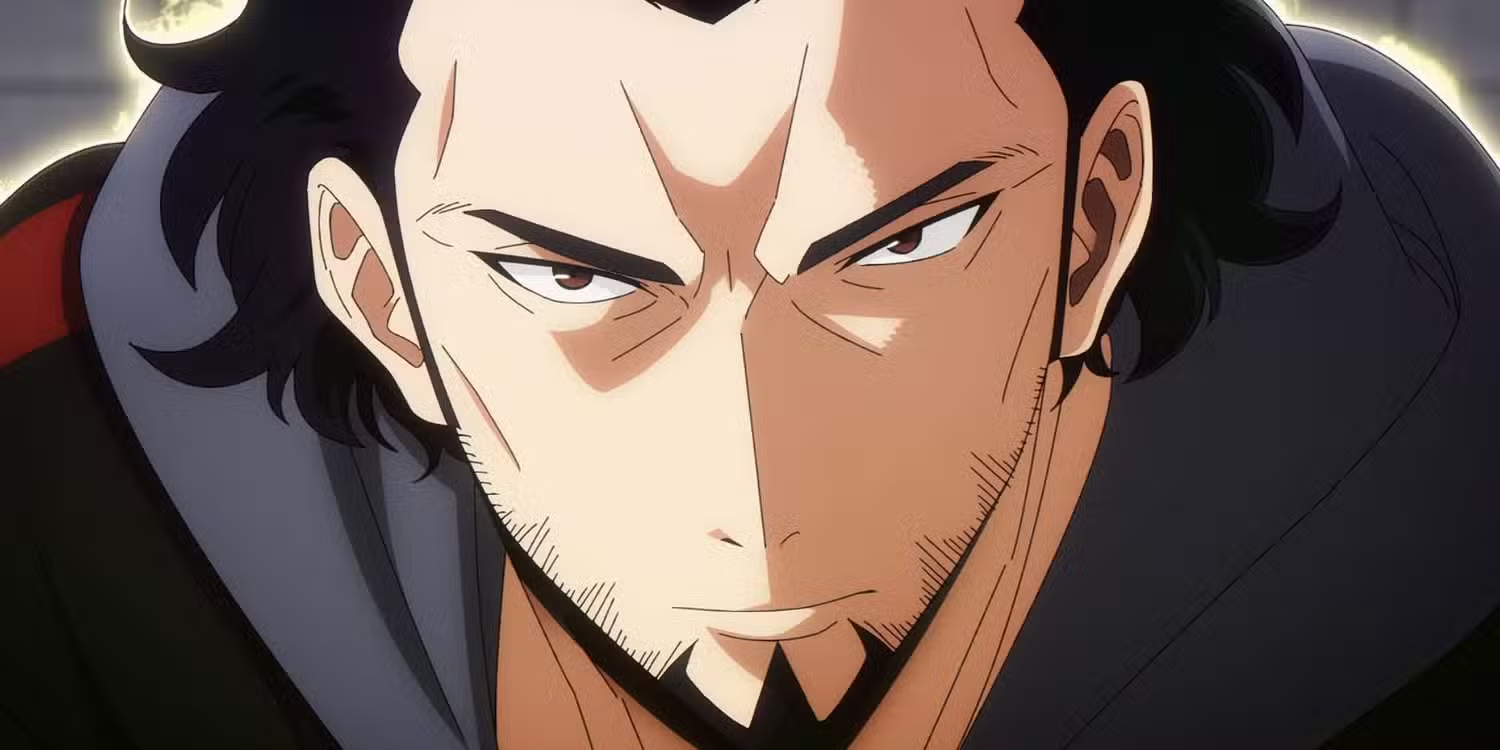
Fire Magic at S-Rank level isn’t just destruction — it’s destruction with surgical control. Jong-In can summon Flame Spears for precise single targets, generate Flame Prisons capable of containing B-Rank beasts, and unleash Flame Dragons for devastating close-range bursts. His ultimate skill End of Days resets all cooldowns mid-battle, giving him effectively limitless firepower when the situation demands it — and the discipline to never burn that card before it’s actually needed.
User:
Jong-In’s defining trait isn’t the scale of his fire. It’s that he never once uses it impulsively. He maintained consistent, extensive firepower throughout the entire fourth Jeju Island Raid — one of the most demanding battles in the series — and walked away having burned exactly what needed burning, nothing more. The fire matches the mind: overwhelming in scale, precise in execution.
Strengths:
👍 Massive, precise output
👍 Tactical at full power
👍 End of Days resets skills
Weaknesses:
👎 Weak at close range
👎 High mana cost
👎 Needs open space
Archetype: Kuudere — calm and strategically composed on the surface, with something overwhelming underneath that only surfaces when the situation actually earns it.
MBTI: INTJ — The INTJ who could burn everything in the room and chooses, every time, to burn only exactly what needs to go.
If your ability is Fire Magic: You operate best when you have room to work — space to calculate, space to choose exactly where the output goes, space to make sure nothing you didn’t intend to burn actually catches.
You’re not reckless. You’re the opposite: someone who could do enormous damage on impulse and chooses, consistently, not to. That restraint is the actual ability. The fire is just what it looks like from the outside. The risk is that controlling everything so precisely eventually becomes exhausting, and the moments you let the calculation slip are the moments the fire goes somewhere unintended.
“Distance isn’t fear. It’s strategy.”
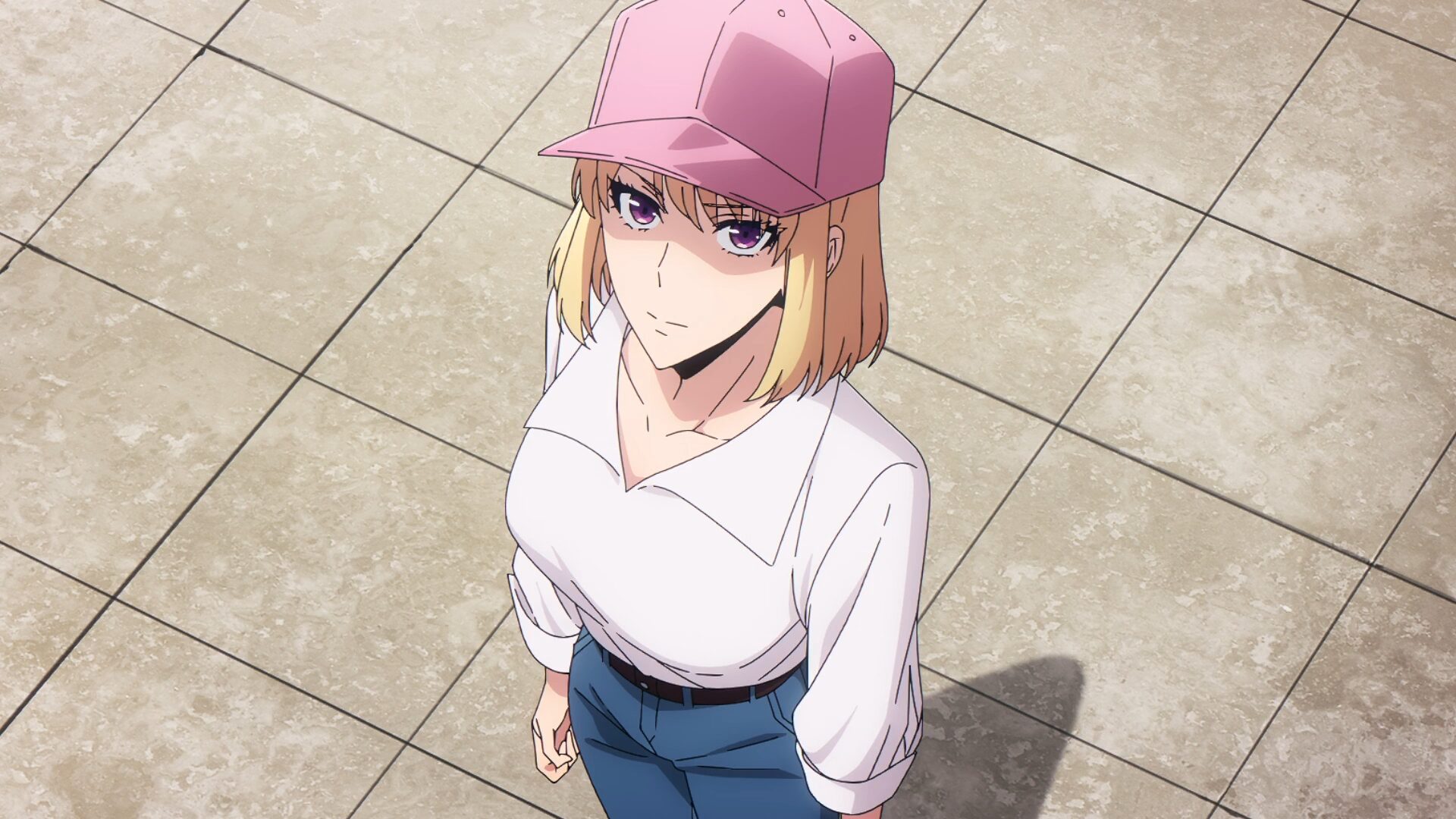
SWORD MASTERY / Cha Hae-In
Ability:
Cha Hae-In’s swordsmanship operates at a level that consistently surprises hunters who assume they know what a sword fight looks like. Her Sword Dance dramatically enhances attack speed to the point where her movements appear fluid and untouchable — she landed 14 consecutive strikes on an S-Rank opponent in a sparring session the opponent couldn’t fully track. Her Sword of Light pushes that further, combining aura-enhanced strikes into a barrage capable of overwhelming most combat threats before they can establish a counter.
User:
Hae-In’s athletic background shows in how she fights — the footwork, the speed, the precision that makes the sword technique look like choreography rather than combat. She earned the nickname “The Dancer” not because she wanted it, but because the people watching couldn’t find a better word. Her heightened mana sensitivity means she reads enemy movements before they complete, which turns a close-range ability into something that operates almost like pre-cognition in practice.
Strengths:
👍 Unmatched close-range speed
👍 Mana sense reads threats early
👍 Elite precision, any blade
Weaknesses:
👎 Much weaker at long range
👎 Range enemies avoid her reach
👎 Open terrain limits output
Archetype: Kuudere — composed and precise, doing more with less noise than almost anyone else on the field, and uncomfortable with the reputation it builds around her.
MBTI: ISTJ — The ISTJ who trained until perfect looked effortless, and still finds the nickname embarrassing.
If your ability is Sword Mastery: You’ve trained longer than most people realize, and the result looks deceptively easy from the outside — which is the point. You don’t fight with flash. You fight with precision built from repetition that nobody watched happen in real time. Up close, almost nothing matches you.
The risk is that the things you’re exceptional at are so specifically built for one kind of problem that different terrain exposes gaps you’ve never had to fill. The answer isn’t doing everything — it’s staying close enough to what you’re actually built for that the gaps rarely matter.
“I fight because it’s the only thing I’m good at.”
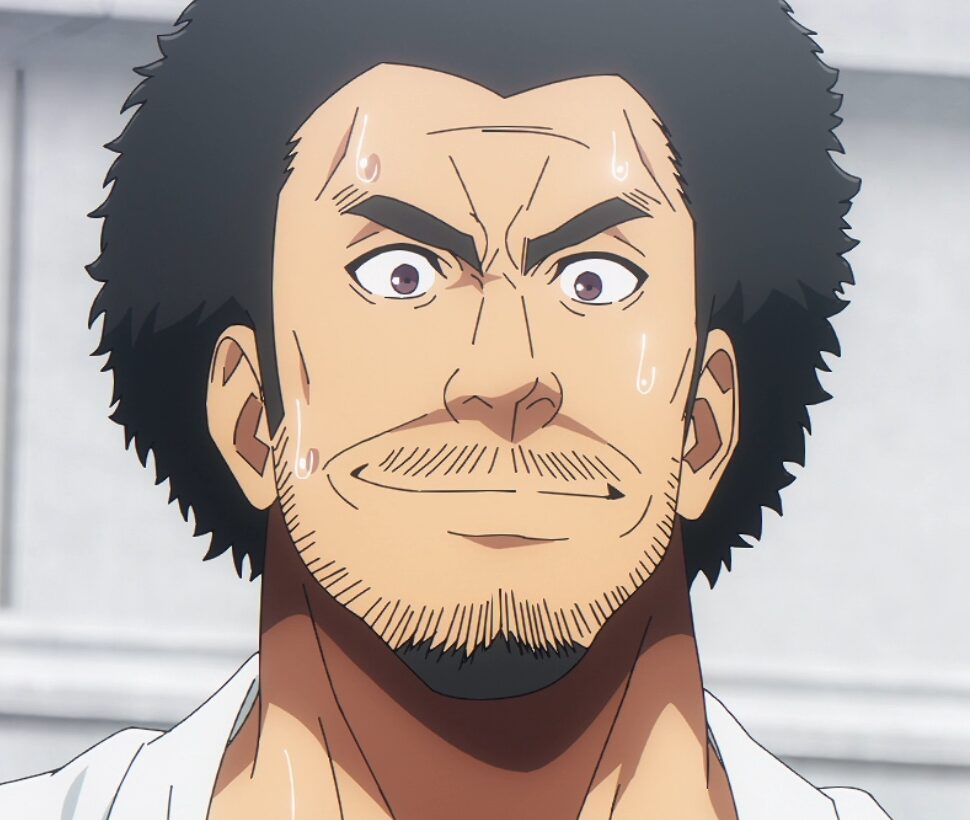
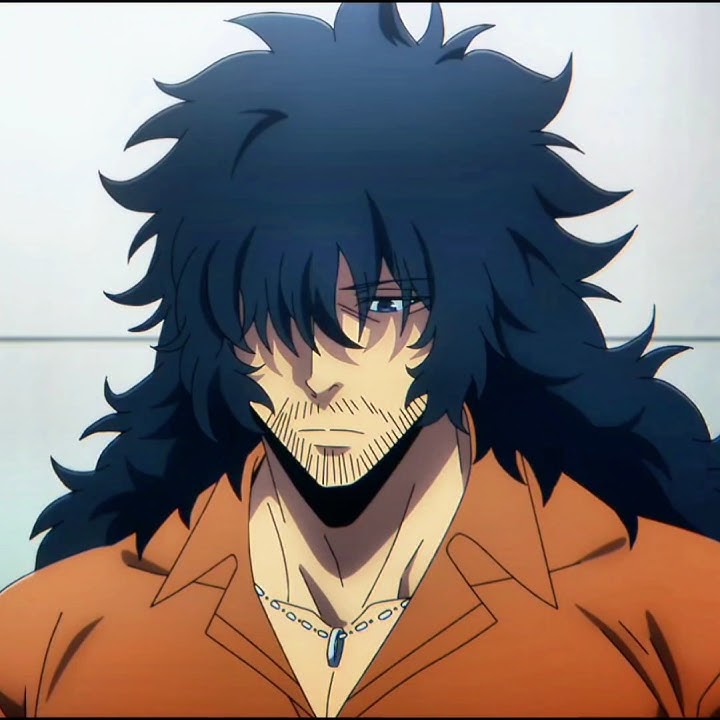
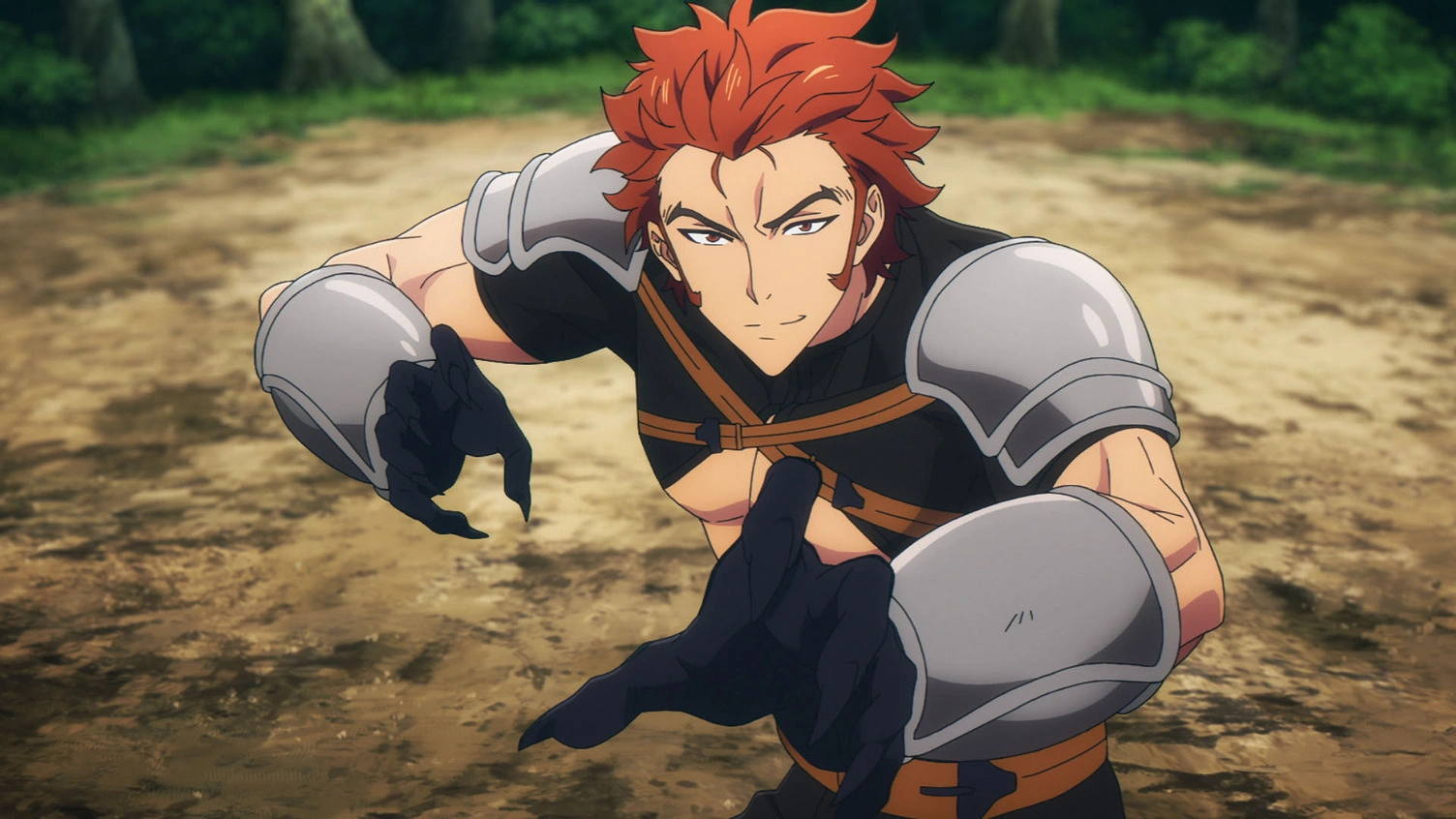
BEAST TRANSFORMATION / Baek Yoonho
Ability:
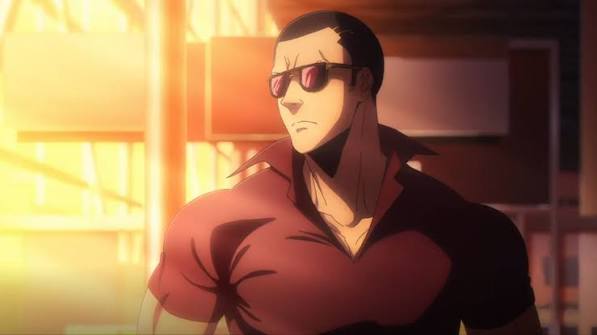
Baek Yoonho’s Transformation Magic converts his body into a beast form with skin equivalent to reinforced steel, strength capable of stopping rushing groups of elite monsters, and reflexes that make him faster than most hunters can track. In this form he functions as an effective anchor for an entire raid — taking damage no one else could absorb, holding enemies in position so the rest of the team can operate, and turning his own body into the most durable thing on the battlefield.
User:
Yoonho considers his beast form unsightly. He uses it anyway, without complaint, because the form isn’t about how it looks — it’s about what it protects. The willingness to become something others find intimidating, for the sake of the people behind him, is the entire point. His value in a raid isn’t measured by his kill count. It’s measured by how many people walk out of a fight they wouldn’t have survived without him in front.
Strengths:
👍 Skin like reinforced steel
👍 Anchors the whole raid line
👍 Fast and strong in beast form
Weaknesses:
👎 Lower burst than mage types
👎 Weaker in solo encounters
👎 Transformation has hard limits
Archetype: Oresama — commanding and physically dominant, with a protective warmth underneath that makes the intimidating exterior feel completely earned.
MBTI: ESTJ — The ESTJ who’d rather be the most useful thing in the room than the most impressive one.
If your ability is Beast Transformation: You’re most useful in the middle of a situation other people are trying to survive, absorbing what they can’t and holding the line so they have room to actually do their job.
You don’t need to be the one who lands the finishing blow. You need the team to make it out, and you’ve long since made peace with the fact that credit doesn’t always follow contribution the way it should. The risk is overextending — being everywhere for everyone until the form that’s supposed to be indestructible starts running thin. Even reinforced steel has limits. Knowing yours is part of what keeps everyone else safe.
“My people come first. That’s not negotiable.”
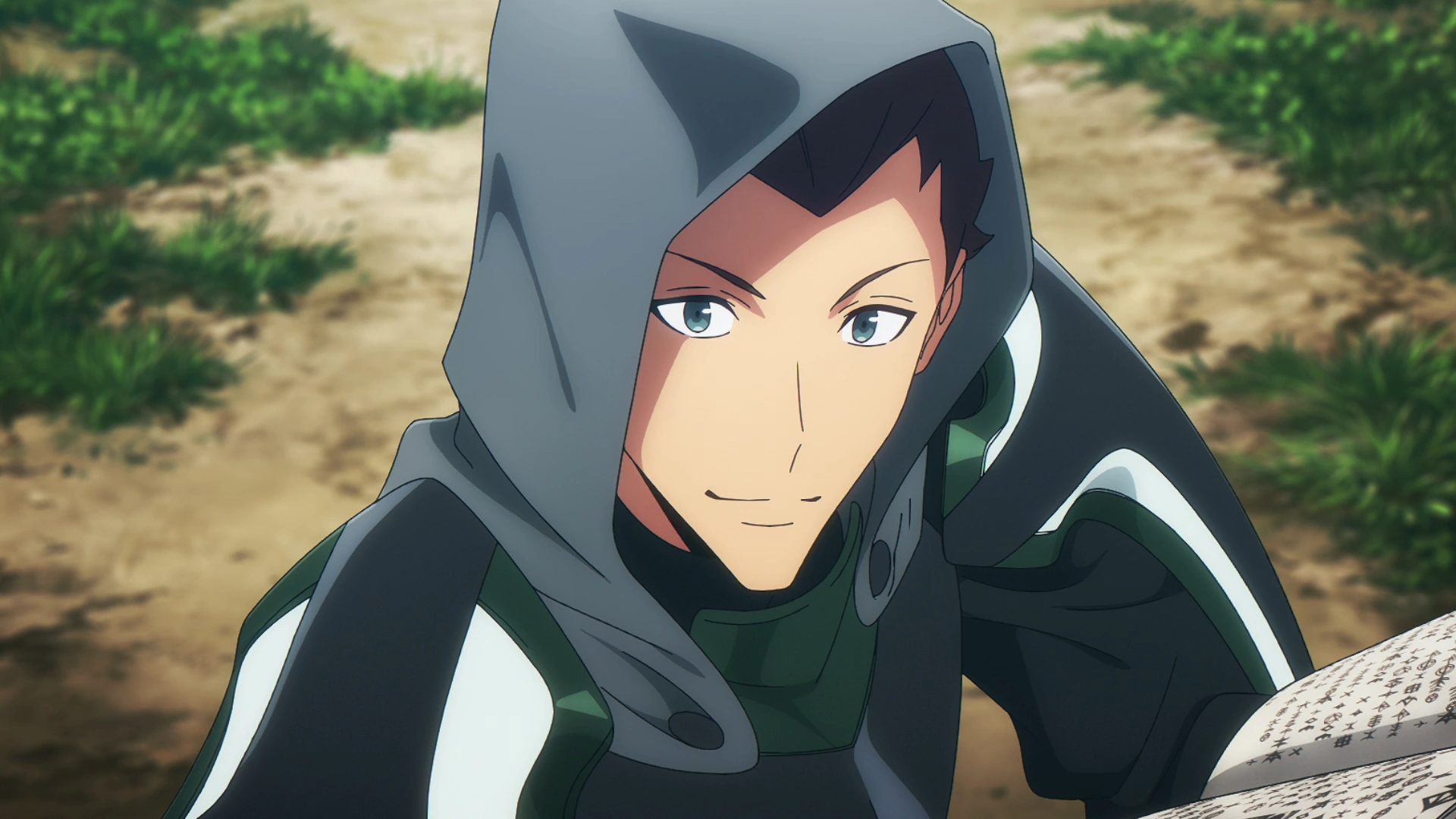
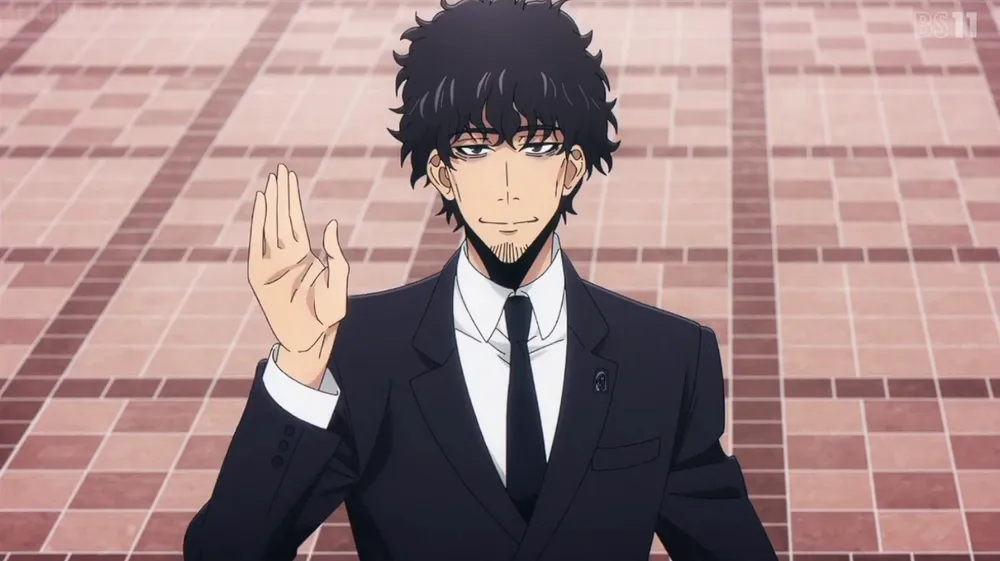
MANA ARCHERY / Lim Tae-Gyu
Ability:
Lim Tae-Gyu generates a bow from pure magical energy and fires Mana Arrows capable of penetrating even the strongest armor at extreme range — accurate enough to function as a sniper even at distances of kilometers. His projectiles bypass the physical resistance that stops conventional attacks, and his position at the back of any formation determines how much damage the front line absorbs before anyone in melee range swings a weapon.
User:
Tae-Gyu’s value in a raid is the kind that gets taken for granted until it’s gone. He doesn’t need to be in the fight to control its outcome. His read on the battlefield happens from a distance that makes him nearly untouchable, and the arrows he sends in have already accounted for targets the front line hasn’t even reached yet. He’s described as lacking confidence in his abilities — which makes the consistent, high-level output he delivers anyway all the more telling.
Strengths:
👍 Armor-piercing at any range
👍 Controls field from distance
👍 Near-untouchable at max range
Weaknesses:
👎 Exposed if enemies close in
👎 Needs clear sightlines always
👎 Repositioning takes real time
Archetype: Kuudere — composed and precise from a distance, reads situations clearly before anyone else has established position, and rarely needs to say much about it afterward.
MBTI: INTP — The INTP who solved the fight from three hundred meters away while everyone else was still figuring out where to stand.
If your ability is Mana Archery: You do your best work when you have a full picture of what’s happening before you commit to anything — and the ability to affect the outcome without being at the center of it. You’re not avoiding the fight.
You’re controlling it from the only position that actually lets you see all of it at once. The risk is that operating from a distance long enough eventually makes the close-range moments feel impossible, because you’ve built an entire system around never needing them. Some situations don’t give you the distance you need. Knowing what to do when that gap closes is the part worth practicing.
“The front line holds because I’m watching it.”
Solo Leveling S-Rank Hunters CHAT:


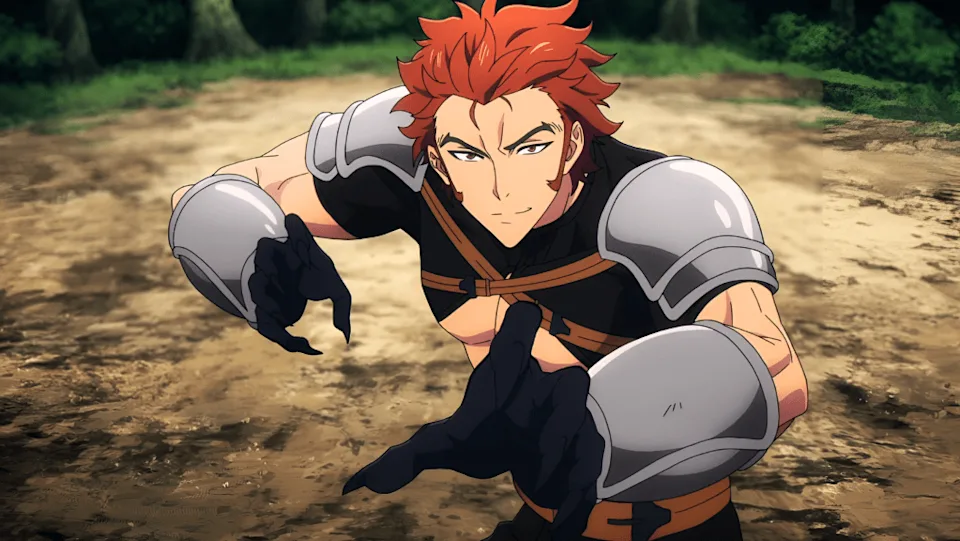
The Mana Was Already There. The Quiz Just Named It.
Every S-Rank ability in Solo Leveling solves the same problem differently — how do you survive a battlefield that’s trying to kill everything on it?
Fire Magic burns it at scale. Sword Mastery cuts through it precisely. Beast Transformation absorbs it so others don’t have to. Mana Archery eliminates it before it reaches you. None of them are better than the others. They’re just built for different minds, and different kinds of pressure.
FAQ:
When a hunter awakens, their mana signature is read by a mana meter and assigned a rank from E to S. S-Rank mana output is so high the meter can't measure it — which is also why the power gaps within S-Rank itself are the most extreme of any tier. Two S-Rank hunters can be separated by an enormous gulf of actual strength, even though they share the same official classification.
The core ability stays fixed — a fire mage stays a fire mage. What evolves is the technique built around it. Hunters like Cha Hae-In develop multiple fighting methods within their core ability over time (Sword Dance, Sword of Light), but these build on a single foundational power rather than replacing or adding a second one. The only known exception to the fixed-ability rule is a second awakening, which is described as extremely rare.
Because raids require different roles simultaneously. A pure damage dealer like a fire mage is essential for clearing large groups, but useless for absorbing boss aggression. A tank-type who can hold a boss in place while the team operates is essential for a different reason entirely. The most effective raid parties balance these roles — which is why an S-Rank healer like Min Byung-Gyu, despite being physically weaker than most S-Ranks, was considered one of Korea's most irreplaceable hunters.
Yes — and the series makes a point of it. Yuri Orloff's barrier magic is almost entirely defensive, with limited offensive application. Min Byung-Gyu's healing ability has no offensive component at all. Both are classified S-Rank because of mana output, not fighting capability. This is part of what makes the ranking system interesting — S-Rank is a measure of mana, not necessarily a measure of how dangerous someone is in a direct fight.
National Level is an informal tier above S-Rank, created after the Kamish Raid to acknowledge hunters whose power exceeds what the standard classification was built to describe. Five hunters hold this status across the entire series, each carrying authority equivalent to a nation's military. The gap between a strong S-Rank and a National Level Hunter is described as comparable to the gap between ranks lower down the scale — significant enough that most S-Ranks can't meaningfully challenge them.