







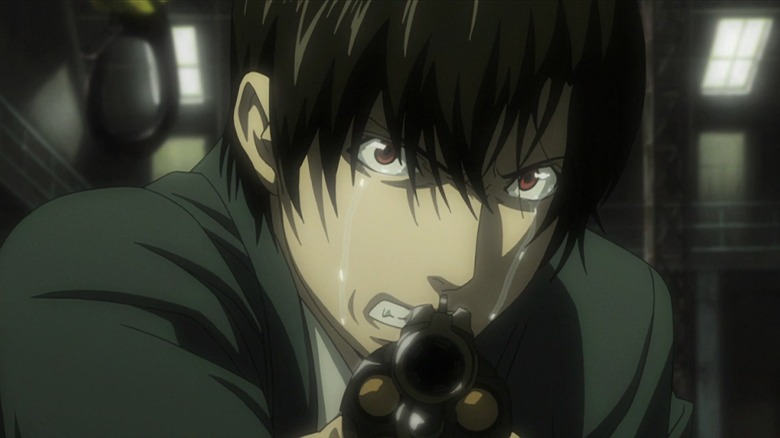


A notebook falls from the sky. It kills anyone whose name is written in it. In the wrong hands — or the right ones, depending on who you ask — it becomes the most consequential object in human history.
Death Note isn’t really about the notebook. It’s about what people do when the consequences of their beliefs stop being theoretical. When the power to act on what you’ve always thought is suddenly real, and the only question left is whether you were actually right. Find out which character you’d be when that moment arrives.
The notebook is already open. Let this lo-fi cover hold the silence before you find out whose name you’d write — or whose you’d be.

The question this quiz is actually asking isn't which character you like. It's which one you actually are when the stakes become real.
- Pick the perfect atmosphere for your quiz journey – just pick one of the buttons above and set the mood.
- Relax – our quizzes aren’t MIT entrance exams 😉 They’re here to entertain you and deepen your connection with anime characters (and yourself).
- If none of the answers fit 100%, just choose the closest one – it’s enough for an accurate result.
- Enjoy the process — there are no right or wrong answers here.
- Try taking the same quiz more than once — sometimes the second result is the most surprising.
- Don’t forget to share your result with friends and invite them to find their anime self too!
The Notebook Is Just the Test — Why Death Note Is Still the Most Psychologically Precise Thriller in Anime
Death Note works less like a standard thriller and more like a high-stakes thought experiment: what happens when an exceptionally smart person gets total power without consequences? Over thirty-seven episodes, the series shows that high intelligence doesn’t prevent terrible mistakes—it just makes them catastrophic.
Global Ratings:
Users Ratings:
Ultimately, Death Note endures because it isn’t just about clever mind games or iconic visual quirks. It remains a sharp, unresolved debate on justice, power, and the danger of believing your own intelligence makes you infallible.
The Notebook Already Knows What You’d Do With It
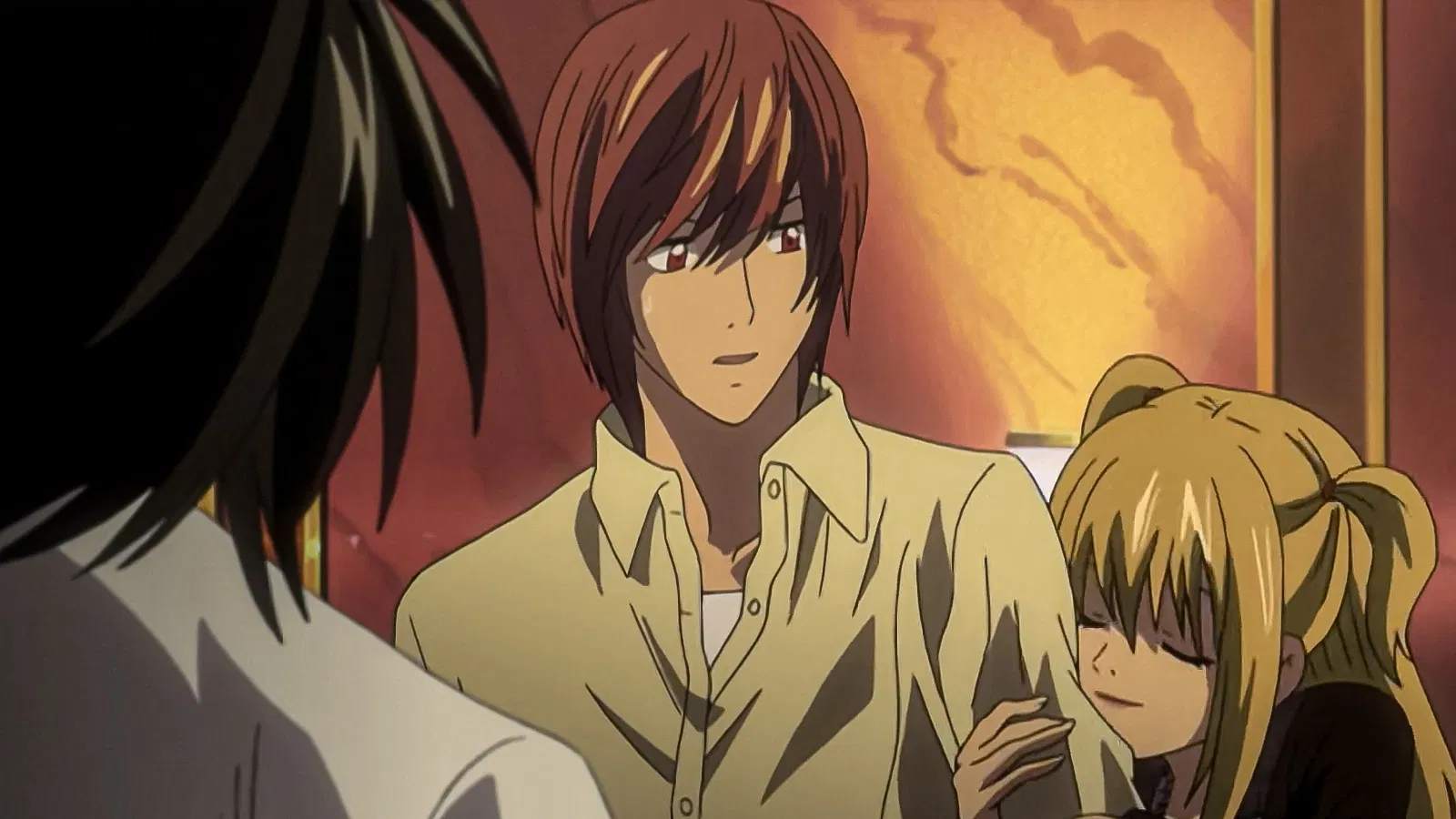
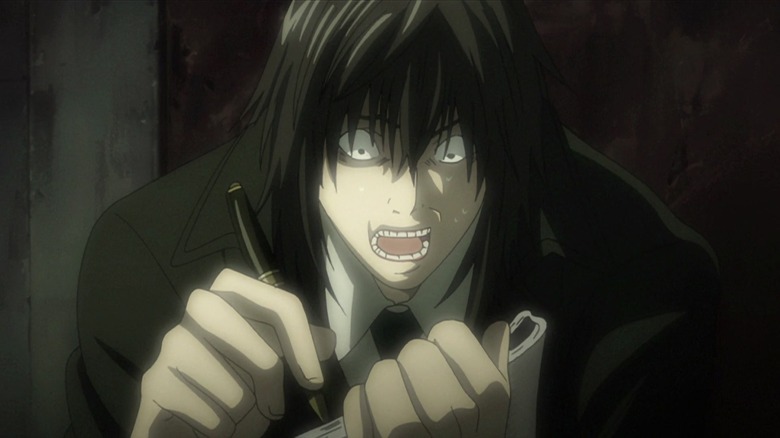
LIGHT YAGAMI
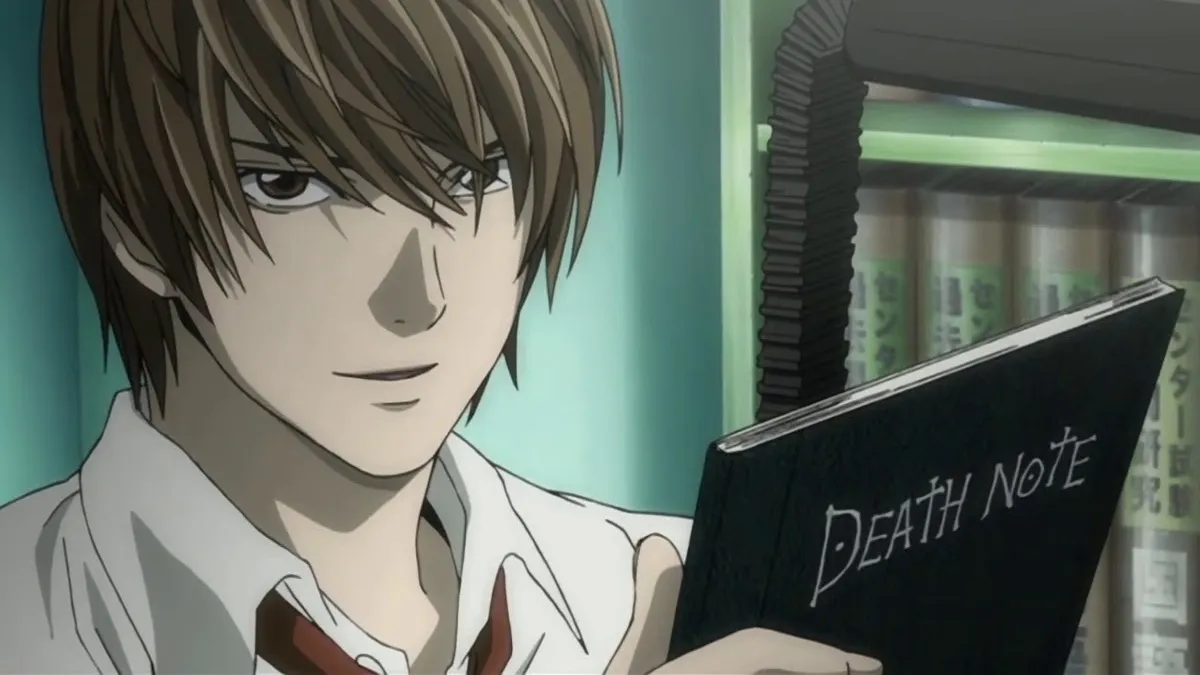
Light is what happens when someone brilliant, disciplined, and genuinely committed to a vision of justice encounters the removal of all limitations on acting on that commitment. He doesn’t start as a monster.
He starts as someone who believes, with more evidence than most, that the world is broken in specific ways that he could fix if given the tools. The notebook gives him the tools. What it reveals is that the line between conviction and corruption is thinner than the certainty required to cross it.
Strengths:
👍 Brilliant under pressure
👍 Plans across vast timelines
👍 Genuinely committed to vision
Weaknesses:
👎 Certainty becomes blindness
👎 Ego runs everything eventually
👎 Loses track of original purpose
Archetype: Kamidere — convinced of his own righteousness not initially from arrogance but from evidence, in a way that only becomes indistinguishable from arrogance once the notebook removes the cost of being wrong.
MBTI: ENTJ — The ENTJ who was right about enough things that he stopped checking whether he was still right.
If you got Light: You have a vision of how things should be that’s specific, coherent, and has enough evidence behind it that dismissing it as naive would be inaccurate. The Light result says you’re someone whose intelligence and commitment are real — and that the thing worth watching is what happens to both when the cost of being wrong is removed.
Certainty is useful right up until it becomes the thing that prevents you from noticing you’ve drifted from what you originally believed into something it wouldn’t recognize. The notebook is just the accelerant. The question it asks was already inside you.
“In this world, there are very few people who actually trust each other.”
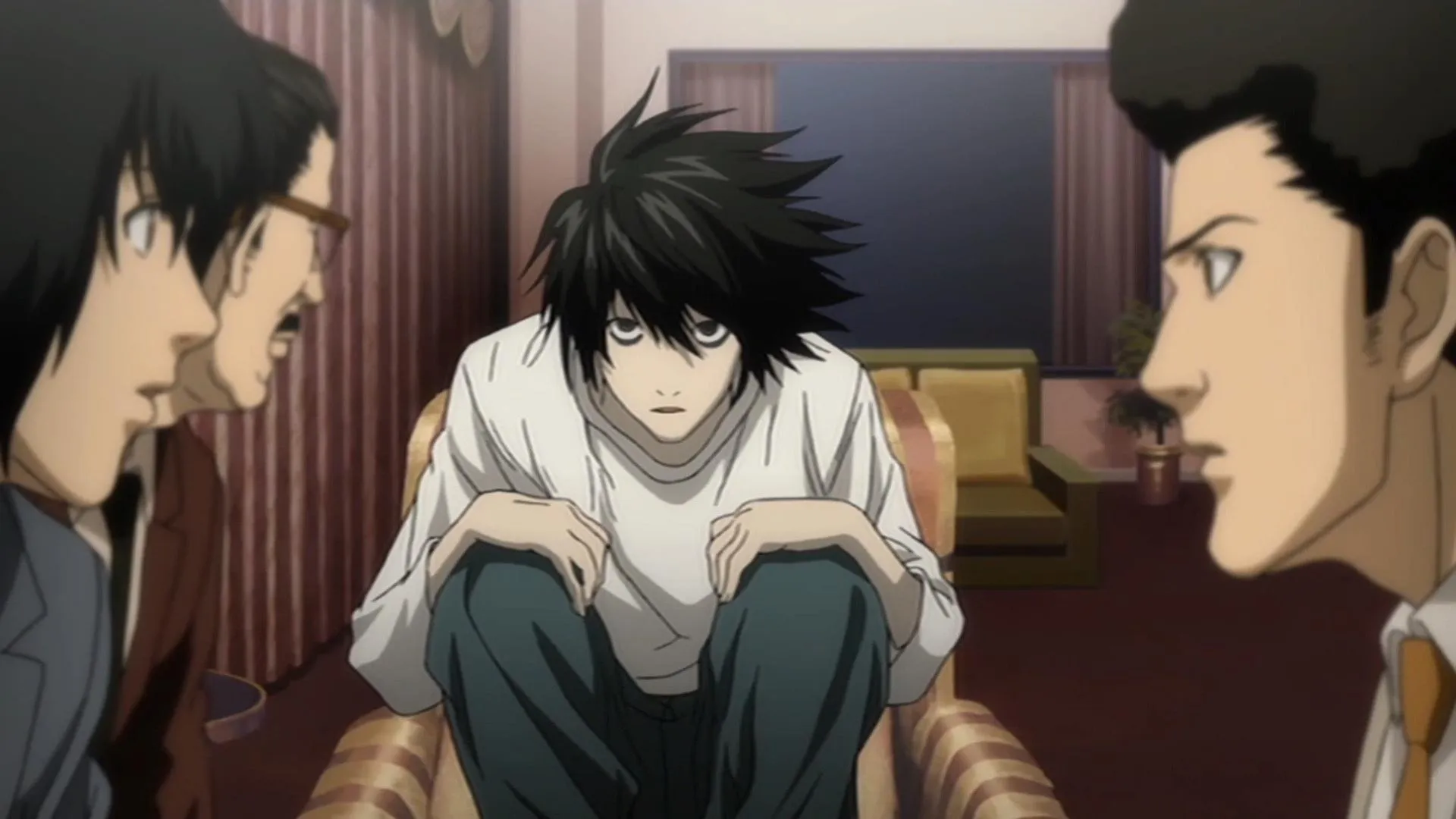
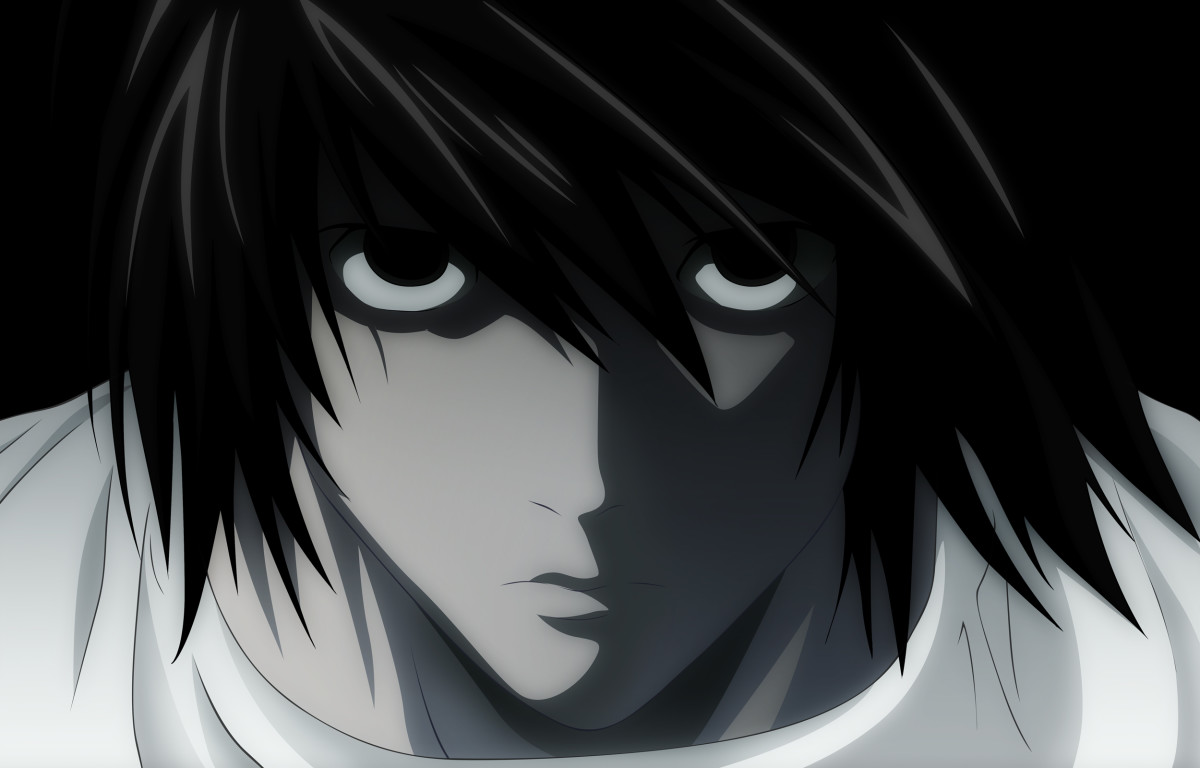
L
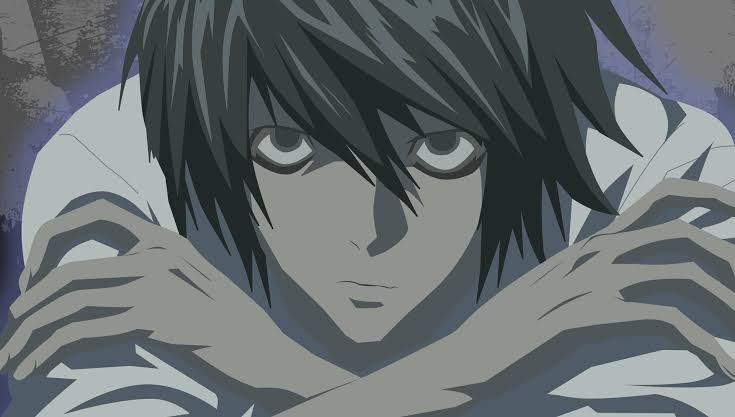
L is the world’s greatest detective by every measurable metric, lives on sugar, sits in a way that most people find inexplicable, and has never shown his face to anyone who didn’t need to see it. He isn’t eccentric for effect — the eccentricity is the result of a mind that optimized for something other than social legibility early on and never looked back.
He’s wrong about things. He knows he’s wrong about things. He keeps going anyway because the alternative is not trying, and not trying isn’t something he knows how to do.
Strengths:
👍 Honest about uncertainty
👍 Holds multiple hypotheses
👍 Reads people with precision
Weaknesses:
👎 Operates outside all norms
👎 Sacrifices safety for answers
👎 Bends rules without apology
Archetype: Kuudere — distant and illegible, not from coldness but from a relationship with the world that was never organized around conventional warmth to begin with.
MBTI: INTP — The INTP who decided the world’s unsolved problems were more interesting than the world’s social contracts, and has been proving that ever since.
If you got L: You think in probabilities rather than certainties, which makes you more accurate than most people and harder to be around than most people prefer. The L result says you’ve optimized for something that isn’t social legibility — understanding, correctness, the problem itself — and the eccentricities that accumulated along the way are the residue of that optimization rather than deliberate choices.
You’re honest about what you don’t know, which is rarer than it sounds. The risk is that operating this far outside normal frameworks makes it difficult for the people who’d genuinely appreciate what you are to find you. You’re not hiding. You’re just not particularly easy to locate.
“It’s not a sense of justice. Figuring out difficult cases is my hobby.”
MISA AMANE

Misa is frequently underestimated as pure devotion without substance, which misses what the series actually does with her.
She traded half her remaining lifespan for the Shinigami Eyes — not once, but twice — which means she knowingly cut her life to a quarter of what it would have been for something she wanted more than longevity. That’s not naivety. That’s a value system in which what she loves is simply worth more than how long she gets to exist.
The series treats that as genuinely dangerous, which is the correct read.
Strengths:
👍 Acts when others calculate
👍 Presence that changes rooms
👍 Commitment without reservation
Weaknesses:
👎 Dismissed until too late
👎 Love as total vulnerability
👎 Attachment overrides judgment
Archetype: Yandere — not in the violent sense, but in the specific sense of someone whose love is so total and unconditional that the boundaries most people maintain between self and attachment don’t fully apply.
MBTI: ESFP — The ESFP who decided that a quarter of a life fully lived for the thing that matters was worth more than a full life spent on anything else.
If you got Misa: You love things completely and without the self-protective hedging that most people build into attachment, and you’ve paid costs for that completeness that would have stopped most people earlier.
The Misa result says your capacity for commitment is real and enormous — and that the thing worth examining is whether the object of that commitment has been chosen as carefully as the commitment itself is maintained.
Total devotion is its own kind of power. The question is always whether it’s been pointed somewhere that recognizes what it’s receiving.
“I’ve always trusted my feelings more than logic.”
NEAR
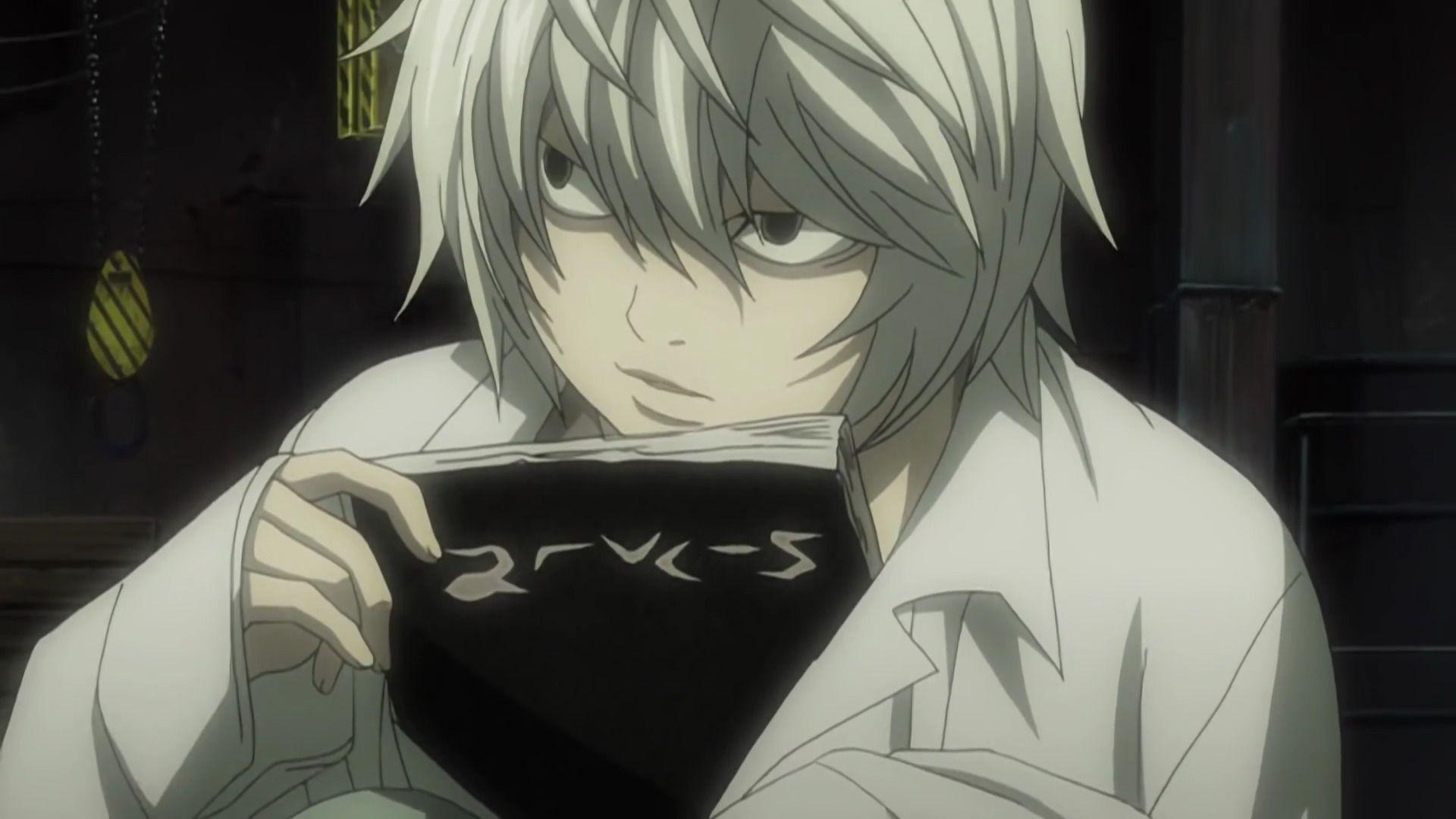
Near wins the game not by being smarter than L but by being willing to do something L wasn’t: use other people as resources rather than trying to solve everything himself. He’s cold in a way that reads as robotic and is actually just the absence of ego — he doesn’t need to be right personally, he needs the problem to be solved, and those are different goals that produce different strategies.
He plays with toys during every significant conversation. This is not affectation. He thinks better with his hands occupied and doesn’t see why that would require explanation.
Strengths:
👍 Logic stripped of ego
👍 Wins without needing credit
👍 Uses every resource available
Weaknesses:
👎 Hard to genuinely reach
👎 Warmth feels performed
👎 Appears detached from humans
Archetype: Kuudere — colder than L, without L’s underlying warmth, and more effective for it in the specific context the notebook creates.
MBTI: INTJ — The INTJ who decided that winning the problem mattered more than being the one who won it, and built a methodology around that distinction.
If you got Near: You’ve separated the goal from the ego attached to achieving it, which is rarer and harder than it sounds. The Near result says you’re someone who can use every resource available, acknowledge when someone else’s contribution matters, and stay focused on the outcome rather than the narrative of who produced it.
The coldness is real and it’s also functional — it removes the ego from the equation in a way that makes the logic cleaner. What’s worth examining is whether the detachment that makes you effective in solving problems extends further than you intend into the relationships with people who’d genuinely connect with what’s underneath it.
“The only ones who should kill are those who are prepared to be killed.”
HikiChat:
The Notebook Doesn’t Change Who You Are. It Just Removes the Distance Between Who You Are and What You Do.
Every character was certain they were on the right side of the issue. The notebook didn’t create that conviction — it simply gave it a mechanism to act. Unwavering belief in a personal mission. Honest recognition of one’s own limitations. A willingness to pay any price for a goal.
The total separation of objective from ego. These represent four entirely distinct ways of defining what it means to be right, and the heavy price exacted by that certainty.
BACKWARD