
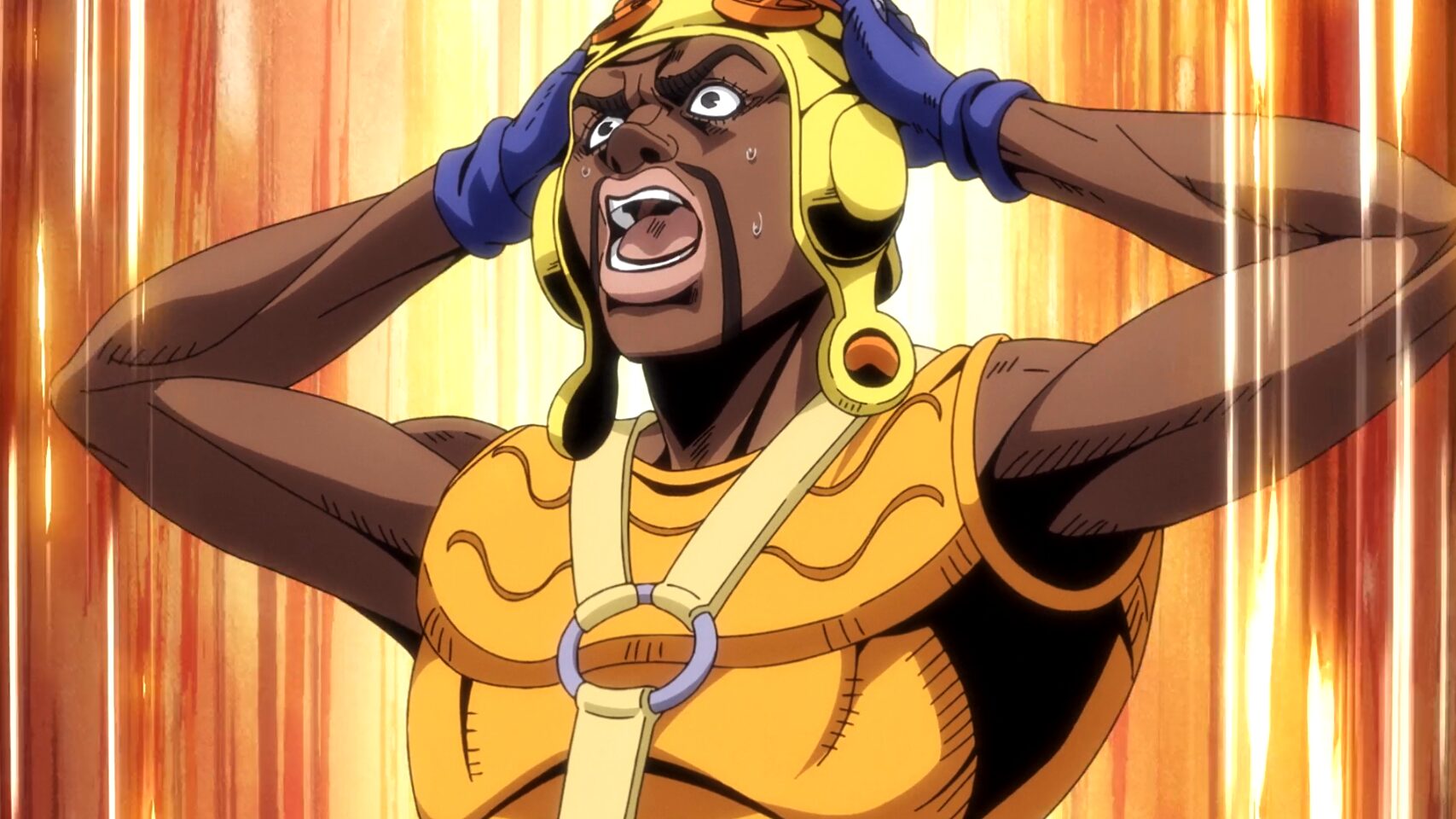
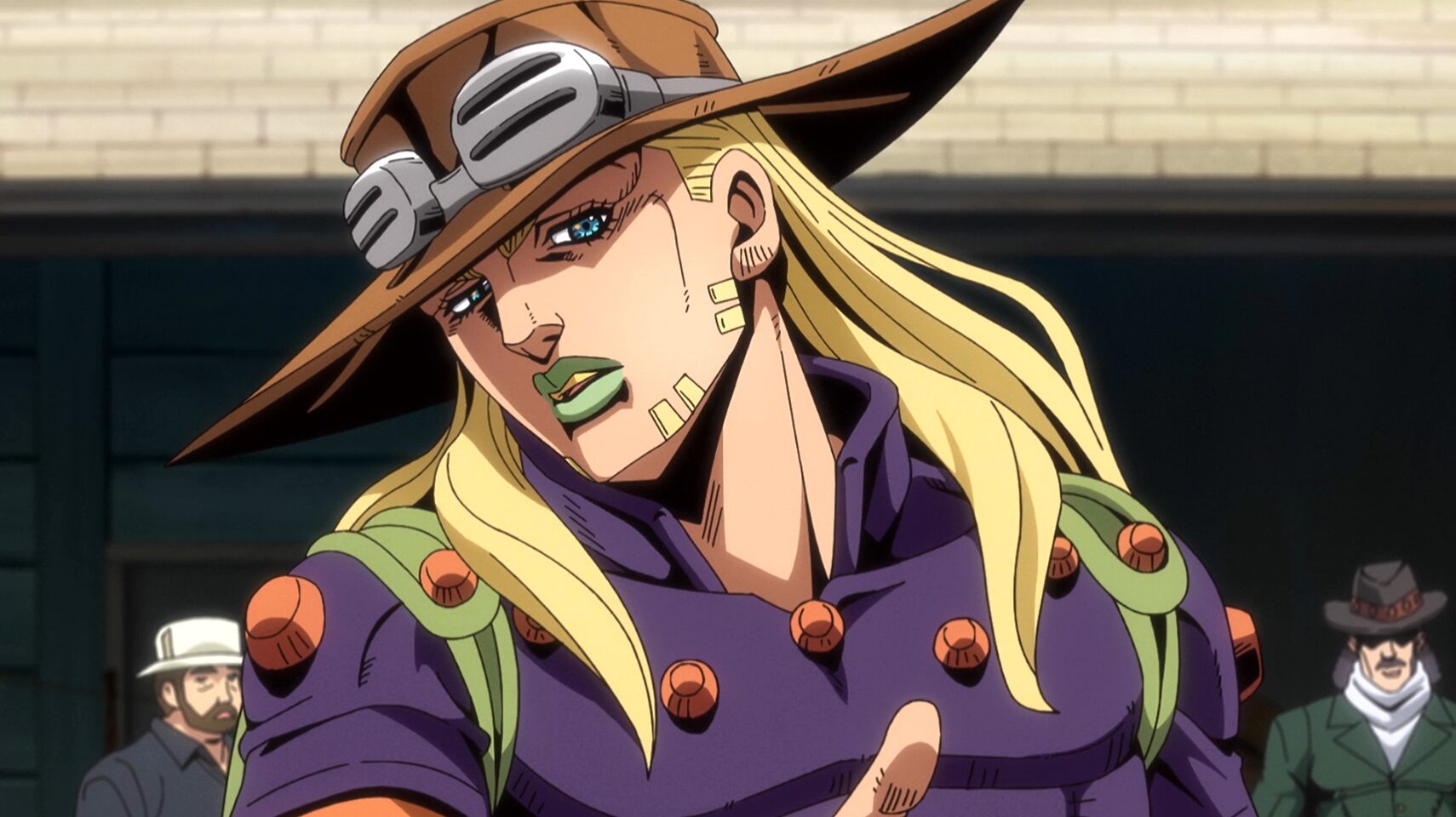
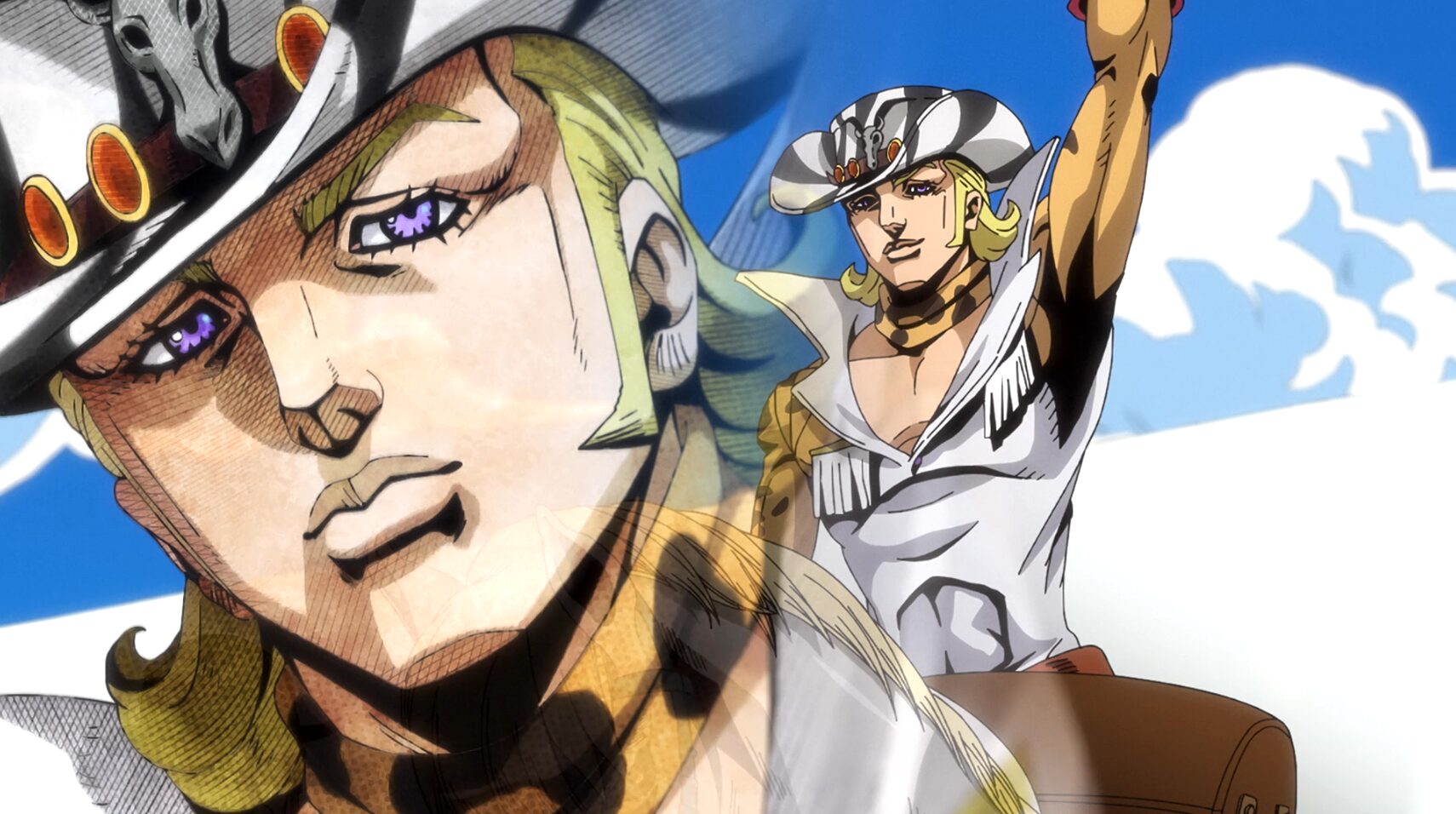
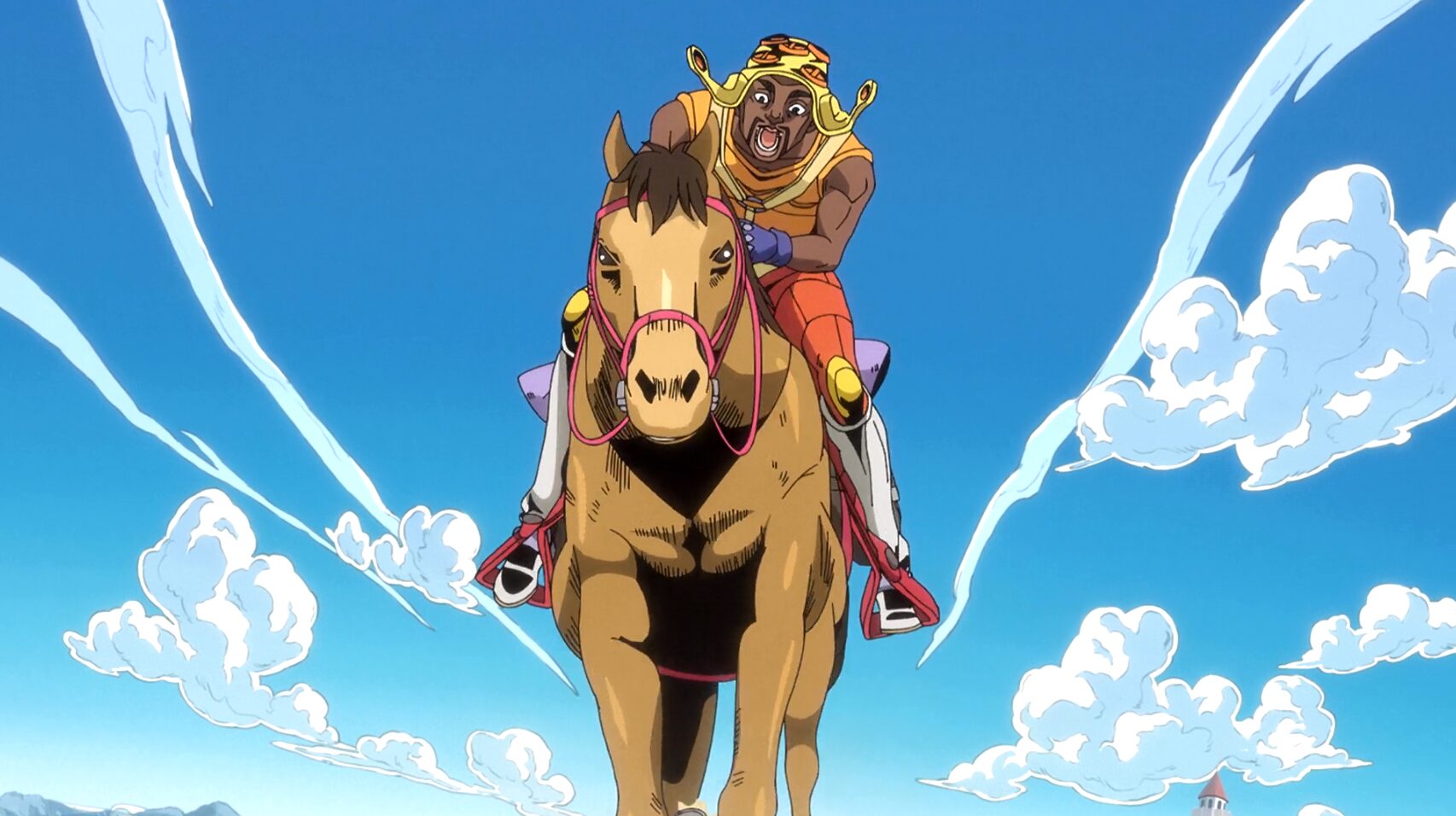
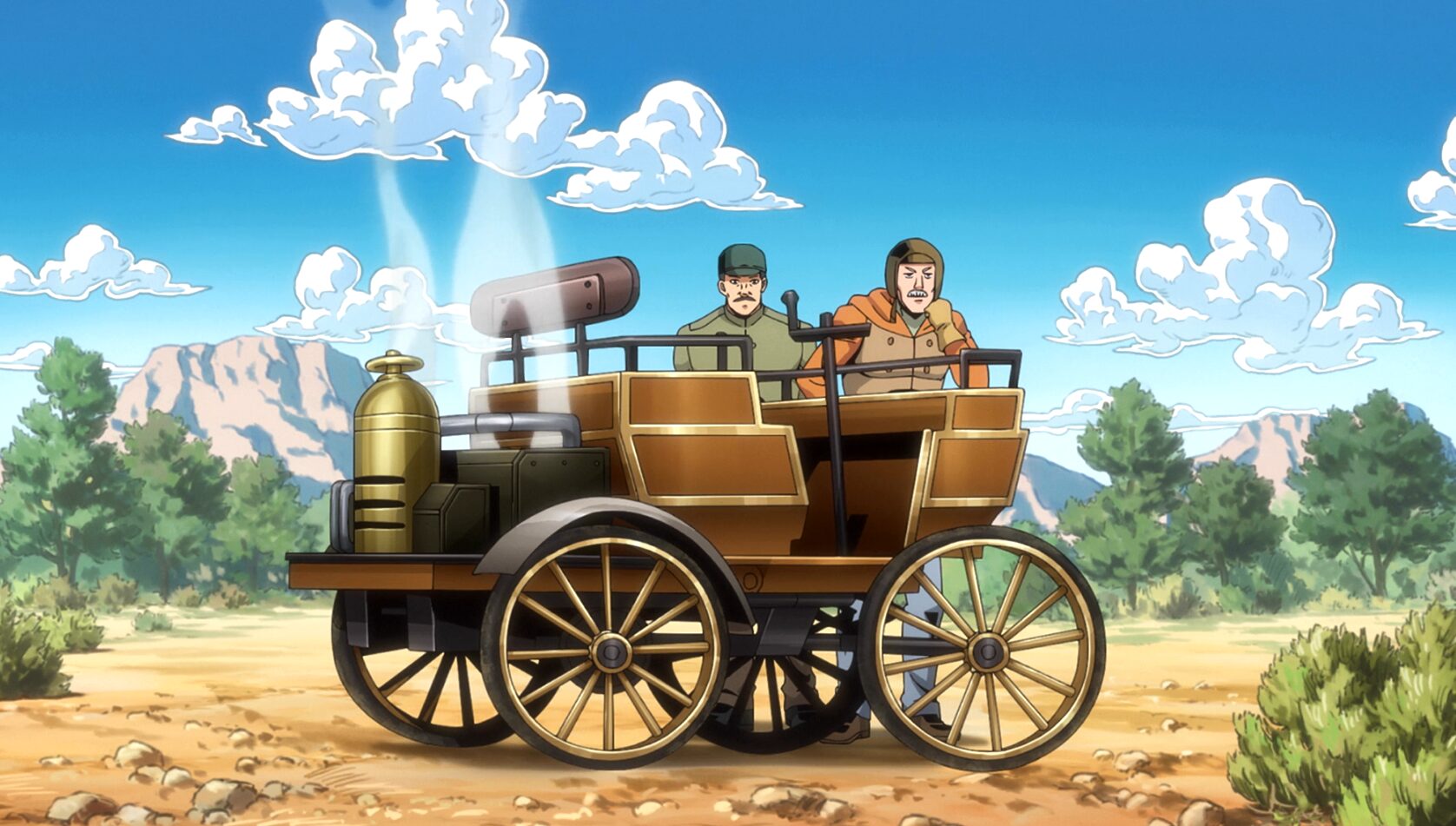
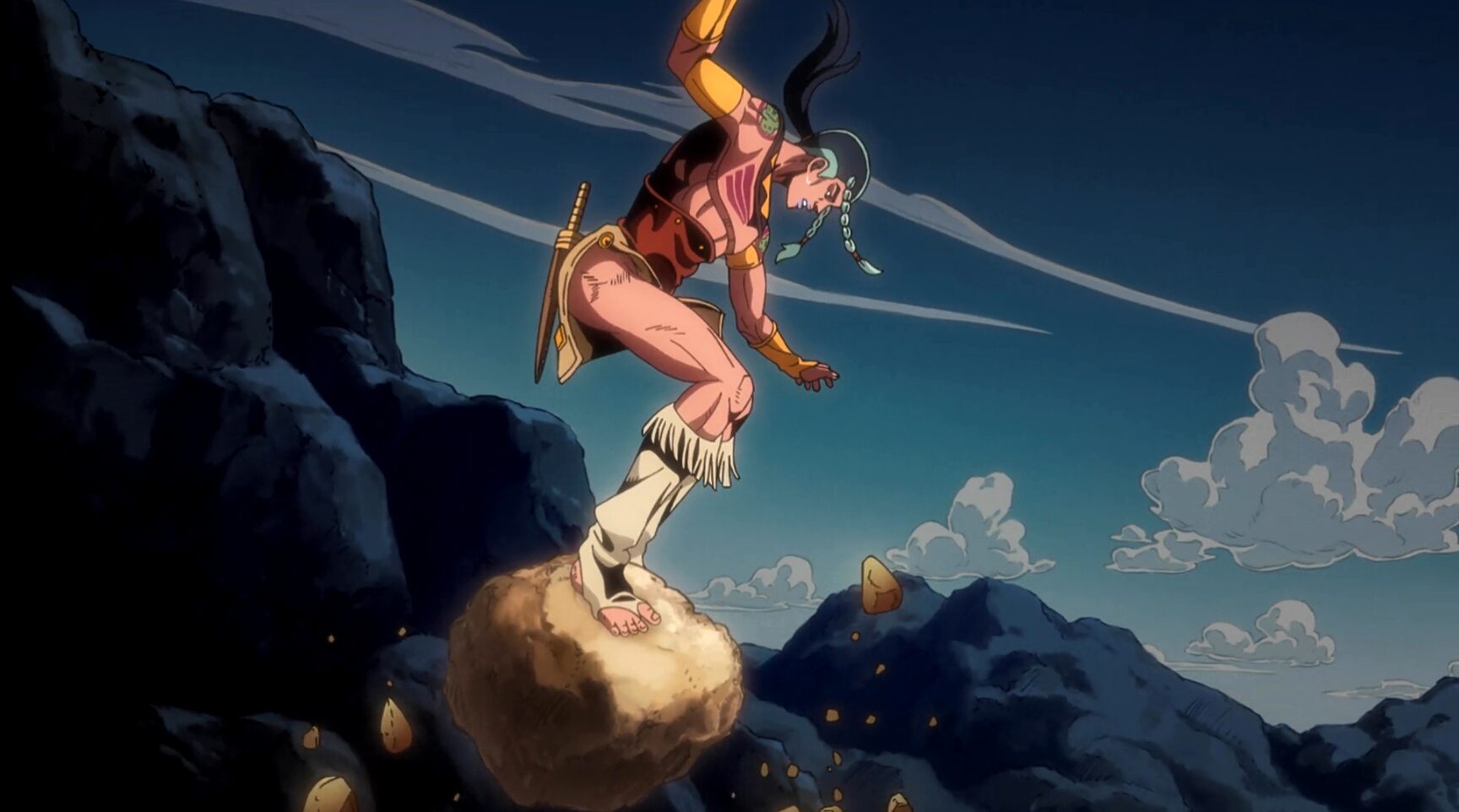
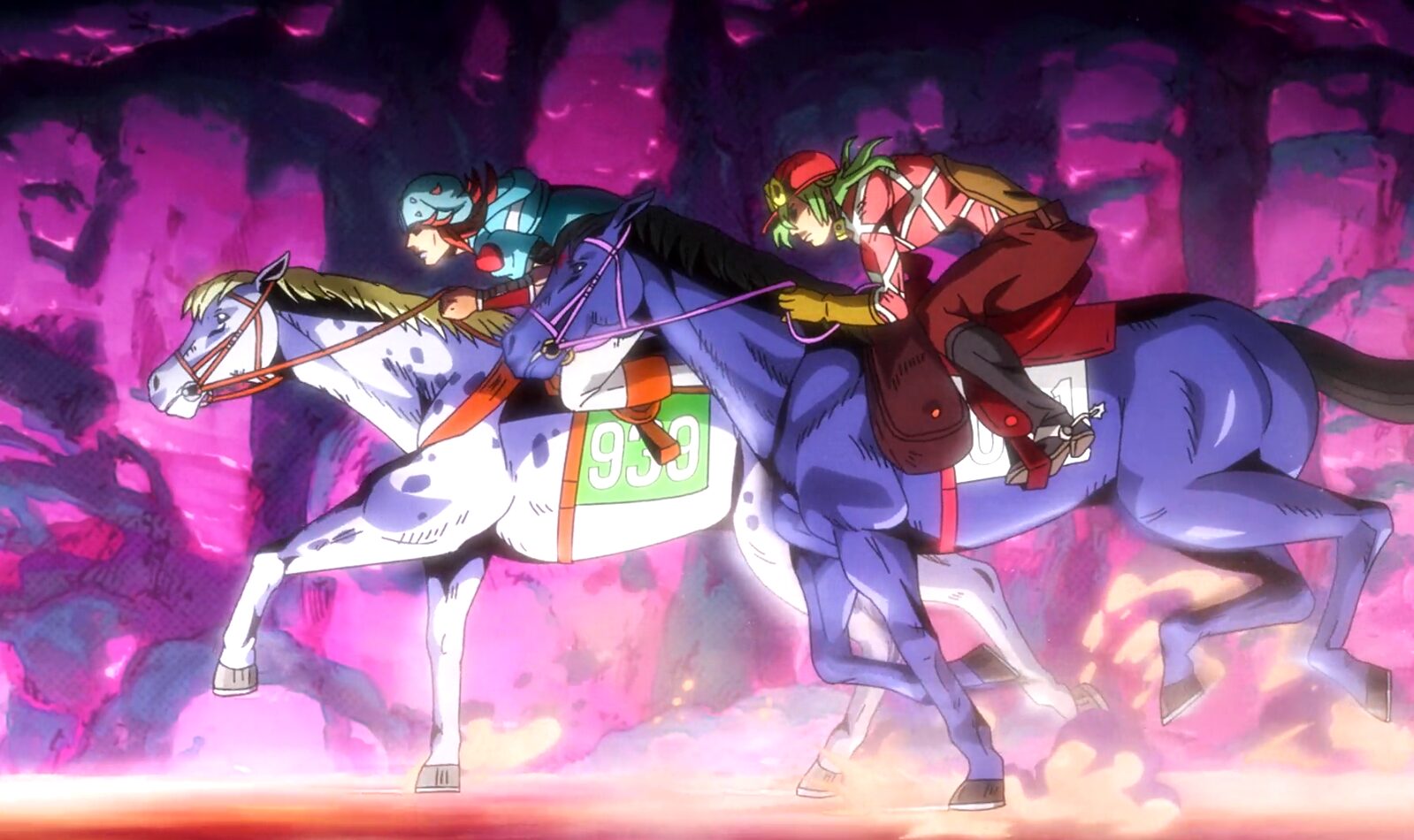


September 1890. San Diego to New York. Fifty million dollars and the unofficial attention of a president who needs something nobody can see from the crowd.
The Steel Ball Run is a race, on paper. Underneath it, it’s a question that 3000 miles of American frontier will answer differently for everyone who enters: what are you actually made of when the comfort runs out, the allies become liabilities, and the only thing left is what you were riding toward in the first place?
The person you are at the starting line is never the same person who crosses the finish. Find out who you’re starting as.
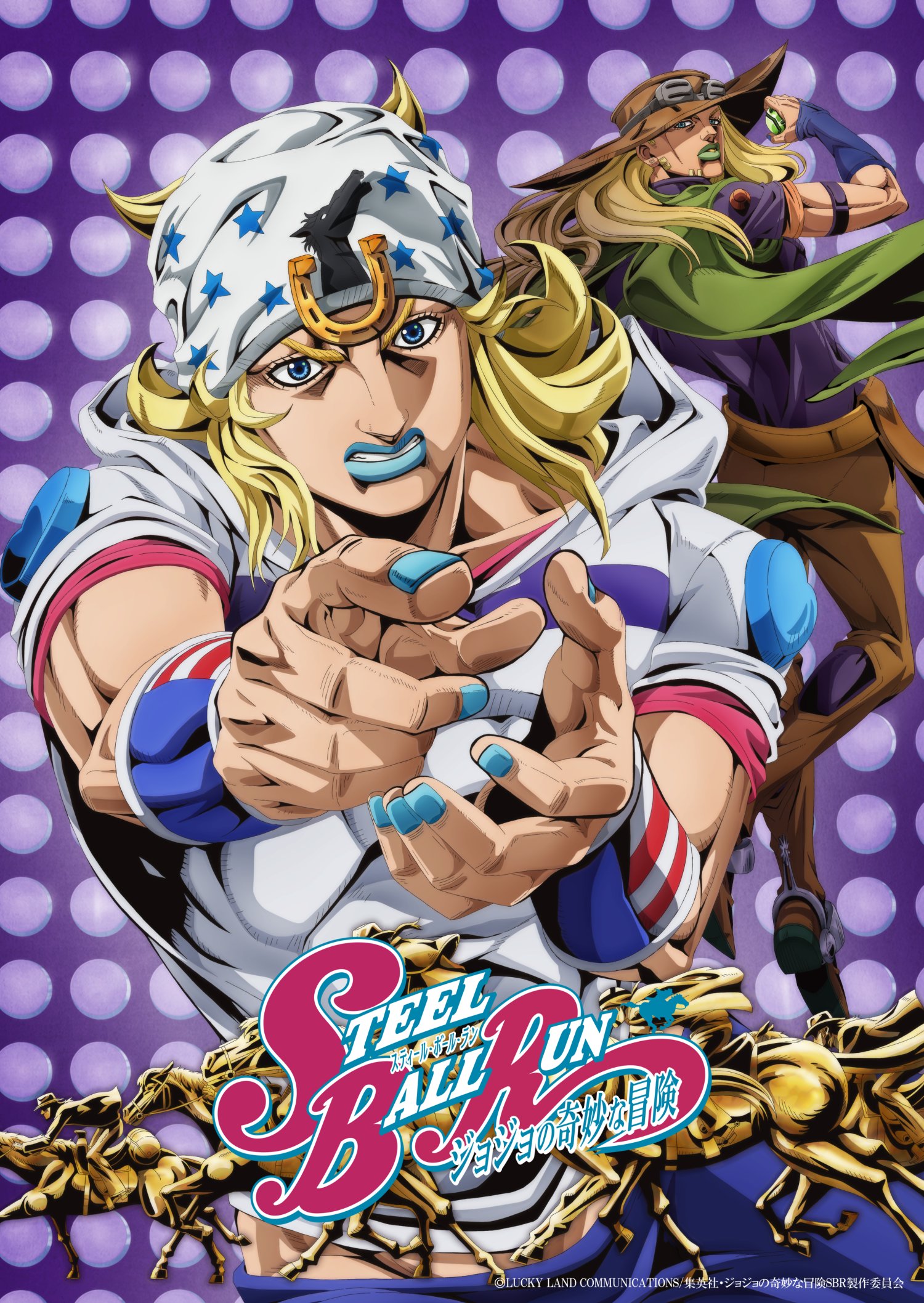
Three thousand miles of frontier ahead. Let this lo-fi cover hold the starting line for a minute while you find out who you are.
- Pick the perfect atmosphere for your quiz journey – just pick one of the buttons above and set the mood.
- Relax – our quizzes aren’t MIT entrance exams 😉 They’re here to entertain you and deepen your connection with anime characters (and yourself).
- If none of the answers fit 100%, just choose the closest one – it’s enough for an accurate result.
- Enjoy the process — there are no right or wrong answers here.
- Try taking the same quiz more than once — sometimes the second result is the most surprising.
- Don’t forget to share your result with friends and invite them to find their anime self too!
Nobody Enters This Race For the Reason They Say — Why Steel Ball Run Is the Greatest Story in JoJo’s Bizarre Adventure
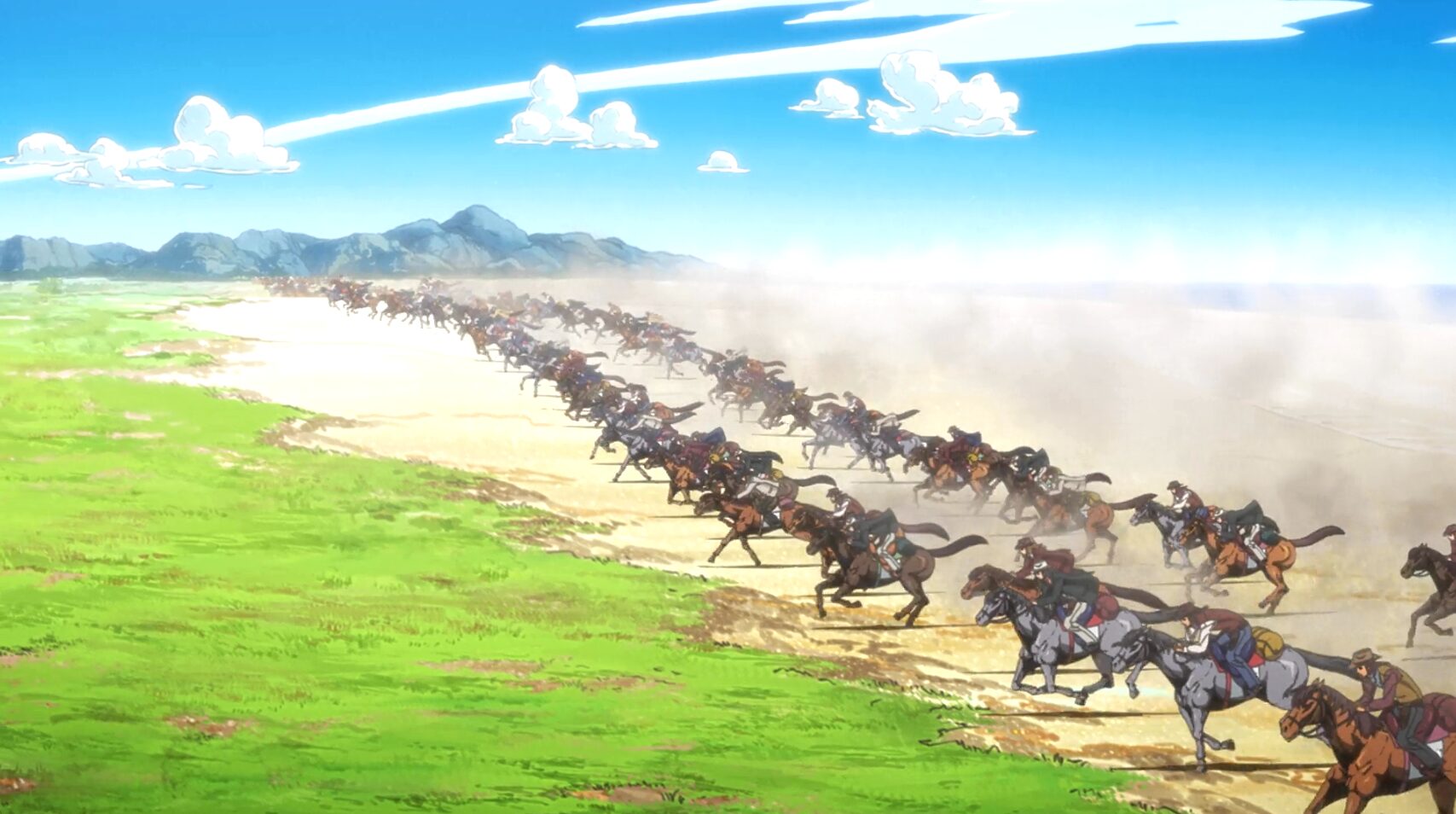
Steel Ball Run is built on a deceptively simple premise: a transcontinental horse race from San Diego to New York, fifty million dollars, three thousand miles of 1890s American frontier.
The surface is a Western. The actual subject is what happens to a person’s convictions when the world keeps testing them against reality — and what it means to be defined by a purpose you didn’t choose versus one you built yourself.
Global Ratings:
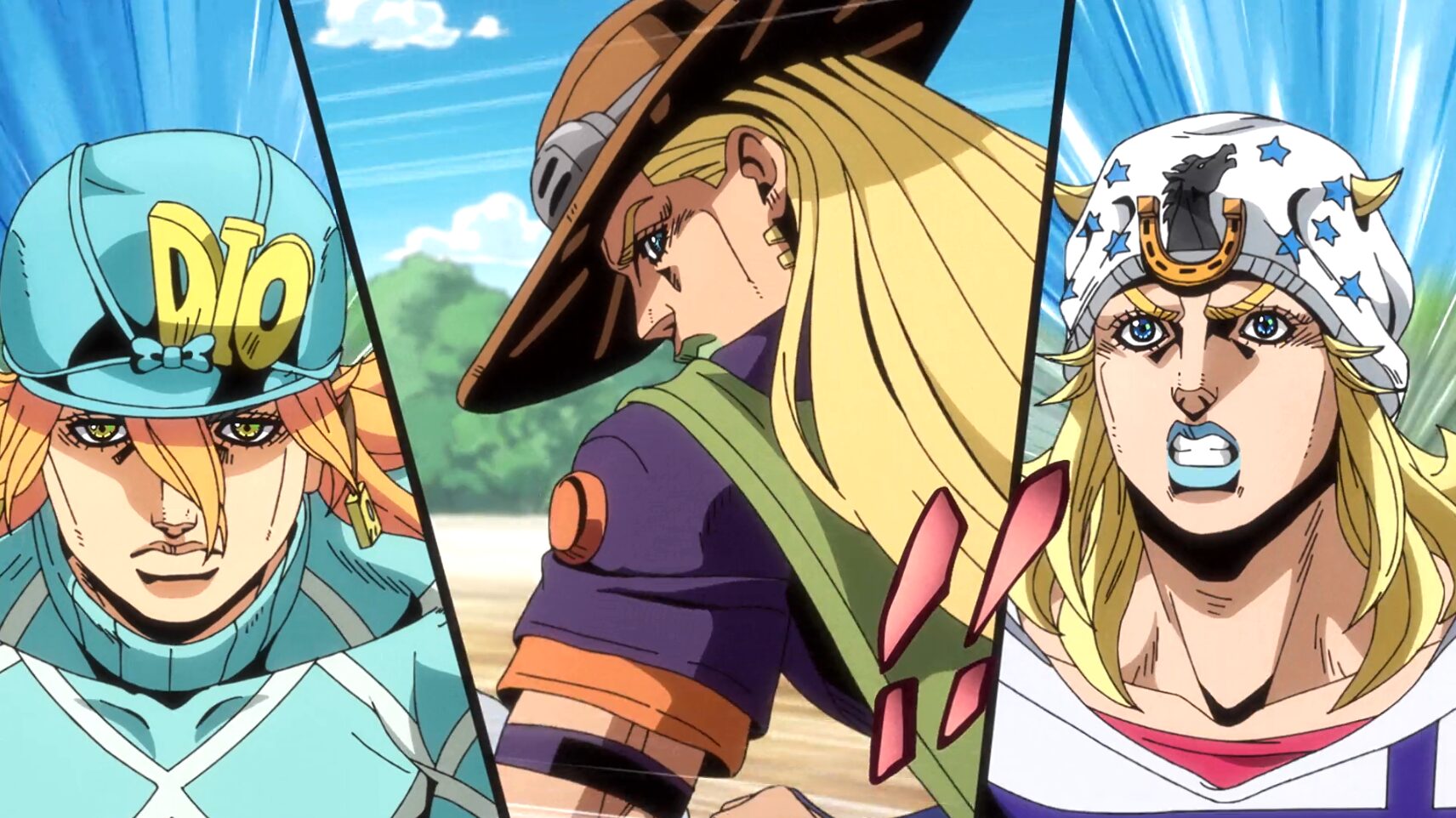
Araki spent thirty volumes developing this question through four central figures who represent fundamentally different answers to it.
Stands here aren’t just powers — they’re expressions of the user’s deepest convictions, often in ways that contradict what those users would say about themselves if you asked them directly.
The race also functions as a pressure cooker for relationships. The partnership at the center of the story is one of the best in the series precisely because it’s between two people who shouldn’t work together and do anyway — forced by circumstance into proximity and then into something neither of them would call friendship until it was already the most important thing in their lives.
Users Ratings:
The antagonists complicate this further by being genuinely compelling in their own right: characters whose motivations are internally coherent even when externally monstrous, who believe in something real even when what they’re willing to do for it crosses every line.
The Race Has Already Decided What You’re Made Of
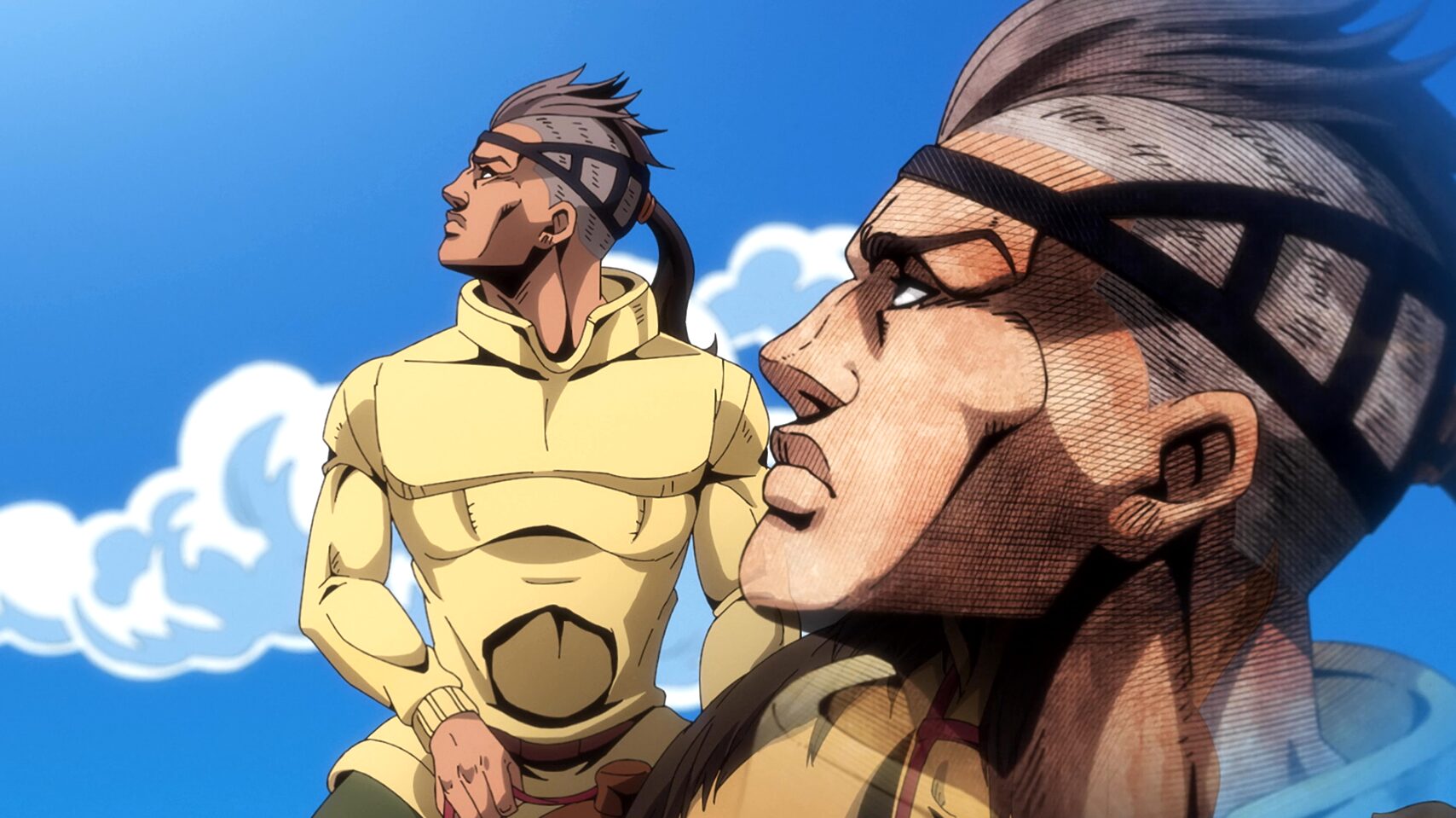
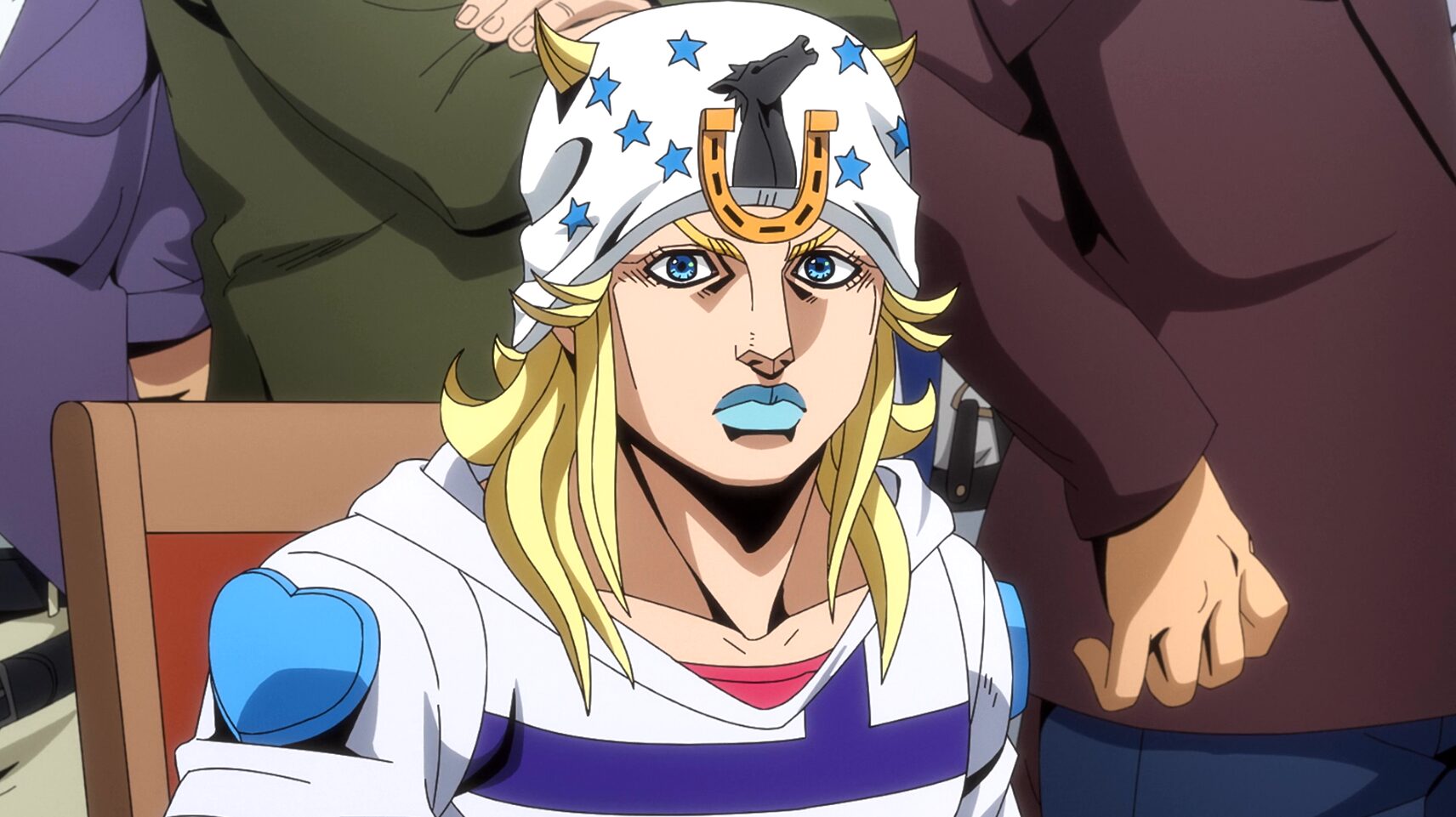
JOHNNY JOESTAR
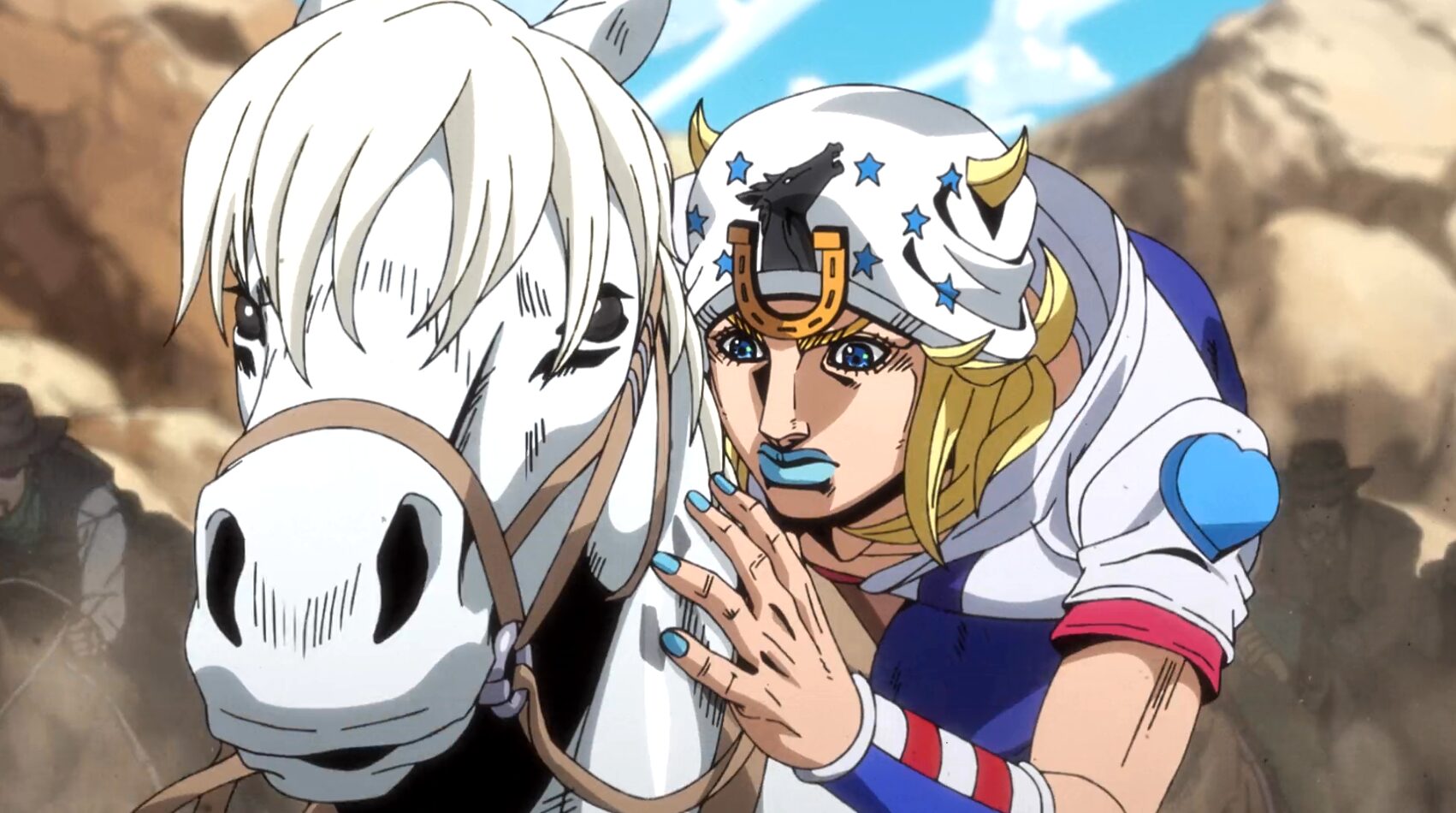
Johnny entered the race with nothing — no mobility, no purpose, no particular reason to finish what he started beyond a desperate hope that the Spin might give him back what he lost.
He’s not heroic at the start. He’s a former star jockey who cost someone their life through arrogance, lost the use of his legs as a consequence, and has spent the intervening years trying to convince himself that he doesn’t deserve what happens next. The race changes that. Gyro changes that. Not by fixing Johnny, but by being someone worth riding beside.
Strengths:
👍 Loyal past reason
👍 Precise under pressure
👍 Grows through everything
Weaknesses:
👎 Starts from nothing
👎 Slow to trust himself
👎 Carries enormous guilt
Archetype: Dandere — withdrawn and self-doubting at the start, with a capacity for loyalty and growth that only surfaces once someone gives him something worth growing toward.
MBTI: INFP — The INFP who needed to lose everything to find out what he actually wanted, and then rode three thousand miles to prove he meant it.
If you got Johnny: You’ve started from a place of genuine lack — not the performed humility of someone who knows they’ll figure it out, but the real kind, where you weren’t sure you deserved to figure it out at all.
The Johnny result says you’re someone who grows through relationships rather than in spite of them, who needs the right person alongside you not to do the work for you but to make the work feel worth doing. The guilt you carry is real and it’s heavy, but it’s also the engine of your empathy — you understand cost because you’ve paid it.
The version of you that emerges on the other side of the race isn’t the person who entered it. That’s not a loss. That’s the whole point.
“The enemy isn’t someone else. The enemy is myself.”
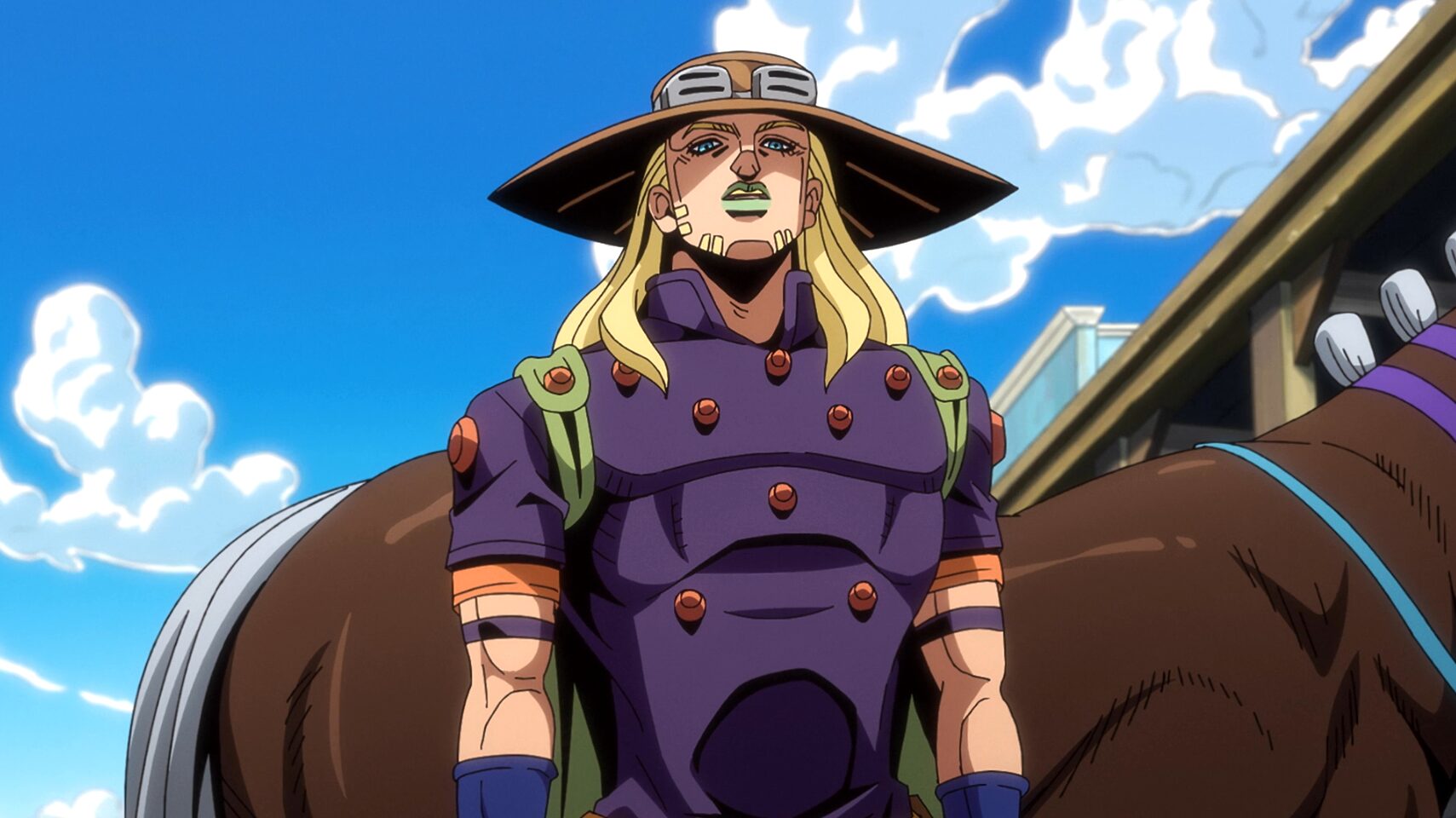
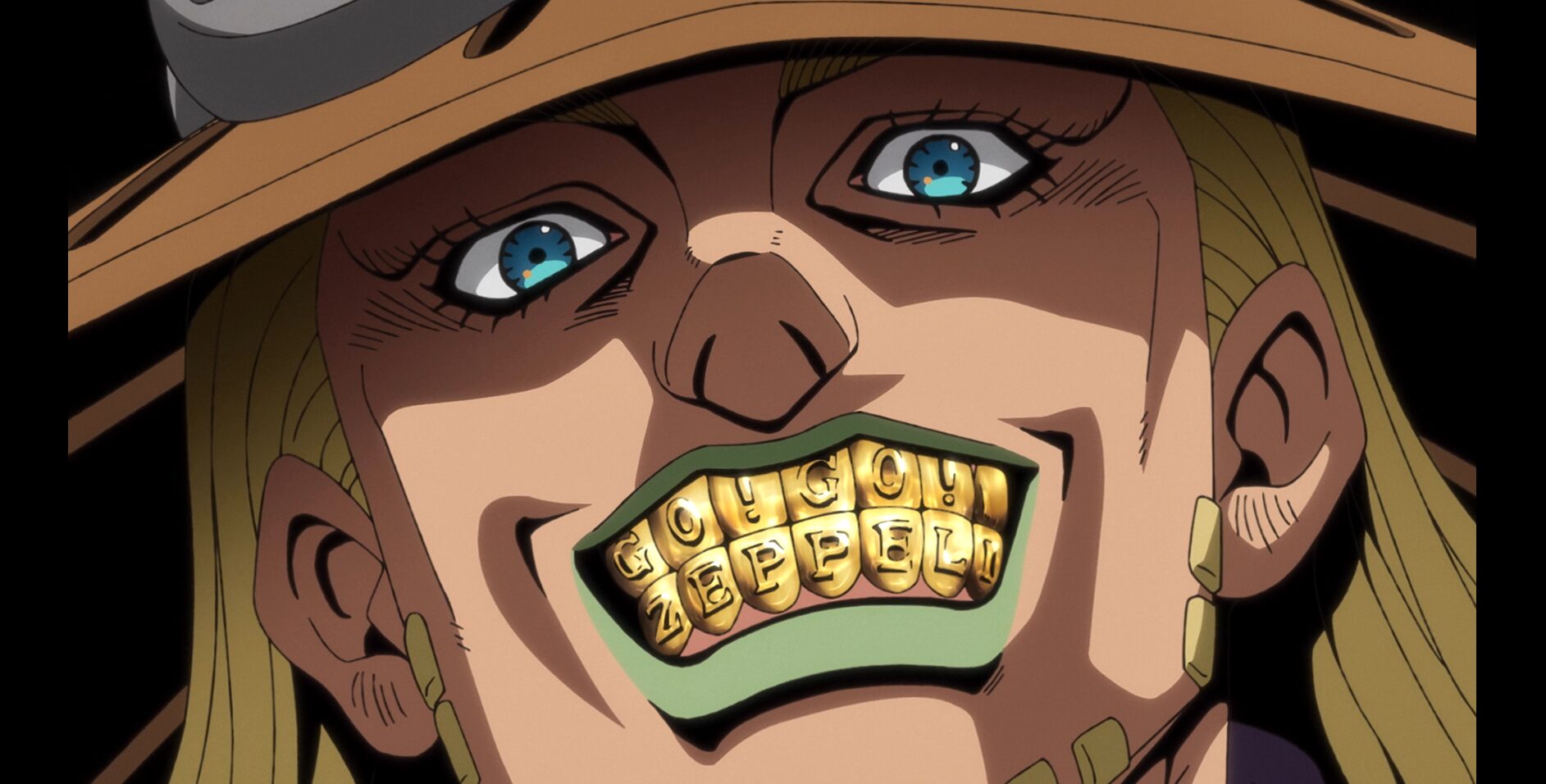
GYRO ZEPPELI
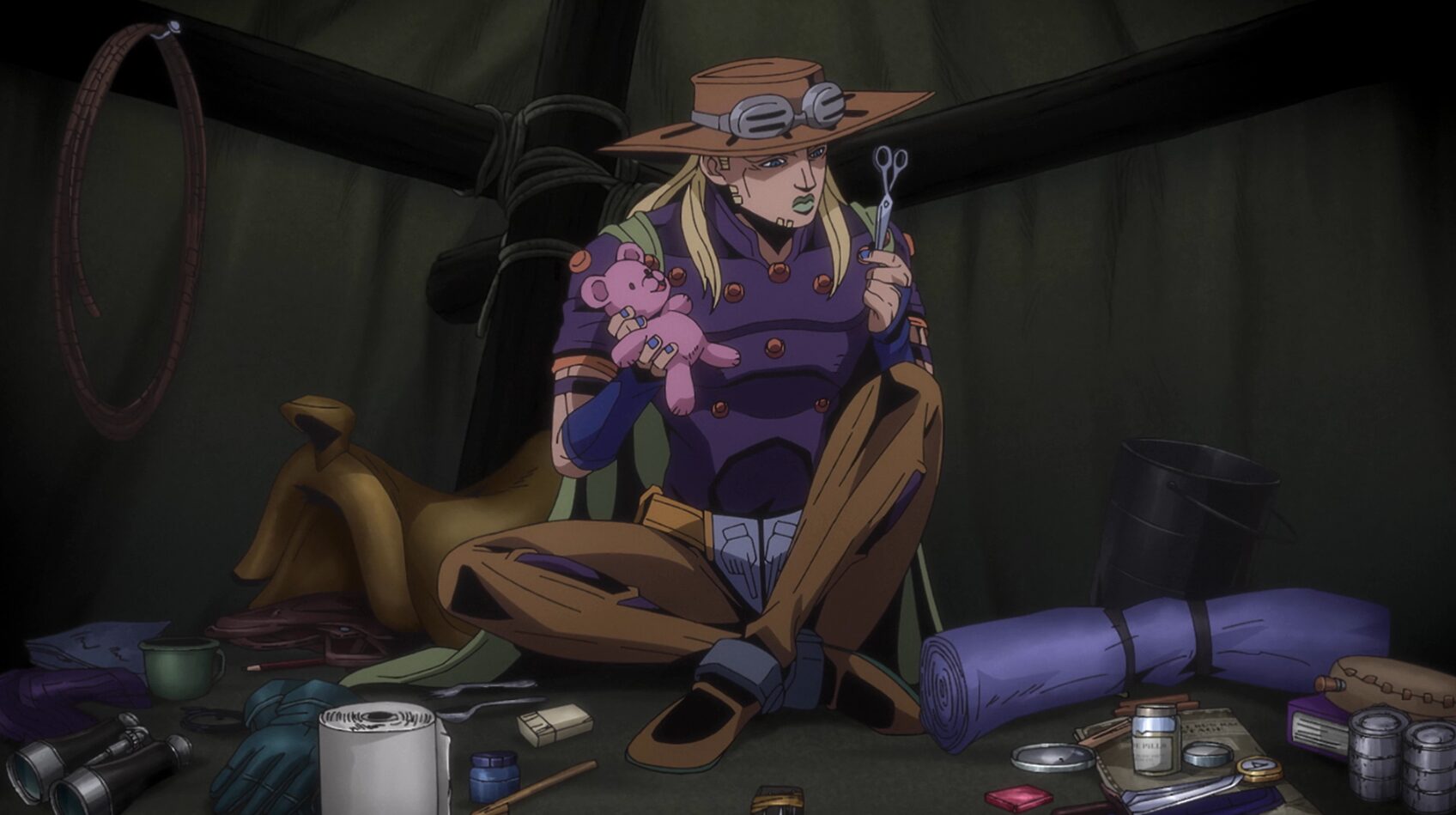
Gyro entered the race with a specific mission that has nothing to do with prize money and everything to do with a boy on death row whose execution he can stop if he wins.
He presents as a wisecracking, confident, steel-ball-juggling outlaw who finds most situations funnier than they are — and underneath that is someone with a genuine philosophy about how the world works, a family legacy that weighs more than he admits, and the specific kind of warmth that shows up sideways, through teaching and teasing and never once admitting it’s care.
Strengths:
👍 Teaches by being
👍 Leads through chaos
👍 Finds humor everywhere
Weaknesses:
👎 Pride costs him
👎 Hides real stakes
👎 Carries family weight
Archetype: Tsundere — jokey and deflective on the surface, with a depth of commitment underneath that only surfaces when the person next to him needs it to.
MBTI: ENTP — The ENTP who teaches by doing, deflects with humor, and means everything he never says directly.
If you got Gyro: You lead by example because explaining feels less honest than demonstrating, and you use humor as both armor and currency — it keeps the mood light enough that the real stakes don’t crush everyone in the vicinity. The people close to you tend to know the difference between your jokes and your sincerity, even when both look the same from the outside.
What you carry is real and heavy, and most people never see the weight of it because you’ve gotten very good at distributing it as forward momentum instead. The Gyro result says you’re someone who gives the most important things without naming them — which is a form of generosity, and also occasionally a form of avoidance. The person riding beside you notices. Make sure you let them.
“WRRRYYYY! …Just kidding.”
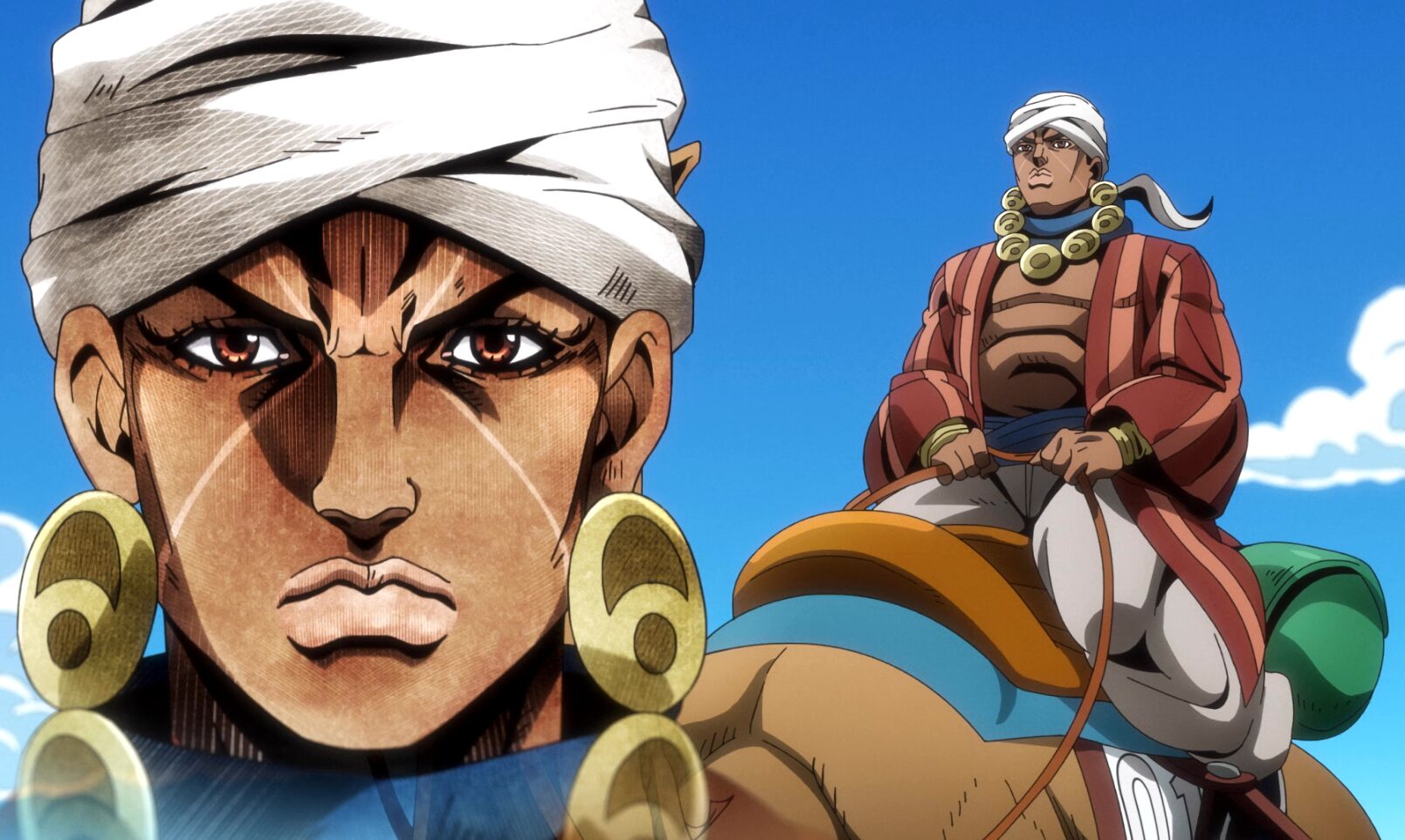
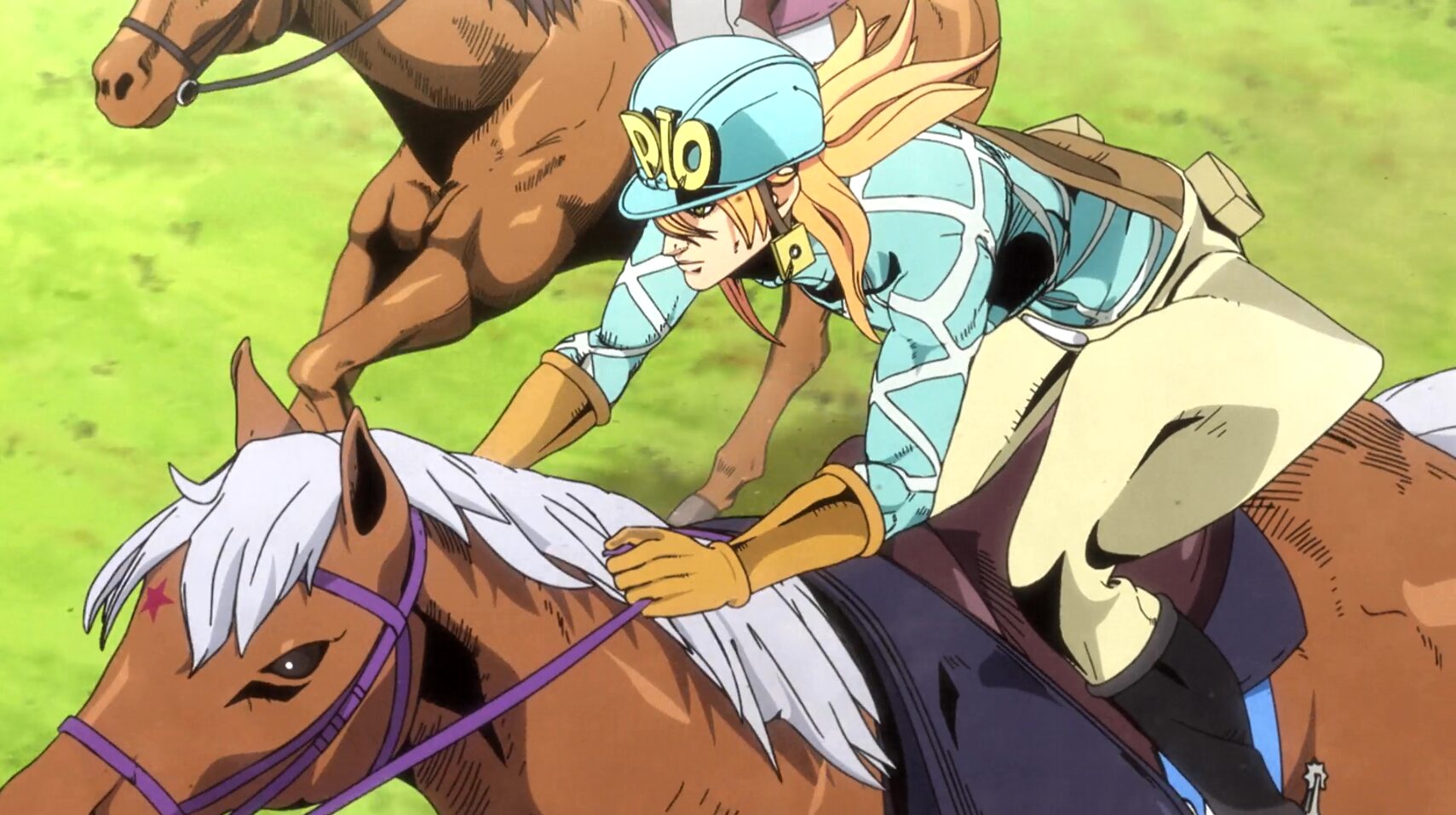
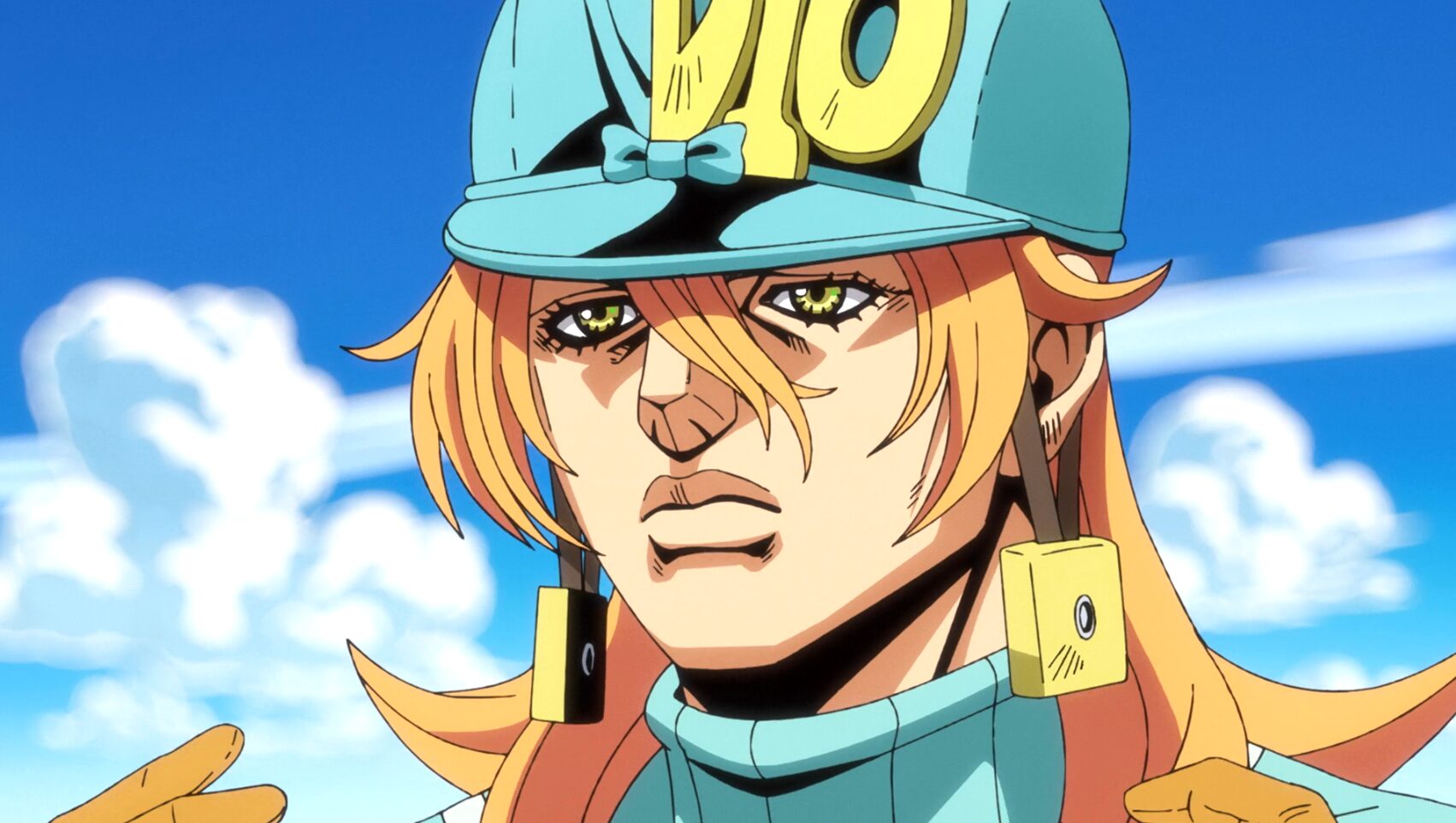
DIEGO BRANDO
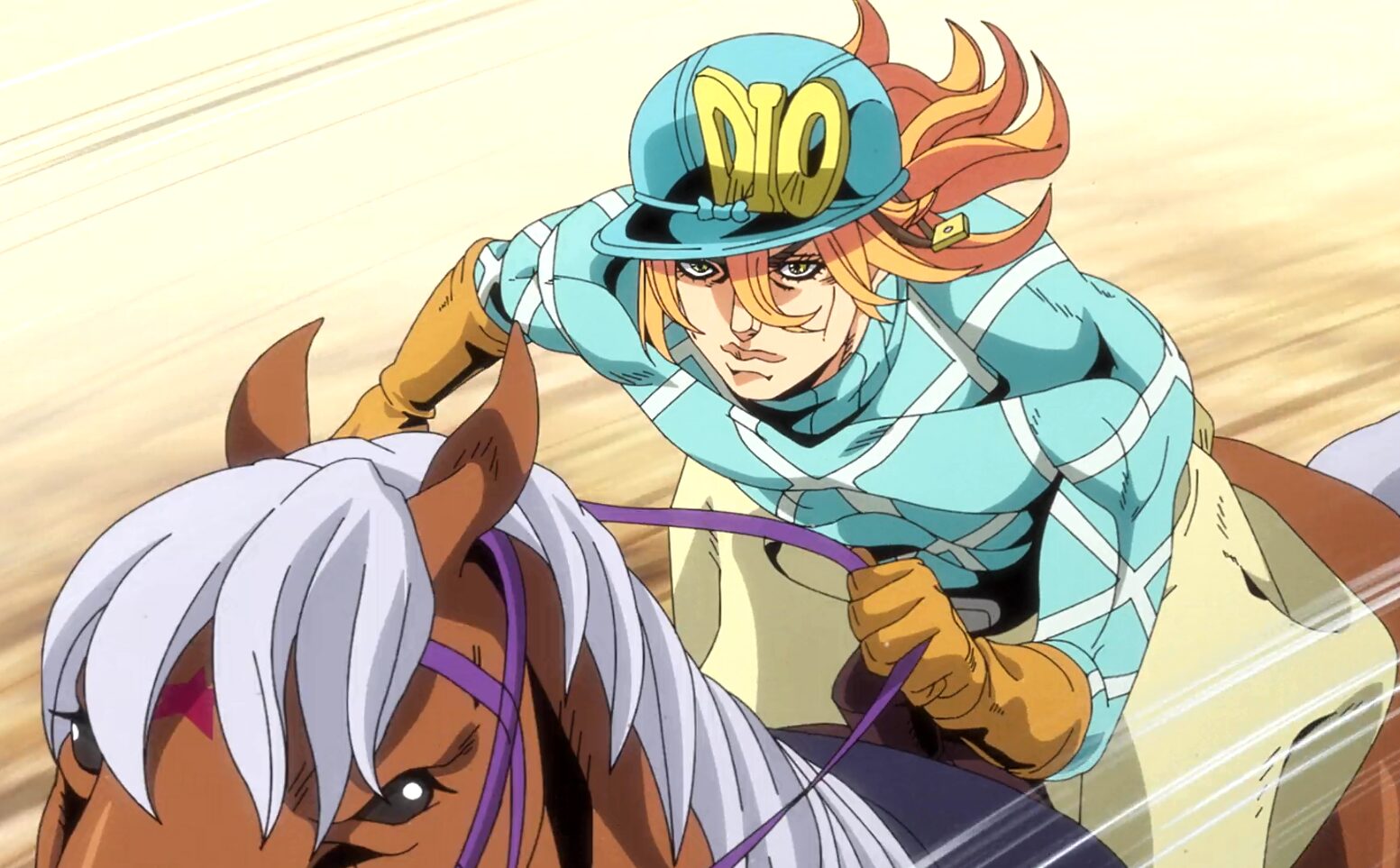
Diego grew up in absolute poverty, watching his mother work herself to death while the world demonstrated repeatedly that mercy was for people who already had enough.
He entered the race as England’s champion jockey and the most technically gifted rider in the field — and he enters every situation with the worldview that the frontier confirmed over and over: resources are finite, competition is total, and sentiment is a luxury that gets you killed.
He’s not wrong about the world he came from. He’s also not entirely right about the one he’s in.
Strengths:
👍 Adapts to anything
👍 Technically supreme
👍 Driven past all limits
Weaknesses:
👎 Trust costs too much
👎 Sees allies as threats
👎 Empathy switched off
Archetype: Kamidere — convinced of his own superiority not out of ego but out of evidence, with an internal logic so consistent it reads as philosophy rather than arrogance.
MBTI: INTJ — The INTJ who decided the world had shown him its rules clearly enough that he didn’t need to test them anymore.
If you got Diego: You’ve learned the world’s rules from direct experience rather than theory, and those rules told you something consistent: resources are limited, trust is a vector for exploitation, and the only reliable thing is your own capability.
That’s not paranoia — it’s a conclusion drawn from evidence that was real. The Diego result says you’re someone whose competence is genuine and hard-earned, whose self-reliance developed because dependence cost you something specific and you decided not to pay that price again.
What’s worth examining is whether the rules you learned in one world are still the right rules in the one you’re in now — because the frontier has a way of presenting situations that the old framework wasn’t built to handle.
“I have no use for allies. Only tools.”
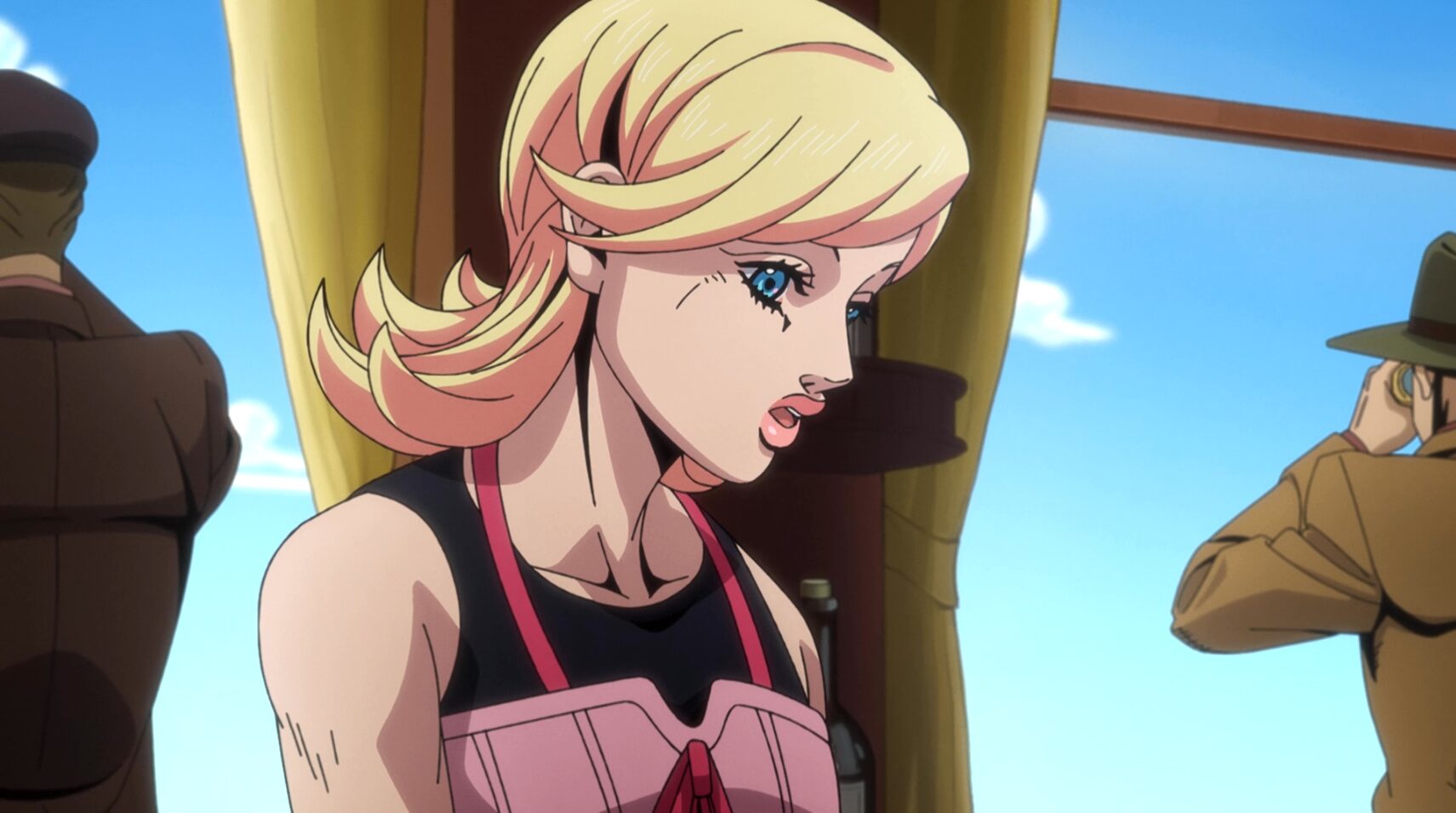
LUCY STEEL
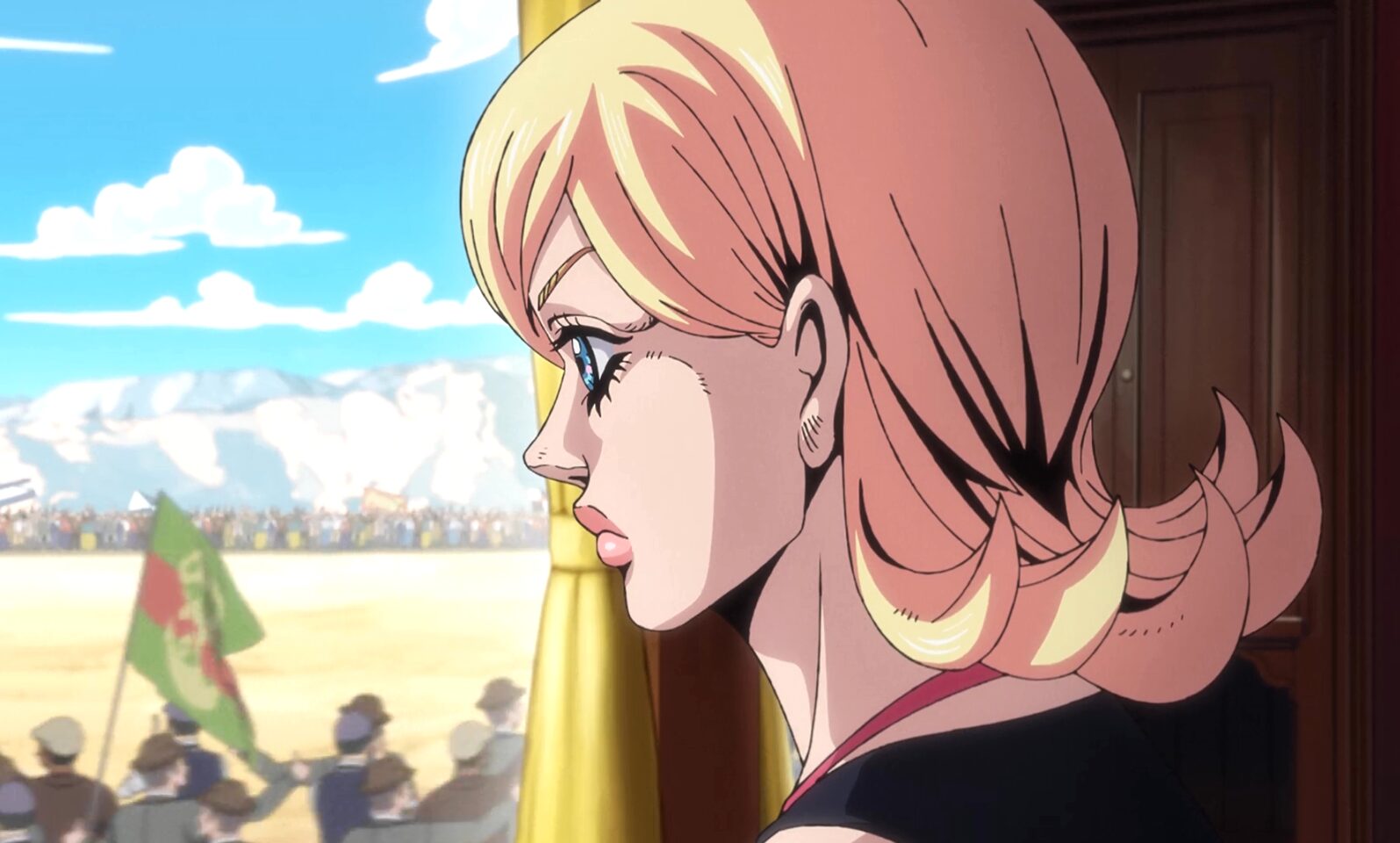
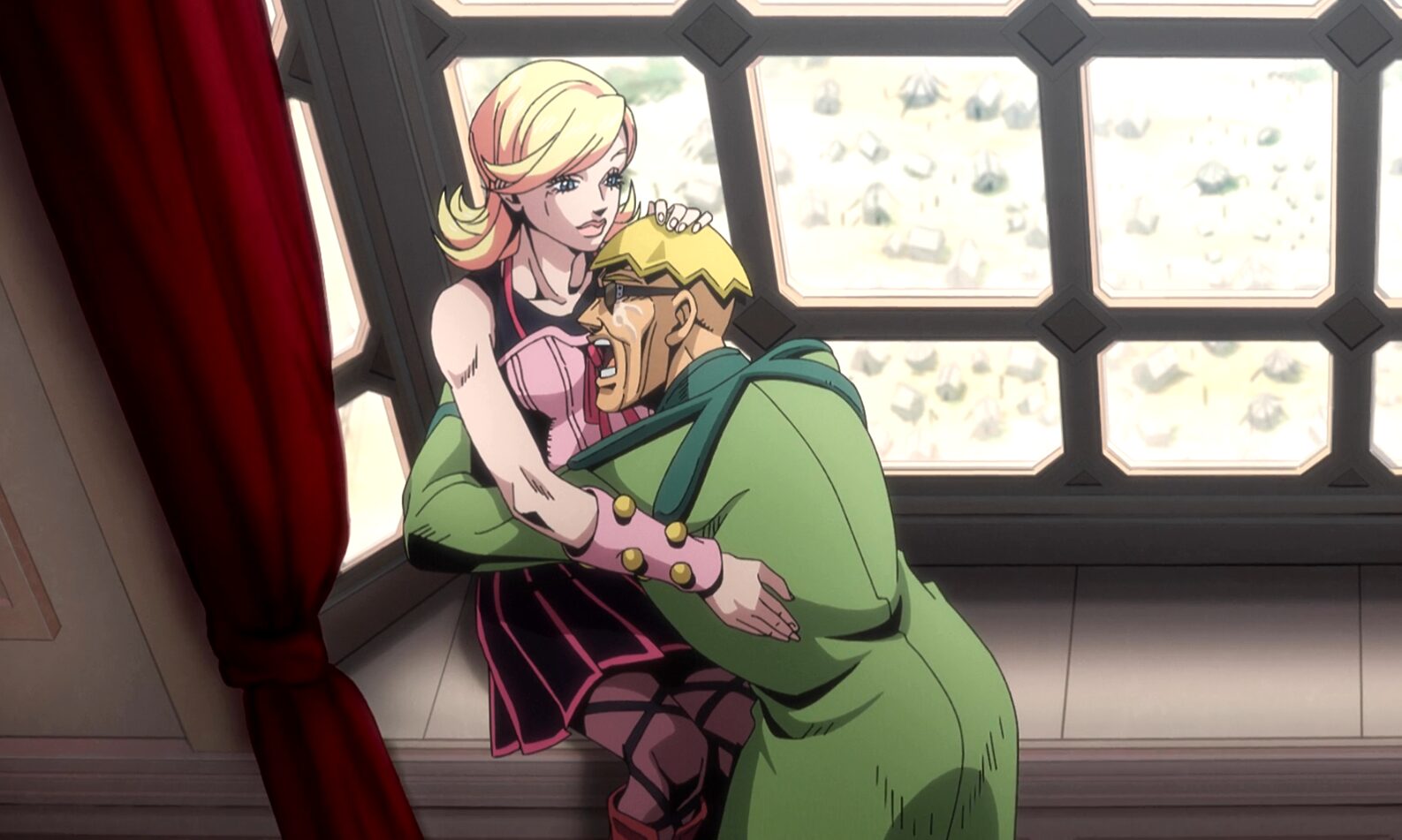
Lucy Steel is the only person in the entire Steel Ball Run who changes the outcome of the race without a Stand, without combat ability, and without anyone asking her to. She’s fourteen, she’s married to the race promoter for complicated reasons that aren’t as dark as they sound, and she spends most of the story doing things that should get her killed by people who are objectively more powerful than her in every measurable way.
She does them anyway, for a reason so simple it reads as naivety until you realize it’s the most clear-eyed motivation in the entire cast: she loves her husband and she’s not willing to watch the world destroy him.
Strengths:
👍 Brave without ability
👍 Loves with total clarity
👍 Changes everything quietly
Weaknesses:
👎 No Stand, no power
👎 Constantly outmatched
👎 Relies on others’ help
Archetype: Dandere — soft-spoken and easy to underestimate, with a courage that surfaces not in spite of her limitations but completely independent of them.
MBTI: ISFJ — The ISFJ who had no power, no Stand, and no business being in the middle of any of this — and ended up being the reason it turned out the way it did.
If you got Lucy Steel: You’re not the most powerful person in the room and you’ve never pretended otherwise — but you’ve also never let that be the reason you stayed on the sidelines.
The Lucy result says you operate from a clarity of purpose that most people with far more capability never find: you know exactly what you’re doing this for, and that knowledge makes the fear manageable in a way that training and power alone never could.
What makes you effective isn’t what you can do. It’s that you act when acting matters, while everyone with more ability is still calculating whether the risk is worth it. The risk is always worth it to you, because you already know what you’d lose if you didn’t try.
“I may not be able to fight. But I can still act.”
HikiChat:
The Race Doesn’t Care Who You Were at the Starting Line.
Three thousand miles of American frontier will do something specific to the person who rides it — not because the terrain is magical, but because sustained pressure over sustained distance reveals things that comfort keeps hidden. What you’re riding toward, what you’re actually capable of, what the person beside you means to you by the time you’ve survived enough together to stop pretending they don’t.
The quiz captures the starting point. The rest is the race.
BACKWARD