

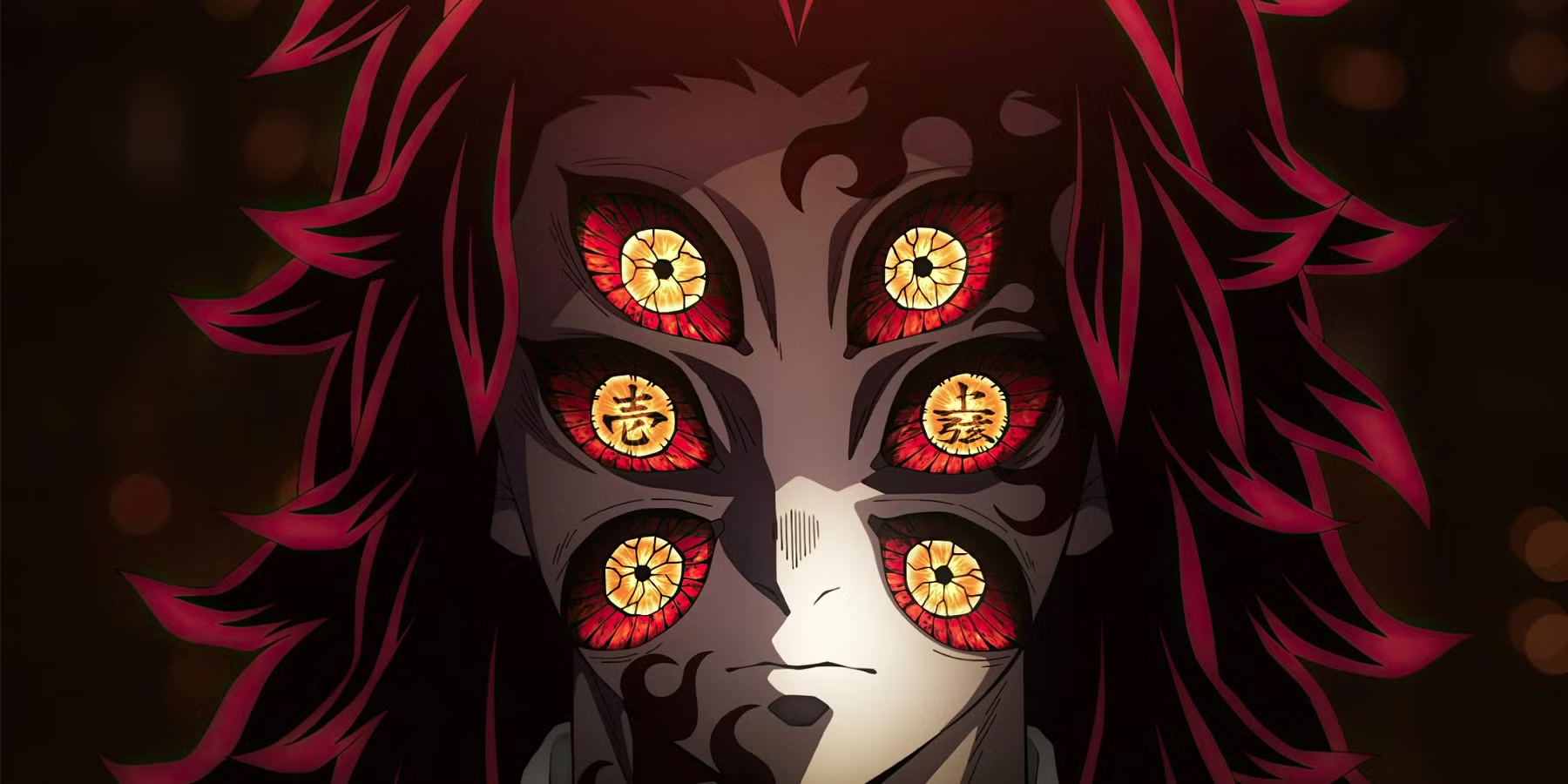

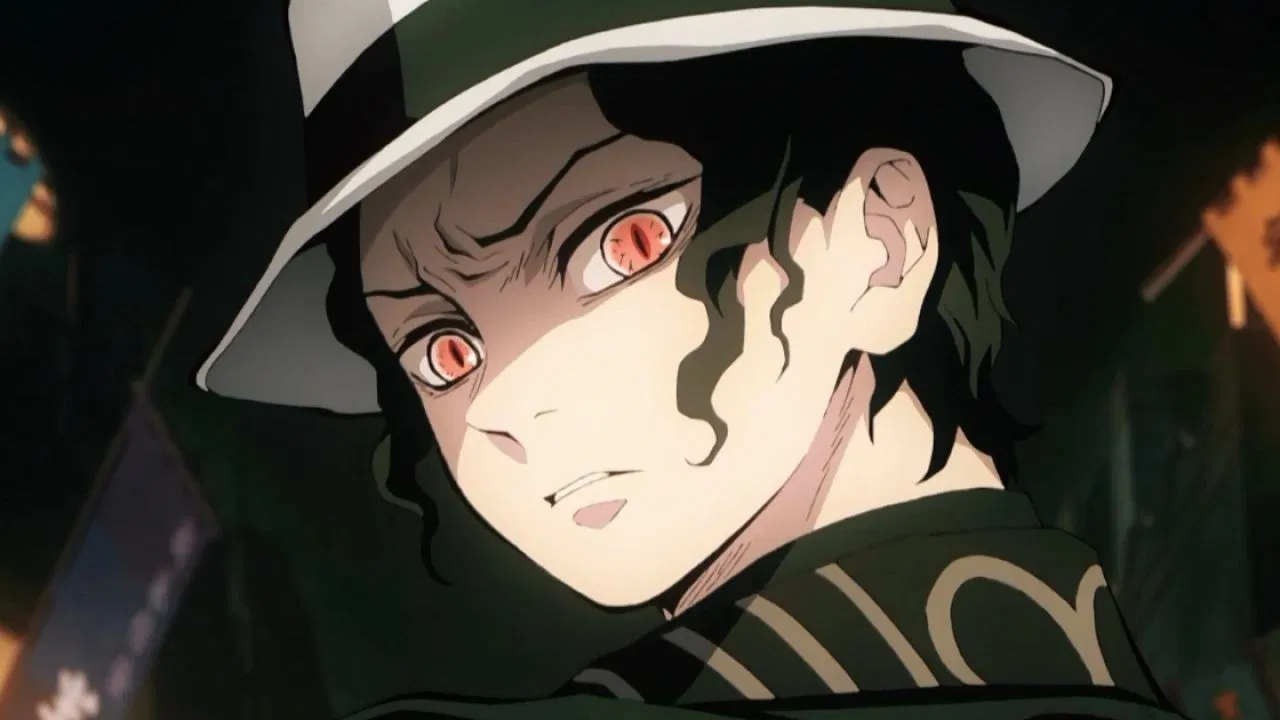








Every demon in this world was human once. That’s the premise the series returns to, death scene after death scene — the flashback that arrives when it’s too late to change anything, showing you who the demon was before Muzan found them.
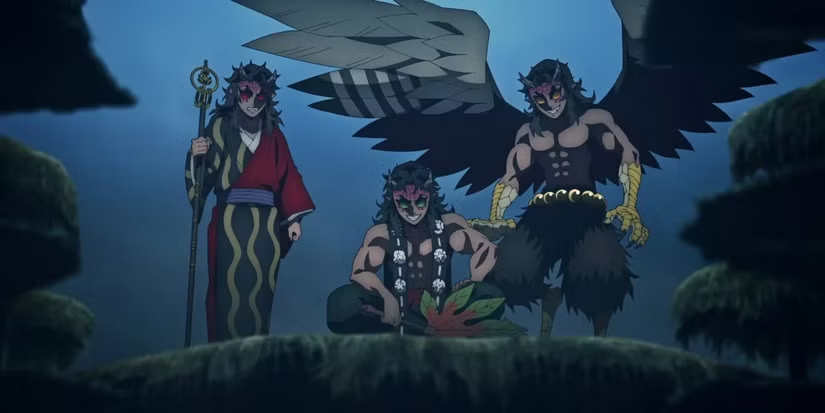
The Upper Moons are the strongest demons beneath Muzan himself. They’ve also been alive the longest, which means they’ve been carrying whatever they became for longer than most people can imagine. What they were before — the grief, the envy, the love, the emptiness — didn’t disappear. It just found a different shape. Find out which shape is yours.
Before you find out which Upper Moon you are, let this lo-fi cover of Gurenge carry you somewhere quieter for a few minutes.
Twenty questions to find out which Upper Moon was built from something that resembles what you carry.
- Pick the perfect atmosphere for your quiz journey – just pick one of the buttons above and set the mood.
- Relax – our quizzes aren’t MIT entrance exams 😉 They’re here to entertain you and deepen your connection with anime characters (and yourself).
- If none of the answers fit 100%, just choose the closest one – it’s enough for an accurate result.
- Enjoy the process — there are no right or wrong answers here.
- Try taking the same quiz more than once — sometimes the second result is the most surprising.
- Don’t forget to share your result with friends and invite them to find their anime self too!
Every Demon Was Human First — Why the Upper Moons Are Demon Slayer’s Most Interesting Characters
Demon Slayer does something unusual with its antagonists: it refuses to let them be simply evil. Every significant demon in the series gets a death scene that includes a flashback — a window into who they were before Muzan found them, before the transformation, before whatever wound became the thing that made them accept the offer.
Global Rating:
This structural choice is the series’ most radical decision and its most emotionally effective one.
The Blood Demon Arts extend this further. Each Upper Moon’s power is a direct expression of their psychology — the way they see the world, the things they value, the wounds they’re still carrying. The series makes this explicit in how it handles the deaths: the final moments show you not just who they were, but what the power was always really for.
Not combat. Something else. Something human that found its only available expression in a form that shouldn’t have been able to hold it.
Users Rating:
This is why the Upper Moon death scenes hit harder than they should for characters who just tried to kill the protagonists. The series earns the emotional response by doing something simple and difficult: it treats everyone who was ever human as someone who was, once, trying to survive something.
That doesn’t make them good. It makes them comprehensible. In Demon Slayer’s world, that turns out to be the more devastating choice.
The Wound Became the Demon. The Quiz Just Names Which One.
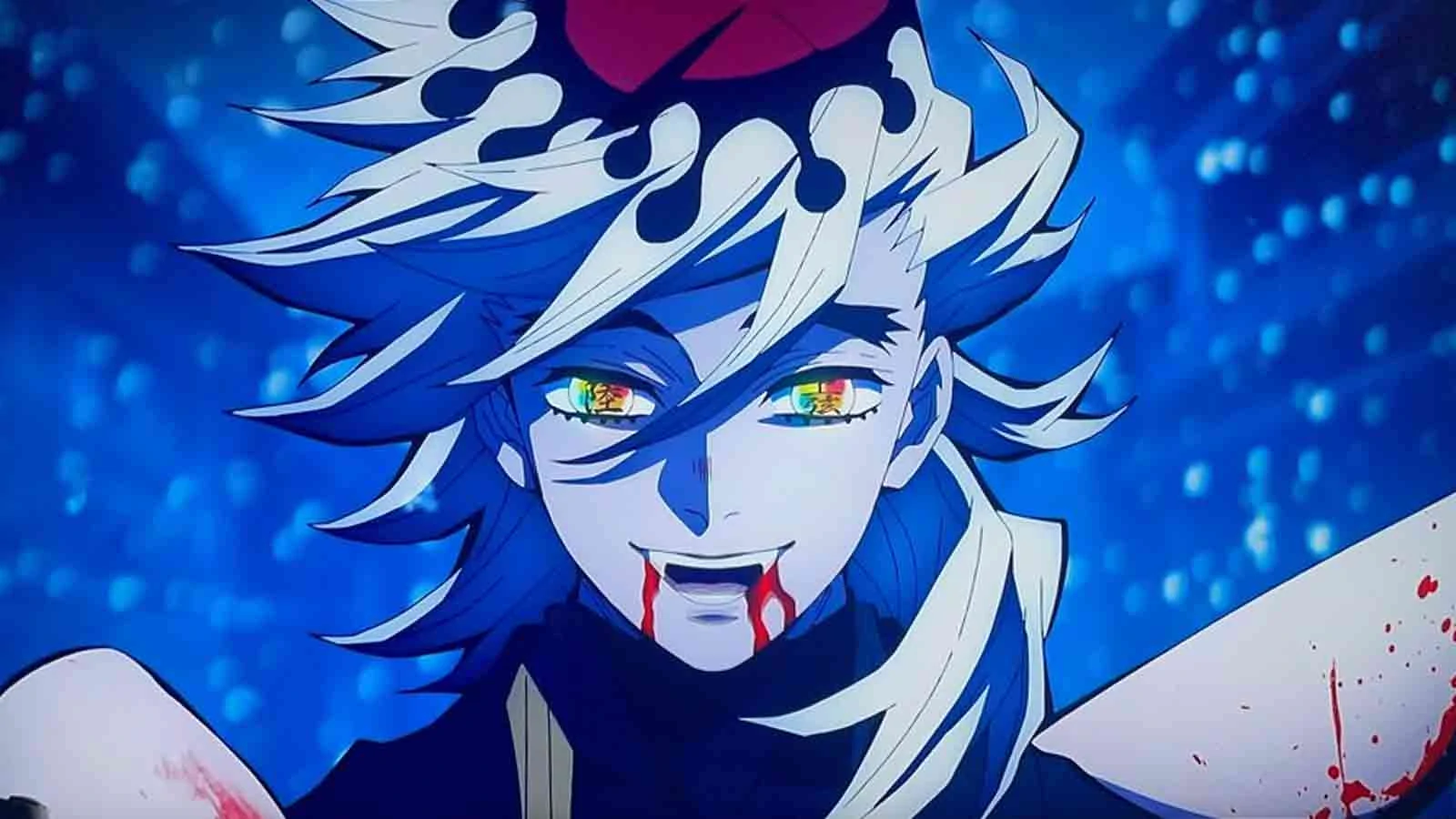
AKAZA / Upper Moon Three
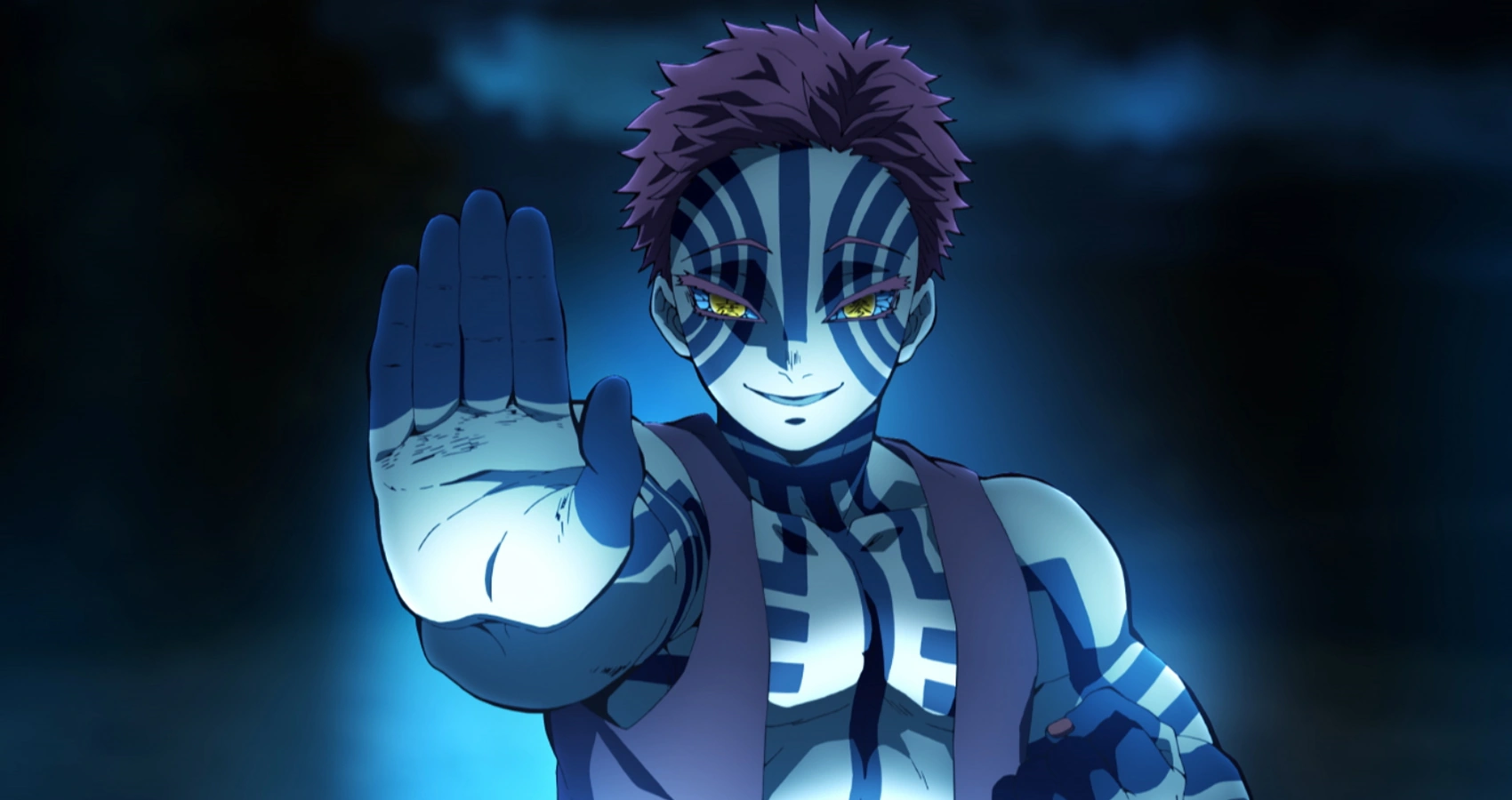
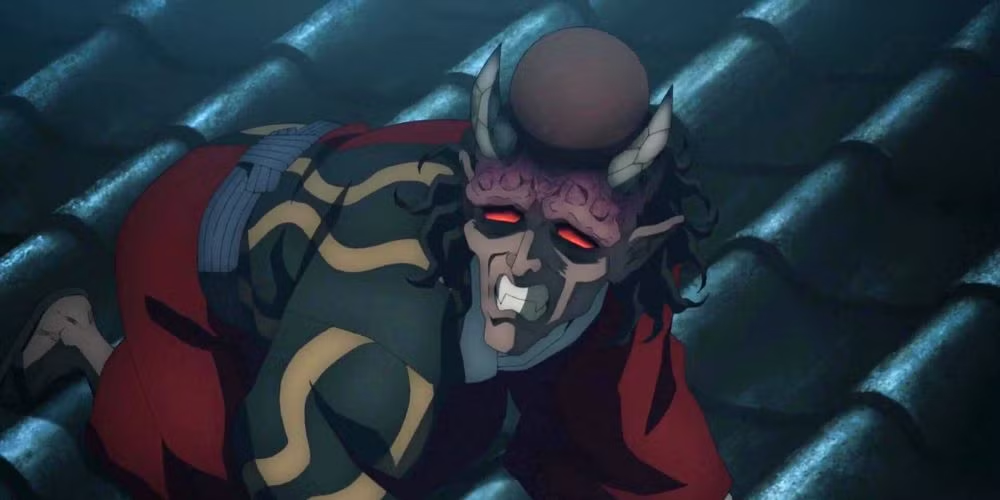
Akaza was Hakuji before he became a demon — a boy who learned to fight to protect his sick father, lost everything anyway, and then found a master and a girl he loved and built something worth having from nothing.
When he lost that too, to poison, to cruelty, to a world that kept taking things from people who had almost nothing to begin with, there was nothing left to refuse Muzan’s offer with. He became a demon who seeks only strength, fights only the strong, and refuses to kill women — a rule he can’t explain because he can’t remember what it’s for. The love he’s forgotten is still running everything.
Strengths:
👍 Praises worthy opponents
👍 Adapts to anything instantly
👍 Strongest martial arts demon
Weaknesses:
👎 Strength as only value left
👎 Lost the why before the how
👎 Can’t remember what he’s protecting
Archetype: Kuudere — closed off and operating entirely from principle, with the original feeling that generated the principle buried so deep it can only surface in the moment everything else falls away.
MBTI: ISTP — The ISTP who converted grief into discipline so completely that the grief became invisible, and the discipline became the only self he had left.
If you got Akaza: You’ve converted something important into something functional — grief, love, a reason — and the conversion was so complete that most people around you can’t see what’s underneath the capability anymore.
The Akaza result says you operate from a set of principles whose origin you’ve lost track of, which means you’re still protecting something you can no longer name. The discipline is real. The strength is real. What’s worth sitting with is whether you know what the strength was originally for — because somewhere underneath the function, the answer is still there. It surfaces in the rules you keep without being able to explain them.
“Koyuki… I remembered.”
DOMA / Upper Moon Two
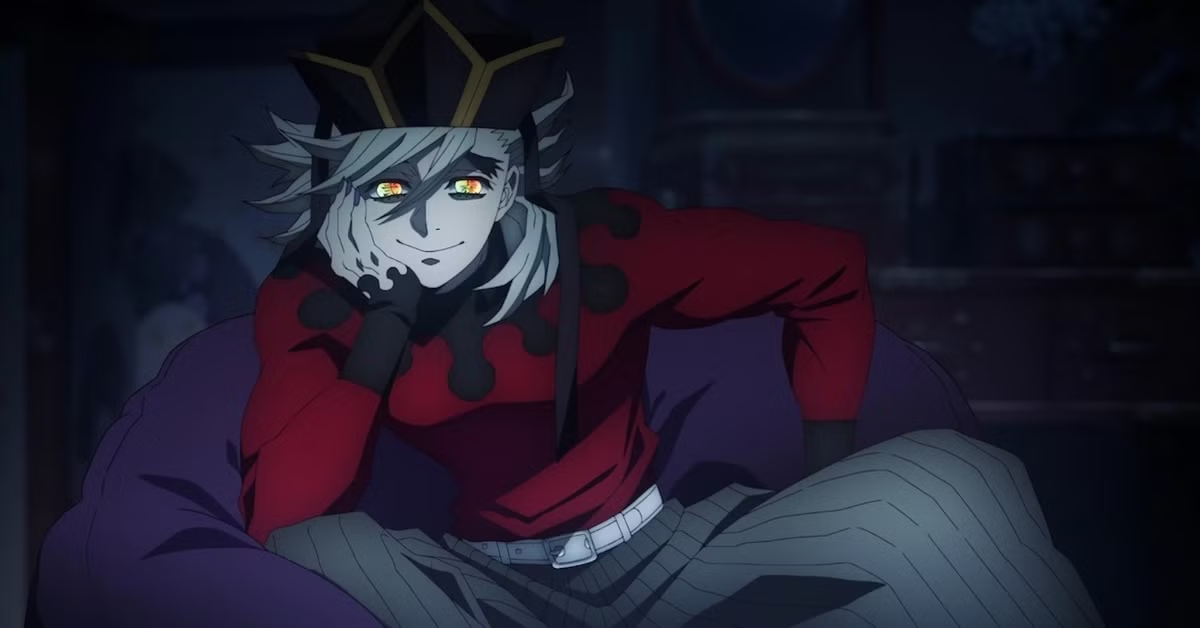
Doma was born unable to feel anything. No love, no hatred, no fear, no grief — a complete absence where the emotional architecture should be. He built a religion around himself because it was the most efficient way to consume people, smiled through everything because the smile was the most useful face available, and genuinely cannot understand why anyone finds him disturbing.
He didn’t choose emptiness. He was born into it. That’s what makes him the most unsettling Upper Moon — not cruelty, but the complete structural absence of the thing cruelty requires.
Strengths:
👍 Never loses composure
👍 Adapts perfectly to any room
👍 Reads people with precision
Weaknesses:
👎 No genuine stakes for him
👎 Nothing behind the reading
👎 The smile is the whole person
Archetype: Yandere — in the inverted sense: performing devotion and care with perfect accuracy while experiencing none of it, which is more disturbing than the conventional version.
MBTI: ENTP — The ENTP who learned to simulate every human emotion with technical precision and has never once experienced any of them.
If you got Doma: You read rooms and people with a precision that most people find either impressive or unsettling, and you’ve noticed that the reading is more reliable when it’s analytical rather than empathetic. The Doma result doesn’t mean you’re empty — it means something about the gap between understanding people and feeling with them resonated.
What’s worth examining is whether the performance of connection has become more comfortable than the thing it’s performing, and whether there’s someone or something that still gets through the analysis to something that actually registers.
If there is, that’s the part worth paying attention to.
“You’re so full of hatred. It’s beautiful, in its own way.”
KOKUSHIBO / Upper Moon One
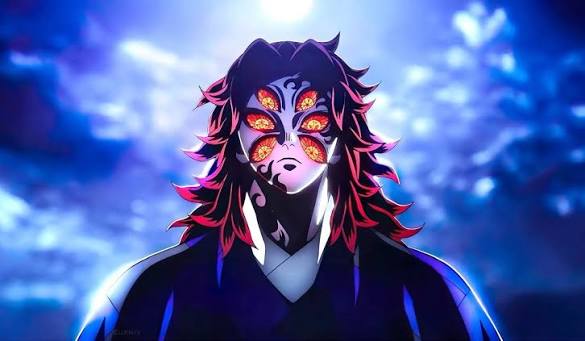
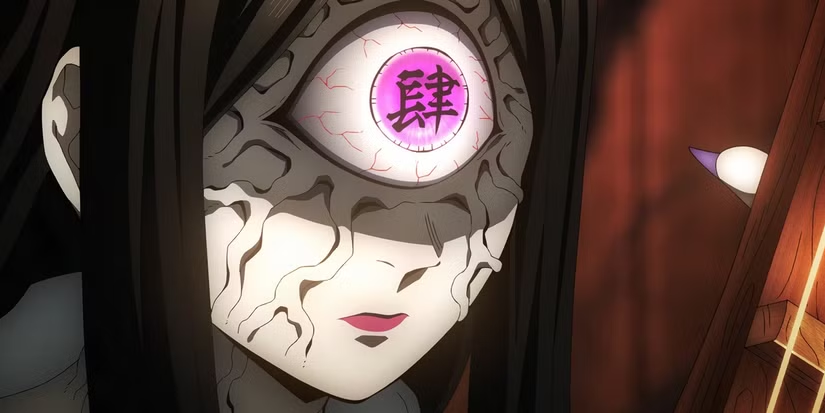
Kokushibo was Michikatsu Tsugikuni — the twin brother of Yoriichi, the greatest swordsman who ever lived. He was also exceptional. He just wasn’t Yoriichi, and that gap, widening over decades of watching his brother do effortlessly what he could never fully reach, became something he couldn’t put down.
He became a demon to escape death, to have enough time to surpass his brother. He outlived Yoriichi by centuries and never surpassed him. He’s still carrying the envy. It never stopped being the loudest thing.
Strengths:
👍 Mastery beyond anyone alive
👍 Disciplined past all measure
👍 Combines two worlds uniquely
Weaknesses:
👎 Envy runs everything still
👎 Never free of the comparison
👎 Lost what made him human for this
Archetype: Kamidere — convinced of his own exceptional capability while simultaneously unable to stop measuring it against the one standard he can never meet.
MBTI: INTJ — The INTJ who spent eternity becoming extraordinary and could never stop noticing that extraordinary wasn’t the same as what his brother simply was.
If you got Kokushibo: You’re genuinely exceptional — and the part of you that knows that is in constant, exhausting conversation with the part of you that keeps measuring it against something it can’t reach.
The Kokushibo result says you’ve built real, hard-earned capability, and that the building has been partly driven by a comparison that was never fair and has never quieted. What you’ve become is real regardless of the origin.
The question is whether you’ve ever let yourself exist outside the measurement long enough to know what you actually are when nobody’s watching and nothing’s being compared.
“What have I… been doing all this time?”
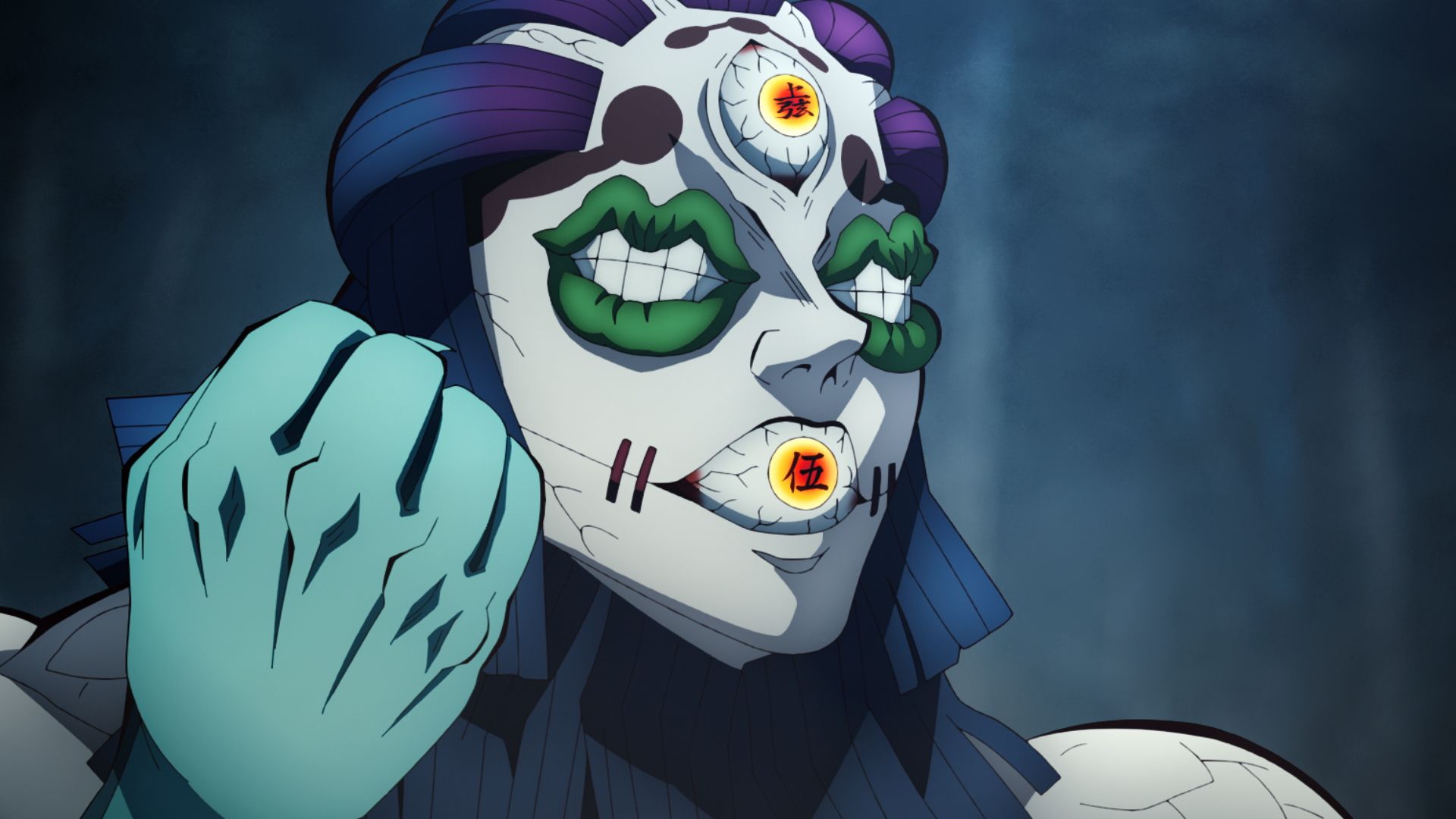
GYUTARO / Upper Moon Six
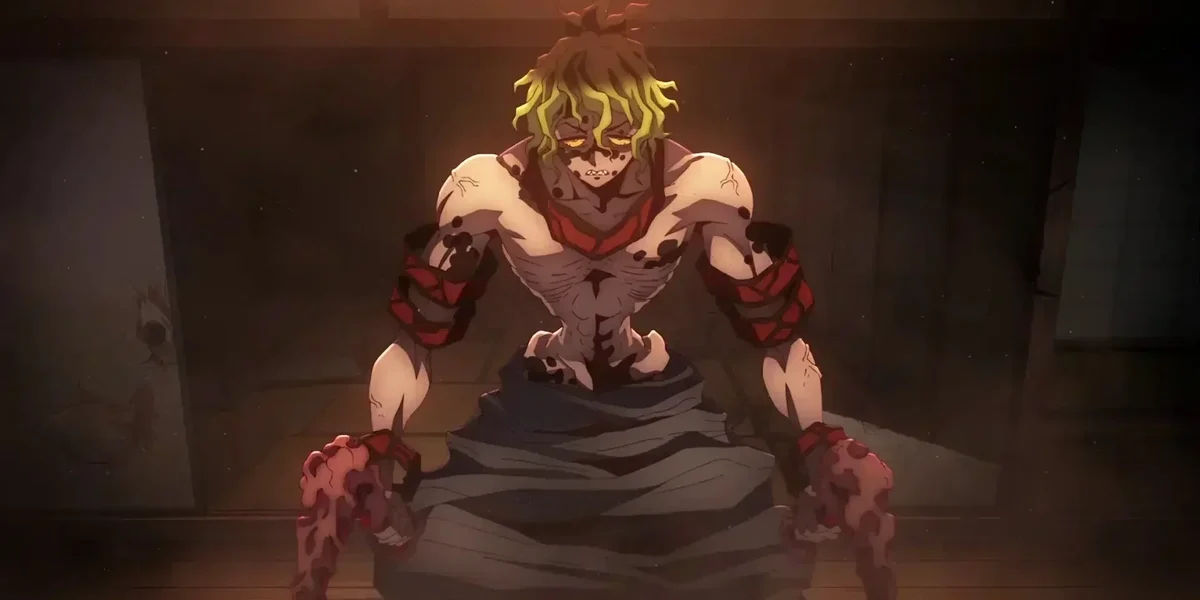
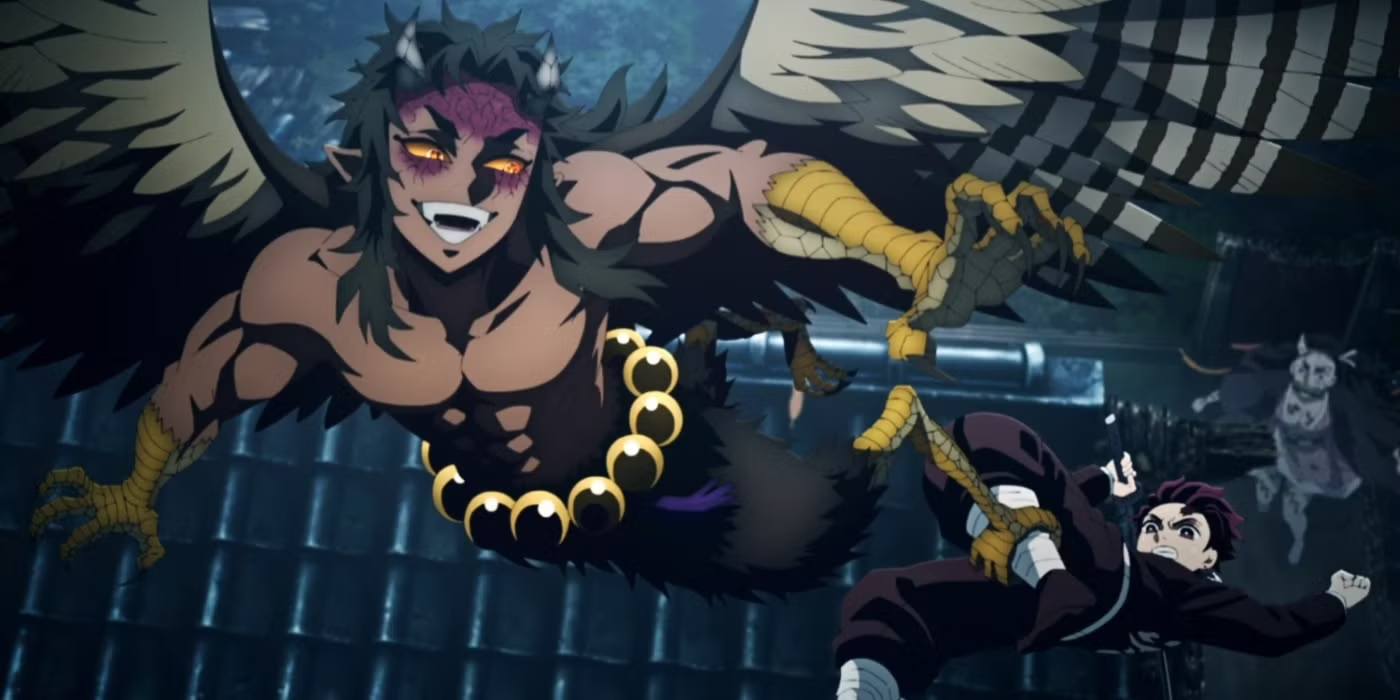
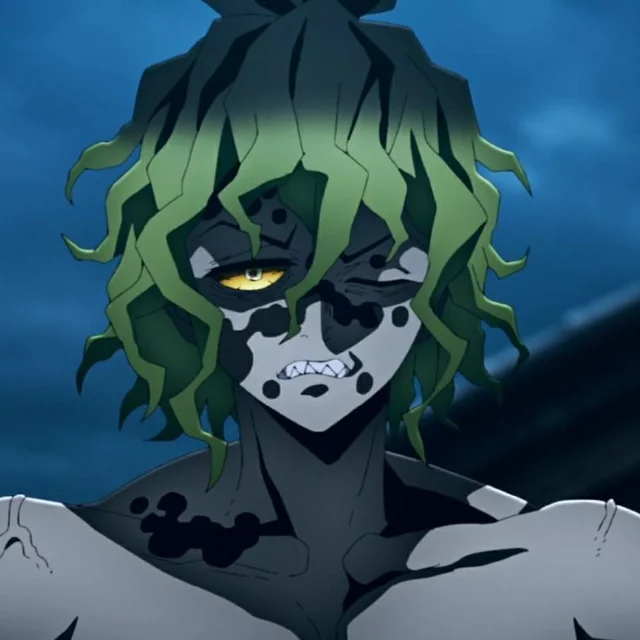
Gyutaro grew up in the worst part of the Entertainment District with nothing — ugly, starving, discarded by everyone around him. He learned to fight, earned his place through sheer vicious capability, and was killed anyway. Doma turned him into a demon.
He went back for his little sister because that’s the one thing he has never once wavered on: Daki is his and he is hers and no version of survival that doesn’t include her is worth having. His resentment toward the world is genuine and enormous. His love for his sister is the same size.
Strengths:
👍 Fights for something real
👍 Survives what should be fatal
👍 Protects with absolute devotion
Weaknesses:
👎 World is enemy by default
👎 Resentment colors everything
👎 Tenderness only in one direction
Archetype: Tsundere — hostile and resentful toward everything except the one person for whom the hostility completely inverts into something total and unconditional.
MBTI: ISFP — The ISFP who decided the world owed him nothing and his sister everything, and organized an entire existence around that distinction.
If you got Gyutaro: You came up without much being handed to you, and the world confirmed that reading often enough that resentment became structural rather than occasional. The Gyutaro result says you protect the people who matter to you with a completeness that most people never develop, because you learned early that nobody else was going to do it.
The love is real and the resentment is real and they live in the same person without resolving. What’s worth examining is whether the resentment has expanded past the situations that generated it into ones that don’t deserve it — and whether there are people beyond the one or two you’ve always protected who might be worth letting in.
“We were always together. Even now.”
HikiChat:
The Demon Remembers What the Human Forgot. The Quiz Just Finds Out Which Memory Is Yours.
Every Upper Moon was built from something human that found no other way to survive. The wound became the power. The power became the identity. What was underneath never fully disappeared — it just found the only expression still available to it, in a form that the person who started it would not have recognized, and might not have chosen.
The quiz asked what you carry and how you carry it. The Upper Moon you got is the shape that carrying takes when it runs long enough and deep enough to become something else.
BACKWARD