


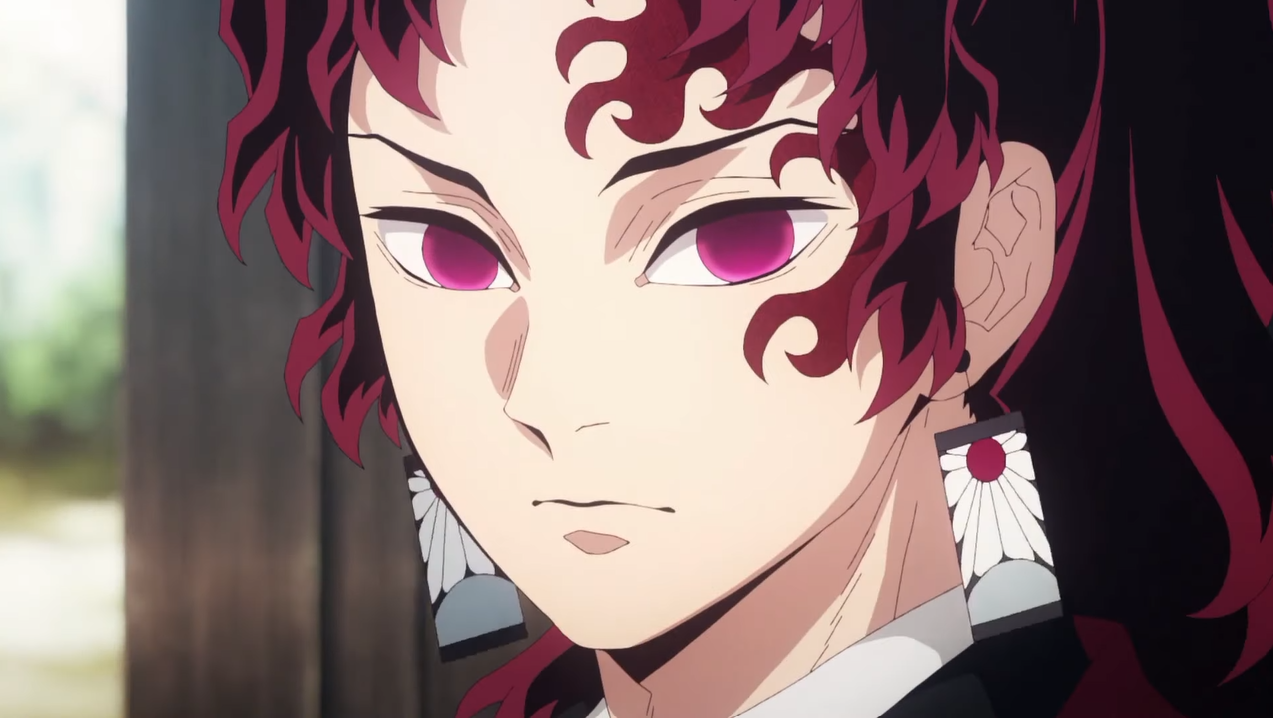



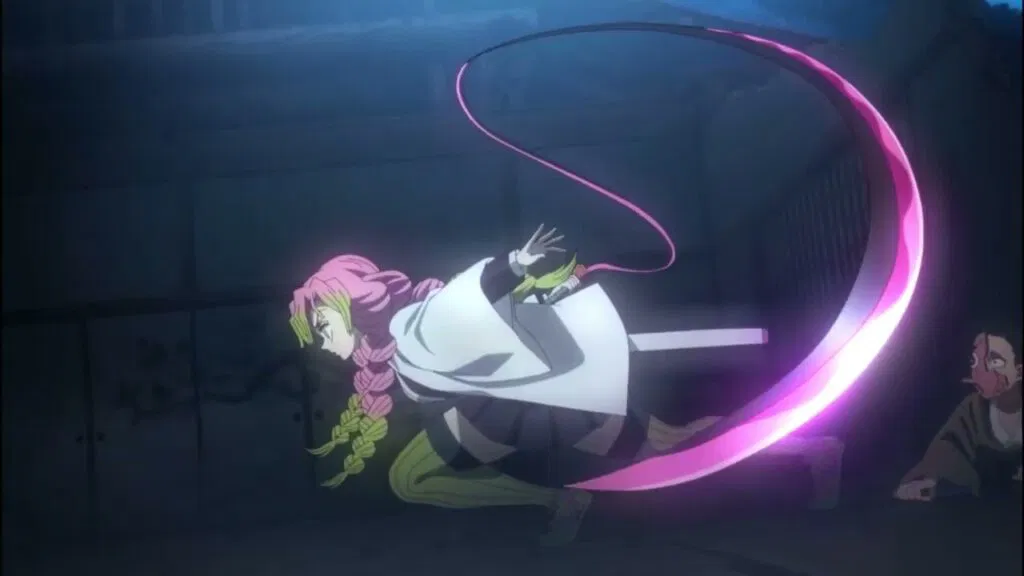
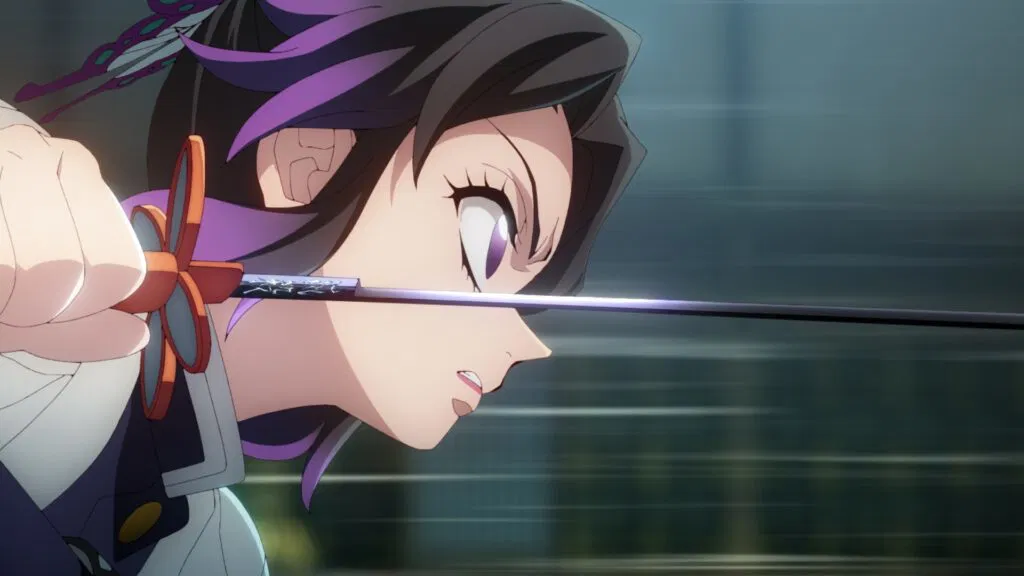
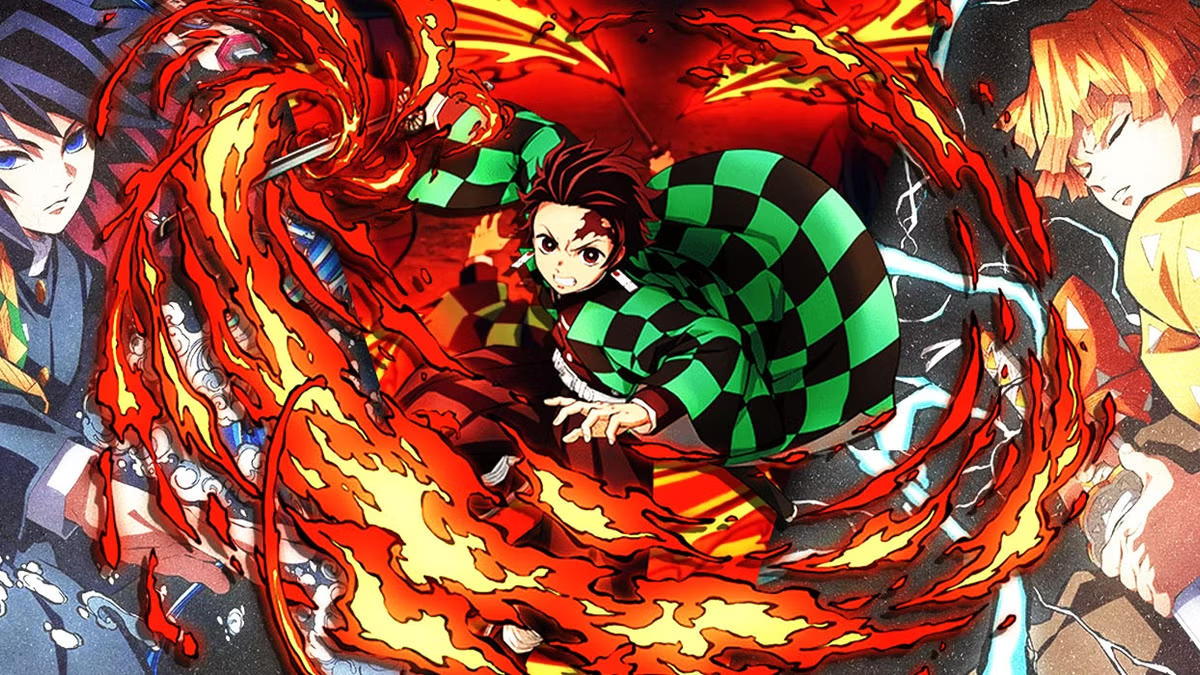













All breathing styles descended from one — Sun Breathing, created by Yoriichi Tsugikuni, the most gifted swordsman who ever lived. He tried to teach it to his students and couldn’t. Not because they weren’t exceptional, but because Sun Breathing required something innate that couldn’t be learned. So Yoriichi did something different: he looked at each student’s individual strengths and modified his teachings to fit who they actually were.
What emerged were the five fundamental styles — Water, Flame, Thunder, Wind, Stone — each one a different answer to the same question: how do you translate a human body’s absolute limits into something that can stand against a demon? The style you’d master isn’t random. It’s already inside you. This quiz finds out which one.
Total Concentration. Even breaths. Let this lo-fi cover of Zankyosanka carry you through while you find out which element is yours.

Answer 20 questions, master your technique, and unleash your element before the demon closes in.
- Pick the perfect atmosphere for your quiz journey – just pick one of the buttons above and set the mood.
- Relax – our quizzes aren’t MIT entrance exams 😉 They’re here to entertain you and deepen your connection with anime characters (and yourself).
- If none of the answers fit 100%, just choose the closest one – it’s enough for an accurate result.
- Enjoy the process — there are no right or wrong answers here.
- Try taking the same quiz more than once — sometimes the second result is the most surprising.
- Don’t forget to share your result with friends and invite them to find their anime self too!
One Sword — Five Philosophies
Every breathing style in Demon Slayer came from the same place and went somewhere completely different. Yoriichi Tsugikuni created Sun Breathing as a single unified technique — and then spent his life watching talented people fail to learn it, because it required something innate that couldn’t be transferred through instruction.
Global Ratings:
So instead of finding students worthy of his style, he looked at each student and built a version of his technique around what they actually were.
Users Ratings:
The tree keeps growing because people keep being more specific than any template anticipated.
The Style Has Already Started Forming Inside You
WATER BREATHING
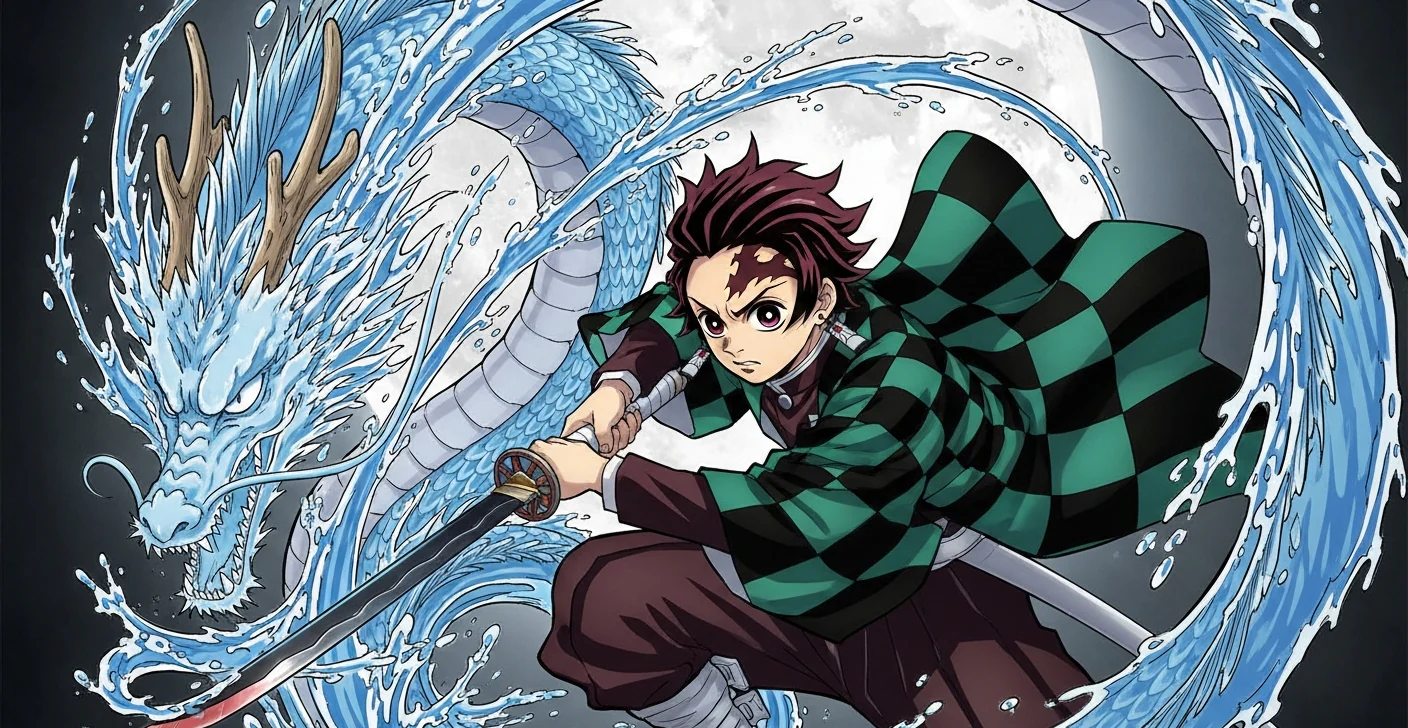
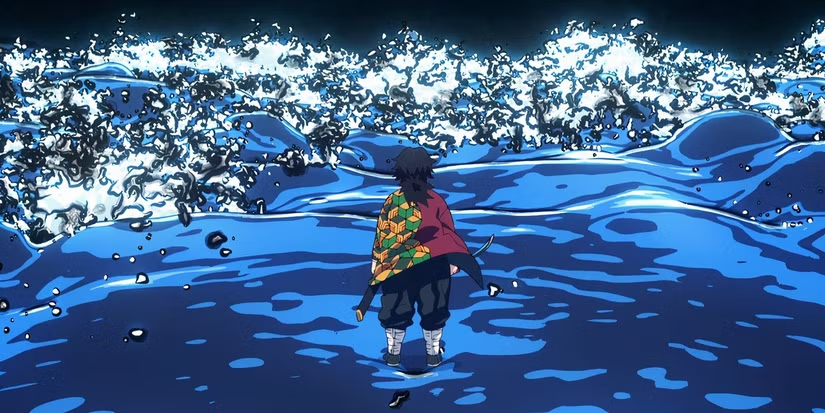
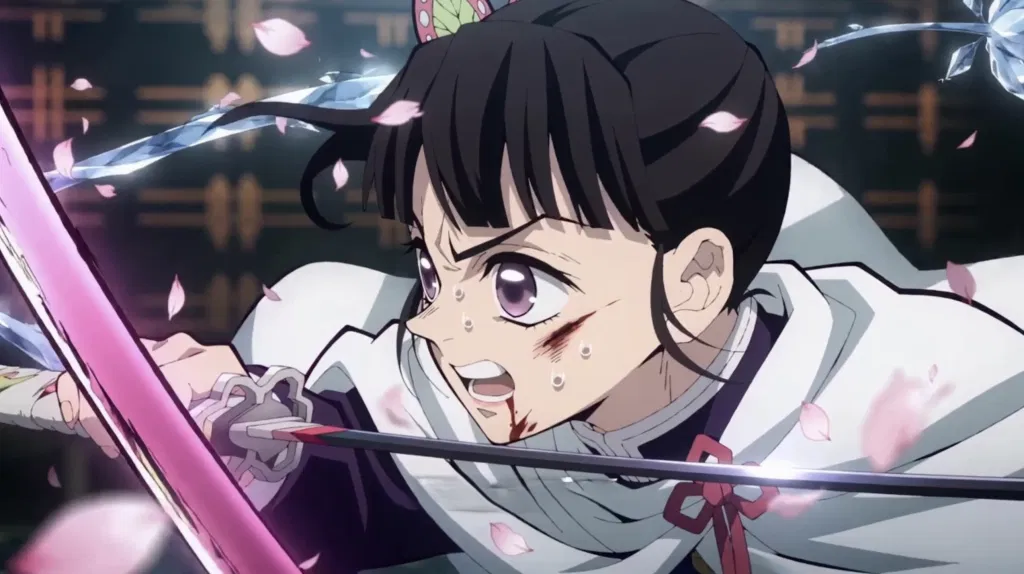
Water Breathing is built on adaptation — working with a situation’s energy rather than opposing it directly. Its forms flow through obstacles, redirect force, and find paths that rigid approaches can’t access. The most widely taught style in the Corps not because it’s easiest, but because its core principle applies to the widest range of bodies and situations.
The water doesn’t decide how to move until it sees the shape of what it’s moving through.
Strengths:
👍 Adapts to anything
👍 Conserves energy well
👍 Defensive and offensive
Weaknesses:
👎 Less raw power
👎 Slower decisive strikes
👎 Requires situation-reading
MBTI match: INFJ — The INFJ who understands that finding the path through is more effective than breaking through, and practices until the path becomes instinct.
If your style is Water Breathing: You process situations before you respond to them — reading the shape of what’s in front of you and finding the path that uses its own momentum rather than fighting it. That’s not passivity. It’s efficiency that looks effortless from the outside and took significant discipline to develop.
You’re more effective in situations that others find chaotic because chaos gives you more material to redirect. The real discipline isn’t learning to flow — it’s learning when to stop flowing and cut.
FLAME BREATHING
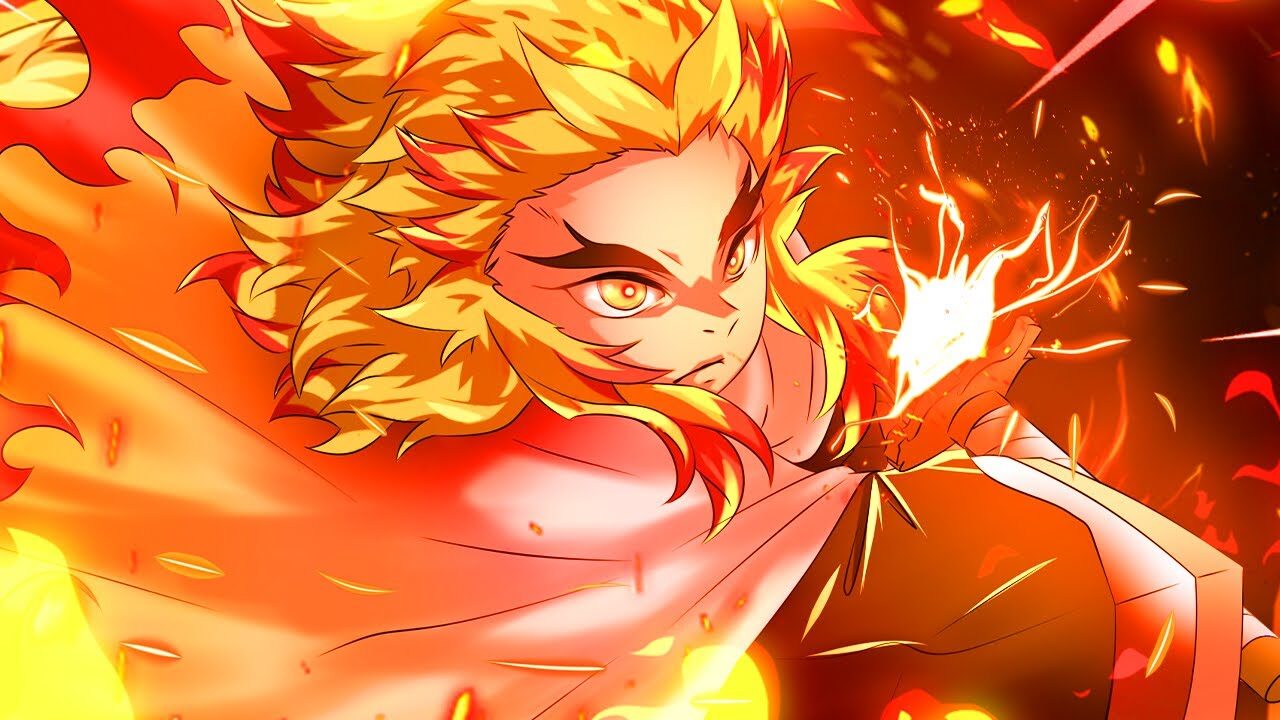
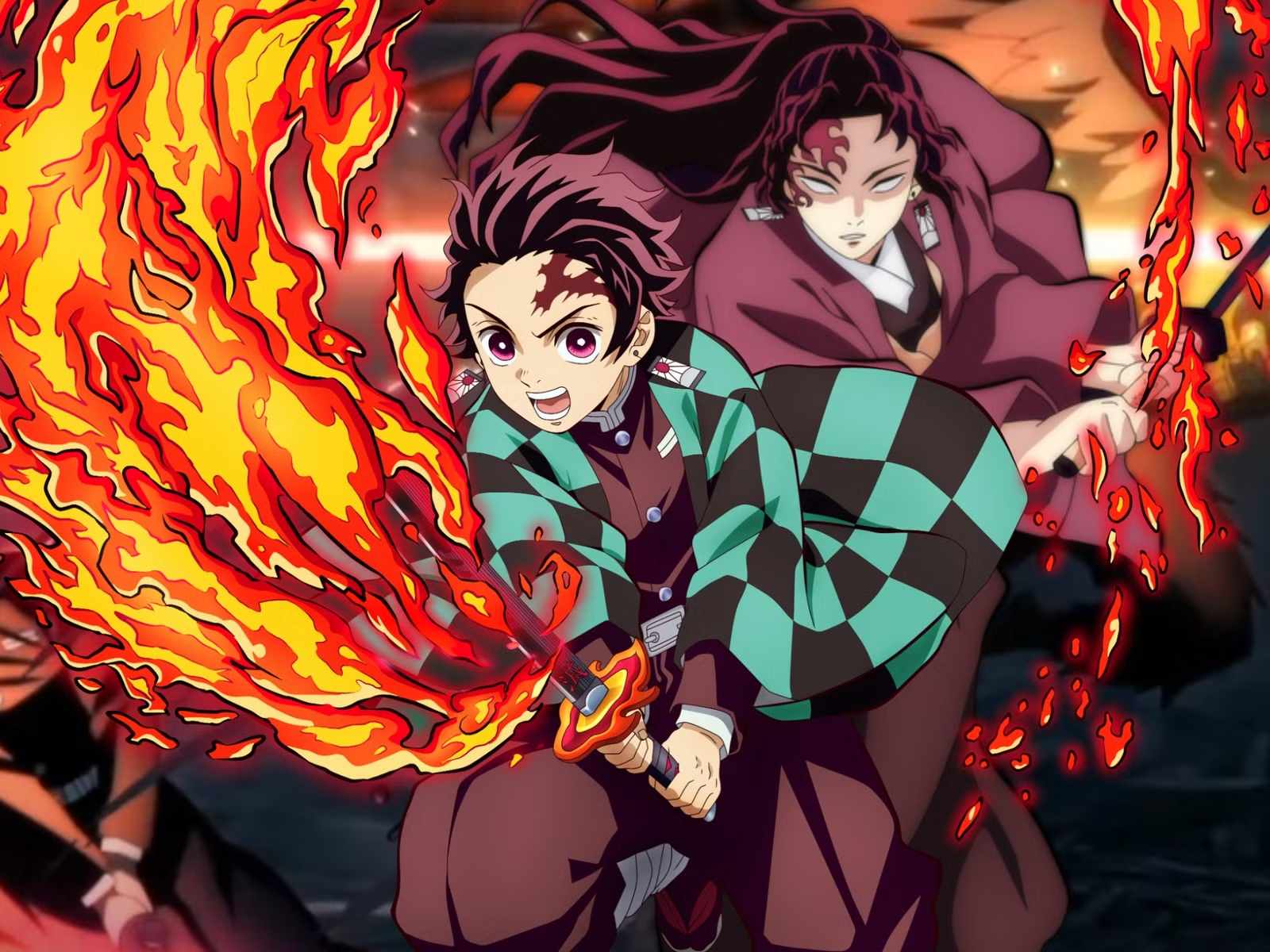
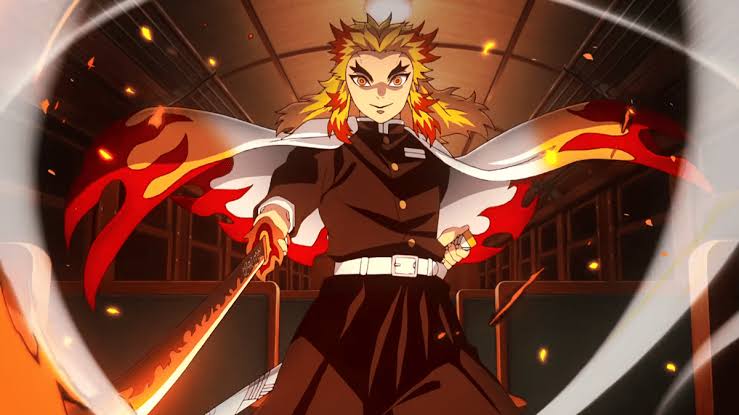
Flame Breathing has no defensive forms. Every technique is an attack, every movement goes forward, and the entire philosophy is built on the premise that conviction expressed with total commitment is the most effective protection available. The flame doesn’t negotiate its direction.
The style rewards practitioners who can sustain absolute forward momentum — who don’t flinch, don’t hedge, and don’t stop until the fight is resolved.
Strengths:
👍 Singular strike efficiency
👍 Unyielding forward momentum
👍 Overwhelming offensive power
Weaknesses:
👎 No room to retreat
👎 No defensive techniques
👎 Demands total commitment
MBTI match: ENFJ — The ENFJ who discovered that going completely, without reservation, is both the most effective strategy and the most honest way to stand for something.
If your style is Flame Breathing: You don’t hedge. When you’ve decided something matters, you go toward it completely — no reservations, no contingency built into the commitment. The Flame result says your conviction is structural rather than situational: it doesn’t require favorable conditions to operate and doesn’t dim when things get difficult.
What this demands is that the thing you’re burning toward is actually worth burning for, because the style has no mechanism for reconsidering mid-strike. The discipline isn’t learning to go forward. It’s knowing what you’re going forward for before the form begins.
THUNDER BREATHING
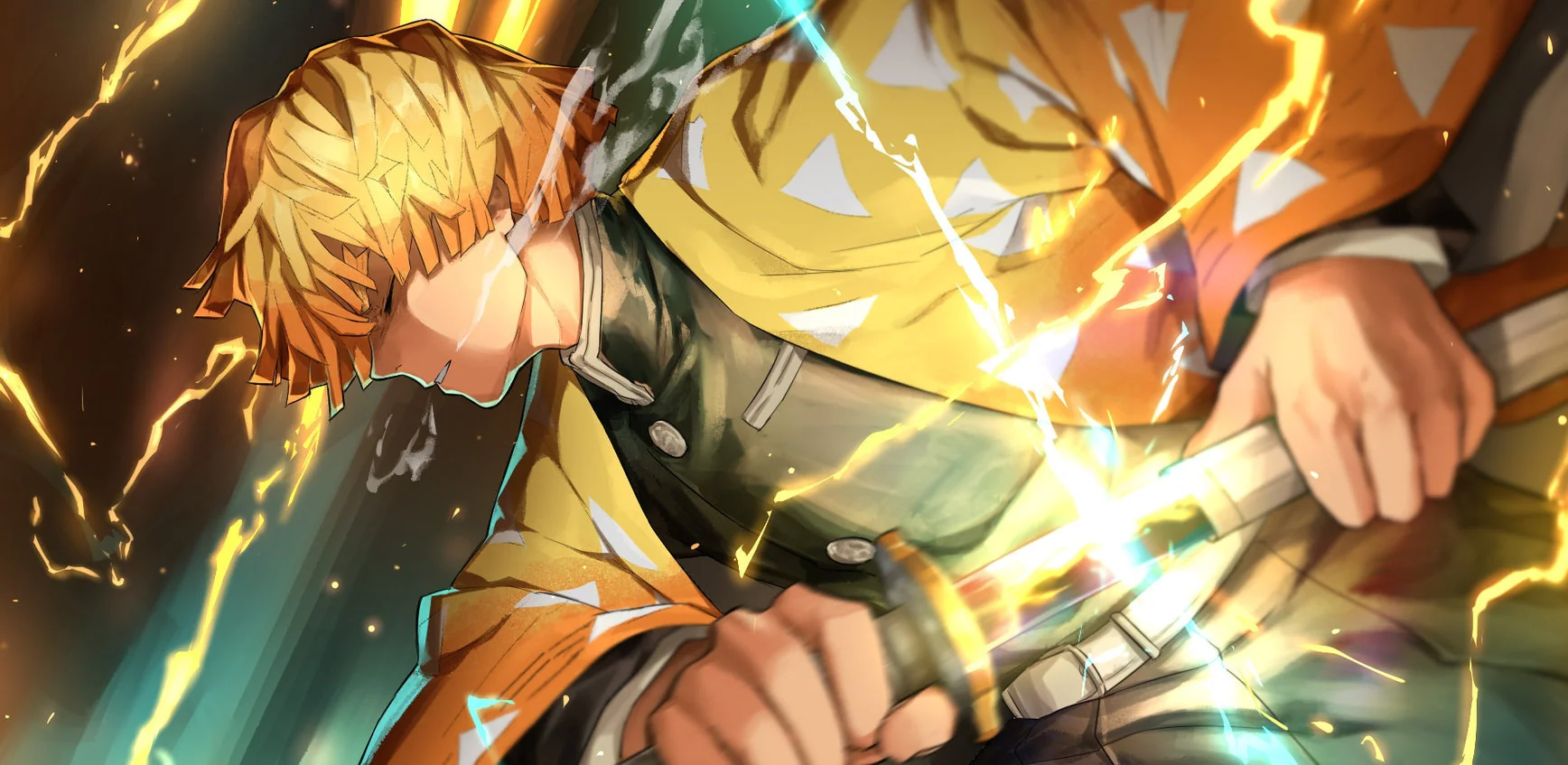
Thunder Breathing channels everything into the legs to achieve speeds that make the sword strike seem to arrive before the movement that caused it. Its entire logic rests on a single premise: at sufficient speed, the gap between intent and outcome collapses.
The style doesn’t flow around problems or burn through them — it eliminates them before they have time to respond. One form, executed faster than anything can track, has ended more fights than most practitioners’ full repertoire.
Strengths:
👍 Fastest of all base styles
👍 Speed creates invulnerability
👍 Strikes before response forms
Weaknesses:
👎 Single-point commitment
👎 Narrow situational range
👎 Requires perfect execution
MBTI match: ISTP — The ISTP who understood that perfect execution of one thing, done faster than anything can respond to, is more reliable than versatility.
If your style is Thunder Breathing: You’ve found the thing you do better than almost anything else and gone deep on it rather than broad. The Thunder result says you understand that perfect execution of one precise capability is more reliable under pressure than competent execution of many — that when the situation is genuinely critical, depth beats breadth.
The risk is that a style built on one perfect movement has limited recourse when that movement is countered. The practitioners who last are the ones who have internalized not just the speed, but the judgment about exactly when to use it.
WIND BREATHING
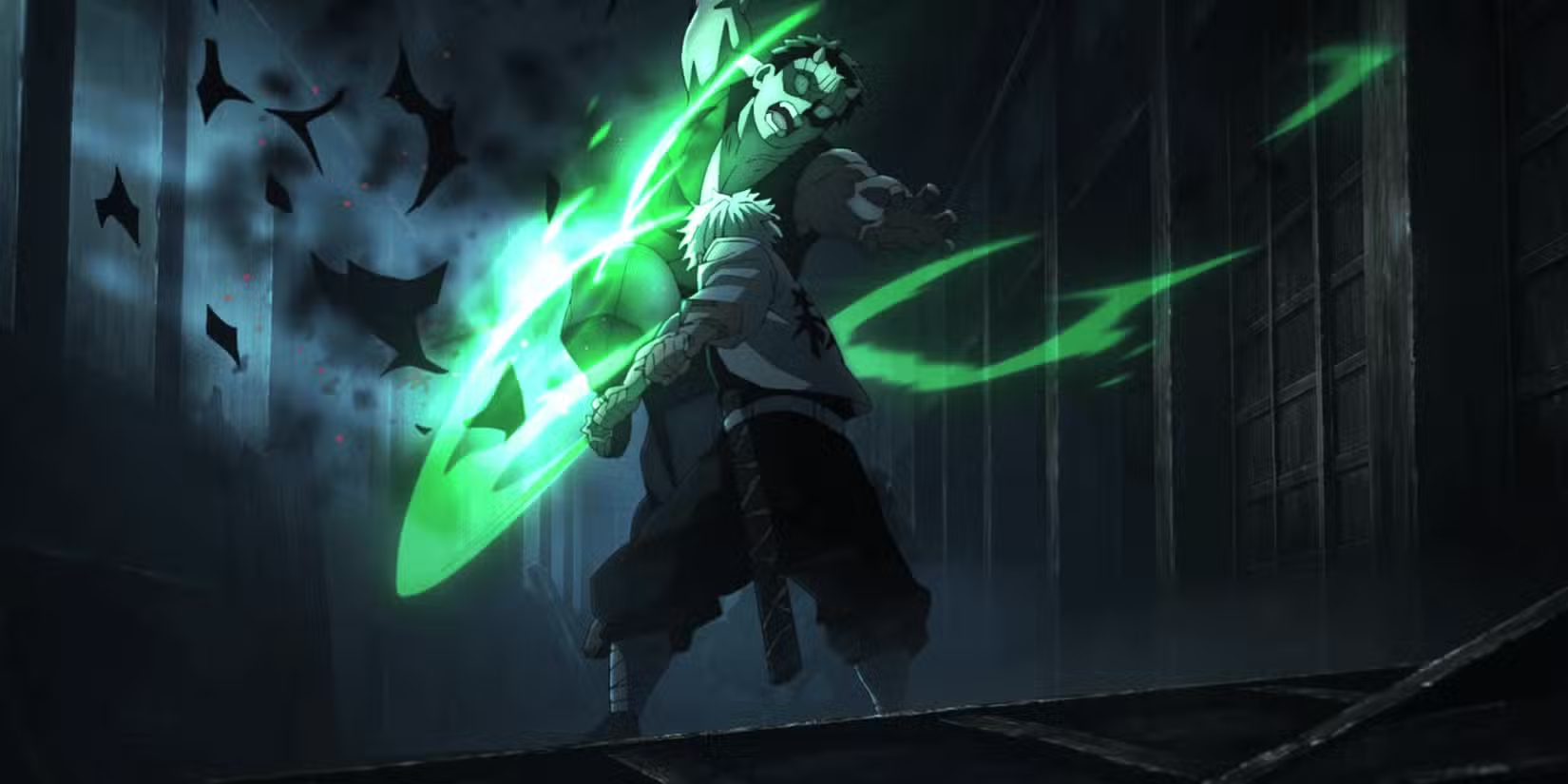
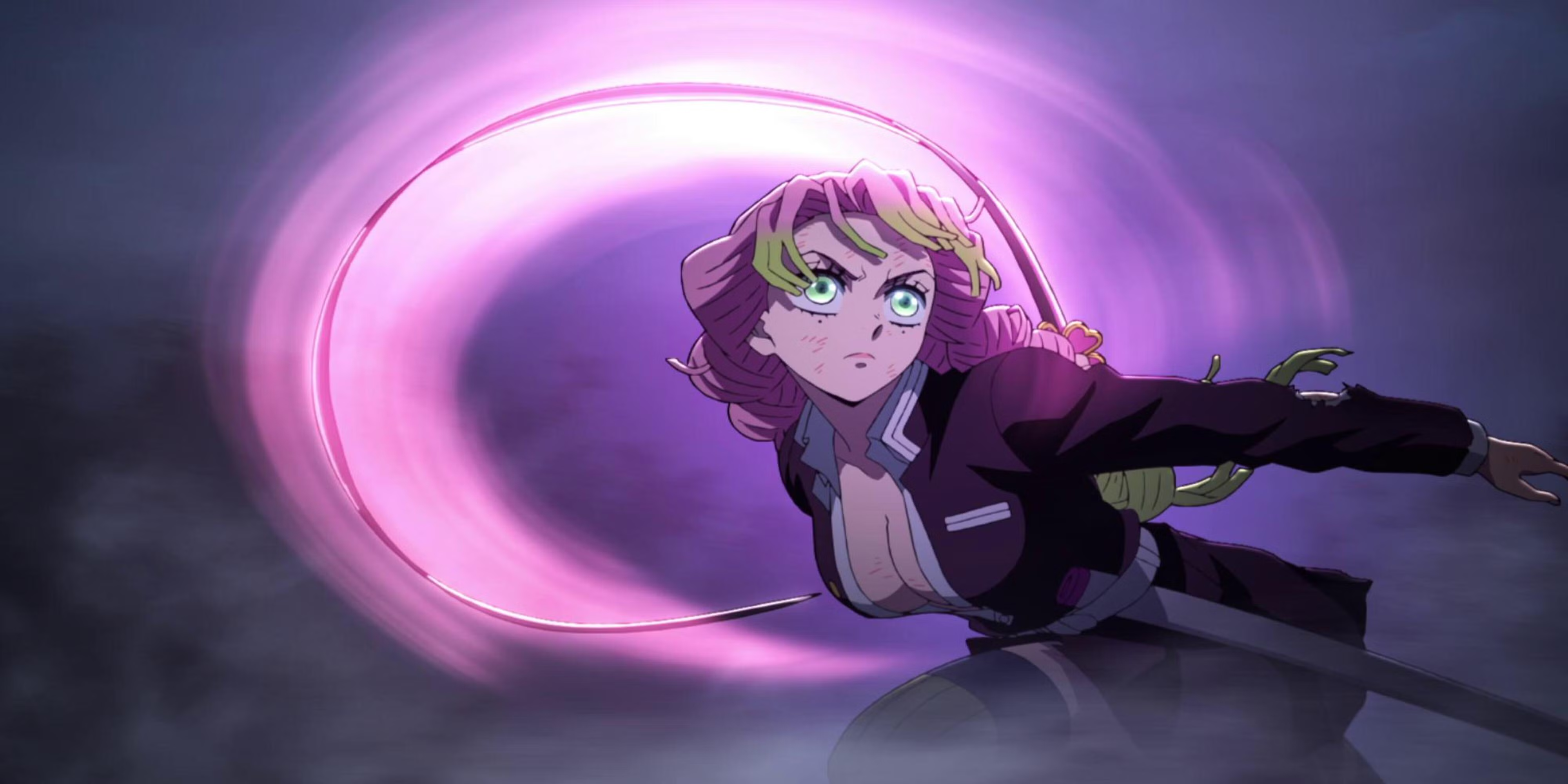
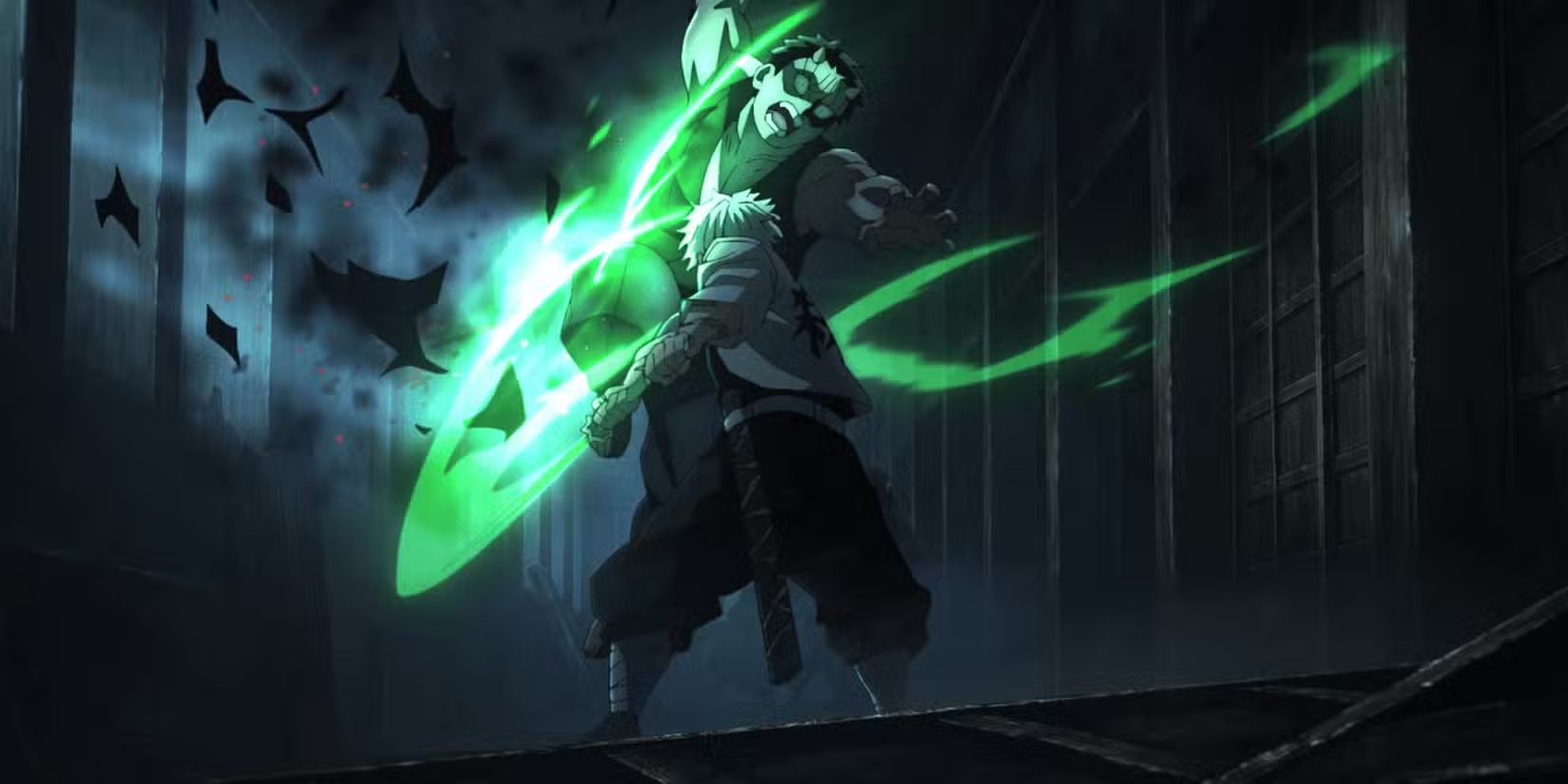
Wind Breathing is purely offensive — forms built entirely around continuous, sweeping attacks that cover wide areas and don’t stop. Where Thunder is a single overwhelming point, Wind is constant rotating pressure that doesn’t give anything time to reorganize. The style’s strikes create whirlwinds extending the blade’s reach beyond its physical length, hitting multiple targets simultaneously.
The philosophy embedded in Wind Breathing is refusal: refusal to slow down, refusal to give ground, refusal to let anything find a gap between one strike and the next.
Strengths:
👍 Relentless pressure
👍 Wide area coverage
👍 Multi-target capability
Weaknesses:
👎 Pure offense, no recovery
👎 Demands constant output
👎 Exhausts the practitioner
MBTI match: ESTP — The ESTP who discovered that constant forward pressure is both a combat philosophy and a way of life, and hasn’t stopped moving since.
If your style is Wind Breathing: You don’t give things room to reorganize. Whether it’s a problem, an opponent, or a situation trying to get worse — your instinct is to keep applying pressure until it resolves, because stopping has never felt viable. The Wind result says your aggression is purposeful, built from something specific rather than general hostility.
The risk is that constant pressure at this intensity is expensive — it costs more than it looks like from the outside. The practitioners who last are the ones who know what they’re protecting that makes the cost worth paying. You already know what that is. The style just makes it visible in every strike.
HikiChat:
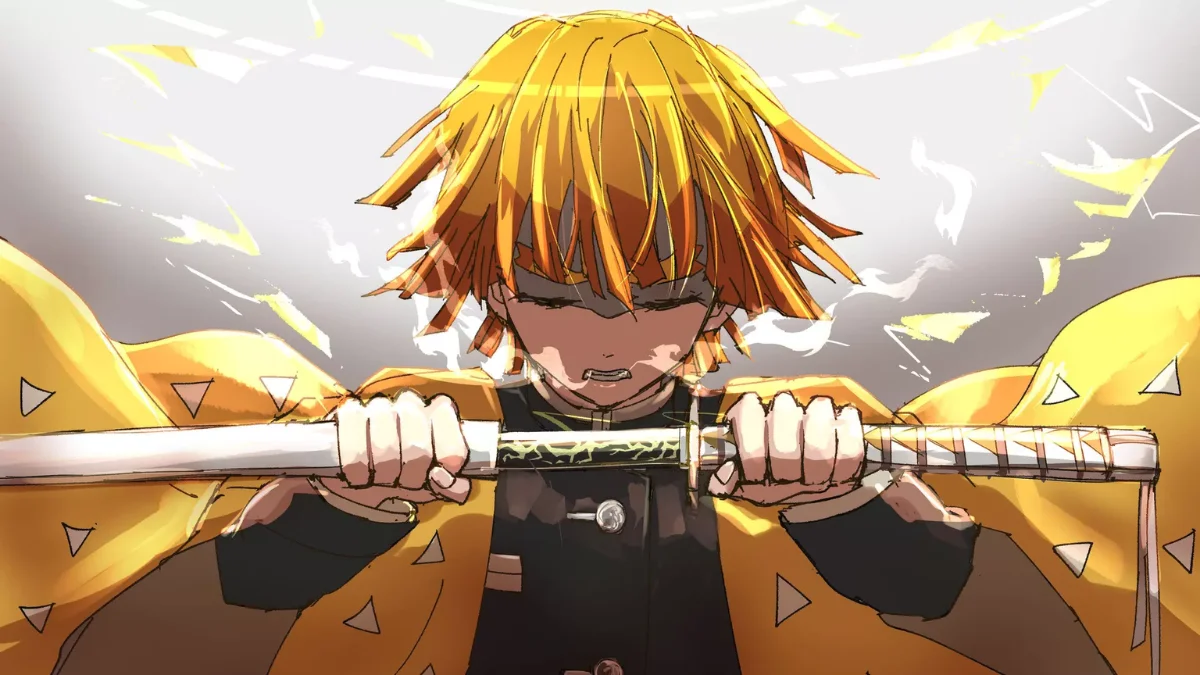

Yoriichi Didn’t Pick Styles For His Students. He Watched Them Until the Style Became Obvious.
The breathing style system isn’t a menu. It’s a mirror — the kind that takes time to show you something accurate. Water doesn’t just flow. Flame doesn’t just burn. Thunder doesn’t just strike fast. Wind doesn’t just refuse to stop. Each one is a philosophy about how a specific kind of person meets the world at its most resistant.
The quiz asked how you move, how you think, what you reach for when theory runs out. The answer was already there. The style just gave it a name.
BACKWARD