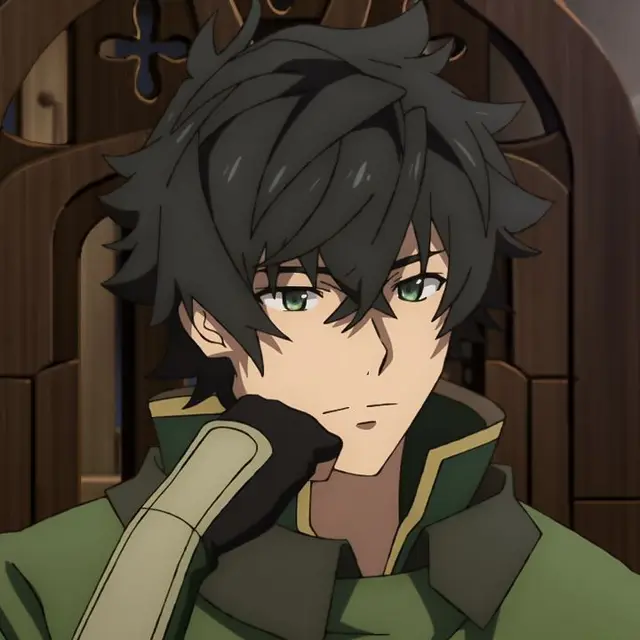
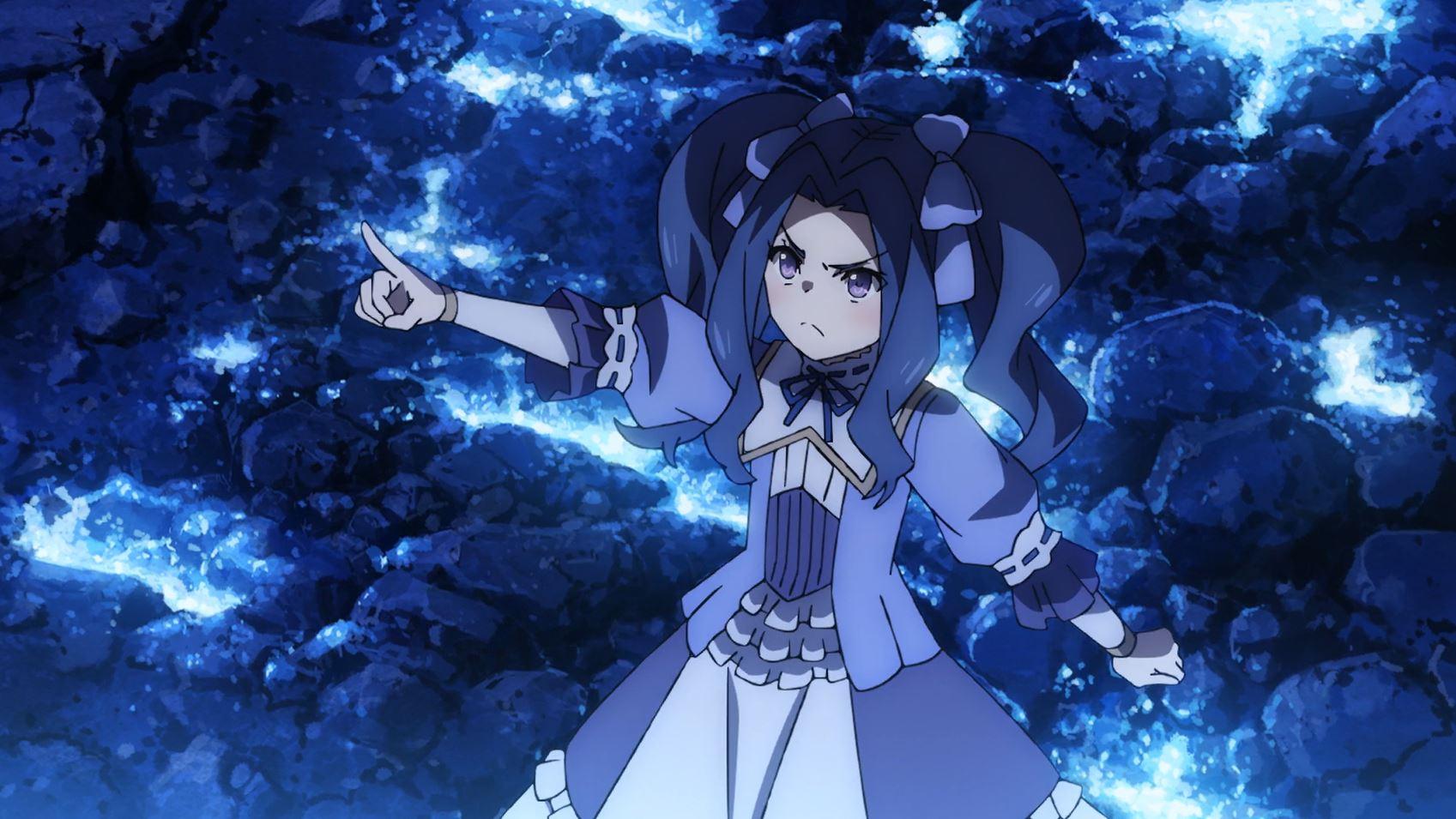


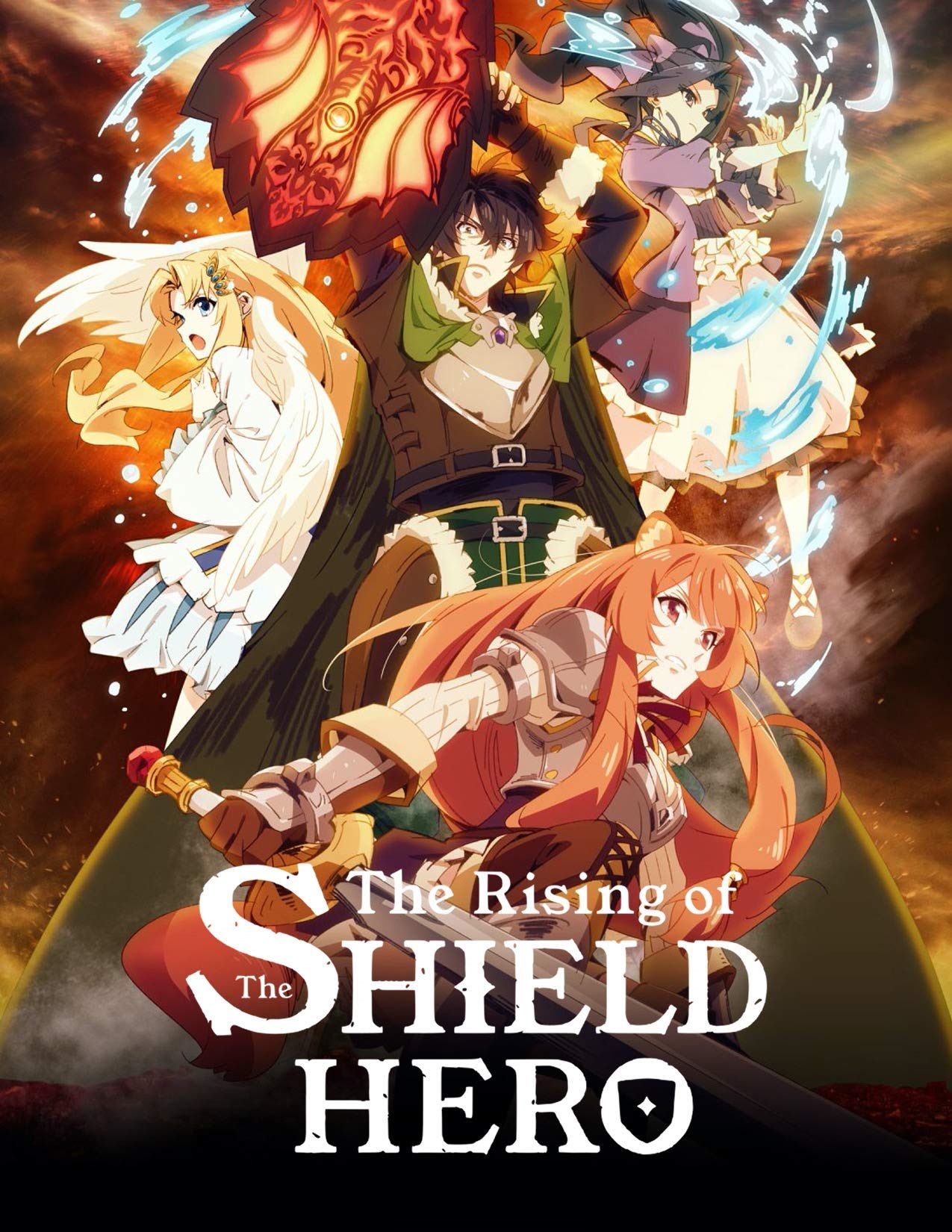
Naofumi Iwatani was summoned to another world as a hero, betrayed on the first day, stripped of everything, and then expected to save the world anyway. He did it anyway — not out of nobility, but out of stubbornness and the specific people who ended up beside him.
The Rising of the Shield Hero is about what you build when the foundation gets taken away. The party Naofumi assembles doesn’t form because the world is fair. It forms because certain people refused to let unfairness be the last word. Find out which one of them you are.
The Waves are coming. Let this lo-fi cover of Rise carry you through while you find out which Shield Hero character you’ve been all along.
- Pick the perfect atmosphere for your quiz journey – just pick one of the buttons above and set the mood.
- Relax – our quizzes aren’t MIT entrance exams 😉 They’re here to entertain you and deepen your connection with anime characters (and yourself).
- If none of the answers fit 100%, just choose the closest one – it’s enough for an accurate result.
- Enjoy the process — there are no right or wrong answers here.
- Try taking the same quiz more than once — sometimes the second result is the most surprising.
- Don’t forget to share your result with friends and invite them to find their anime self too!
The Shield Is Enough — Why Rising of the Shield Hero Works as Both Isekai and Genuine Character Study
Rising of the Shield Hero arrived in 2019 with a premise that inverted the isekai formula in an uncomfortable direction: the hero is summoned, immediately betrayed, stripped of his reputation, and left to survive in a world that has decided he’s guilty of something he didn’t do.
Global Ratings:
The series uses this not for shock value but for something more interesting — a sustained examination of what trust costs, what it’s worth, and what people build when the institutional structures that should support them have actively turned against them.
Users Ratings:
The Waves are the external threat. The actual story is about what gets built between them.
Your Role in the Party Was Already Decided
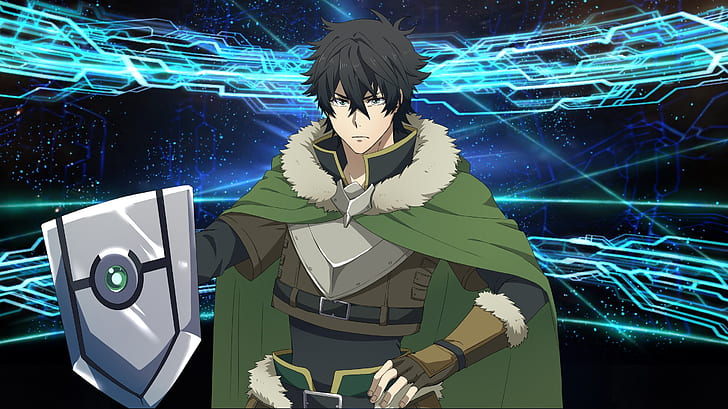
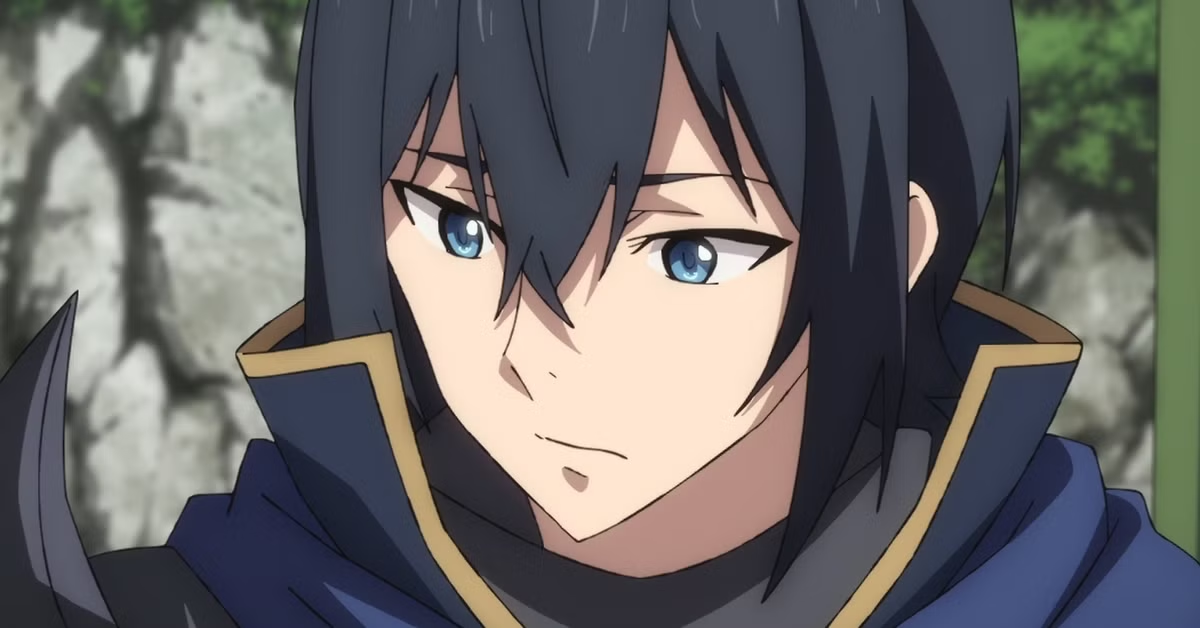
NAOFUMI IWATANI
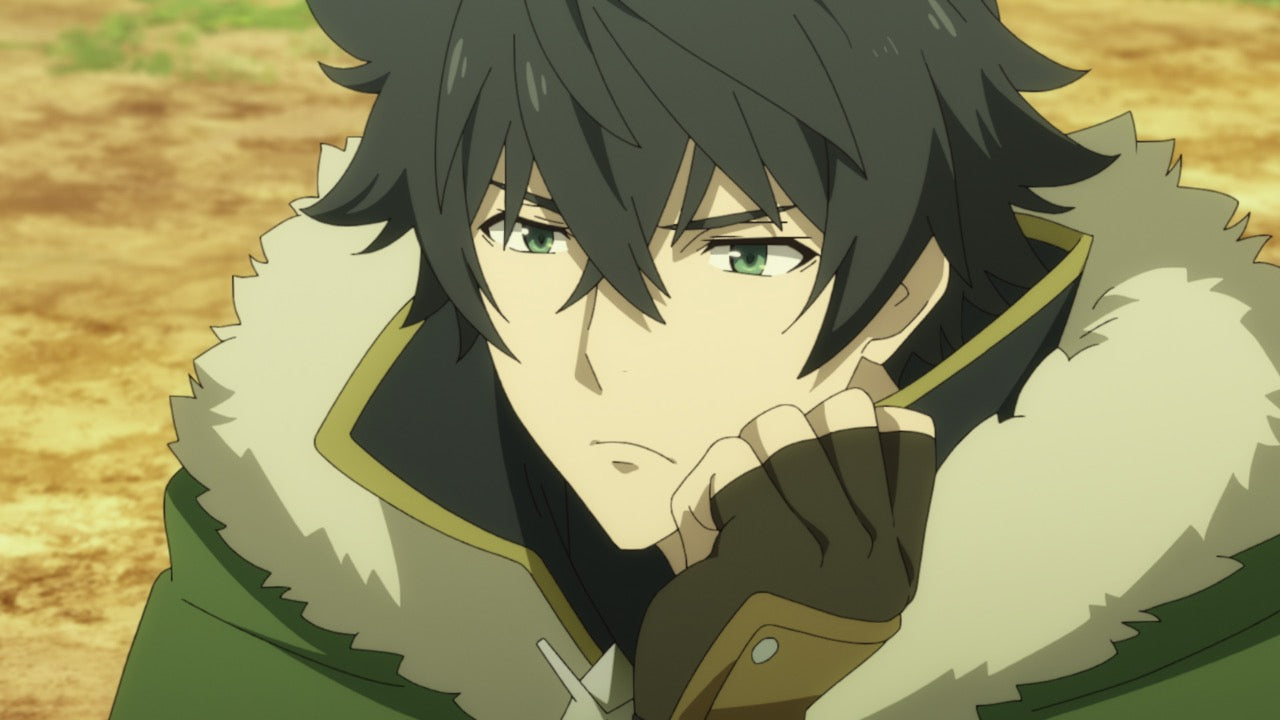
Naofumi was betrayed on day one and spent the rest of the series being both the most cynical and the most genuinely protective person in it. The cynicism is real — he earned it — and so is what’s underneath it: someone who keeps building something worth protecting even when the world gives him every reason not to.
He doesn’t trust easily. He also doesn’t abandon the people who earned that trust.
Strengths:
👍 Protects without limits
👍 Builds from nothing
👍 Adapts to everything
Weaknesses:
👎 Anger runs deep
👎 Carries it all alone
👎 Trusts almost nobody
Archetype: Kuudere — cold and guarded on the surface, with a genuine, fierce protectiveness underneath that only surfaces for the people who earned it.
MBTI: ISTJ — The ISTJ who was failed by every system that should have supported him, built something real anyway, and protects it with everything he has.
If you got Naofumi: You’ve been failed by something that should have supported you — an institution, a person, a system you believed in — and the experience left you with a cynicism that’s earned rather than assumed. The Naofumi result says the protectiveness and the cynicism aren’t contradictions.
They’re the same response to the same experience, pointed in different directions. What you build from the betrayal is the measure of who you are, and what you’ve built is specific and real and defended with everything you have. The people who’ve earned their way past the guard know what’s inside it. That’s what matters.
“You’re not even worth killing. Just live the rest of your life in fear, regretting what you’ve done.”
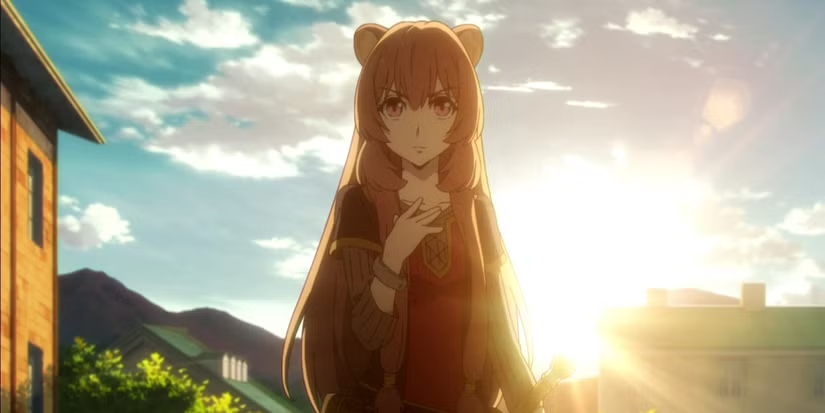
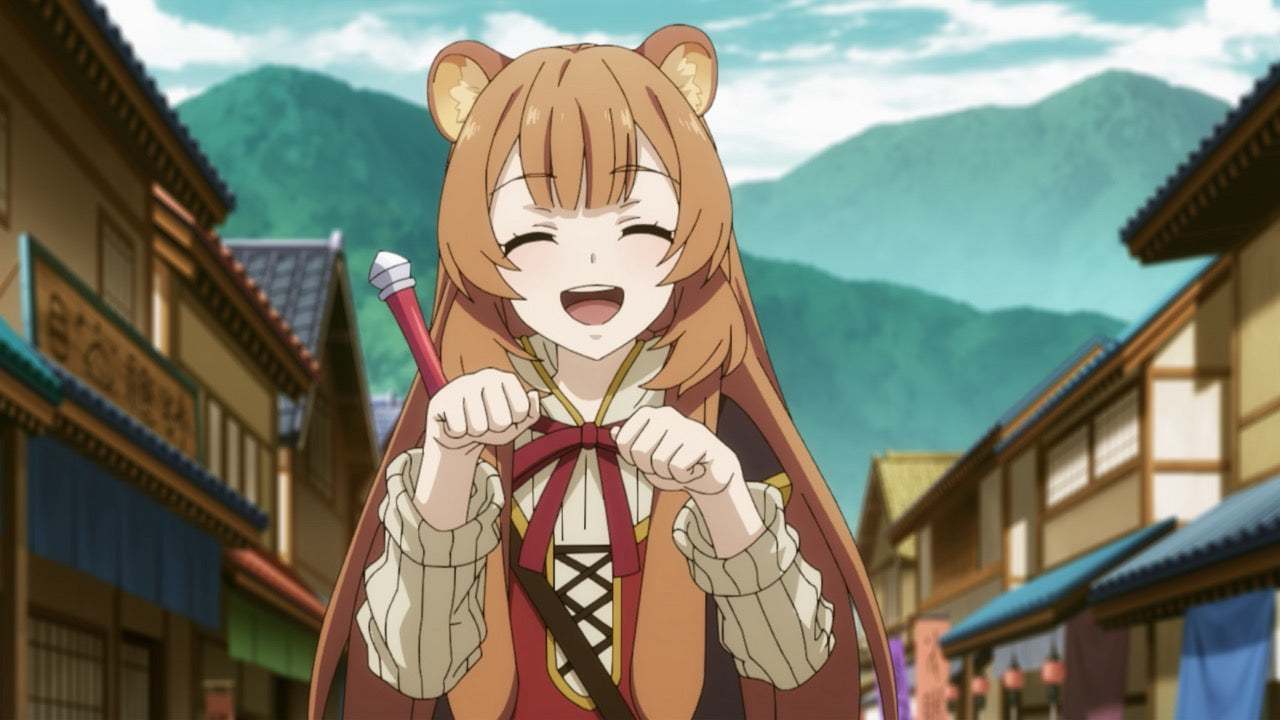
RAPHTALIA
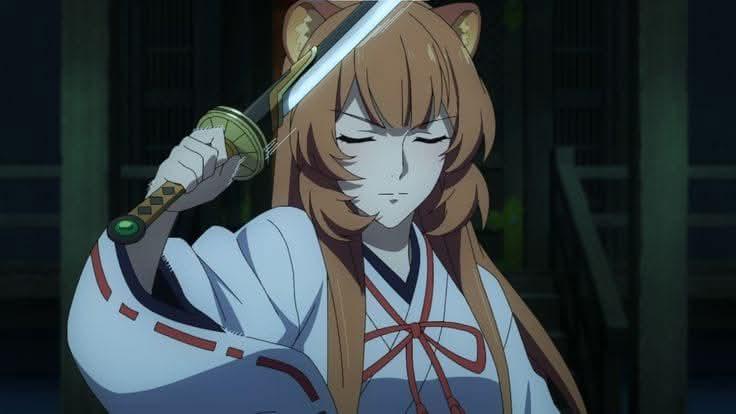
Raphtalia chose Naofumi when she could have left — multiple times, with full opportunity, with no obligation. She stays because she decided to, and she keeps deciding to, and the series treats that ongoing choice as the most genuine form of loyalty available. She was traumatized and frightened when they met.
She became the strongest fighter in the party. Both things are true and the series connects them honestly: the person who survived the worst became the person who could protect others from it.
Strengths:
👍 Fiercely loyal
👍 Strongest fighter
👍 Chosen and kept choosing
Weaknesses:
👎 Dependent at first
👎 Heart over strategy
👎 Carries past trauma
Archetype: Dandere — quiet and initially fragile, with a strength underneath that surfaces completely once she decides where she stands.
MBTI: ISFJ — The ISFJ who was given every reason to give up and chose, repeatedly and deliberately, not to.
If you got Raphtalia: You chose someone or something — not because you had to, but because you decided they were worth choosing — and you’ve kept making that choice. The Raphtalia result says your loyalty is real and deliberate rather than obligatory, and that the strength you have now came directly from surviving what you survived.
The person you became isn’t in spite of the difficult parts. It’s through them. What you offer to the people you’ve decided to stand beside is specific and hard-earned and not offered to everyone. They know that. So do you.
“I’m truly grateful I met you. You gave me a reason to fight.”
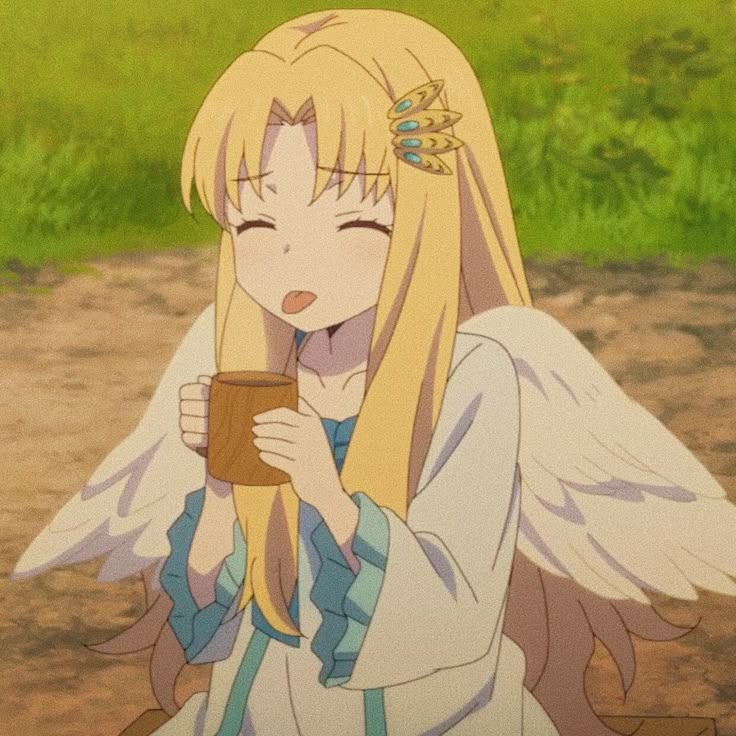
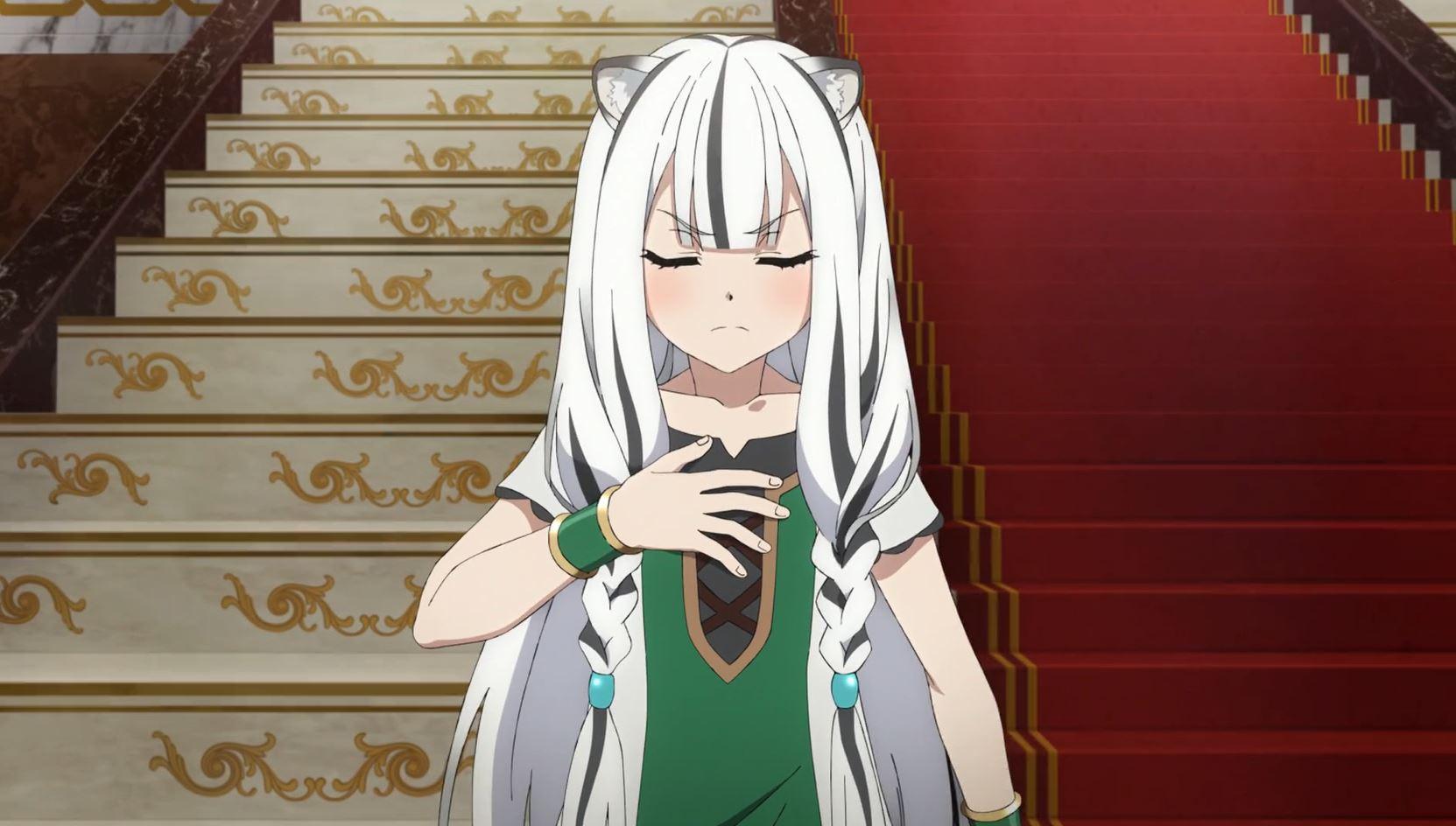
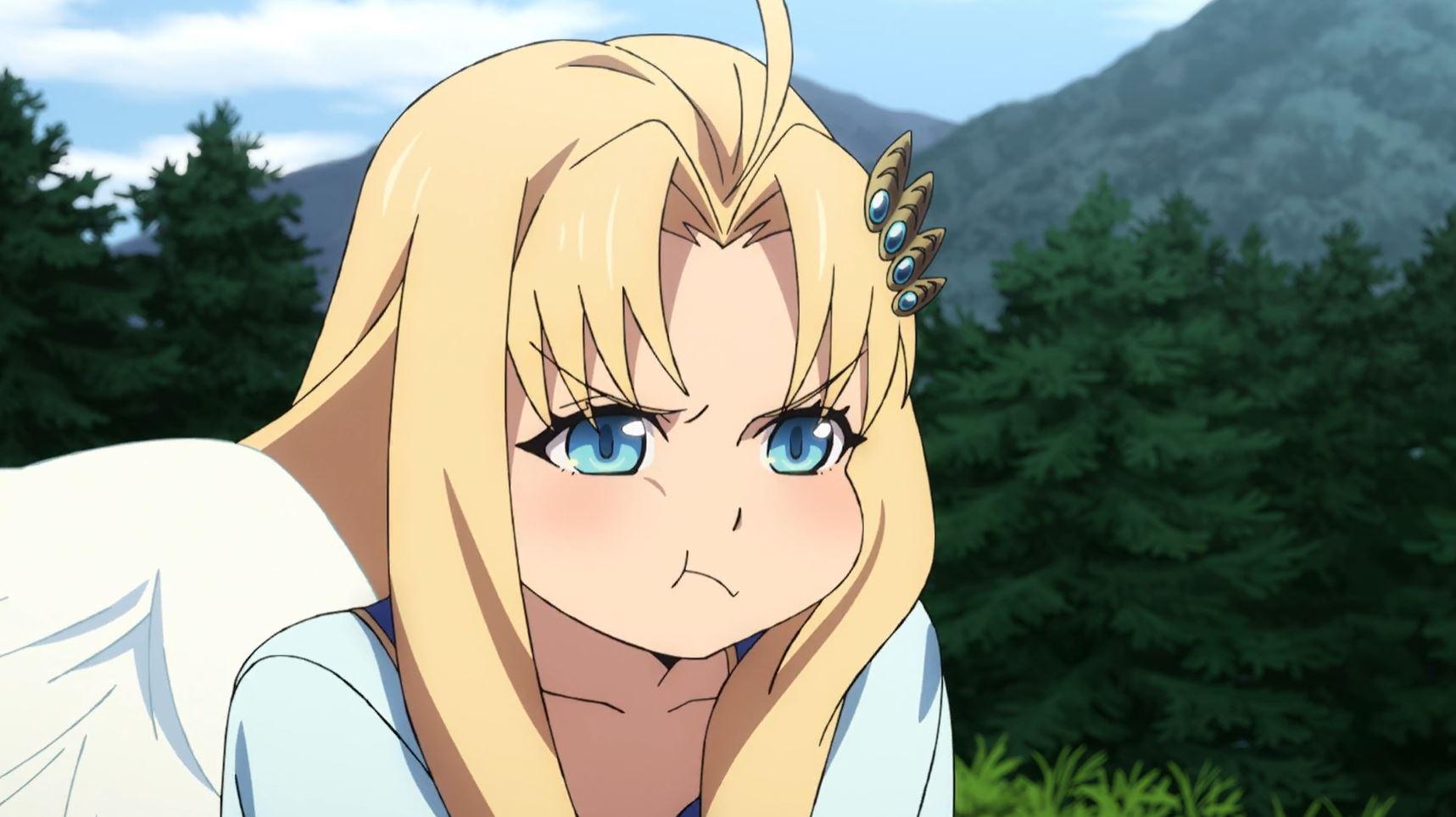
FILO
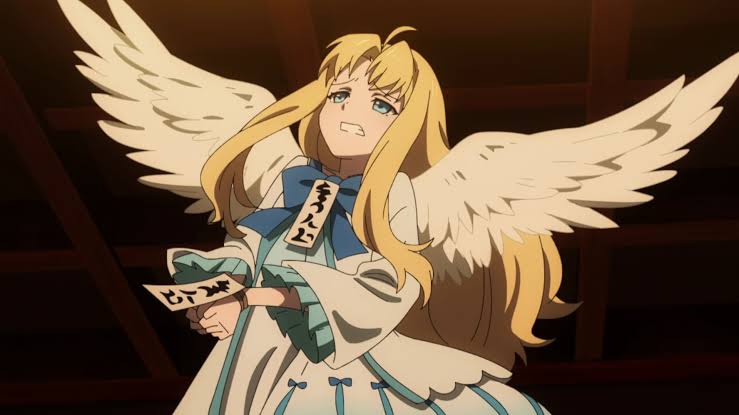
Filo loves Naofumi with a completeness that requires no justification and asks for very little in return. She’s a Filolial who can transform into a human, is genuinely and consistently delighted by most things, and functions as the party’s heart — not through complexity or drama, but through the specific warmth of someone who shows up completely every time.
Her rivalry with Raphtalia is the series’ most consistent source of lightness. Her loyalty is the series’ most uncomplicated example of the real thing.
Strengths:
👍 Genuinely happy
👍 Loyal without condition
👍 Unconditional warmth
Weaknesses:
👎 Eats everything
👎 Strategy: absent
👎 Simple over complex
Archetype: Genki — energetic, warm, straightforwardly loving, with a loyalty so uncomplicated it makes everything around it feel more honest.
MBTI: ESFP — The ESFP who decided she loved her Master, showed up completely, and has never found a reason to reconsider.
If you got Filo: You love the people you love without conditions or calculation — the love is just there, complete, and doesn’t require the relationship to be complicated to be real. The Filo result says you’re someone whose presence makes the difficult things lighter, not by minimizing them but by being genuinely, consistently warm inside them.
The simplicity is not naivety. It’s clarity. You know who you love and you show up for them completely and you don’t make it more complicated than it needs to be. In a series full of betrayal and cynicism, that turns out to be one of the most powerful things available.
“What about Raphtalia-oneechan, then?”
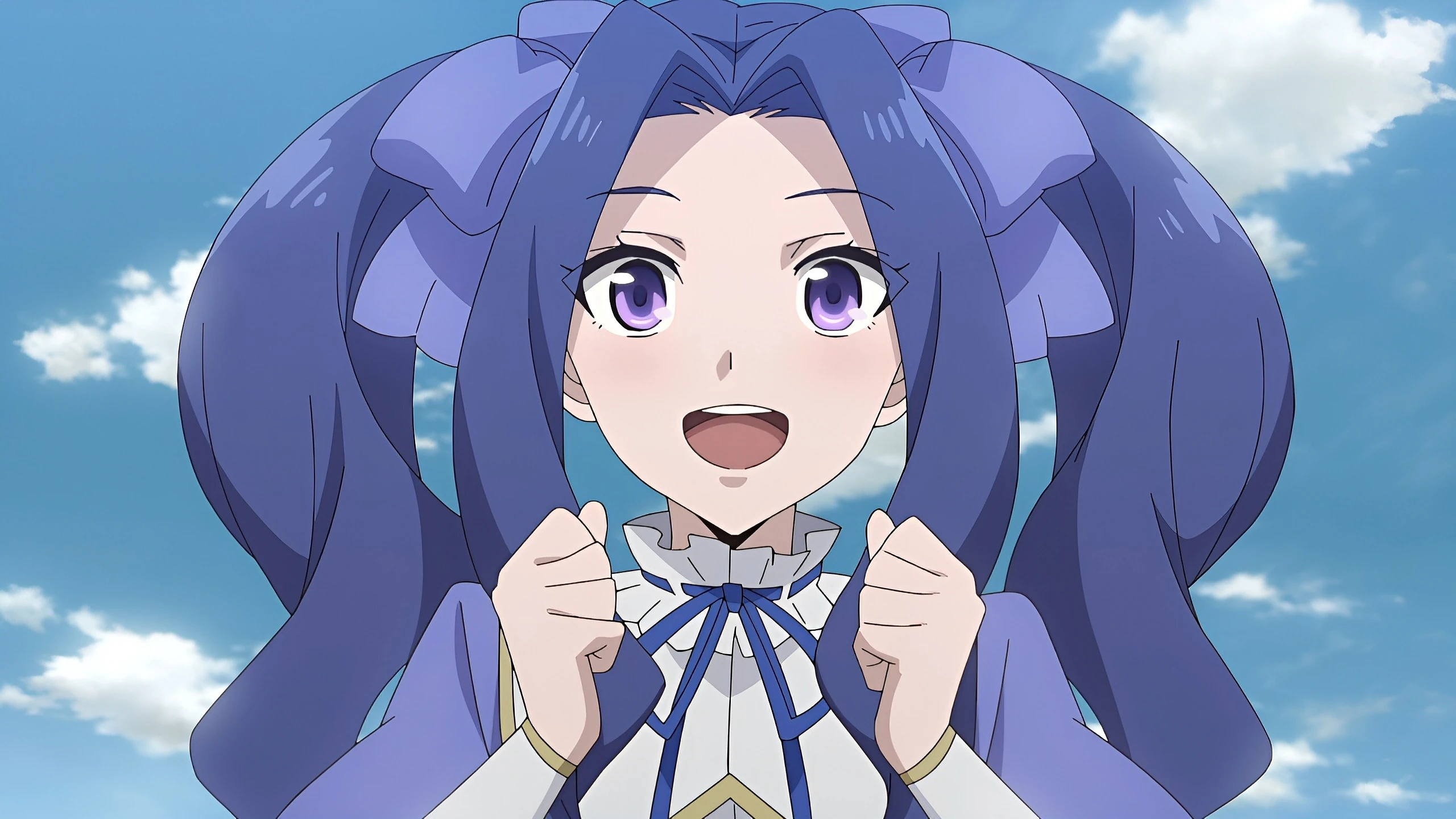
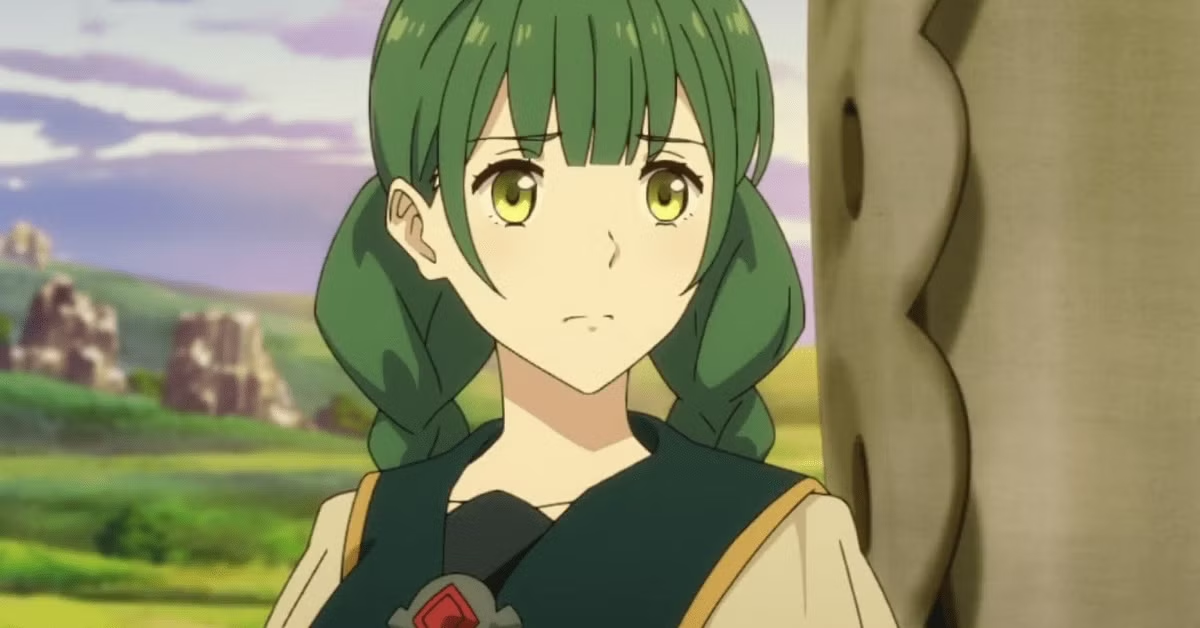
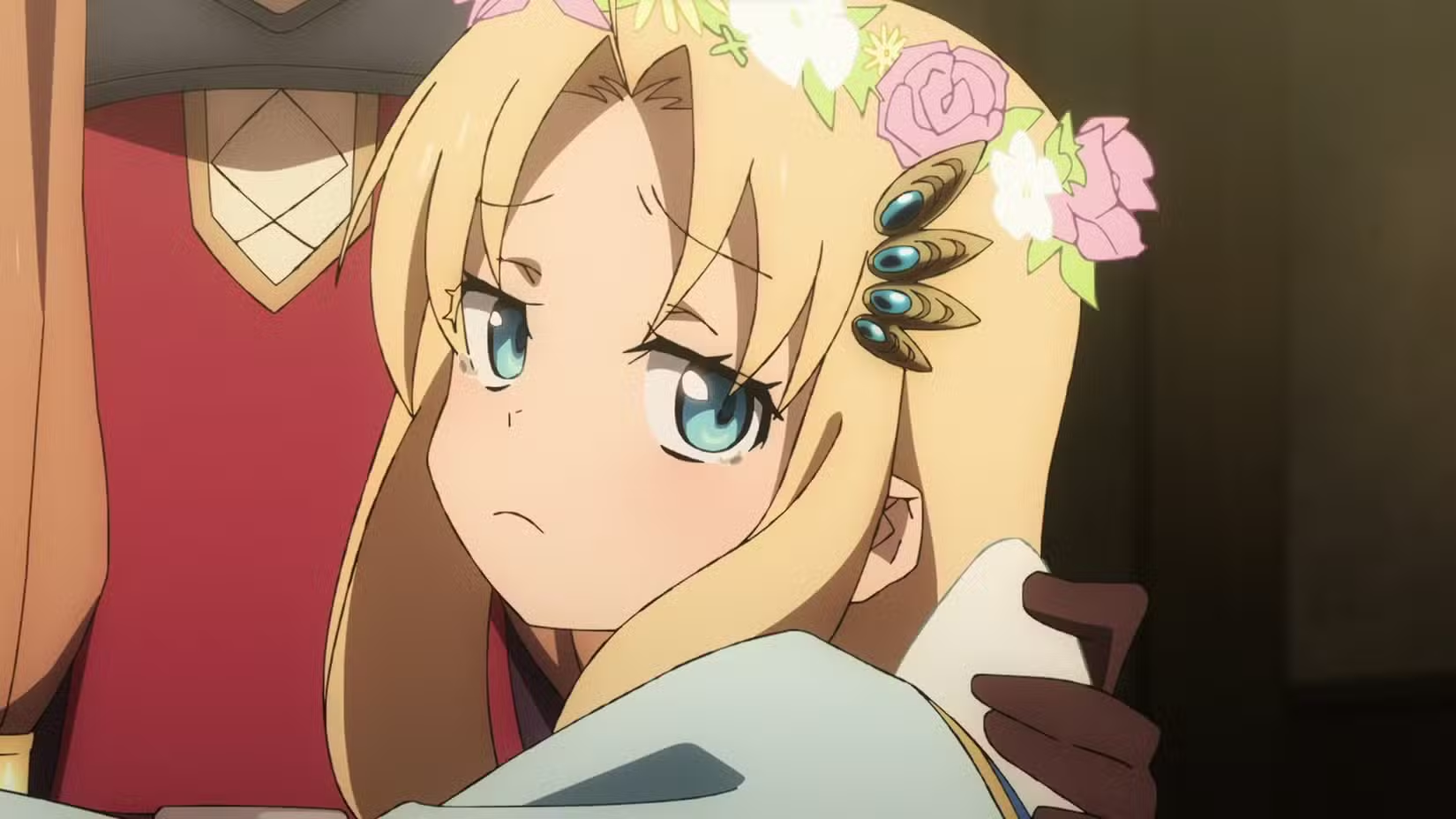
RISHIA IVYRED
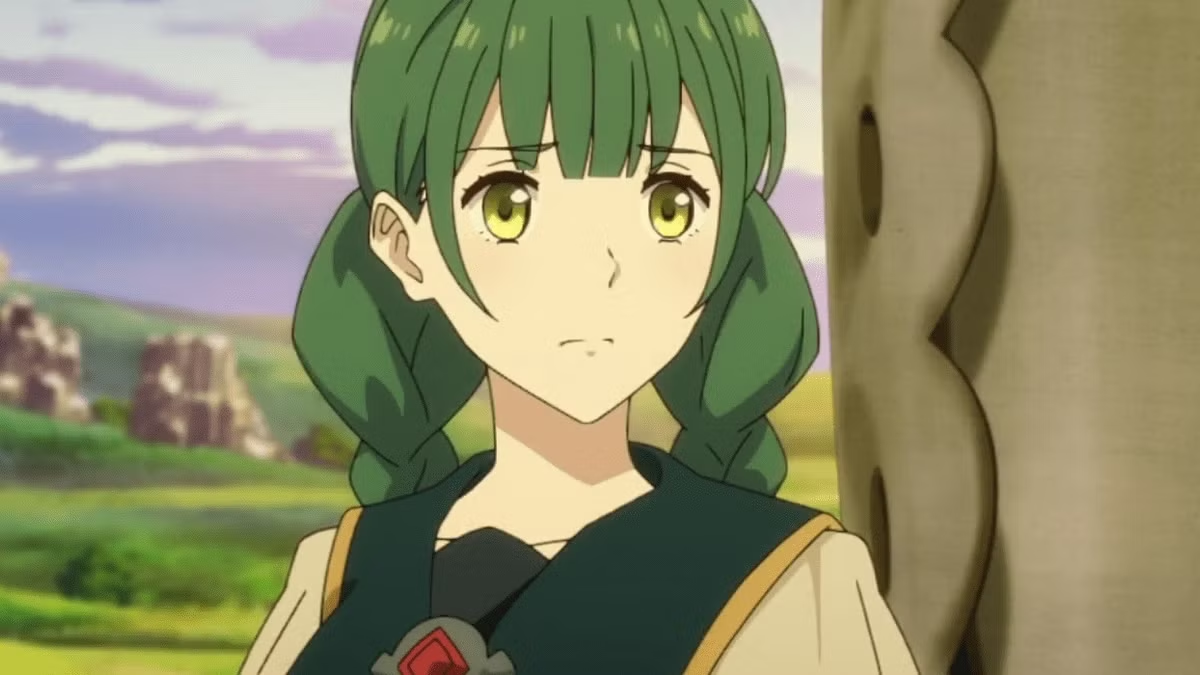
Rishia was dismissed, abandoned by the Bow Hero, told she was worthless by the people who should have developed her, and refused to accept that verdict.
She joined Naofumi’s party as someone who’d been discarded, became one of its most capable members, and did it through the specific stubbornness of someone who decided that other people’s low opinions of her were not the final word. Her arc is the series’ most direct argument that the people who give up on you are not always right.
Strengths:
👍 Refuses to quit ever
👍 Grows past all limits
👍 Loyal to the real party
Weaknesses:
👎 Was discarded first
👎 Self-doubt runs deep
👎 Underestimated always
Archetype: Dandere — anxious and underestimated, with a determination underneath that surfaces completely once she’s in the right environment with the right people.
MBTI: INFP — The INFP who was told she was worthless by the people who should have known better, decided they were wrong, and proved it.
If you got Rishia: You’ve been dismissed by someone who should have known better — told you weren’t enough, weren’t capable, weren’t worth the investment — and you’ve been proving them wrong through sheer refusal to accept it. The Rishia result says the determination is real and the self-doubt is also real and neither one cancels the other out.
What matters is which one you act from. Rishia acts from the determination. The self-doubt is present and audible and doesn’t stop her. That’s the whole arc, and it’s yours too — you’re already in it. The people who dismissed you were not the final authority on what you are.
“I want to be useful. I want to keep trying.”
HikiChat:
The World Took the Foundation. The Quiz Found Out What You Built Instead.
Rising of the Shield Hero is about what gets built between the Waves — not the battles, but the party. The specific people who chose each other in circumstances that gave them every reason not to, and kept choosing.
The quiz found out which seat in that party was already yours.
BACKWARD