


Wallachia is burning. The church burned a woman for witchcraft and her husband — the most powerful being in the known world — declared war on every human alive in response.
Castlevania is a series about what grief does at scale, and what people choose to do about it. The monster hunter who was cast out and kept showing up anyway. The speaker who believes in humanity when humanity makes that very difficult.
The half-vampire who chose his mother’s people and isn’t always sure they deserved it. The father whose love became the thing that destroyed everything. Find out which one you are.
The night is full of demons. Let this lo-fi cover of Bloody Tears carry you through while you find out which Castlevania character you’ve been all along.
Answer the call and find out which Castlevania character you truly are.
- Pick the perfect atmosphere for your quiz journey – just pick one of the buttons above and set the mood.
- Relax – our quizzes aren’t MIT entrance exams 😉 They’re here to entertain you and deepen your connection with anime characters (and yourself).
- If none of the answers fit 100%, just choose the closest one – it’s enough for an accurate result.
- Enjoy the process — there are no right or wrong answers here.
- Try taking the same quiz more than once — sometimes the second result is the most surprising.
- Don’t forget to share your result with friends and invite them to find their anime self too!
What Grief Does at Scale — Why Castlevania Is the Most Emotionally Sophisticated Action Anime of Its Era
Castlevania arrived on Netflix in 2017 as a four-episode experiment — and whether you choose to call it a masterclass in American adult animation, a western anime, or just a brilliant piece of dark fantasy, it instantly became one of the most critically acclaimed animated series of the decade.
What distinguished it immediately wasn’t the action — though the choreography set benchmarks the medium is still measuring against — it was the writing’s willingness to treat its central conflict as a tragedy rather than a moral contest.
Whether the thing they loved was large enough to survive what the loss of it produced.
Users Ratings:
The action is extraordinary. Powerhouse Animation’s fight choreography gives every battle the visual weight of its emotional stakes.
But the series earns its moments of violence through the quieter scenes — through the conversations that establish what’s being fought for and why, and through the characters who demonstrate, in those conversations, that the answer to grief isn’t always destruction.
The Night Already Knows Which One You Are
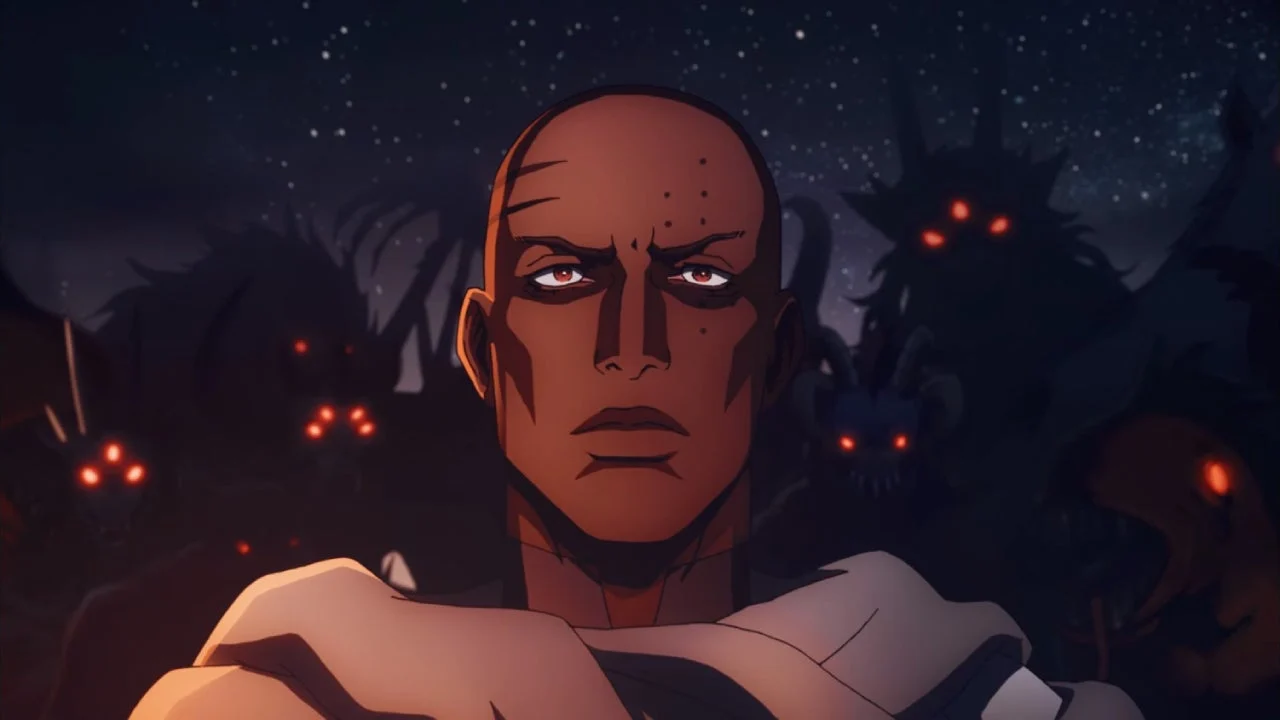
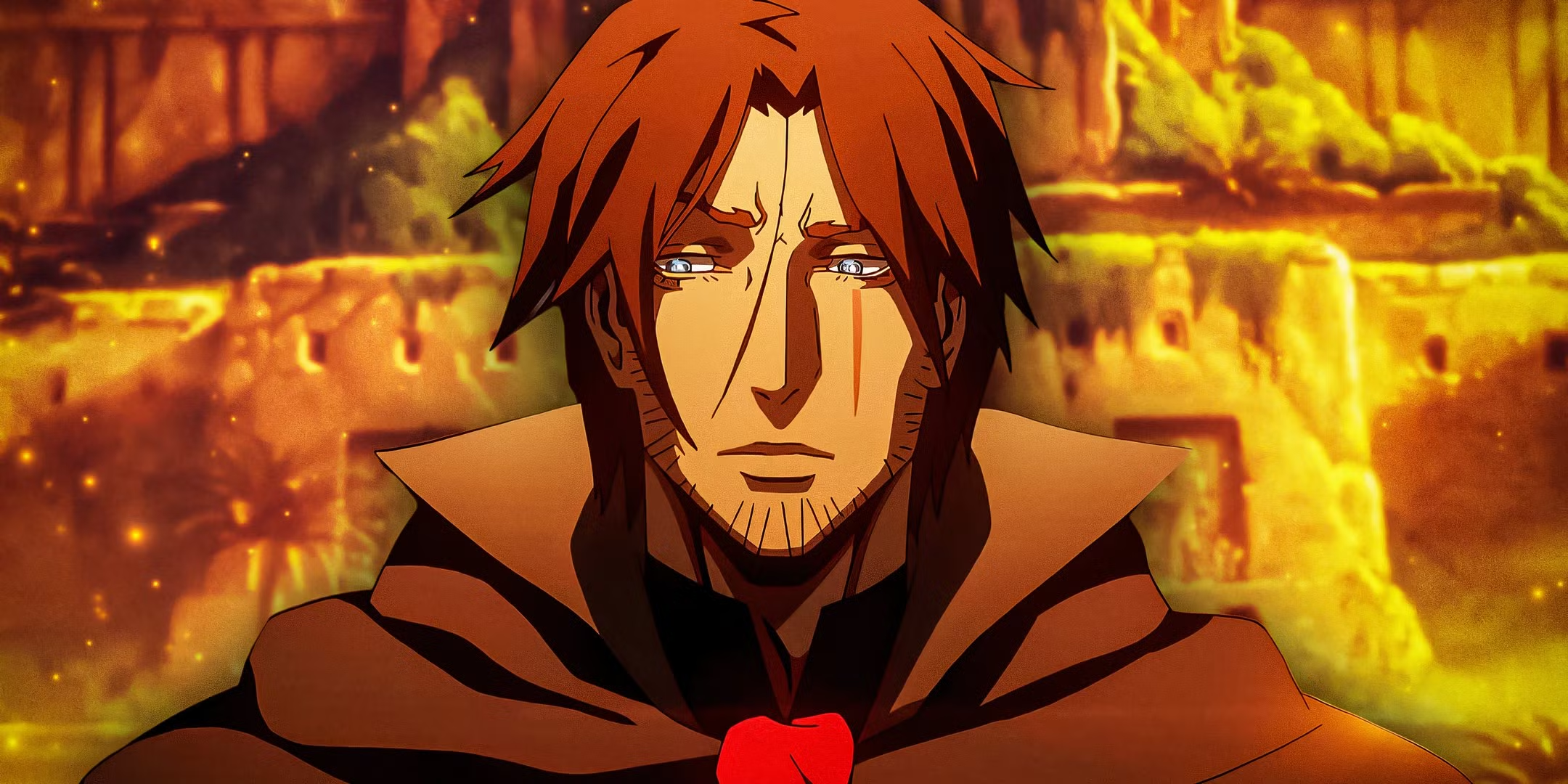
TREVOR BELMONT
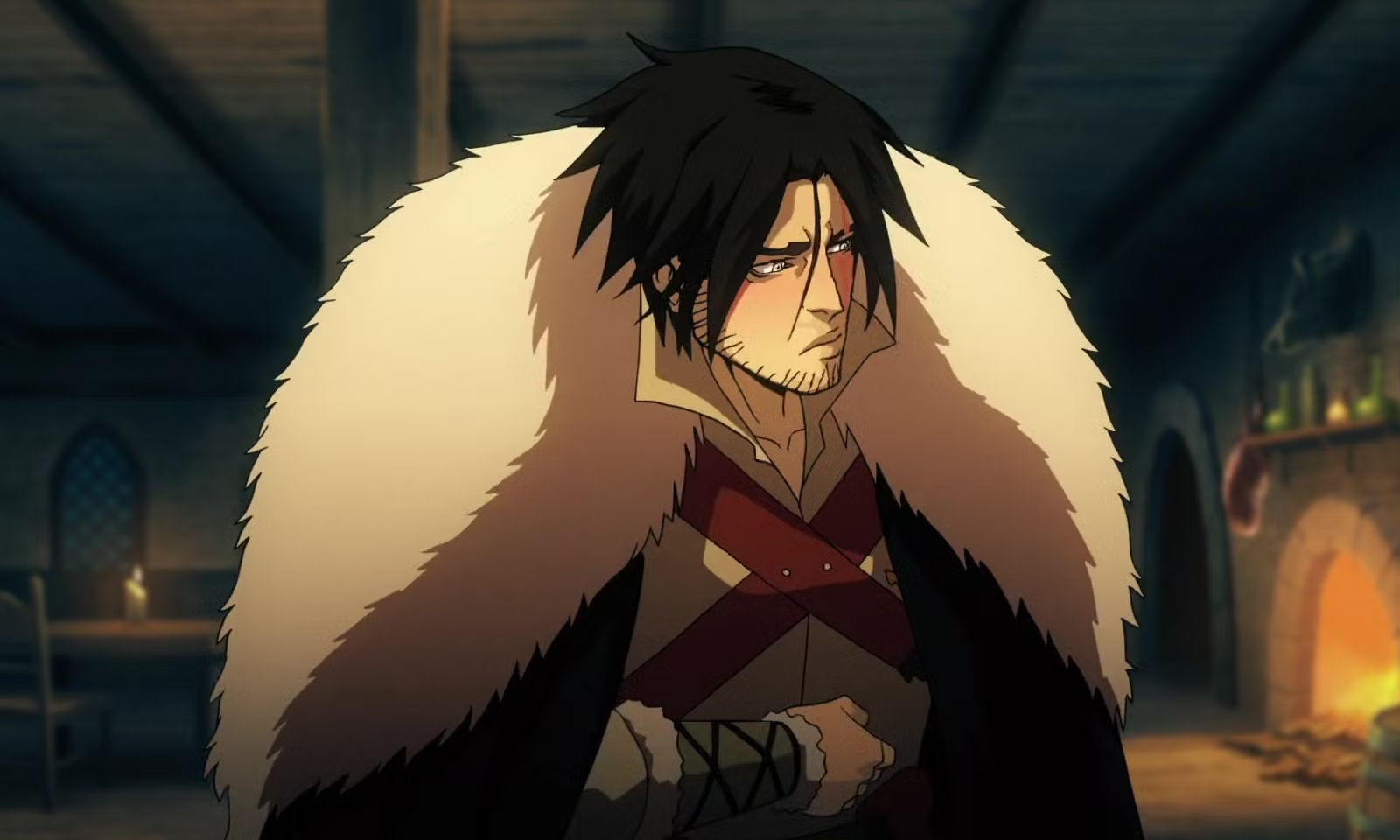
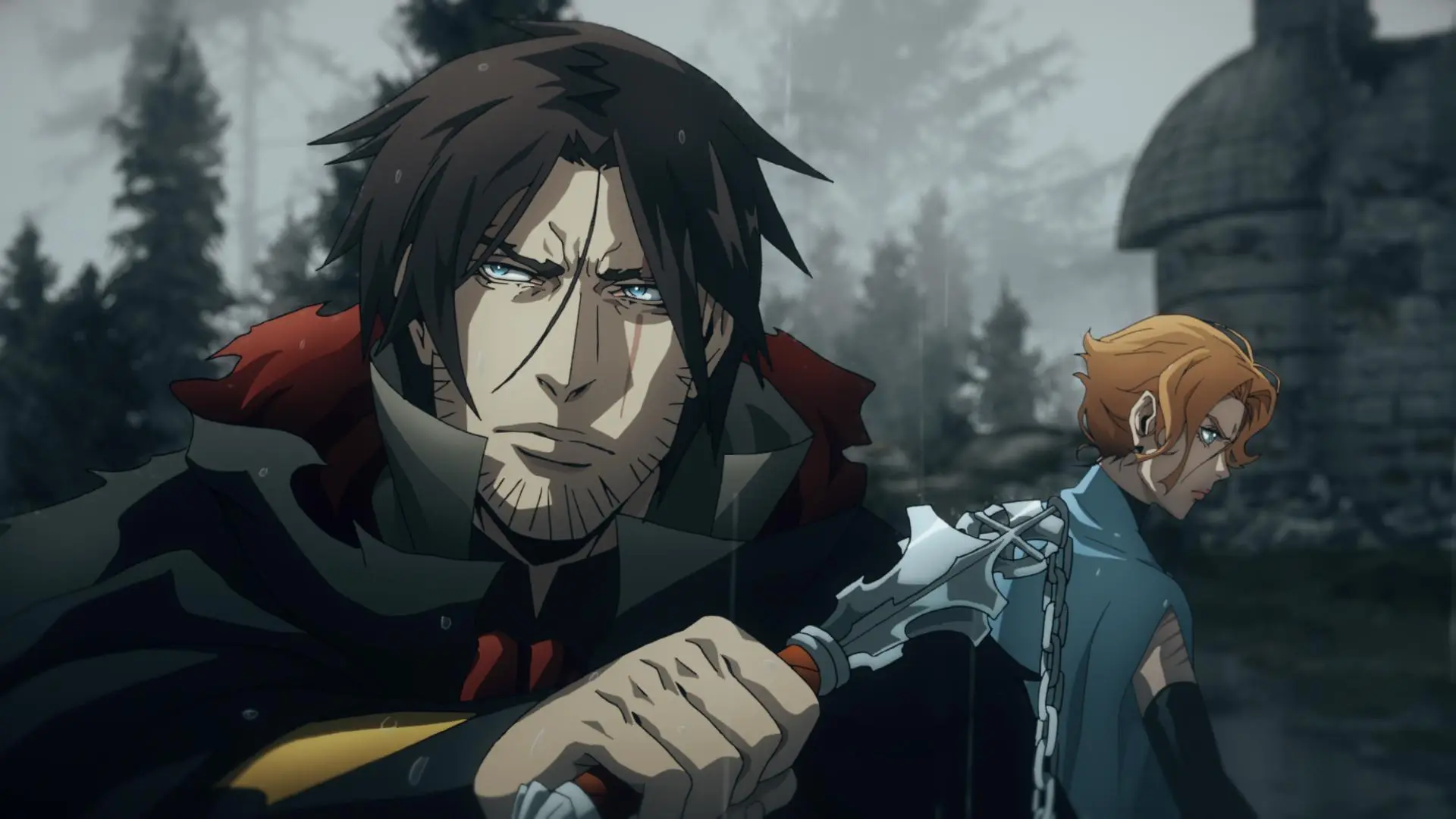
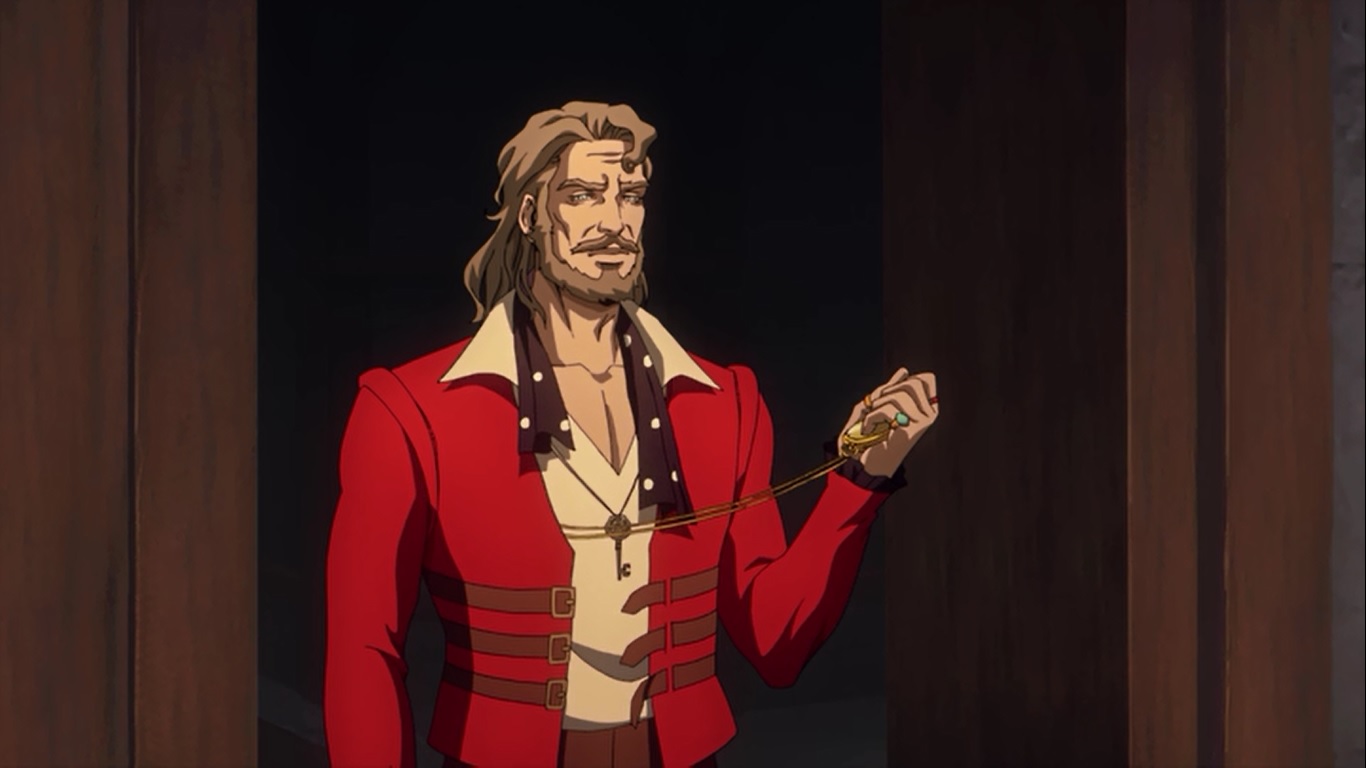
Trevor was cast out with his family’s name, spent years being as cynical and self-destructive as that situation logically required, and kept showing up anyway — not because the cynicism wasn’t real, but because underneath it was something that couldn’t be entirely extinguished by excommunication or alcohol.
He’s blunt, funny in a way that’s mostly deflection, and genuinely capable in ways he’d rather not acknowledge. The monster hunting isn’t heroism. It’s stubbornness dressed up as purpose, and the series treats that as enough.
Strengths:
👍 Shows up regardless
👍 Unbreakable underneath
👍 Capable beyond measure
Weaknesses:
👎 Cynicism runs first
👎 Drinks too much
👎 Deflects everything real
Archetype: Tsundere — gruff and deflective on the surface, with a genuine investment in the people and the world underneath that only surfaces when the situation strips away the option of pretending otherwise.
MBTI: ISTP — The ISTP who was given every reason to stop and kept going anyway, and calls it something other than caring because caring got his family excommunicated.
If you got Trevor: You’ve been given reasons to stop caring — real ones, not hypothetical — and you haven’t stopped, and you’d rather not examine why too closely because the examination would require admitting that the cynicism was always the surface layer.
The Trevor result says your capability is real and your stubbornness is real and the thing they’re both in service of is something you’re more comfortable calling duty or habit than what it actually is.
You show up. That’s the declaration. Everything else is just the flavor of how you do it.
“I’m a Belmont. I’ll figure it out.”
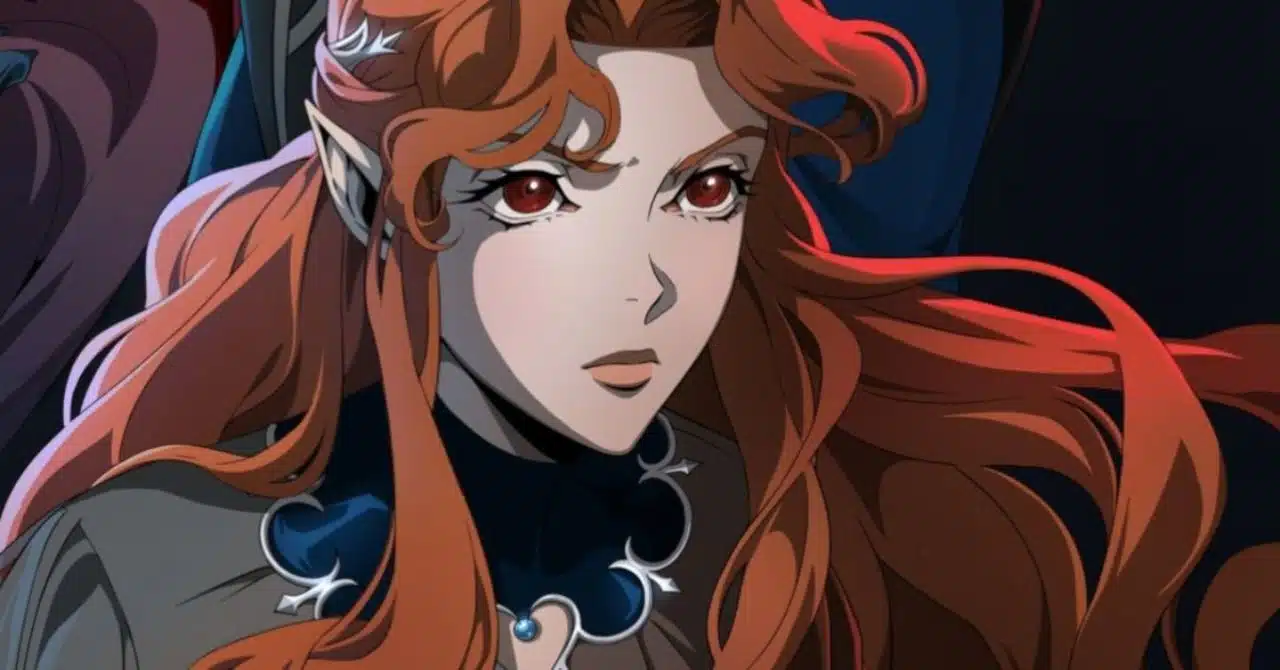
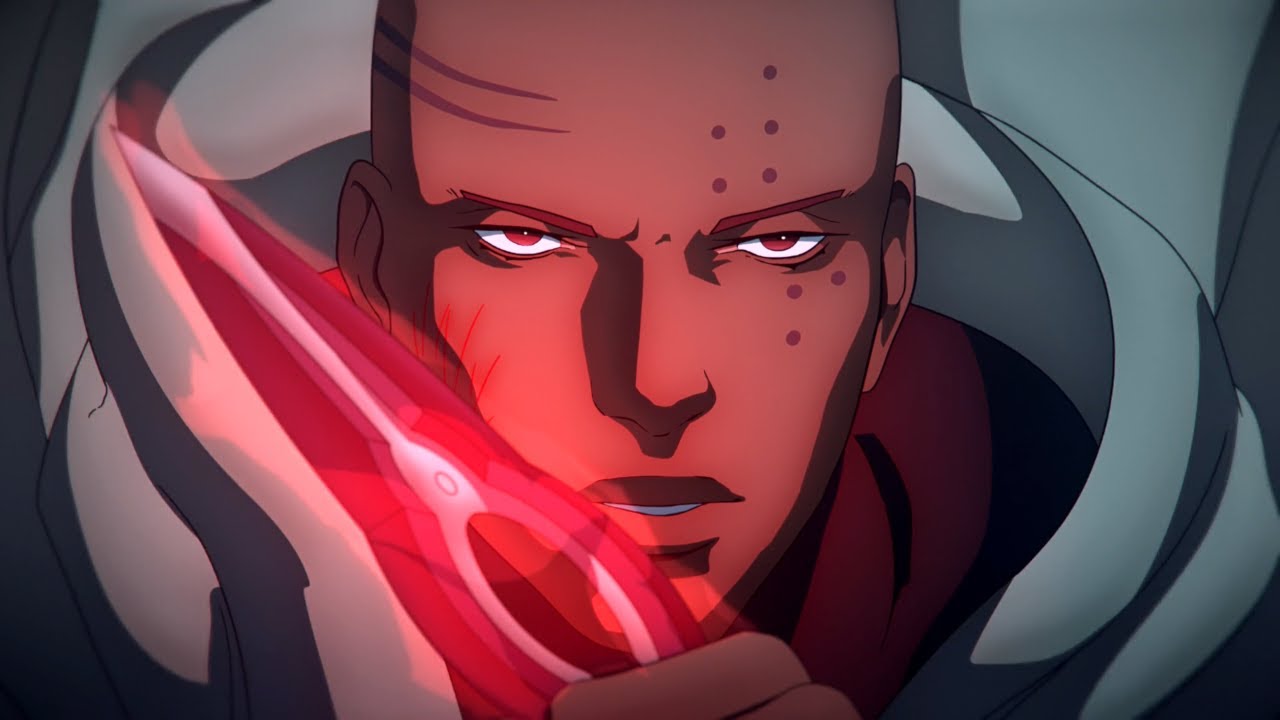
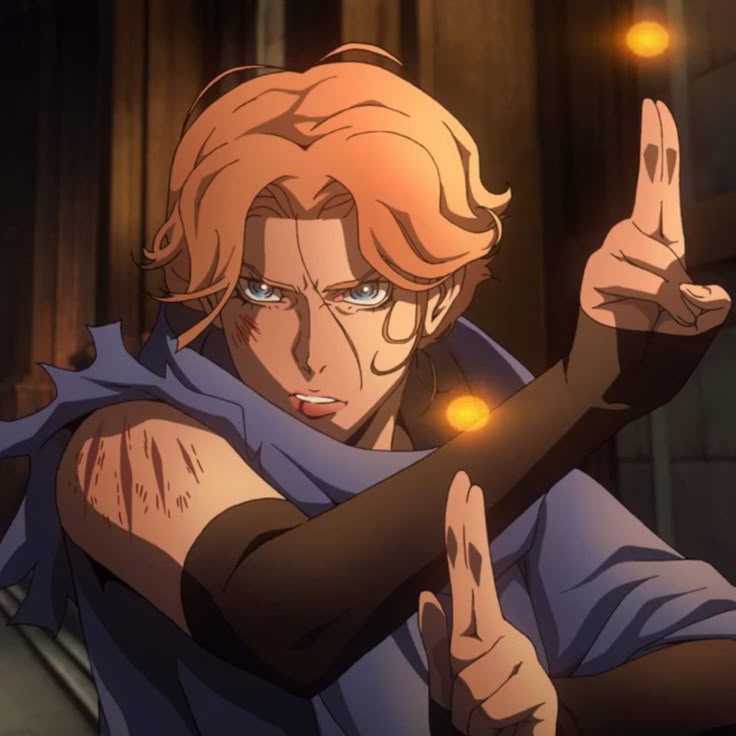
SYPHA BELNADES
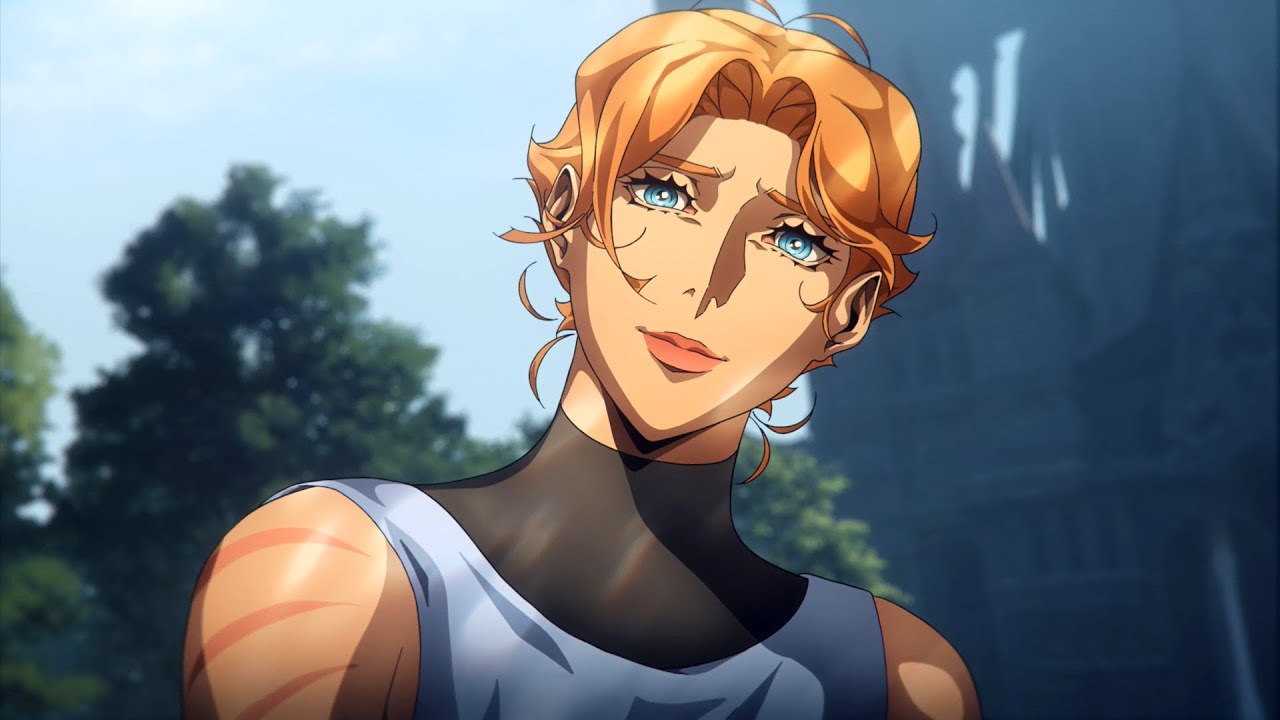
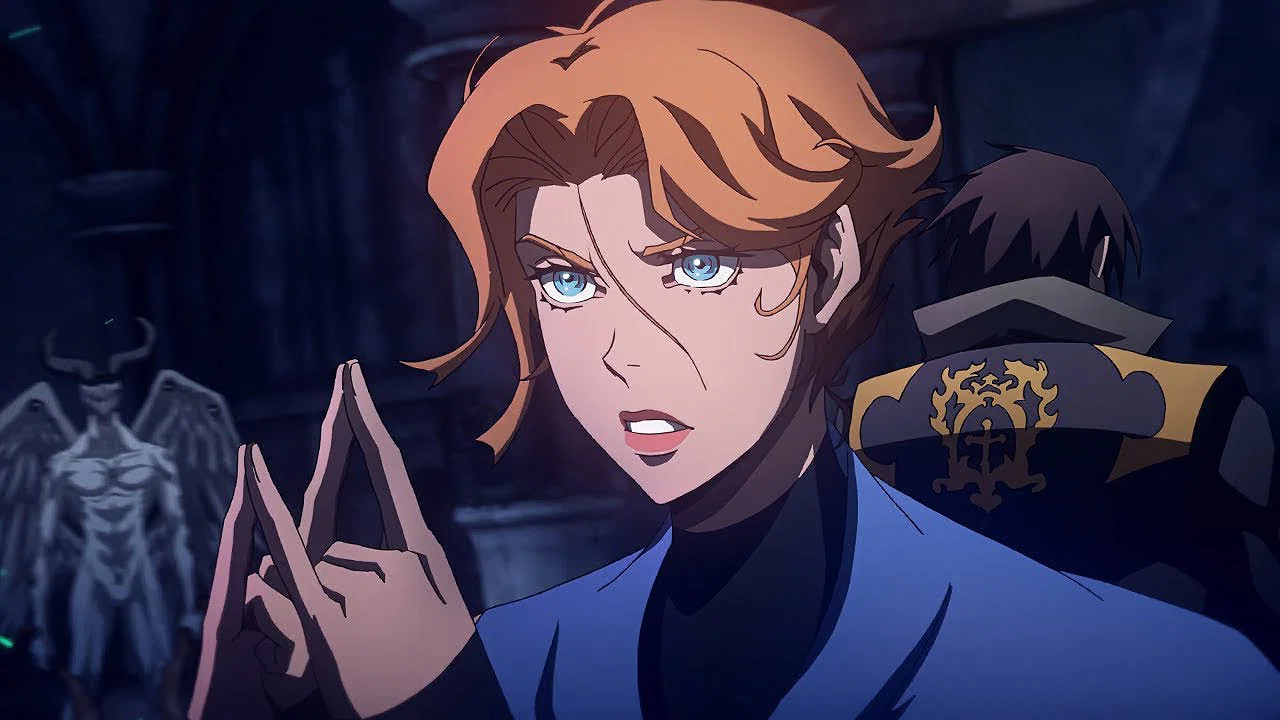
Sypha is a Speaker — a member of a nomadic people who travel and preserve knowledge — and she believes in humanity with a completeness that the series earns rather than assumes, because she’s seen what humanity does and maintains the conviction anyway.
She’s powerful, genuinely excited by the work, and the moral engine of the group in a way that never becomes self-righteous because the belief is grounded in genuine affection rather than ideology.
Strengths:
👍 Practically brilliant
👍 Burning with purpose
👍 Warms everything around her
Weaknesses:
👎 Idealism gets tested hard
👎 Takes losses personally
👎 The world keeps proving her wrong
Archetype: Genki — enthusiastic and warm and genuinely, stubbornly committed to the idea that humanity is worth defending, even after the series gives her extensive evidence to complicate that.
MBTI: ENFJ — The ENFJ who chose to believe in humanity not because the evidence was overwhelming but because the alternative — Dracula’s conclusion — was something she refused to reach.
If you got Sypha: You believe in something with a completeness that most people around you find either inspiring or slightly exhausting, and the belief isn’t naive — it’s a choice made with full awareness of what the alternative looks like.
The Sypha result says your conviction is the thing that makes the group function, and that the warmth you bring isn’t softness — it’s the specific counterargument to every reason the world gives people to stop caring. You don’t have to like people to fight for them.
You know this. You fight for them anyway. That’s not idealism. That’s the harder version of it.
“The world is worth saving. I refuse to believe otherwise.”
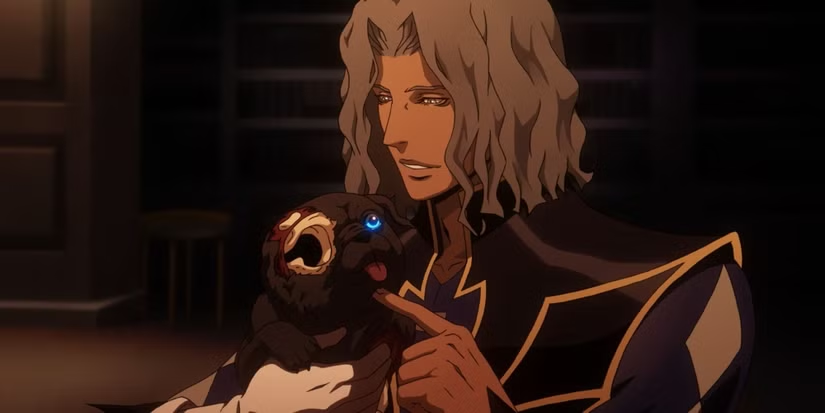
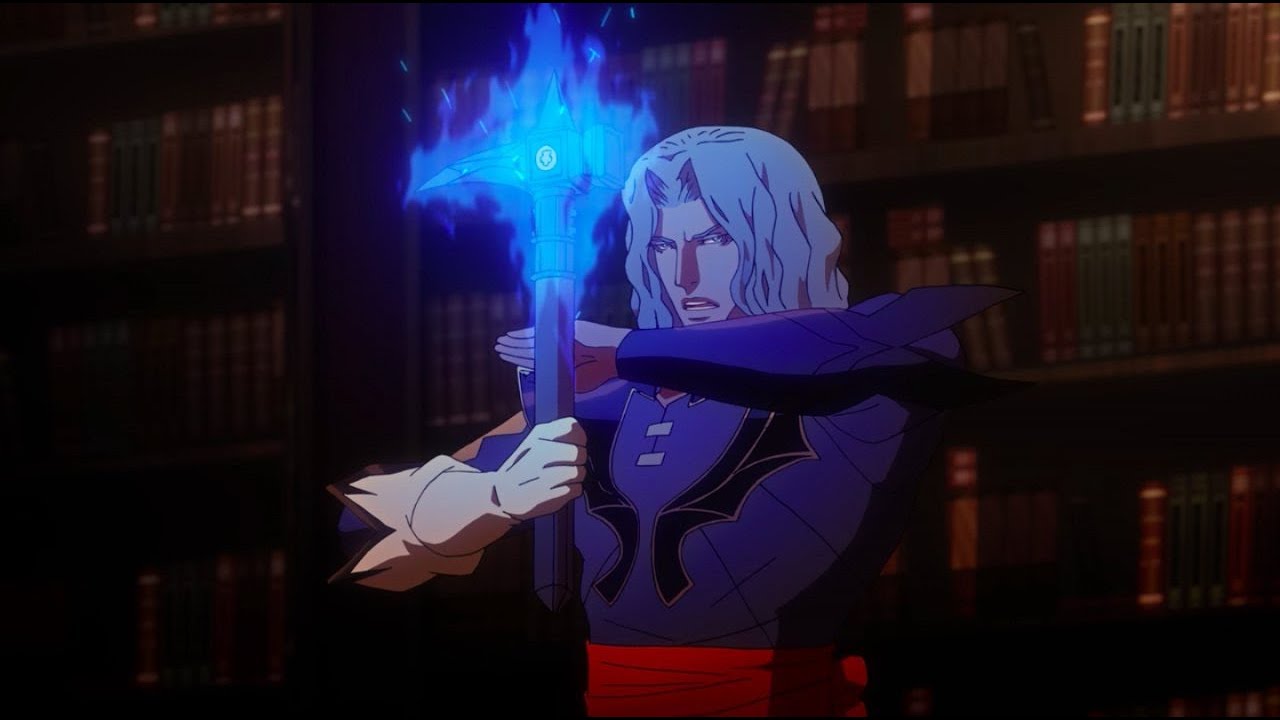
ALUCARD
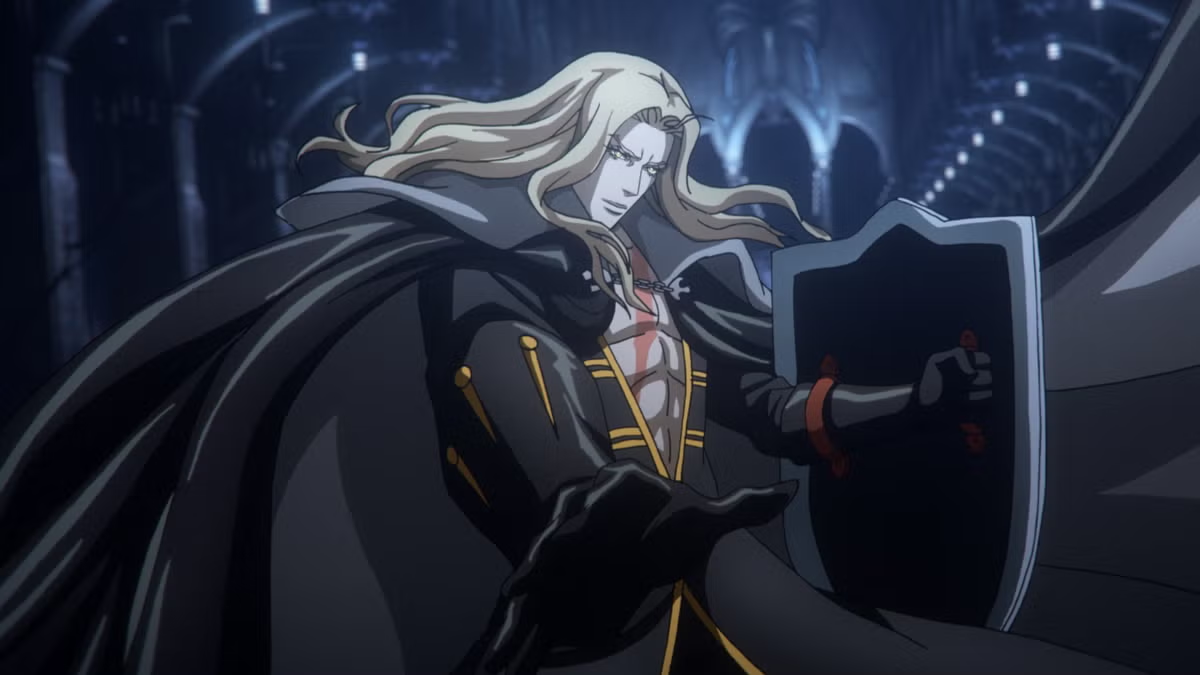
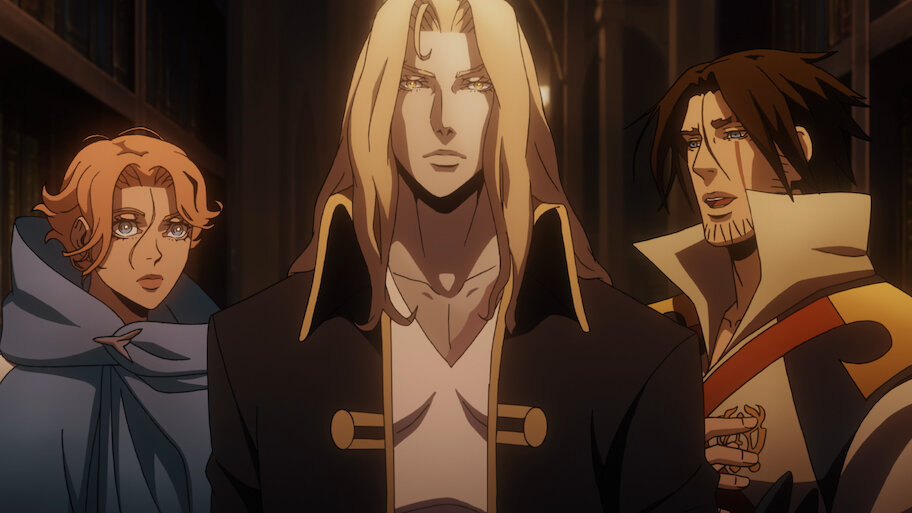
Alucard chose his mother’s people — humanity — over his father’s war, and carries the full weight of what that choice cost across four seasons. He’s half of each world and fully accepted by neither, and his arc is about what happens to someone who made the right choice and still ended up with almost nothing to show for it.
He’s the most formally capable fighter in the series and the most emotionally exposed, and the series is merciless about both.
Strengths:
👍 Carries both sides
👍 Most capable fighter
👍 Chose with full knowledge
Weaknesses:
👎 Isolation accumulates
👎 Loss compounds quietly
👎 Between two worlds always
Archetype: Kuudere — composed and slightly distant, with a depth of feeling underneath that the series reveals slowly and then with devastating precision in the moments it surfaces.
MBTI: INFJ — The INFJ who chose a side with full understanding of what it would cost, and found out the cost was higher than the understanding had prepared him for.
If you got Alucard: You made a choice — a real one, with real costs — and you’ve been living inside the consequences of it ever since. The Alucard result says you exist between things more than you exist fully in any one of them, and that the choice you made with full knowledge was still more painful than the full knowledge prepared you for.
The isolation is real and the conviction is real and neither of them cancels the other out. What’s worth sitting with is whether the people you chose understand what the choice actually cost — because Alucard’s tragedy is partly that they couldn’t fully know, and partly that he didn’t find a way to tell them.
“I am Alucard. Son of Dracula. And I choose to stand against him.”
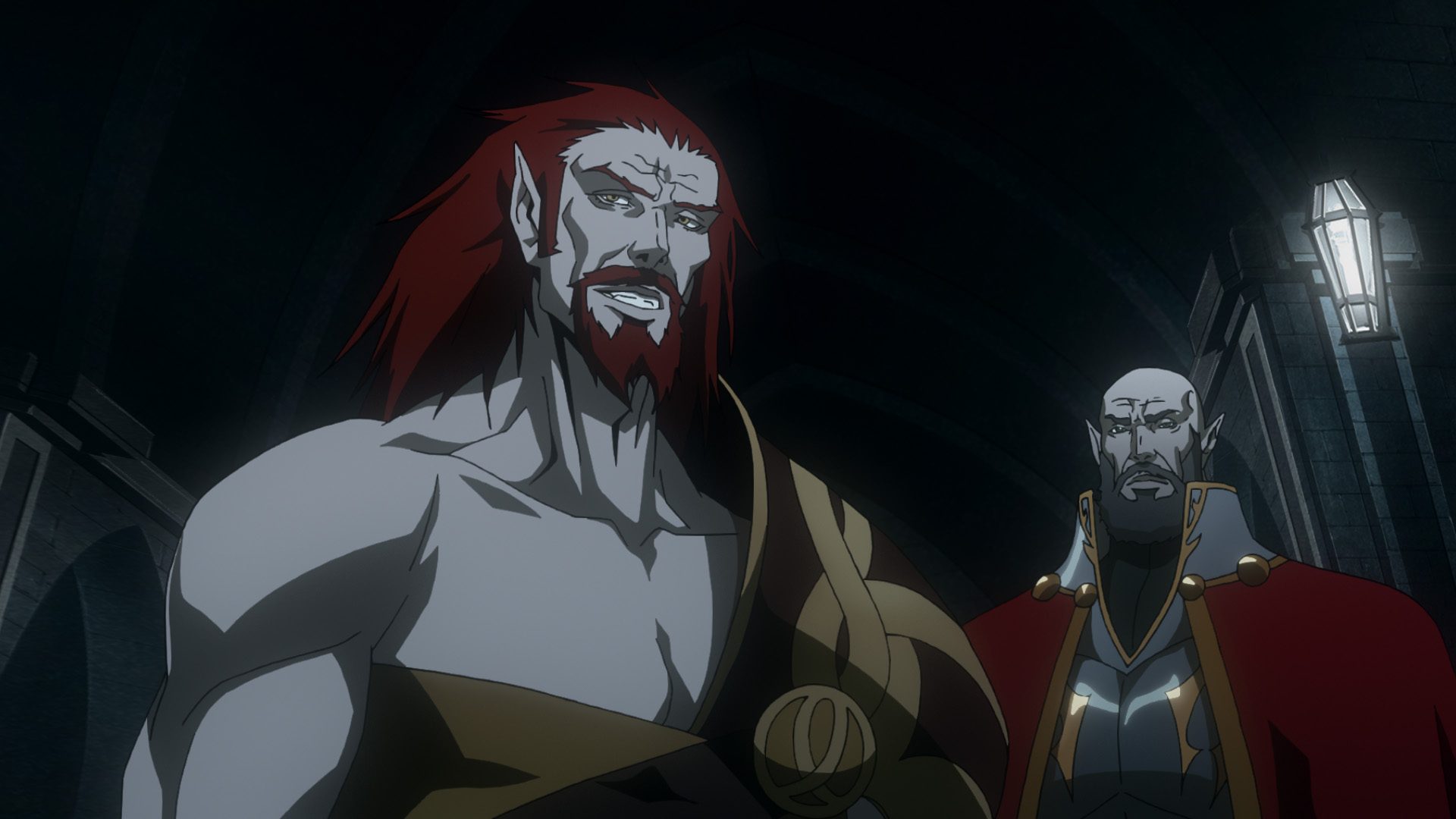
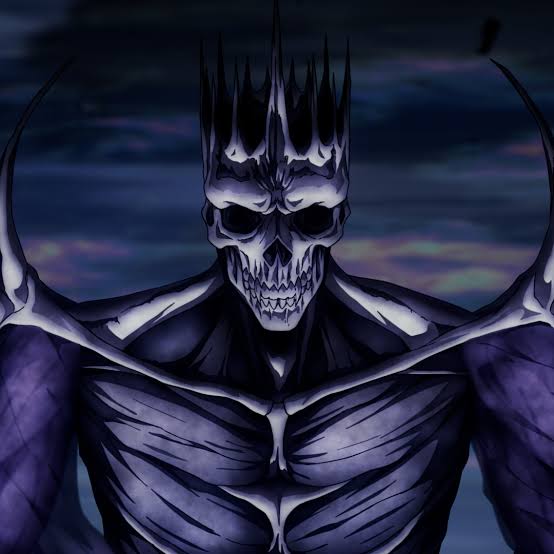
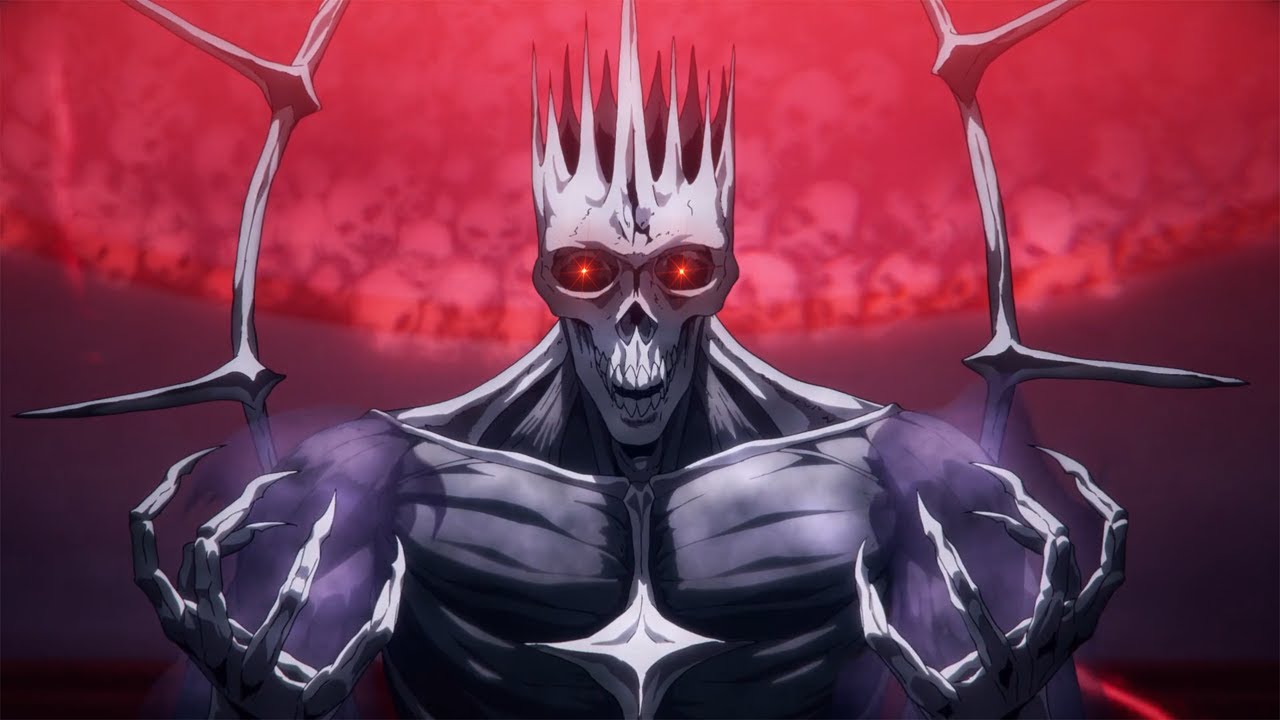
DRACULA
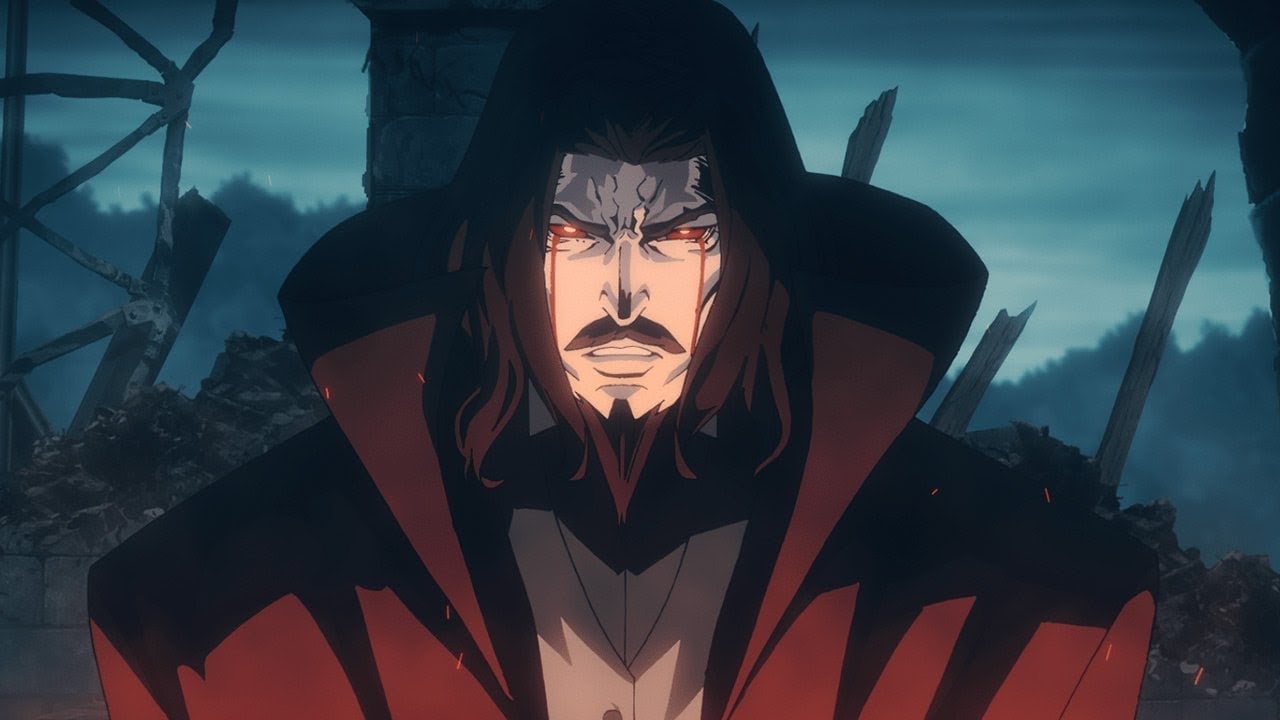
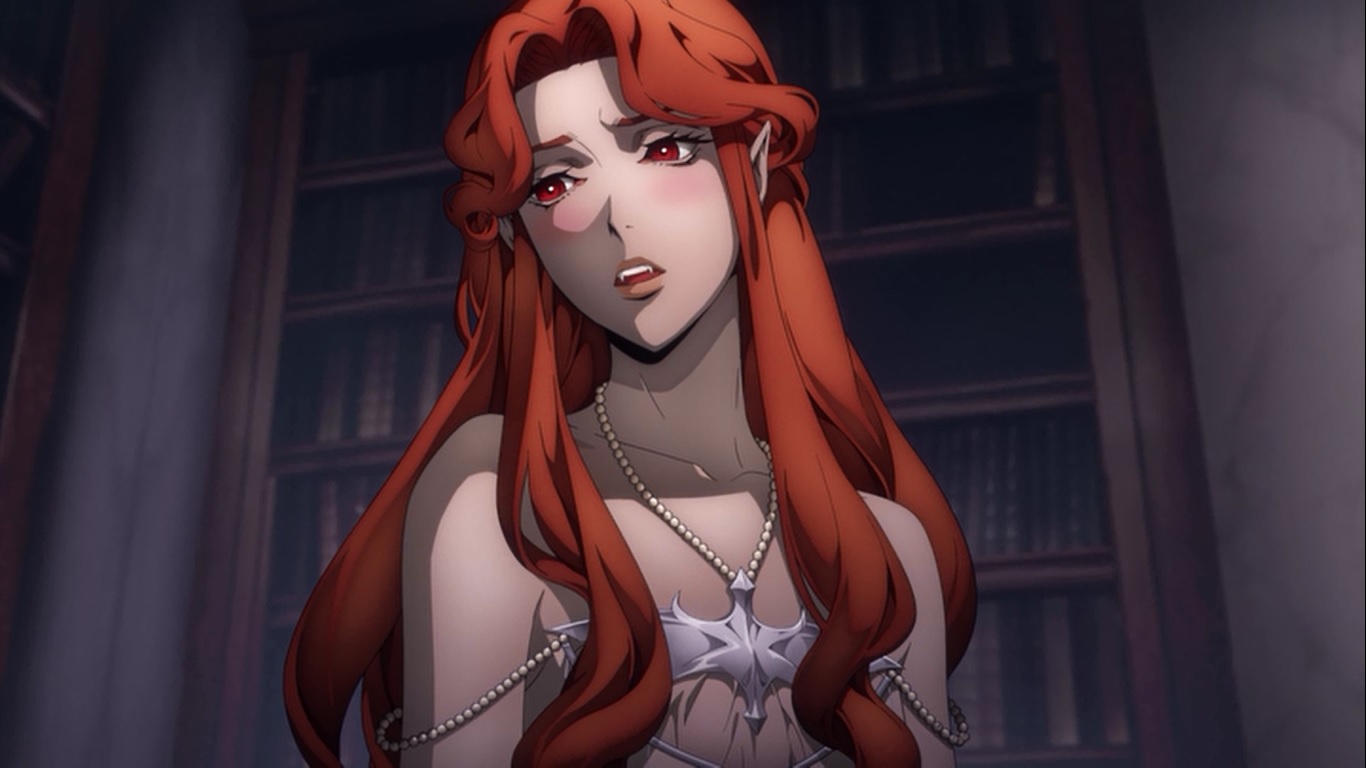
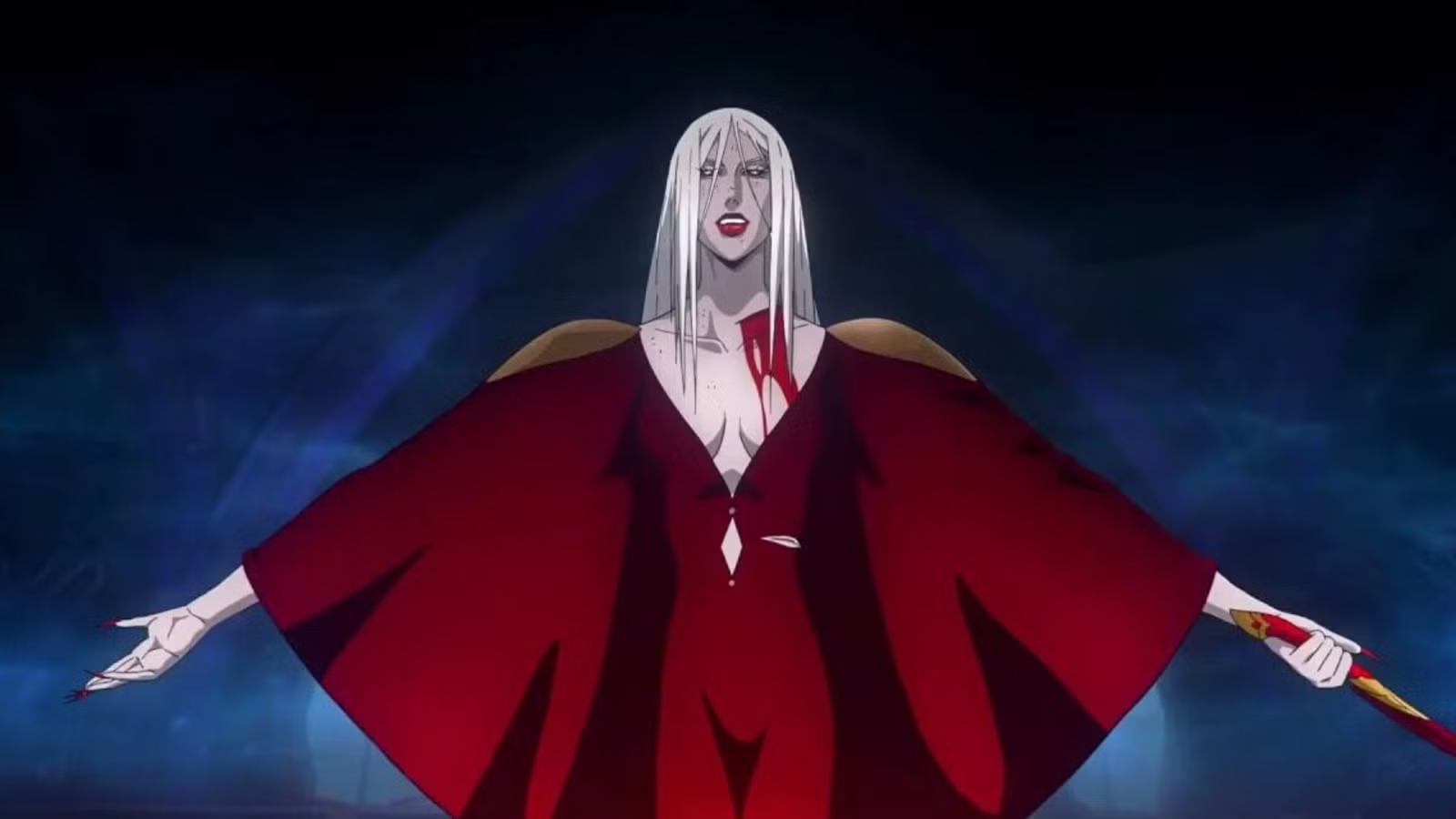
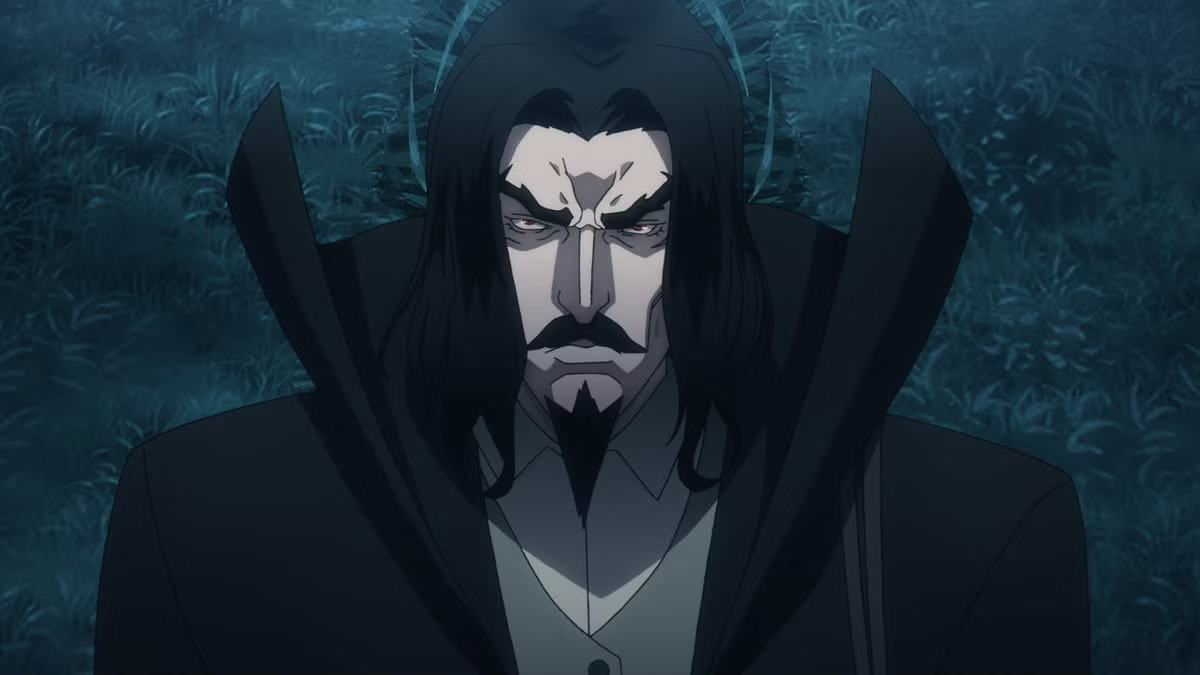
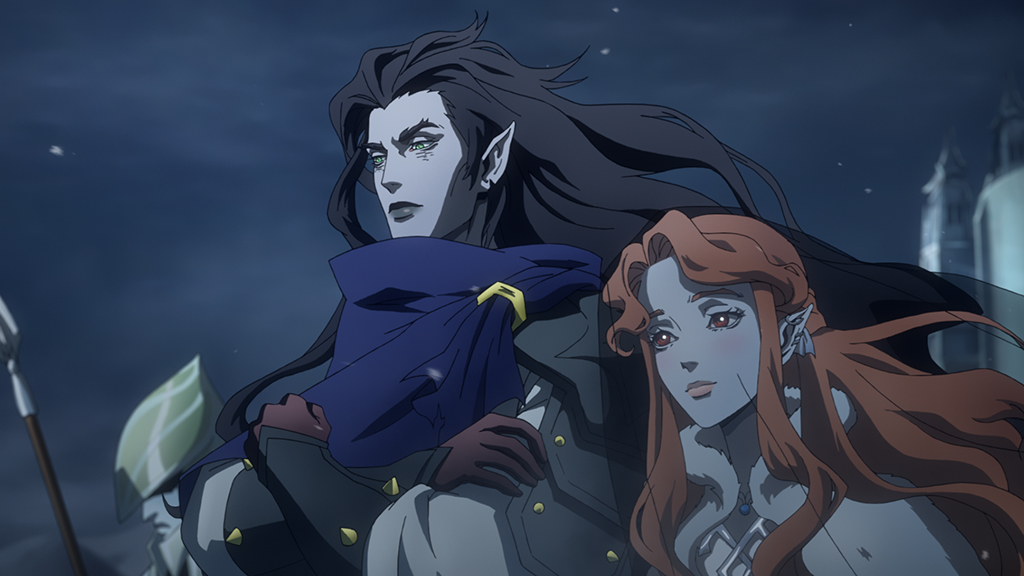
Dracula loved a woman who was burned by an institution that feared her knowledge, and responded with a grief so absolute it became a declaration of war. He is not a simple villain — the series is careful about this. He is someone whose capacity for love was always real and total, and whose loss produced something that the love itself couldn’t contain. By the time season two ends, he has stopped believing in his own cause.
The war is momentum. The grief is still the engine. The tragedy is that he was right about the thing that killed her and wrong about what to do with being right.
Strengths:
👍 Loved completely, truly
👍 Power beyond all measure
👍 Understood humanity once
Weaknesses:
👎 Lost the reason mid-war
👎 Chose what she would hate
👎 Grief became the whole world
Archetype: Yandere — not in the conventional sense, but in the most literal one: someone whose love was so complete that its loss produced something the love itself would have found monstrous.
MBTI: INTJ — The INTJ who was right about the injustice, wrong about the response, and somewhere in the second season stopped being certain about either.
If you got Dracula: You’ve loved something completely and the loss of it produced something you might not fully recognize as yourself. The Dracula result doesn’t mean you’re monstrous — it means your capacity for feeling is enormous and you haven’t always found a way to hold it that doesn’t consume everything around it.
The most devastating line he has is the quiet acknowledgment that he lost the moral high ground somewhere along the way — that the thing he was doing stopped being about Lisa and became about the grief itself. That self-awareness, arriving too late, is the whole tragedy.
The question the result is actually asking is whether you’re in the war or in the grief. They’re not the same thing, even when they look like it.
“I think… I may have lost the moral high ground somewhere.”
HikiChat:
The Night Gives Everyone a Reason to Stop. The Quiz Just Finds Out What You Do With It.
Castlevania is about what grief does to people at every scale — from one man’s war against humanity to one hunter’s refusal to become what his circumstances invited. The characters who matter are the ones who were given reasons to stop and found something that made continuing possible anyway.
The quiz found out which version of that you are.
BACKWARD