












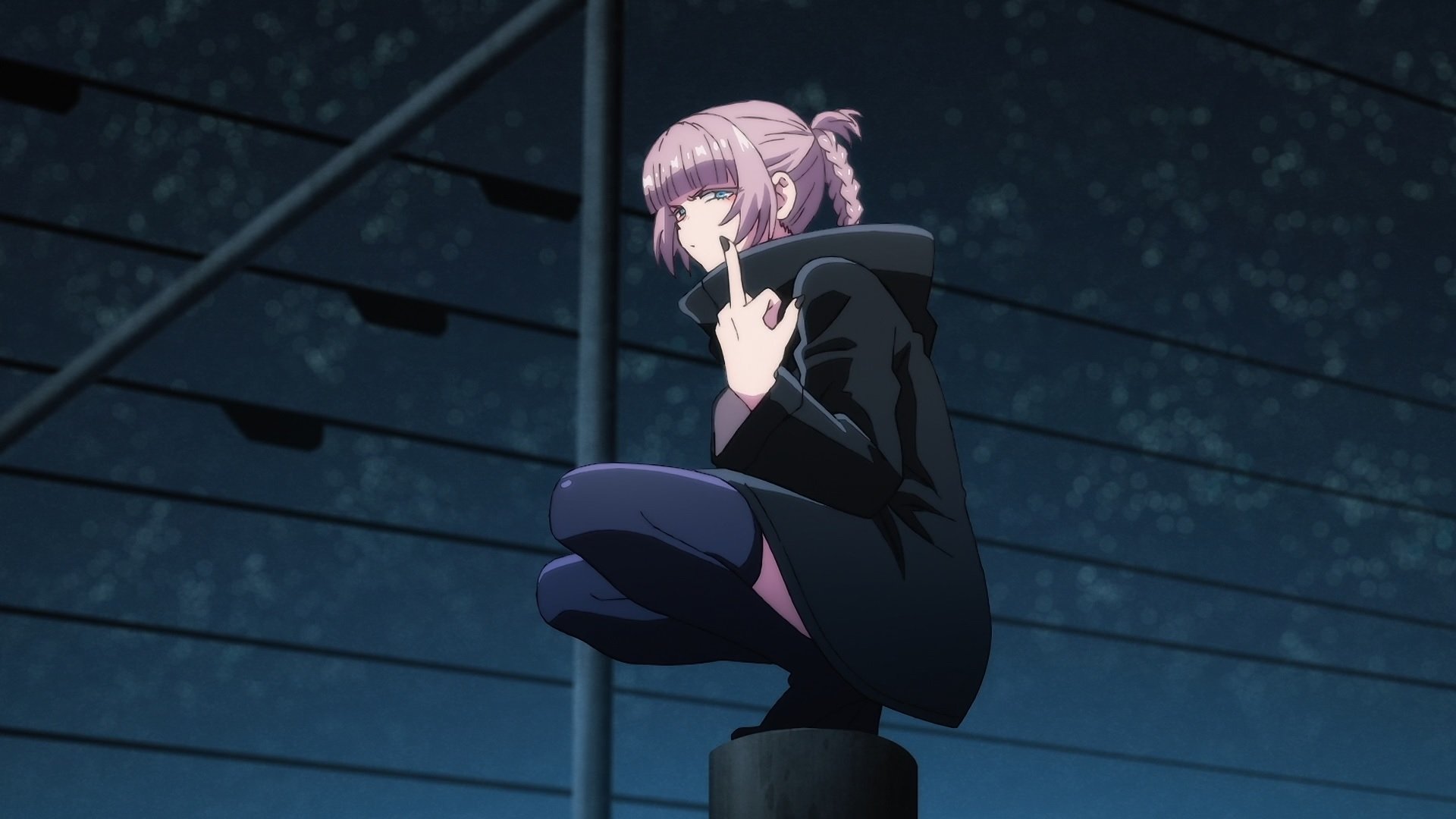



Kou Yamori stopped sleeping one night and walked out of his house at 1am and found that the world made more sense in the dark than it did in the daylight. The people who moved through the night felt more real than the ones he’d been surrounded by all day.
Call of the Night is about the specific feeling of not fitting into the daytime — and what happens when you find the place and the people where you actually do. The night isn’t just a setting. It’s a statement about where certain people belong and what they’re looking for in the margins of ordinary life. Find out which of them you are.
It’s late. The city is quieter than it’s going to be. Let this lo-fi cover of Daten carry you through while you find out which character walks the night with you.

Take the quiz and find out which Call of the Night character matches your midnight soul.
- Pick the perfect atmosphere for your quiz journey – just pick one of the buttons above and set the mood.
- Relax – our quizzes aren’t MIT entrance exams 😉 They’re here to entertain you and deepen your connection with anime characters (and yourself).
- If none of the answers fit 100%, just choose the closest one – it’s enough for an accurate result.
- Enjoy the process — there are no right or wrong answers here.
- Try taking the same quiz more than once — sometimes the second result is the most surprising.
- Don’t forget to share your result with friends and invite them to find their anime self too!
The Night Makes More Sense — Why Call of the Night Is About More Than Vampires and Insomnia
Global Ratings:
Users Ratings:
Nazuna reflects the tension between isolation and connection, using untethered freedom as a defense mechanism against the vulnerability of truly mattering to someone. The supporting cast deepens these psychological portraits, from Akira’s anchoring reality to Midori’s guarded distance.
Beyond the main leads, the entire ensemble consists of vibrant, compelling personalities whose unique quirks and hidden depths keep the nocturnal world endlessly fascinating.
The Night Already Knew Which One You Were
KOU YAMORI

Kou stopped sleeping and walked out into the night and found it made more sense than everything he’d left behind. He’s not sure what he’s looking for — he says he wants to become a vampire, which is technically true and also a way of saying he wants to belong somewhere that isn’t the life he walked out of.
He’s honest in a way that surprises people, direct without being unkind, and genuinely curious about the things the night contains. The insomnia was the symptom. The night was the diagnosis.
Strengths:
👍 Honest without cruelty
👍 Genuinely curious
👍 Present for what matters
Weaknesses:
👎 Restless by nature
👎 Still figuring out the destination
👎 Knows what he left, not what he wants
Archetype: Dandere — quiet and introspective, with a directness that surfaces when something actually matters, and a restlessness that drives him toward things he can’t yet name.
MBTI: INFP — The INFP who stopped pretending the daytime fit and walked out into the night to find out what actually did.
If you got Kou: You’ve walked out of something that didn’t fit — a version of life, a set of expectations, a way of being that looked correct from the outside and felt hollow from the inside — and you’re somewhere in the middle of figuring out what comes next.
The Kou result says your honesty is real and your restlessness is real and they’re both pointing toward something you haven’t fully named yet. The night, for you, is wherever you think most clearly. The question isn’t whether you belong there — you do. The question is what you find when you arrive and what you decide to do with it.
“You’re weird. I like that.”
NAZUNA NANAKUSA

Nazuna is a vampire who has been alone long enough that aloneness became identity — she calls it freedom, and she’s not entirely wrong, but the series is interested in the distinction between freedom from attachment and freedom within it.
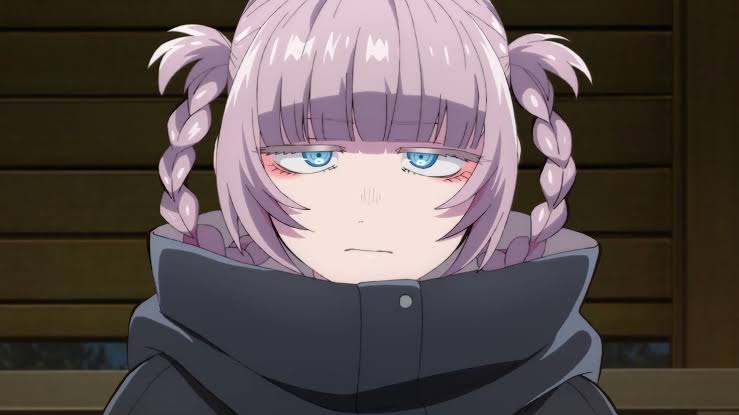
She’s casual about nearly everything, warm in a way that surprises people who assumed the vampire thing meant cold, and afraid of exactly one thing: being loved, because being loved means mattering to someone, which means they can take something from you by leaving.
Strengths:
👍 Free without apology
👍 Warm and disarming
👍 Lives fully in the night
Weaknesses:
👎 Intimacy as threat
👎 Alone by habit now
👎 Letting people in costs her
Archetype: Tsundere — casual and deflective on the surface, with a genuine warmth underneath and a specific fear of what the warmth means if she lets it be seen.
MBTI: ESFP — The ESFP who built a life around freedom and is slowly, reluctantly discovering that choosing someone isn’t the opposite of it.
If you got Nazuna: You’ve built an identity around freedom that is real and also — if you’re being honest — partly a structure for not having to find out what happens when you let someone close enough to leave. The Nazuna result says your warmth is genuine and your independence is genuine and the tension between them is the thing the series is interested in.
Choosing someone isn’t the opposite of being free. Nazuna is learning this. The version of freedom that includes someone you’ve chosen is different from the version that excludes everyone — not lesser, just different. The question is whether you’re ready to find out what that version feels like.
“If you fall in love with me… then I could turn you.”
AKIRA ASAI

Akira is Kou’s classmate and the series’ representative of the daytime — present, devoted, willing to follow him into his night world even though it’s not her natural element.
She doesn’t have the restlessness or the insomnia. She has something else: the specific loyalty of someone who cares about a person regardless of which world they’re in, and who shows up consistently without requiring the person to come back to the light first.
Strengths:
👍 Genuinely caring
👍 Shows up regardless
👍 Loyal without condition
Weaknesses:
👎 Daytime is her world
👎 Feelings stay careful
👎 Watches from the edges sometimes
Archetype: Dandere — present and warm and slightly restrained about her own feelings, with a loyalty that expresses itself through consistent showing up rather than declaration.
MBTI: ISFJ — The ISFJ who shows up for the people she cares about regardless of which world they’re living in, because that’s just what care looks like.
If you got Akira: You show up for the people you care about in whatever world they’re currently living in — not because you necessarily belong there, but because they do and that’s sufficient reason. The Akira result says your loyalty is real and consistent and expressed through presence rather than declaration, and that the people you care about know it even when you haven’t said it.
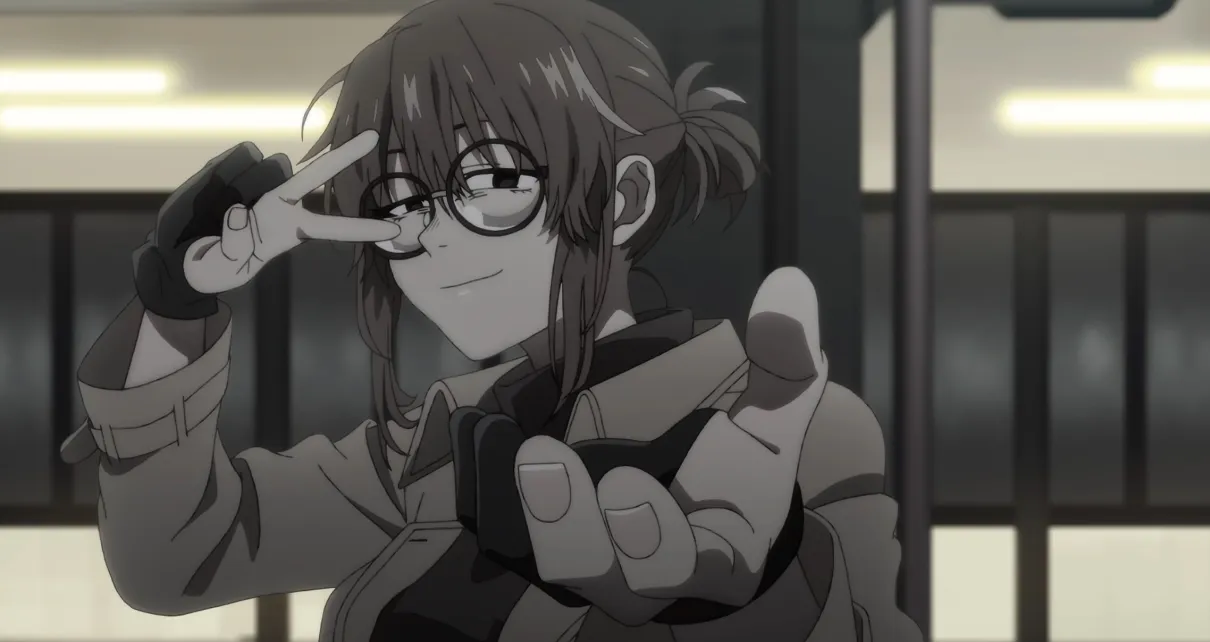
Where this gets complicated is the self-expression part — because Akira’s feelings stay careful for a long time, and careful feelings are still feelings, and eventually the careful version and the real version need to be the same one. You’re allowed to say the thing. The people you’re showing up for already know it anyway.
“You don’t have to explain yourself to me.”
MIDORI KOHAKOBE

Midori is a vampire and a detective who observes everything and commits to little — she watches the Kou and Nazuna situation with professional interest and something that might be personal interest that she’s not acknowledging yet. Her distance is deliberate.
She’s been around long enough to have opinions about what attachment costs and to have made some considered decisions about how much of it she’s willing to carry. She’s not cold. She’s careful, which is a different thing.
Strengths:
👍 Sees everything clearly
👍 Calm under anything
👍 Operates with precision
Weaknesses:
👎 Distance is the default
👎 Commits to almost nothing
👎 Warmth stays carefully hidden
Archetype: Kuudere — composed and observant, with warmth underneath that surfaces in small, precise moments rather than declarations.
MBTI: INTJ — The INTJ who has been around long enough to have strong opinions about what connection costs, and manages those opinions through careful, deliberate distance.
If you got Midori: You observe more than you participate, and the observation is genuine — you’re not disengaged, you’re just careful about where the engagement goes and what it costs. The Midori result says you’ve probably been around long enough — or paid enough attention — to have real opinions about what closeness costs, and those opinions have shaped a way of moving through the world that keeps most things at a distance that feels manageable.
The distance is real and so is what it’s protecting. What’s worth examining is whether the thing it’s protecting still needs that much protection — because careful distance and genuine freedom are related but not identical, and the version of you that knows the difference is the one that decides how close to let things get.
“I’ve been doing this a long time. Long enough to know what I’m looking at.”
HikiChat:
The Night Knew Where You Belonged Before You Did. The Quiz Just Made It Official.
Everyone in Call of the Night is looking for something in the dark — belonging, freedom, the right kind of company, or just the space to think clearly without the day pressing in. What the quiz found isn’t which character you wish you were.
It’s which way of moving through the night is most authentically yours. The night has been waiting. Now you know which part of it.
BACKWARD