
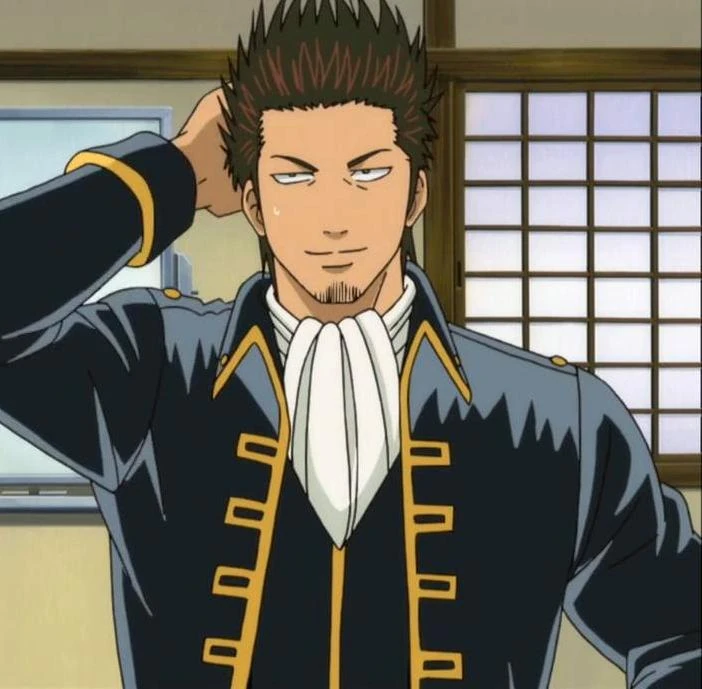
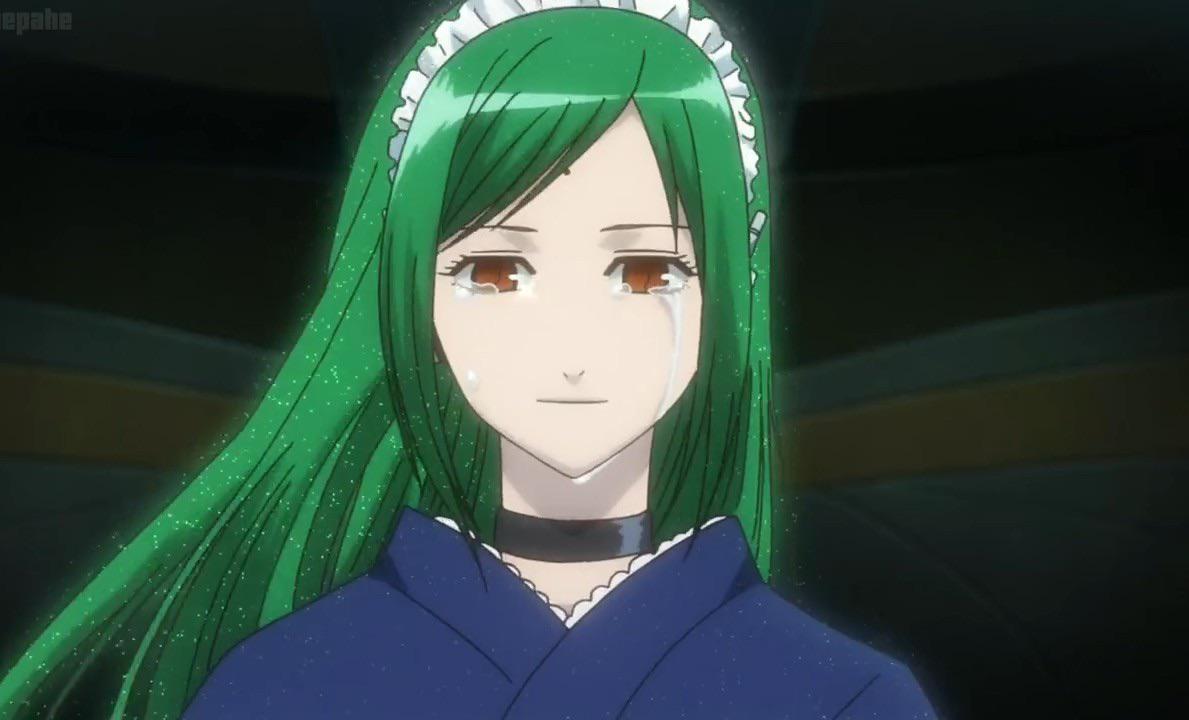
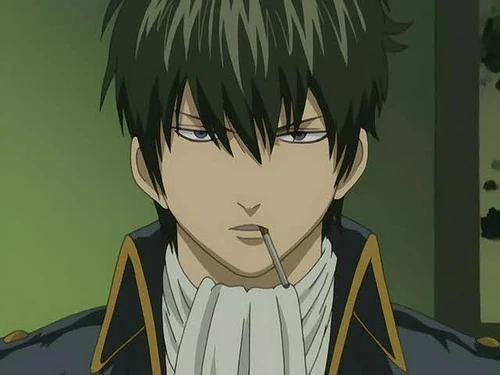
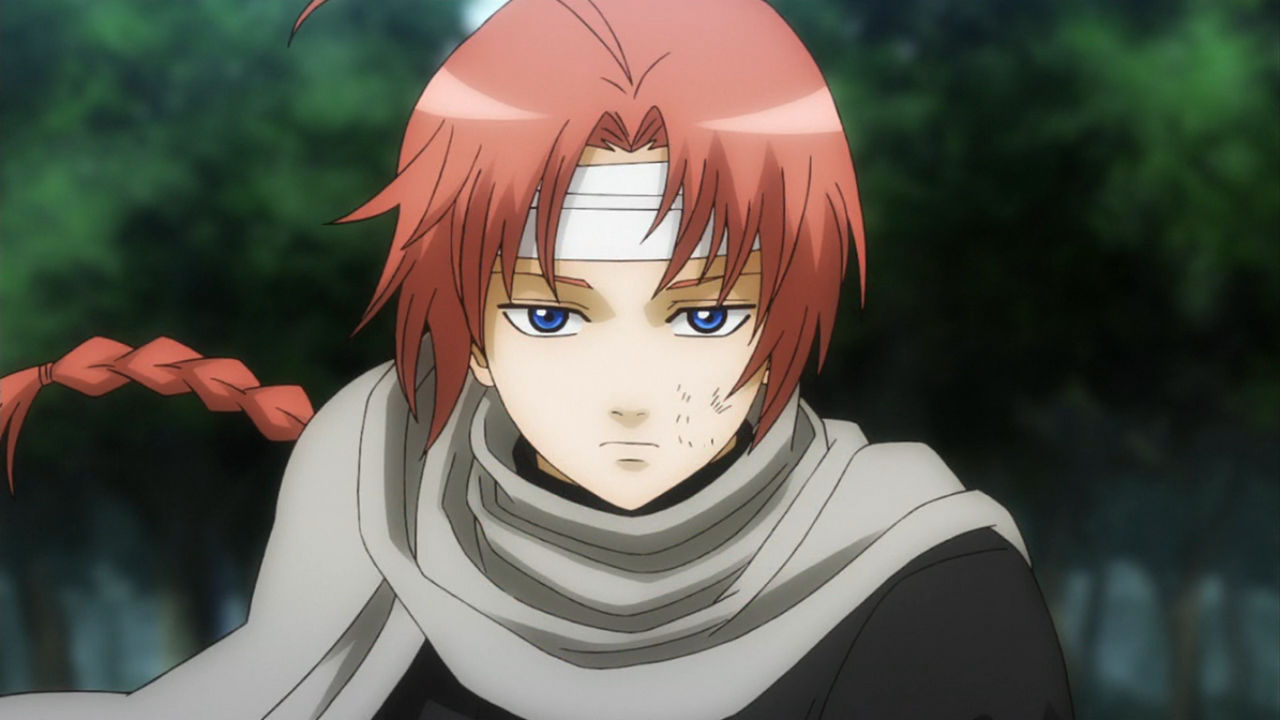




Edo has been taken over by aliens. The samurai class has been abolished. Gintoki Sakata reads Weekly Jump, eats too much parfait, and runs an odd-jobs business out of a building that should probably be condemned.
Gintama is a series that makes you laugh for four hundred episodes and then, without warning, makes you feel something so specific and so heavy that you have to put the episode down and sit with it for a while. The characters who do this to you are the ones who spent the previous arc doing something completely undignified and meant every second of both. Find out which one you are.
No stormy skies, no dark clouds, no distractions. Let this lo-fi cover of Donten hold the quiet while you find out which Gintama character you’ve been all along.

Step into the madness of Edo and find your place among the Yorozuya and their allies before everything explodes (again).
- Pick the perfect atmosphere for your quiz journey – just pick one of the buttons above and set the mood.
- Relax – our quizzes aren’t MIT entrance exams 😉 They’re here to entertain you and deepen your connection with anime characters (and yourself).
- If none of the answers fit 100%, just choose the closest one – it’s enough for an accurate result.
- Enjoy the process — there are no right or wrong answers here.
- Try taking the same quiz more than once — sometimes the second result is the most surprising.
- Don’t forget to share your result with friends and invite them to find their anime self too!
The Odd Jobs Nobody Asked For — Why Gintama Is the Most Emotionally Devastating Comedy Ever Made
Gintama ran for over three hundred episodes of comedy before most people understood what it was doing, and it was doing it the whole time. The parody, the toilet humor, the breaking of the fourth wall, the episodes that are quite literally about the production staff running out of budget — all of this is the surface of a series that is, underneath, about what happens to people who survive catastrophic loss and decide to keep going anyway.
Global Ratings:
The protagonist is introduced as a lazy, parfait-eating, Jump-reading freelancer who does odd jobs for whoever shows up.
The cast balances classic archetypes — the abused straight man holding the emotional architecture together through sheer will, and the rigid, obsessive authority figure carrying the cost of duty with a ferocity they’d never describe as grief.
Users Ratings:
The series is not interested in simple heroes. It’s interested in people who are ridiculous and real simultaneously, and it holds both without letting either cancel the other out. Step into the madness of Edo and find out which piece of that chaotic spirit matches your own before the laughter stops.
The Odd Jobs Were Never Really About the Jobs
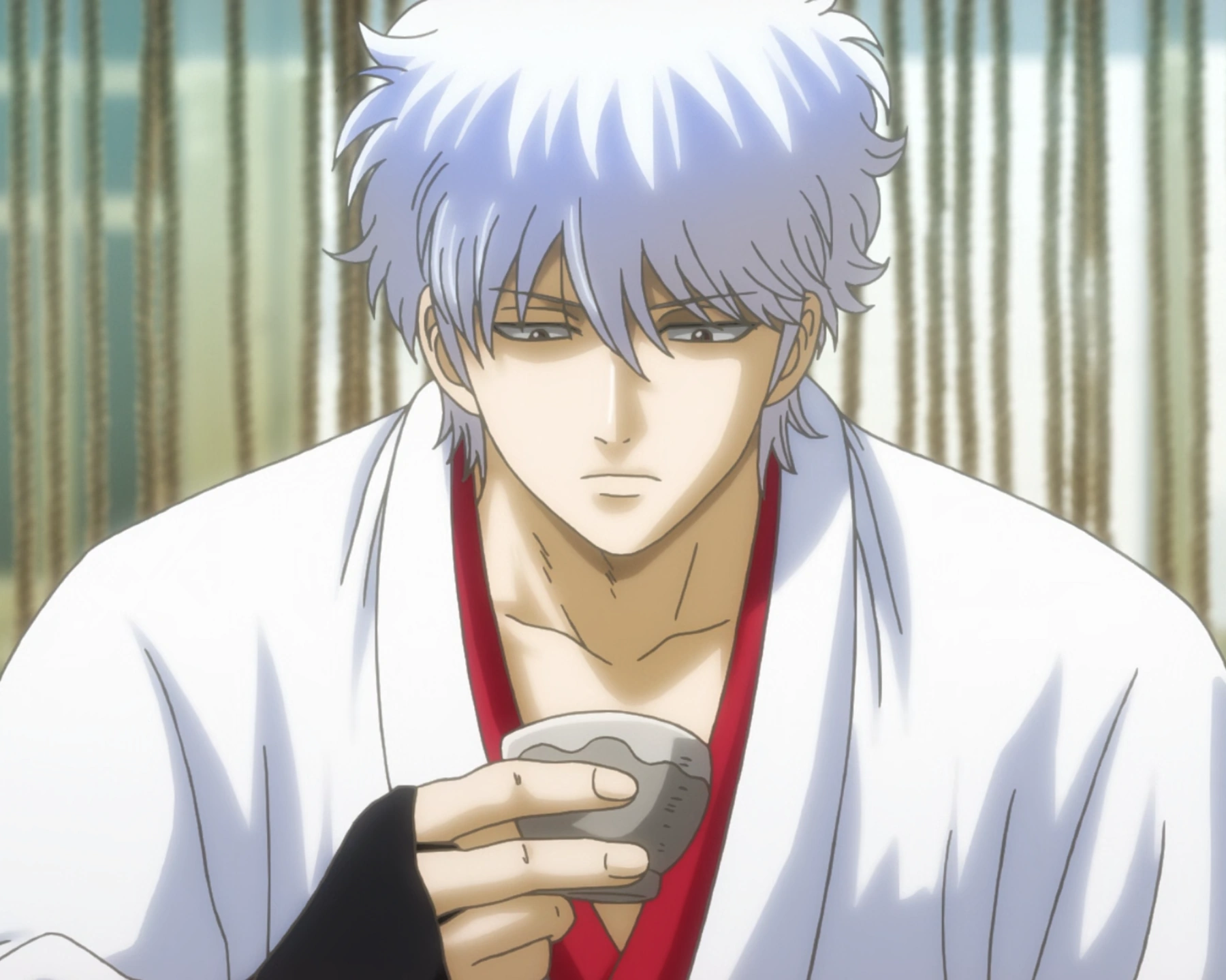
GINTOKI SAKATA
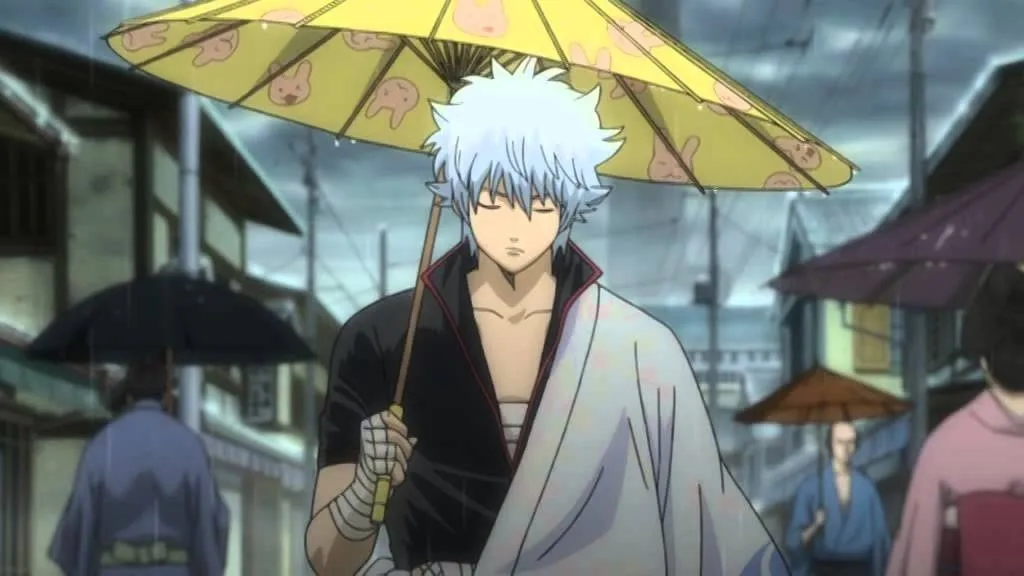
Gintoki reads Jump, eats parfait, avoids paying rent, and fought in a war that took everything and came out the other side still standing — not intact, but standing. He runs the Yorozuya on the basis that someone has to do something about whatever problem just walked through the door, and he might as well.
He would describe himself as lazy. The people who’ve seen him in a serious arc would describe him differently, and he’d tell them to shut up about it.
Strengths:
👍 Carries grief forward
👍 Protects without declaring
👍 Unbreakable when needed
Weaknesses:
👎 Rent always unpaid
👎 Parfait over practicality
👎 Avoids admitting anything
Archetype: Kuudere — lazy and irreverent on the surface, with a soul of steel underneath that only surfaces fully when someone he cares about is in danger, and then surfaces completely.
MBTI: ISTP — The ISTP who survived the unsurvivable, decided to keep going anyway, and expresses that decision through showing up for odd jobs and occasionally saving the entire city.
If you got Gintoki: You present as lazy or indifferent and nobody who’s been around long enough to see what you do when it actually matters believes either of those things. The Gintoki result says you carry something heavy from a long time ago and you’ve converted it into forward momentum rather than backward grief — not because the grief isn’t real, but because stopping would mean letting what happened win.
The humor is real. The laziness is partly real. The soul underneath both of them is what the serious arcs are made of, and the people who’ve seen it know what you actually are. You’d tell them to shut up about it. They’d be right anyway.
“Don’t give up. It’s just the beginning.”
KAGURA
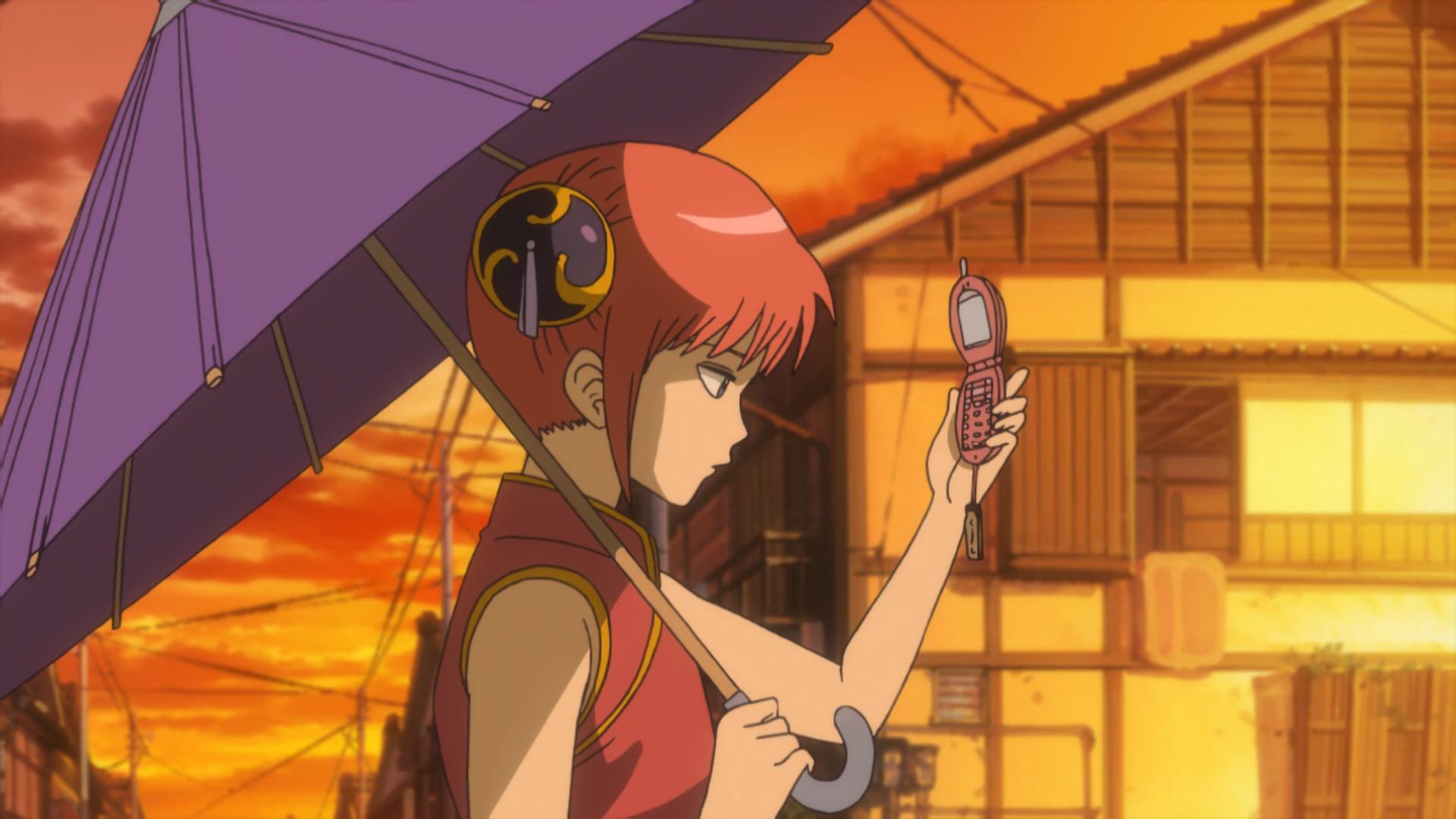
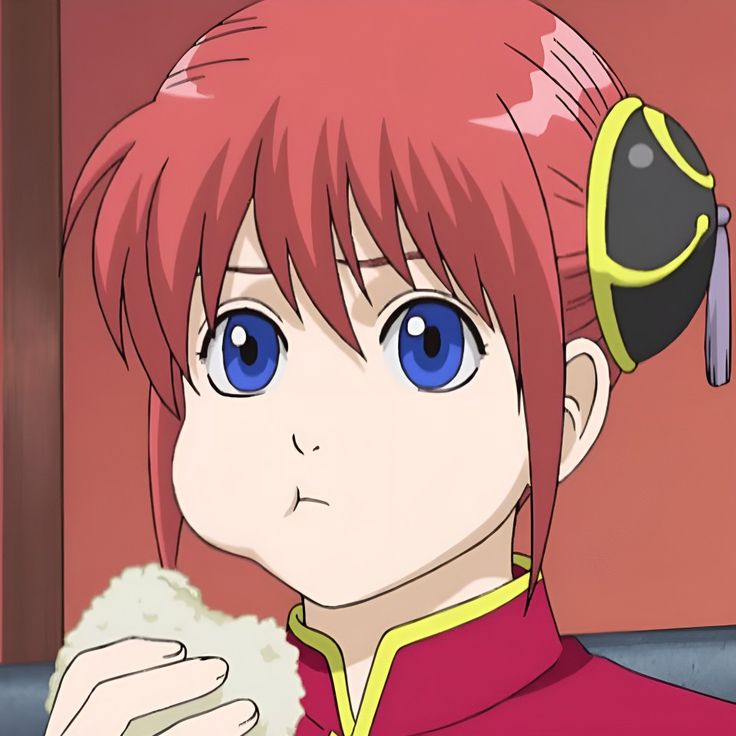
Kagura is a member of the Yato Tribe — one of the most powerful warrior clans in the universe — and spends most of her time eating, arguing with Gintoki, and being extremely honest about exactly what she thinks of any situation.
She’s with the Yorozuya because she wanted to be, which she says plainly when someone asks. She’s staying because she wants to, which she also says plainly. The simplicity of this is not naivety. It’s the specific clarity of someone who has decided what matters and doesn’t waste words on the rest.
Strengths:
👍 Physically terrifying
👍 Honest without filter
👍 Loyal without condition
Weaknesses:
👎 Yato instincts surface
👎 Strategic thinking: no
👎 Eats everything always
Archetype: Genki — loud, chaotic, physically overwhelming, with a loyalty underneath that she states plainly and means completely.
MBTI: ESFP — The ESFP who decided where she belonged and said so directly, and has been there ever since without complicating it further.
If you got Kagura: You say what you mean with a directness that people sometimes mistake for bluntness and is actually just clarity — you know where you are, why you’re there, and who you’re with, and you don’t waste language making it more complicated than that.
The Kagura result says your loyalty is total and stated plainly rather than performed elaborately, and that the chaos surrounding you is real and also not actually the most important thing about you. The most important thing is the last quote: it only counts if you have all three. You know who your three are. You’re staying because you want to.
“Where are you going? This film… There’s no point if you only have one of them. It only counts if you have all three.”
SHINPACHI SHIMURA
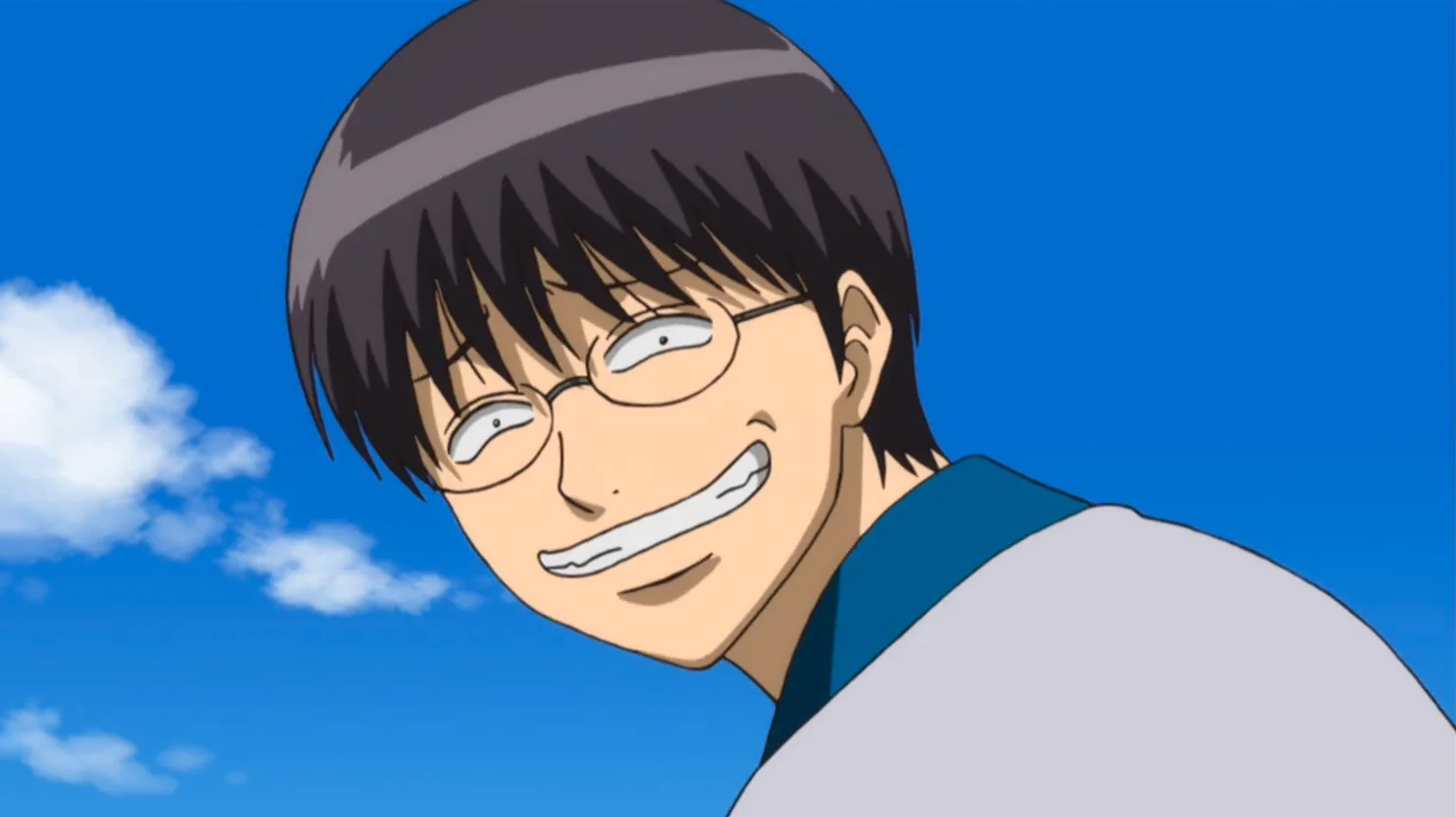
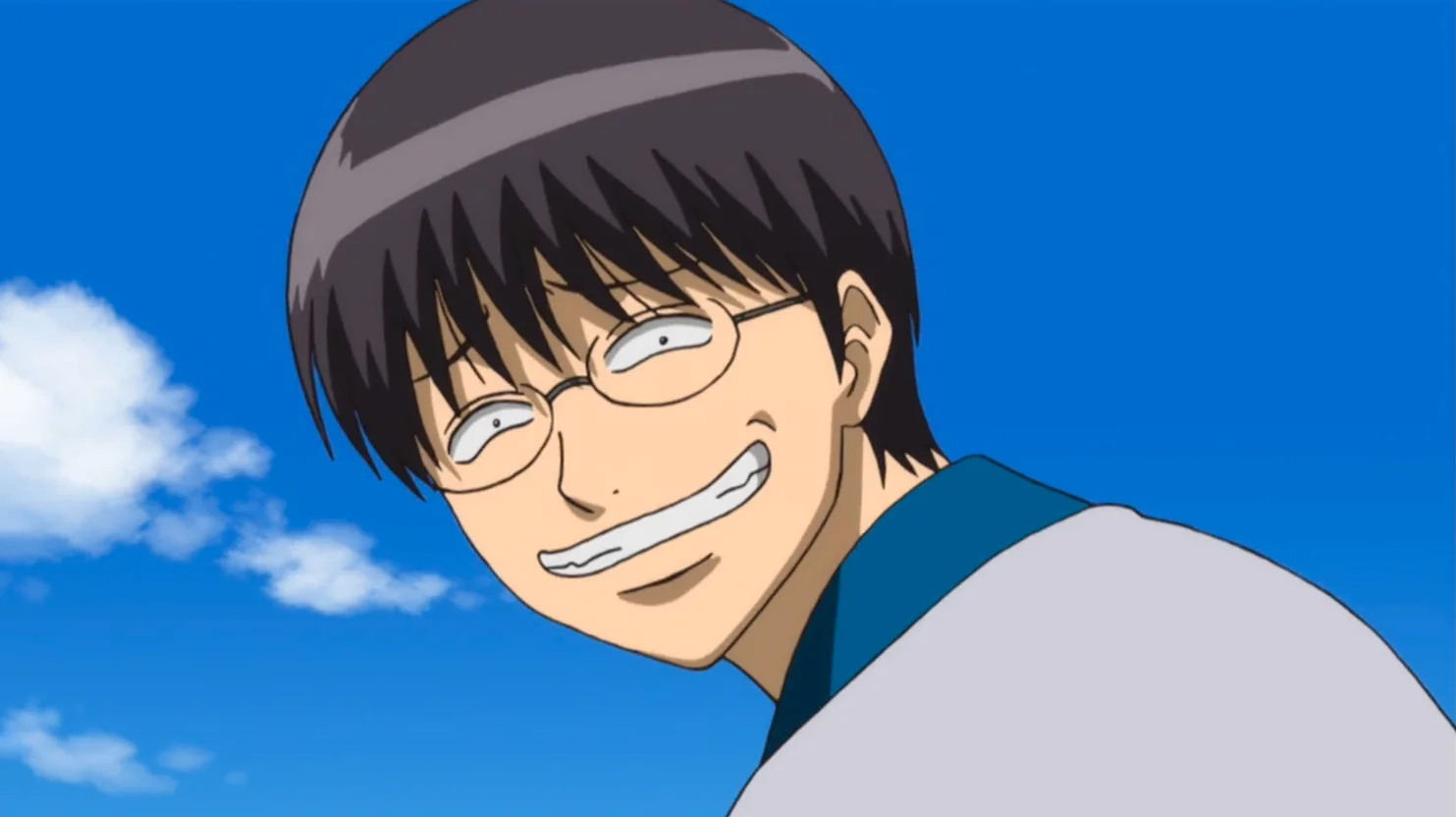
Shinpachi is the straight man — the series’ most sustained joke is that he is functionally just his glasses — and also the person who takes everything seriously that the others won’t, keeps the Yorozuya operationally functional, cares about his idol group with a completeness that the series treats as both comedy and genuine character, and holds the entire emotional center of the team by being the one who actually processes what’s happening while everyone else is being ridiculous.
Strengths:
👍 Genuinely devoted
👍 Takes things seriously
👍 Holds everything together
Weaknesses:
👎 Gets no credit for it
👎 Overshadowed always
👎 Constantly exasperated
Archetype: Tsukkomi — the straight man, the reactor, the one whose responses to chaos make the chaos legible and funny and occasionally heartbreaking.
MBTI: ISFJ — The ISFJ who holds the entire operation together through sheer conscientiousness and gets hit with a wooden sword for it regularly.
If you got Shinpachi: You’re the person who makes things work while everyone else is being a disaster, and you get hit with a wooden sword for it, and you show up again the next day. The Shinpachi result says your reliability is real and your exasperation is real and neither of them stop you from doing what needs doing — because someone has to, and you’d rather it be someone who actually cares about getting it right.
The running joke about the glasses is the series saying something true: sometimes the person who holds everything together is the one everyone looks through rather than at. The Yorozuya doesn’t function without you. You know it. They know it. Nobody says it, which is the whole bit, and also the whole tragedy, and also why you’re the one crying in the serious arcs.
“This isn’t what I signed up for. …I’ll do it anyway.”
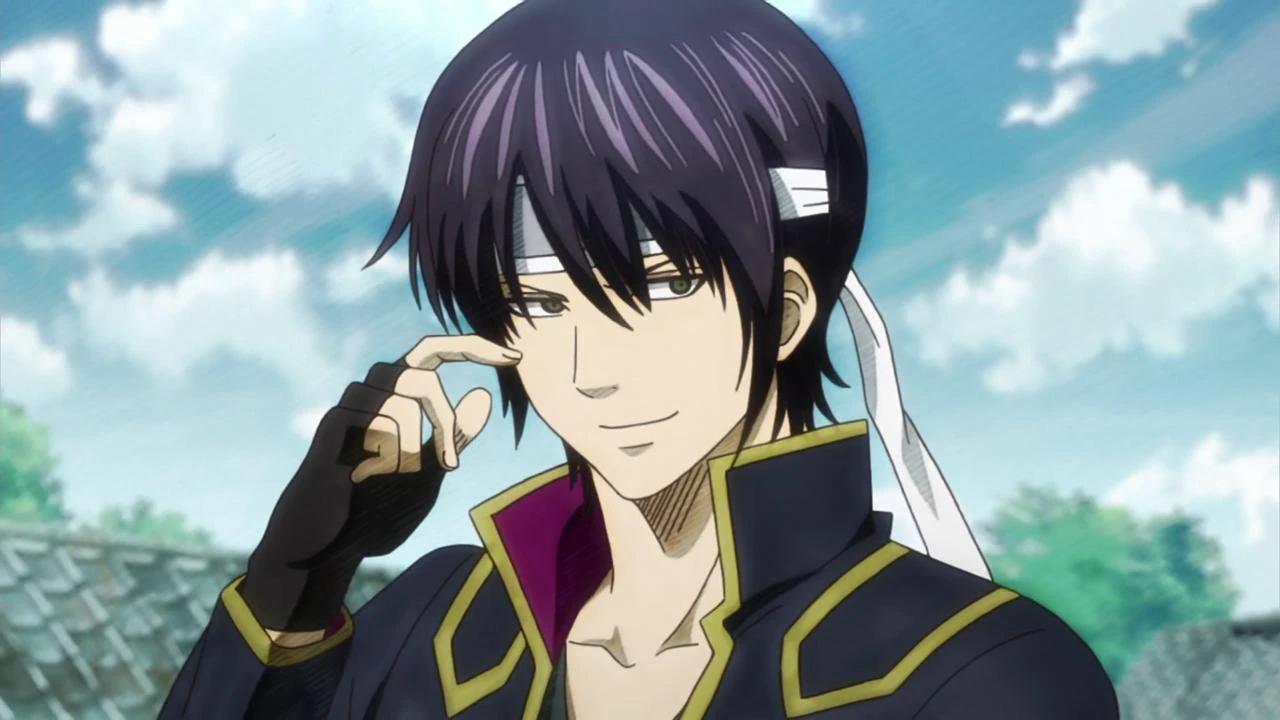
TOSHIRO HIJIKATA
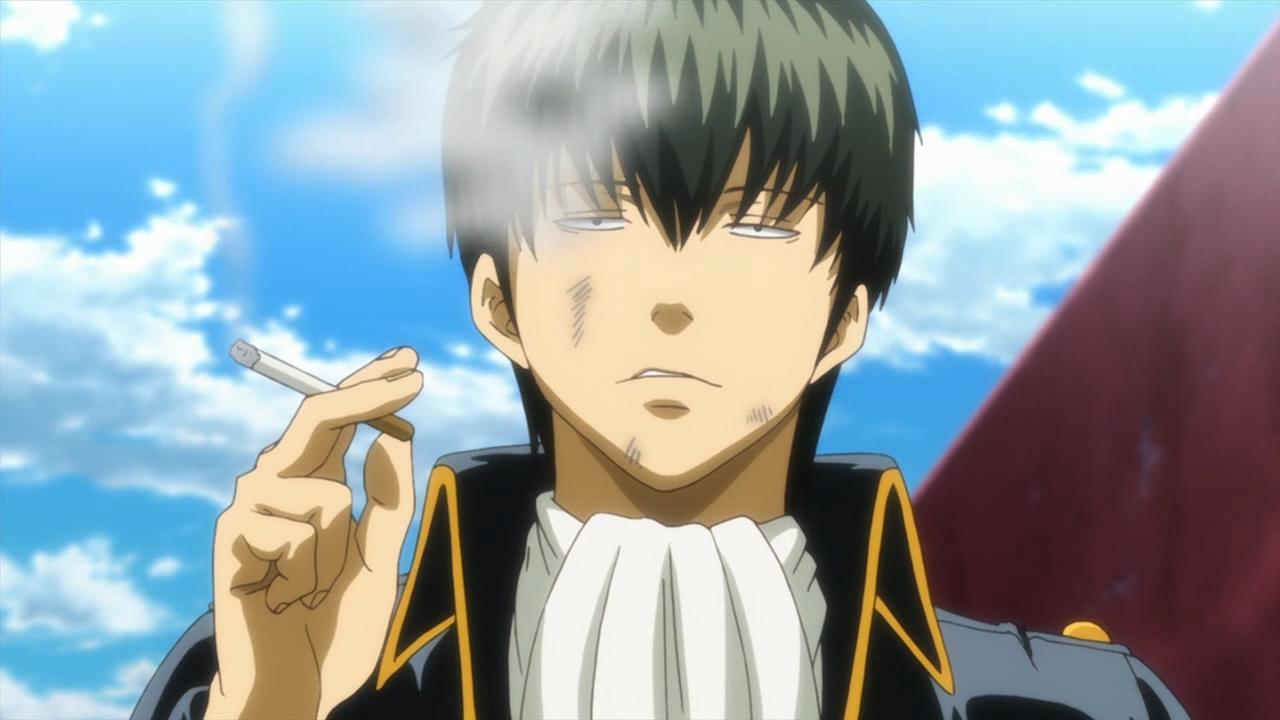
Hijikata is the vice-commander of the Shinsengumi, runs on mayonnaise and discipline, and would describe his relationship with Gintoki as professional antagonism.
He chose duty over everything else at a point in his life where the choice had real costs, and he carries what that cost with a ferocity that looks like rigidity and is actually something more specific: the specific anger of someone who made a hard choice and needs it to have been worth it. He is also, in the body swap arc, Gintoki Sakata, which is one of the funniest episodes in the series.
Strengths:
👍 Carries duty fully
👍 Absolutely professional
👍 Protects through structure
Weaknesses:
👎 Rigidity as armor
👎 Mayo before reason
👎 Emotions via fury only
Archetype: Kuudere — cold and rigid on the surface, with a genuine care for the people under his command that expresses itself exclusively through demanding excellence and occasionally getting furious at Gintoki.
MBTI: ISTJ — The ISTJ who chose duty when it was hard and has been making sure it was worth choosing ever since, through mayonnaise and professionalism in equal measure.
If you got Hijikata: You chose something — a responsibility, a role, a set of values — when the choice was difficult, and you’ve been maintaining that choice ever since with a rigor that looks like stubbornness from the outside and is actually something more like integrity.
The Hijikata result says you express care through structure and expectation rather than warmth, which means the people you care about sometimes don’t register it as care until a serious arc arrives and the evidence becomes undeniable. The mayo is a running joke. The discipline isn’t. The thing underneath both of them is that you chose something worth protecting and you’re not stopping.
“Don’t make me repeat myself.”
HikiChat:
If you have time to fantasize about a beautiful end, then just live beautifully ’til the end.
Gintama runs on a premise about freelance work in an alien-occupied Edo and is actually about what people do with grief, loyalty, and the specific stubbornness of someone who decided to keep going when keeping going wasn’t the obvious choice. The comedy is real. What it’s covering is also real.
The quiz found out which version of both you are.
BACKWARD