

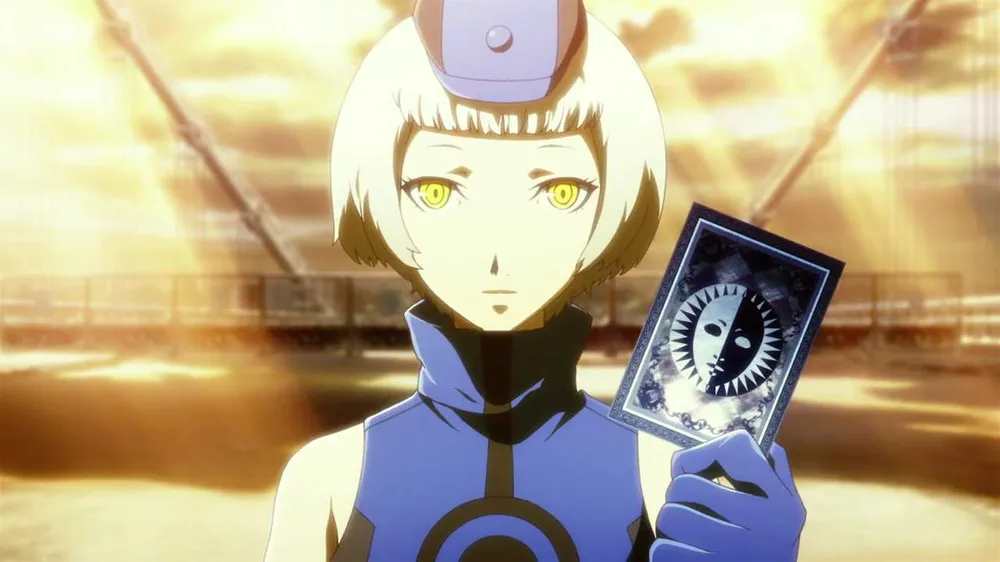

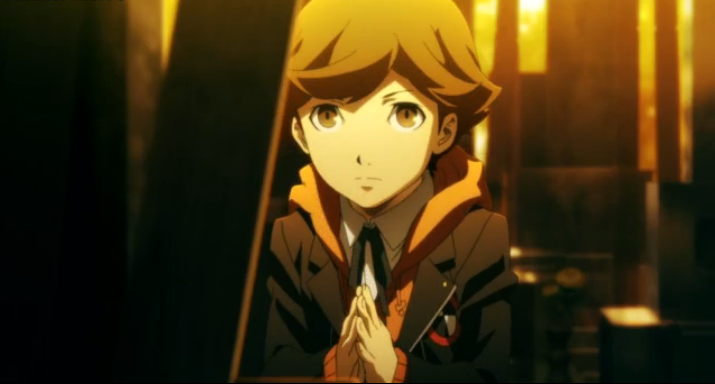
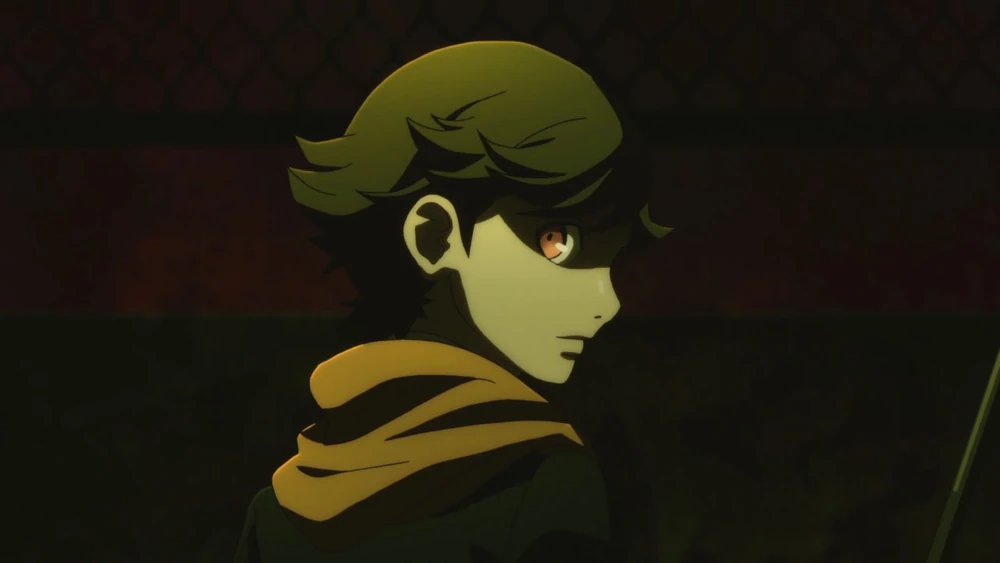
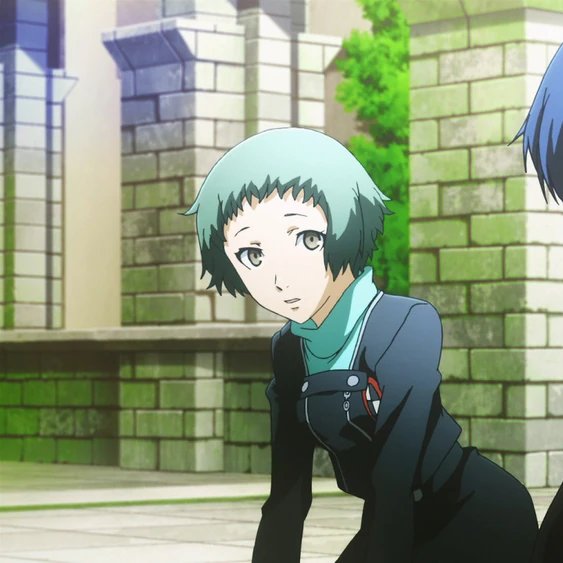
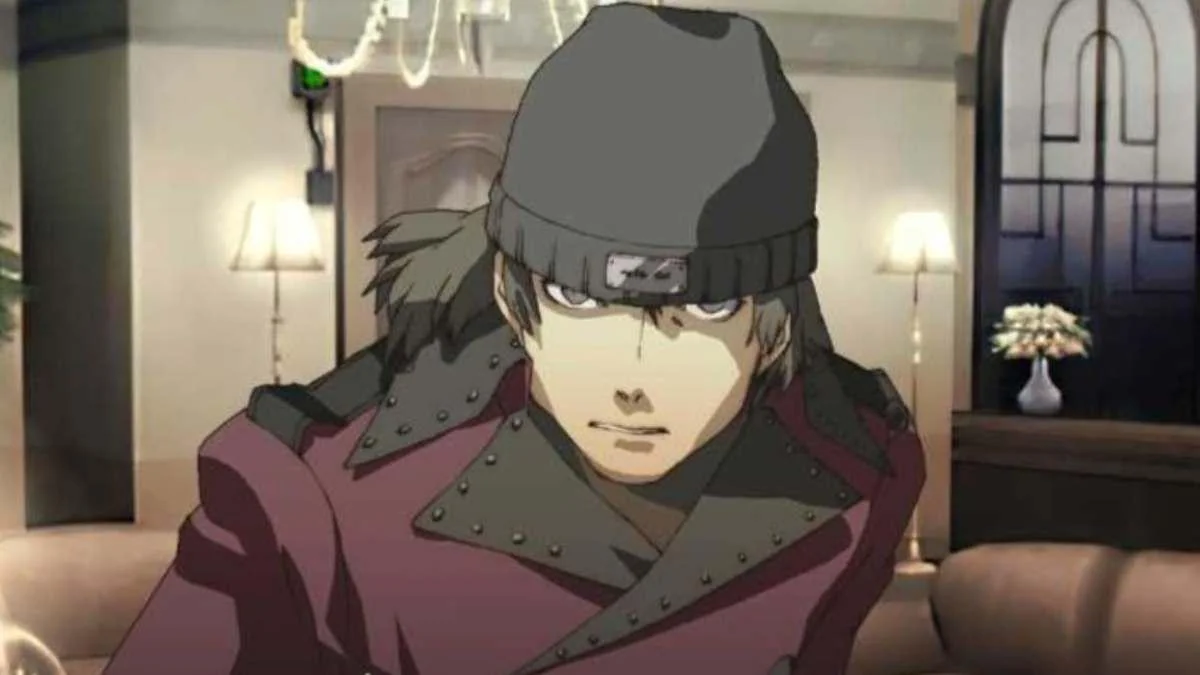
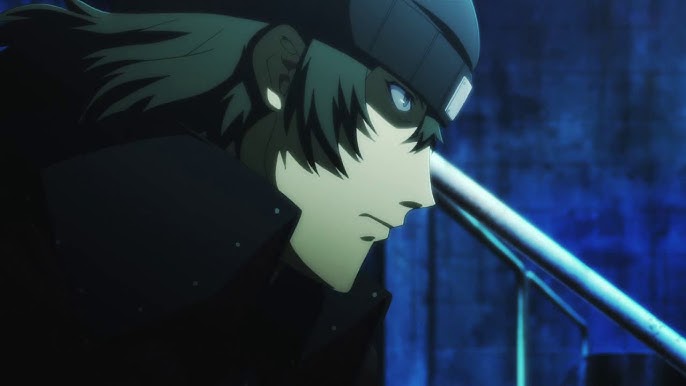


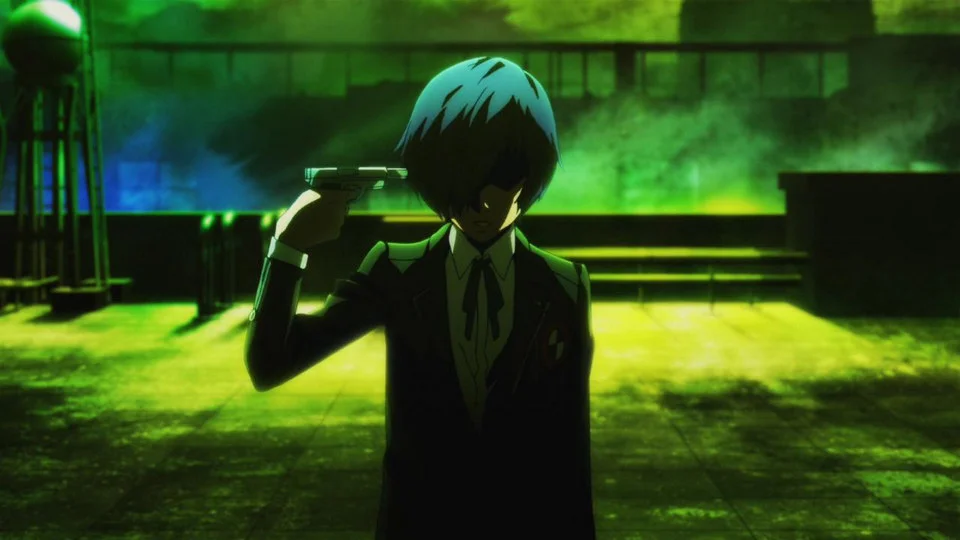


Ten years before the story starts, two children survived something that should have ended them. One grew up to run toward danger. One grew up holding grief so close it became armor.
Persona 3 The Movie follows SEES across a pivotal year — twelve months of the Dark Hour, of Tartarus, of learning that the Shadows they fight are not the only things to fear. The films are about what a year like that does to people: what it breaks, what it rebuilds, and what it leaves behind that wasn’t there before.
Find out which member of SEES you are when the Dark Hour finally fades.
The Dark Hour has begun. Let this lo-fi cover of Color Your Night carry you through while you find out which SEES member you actually are.
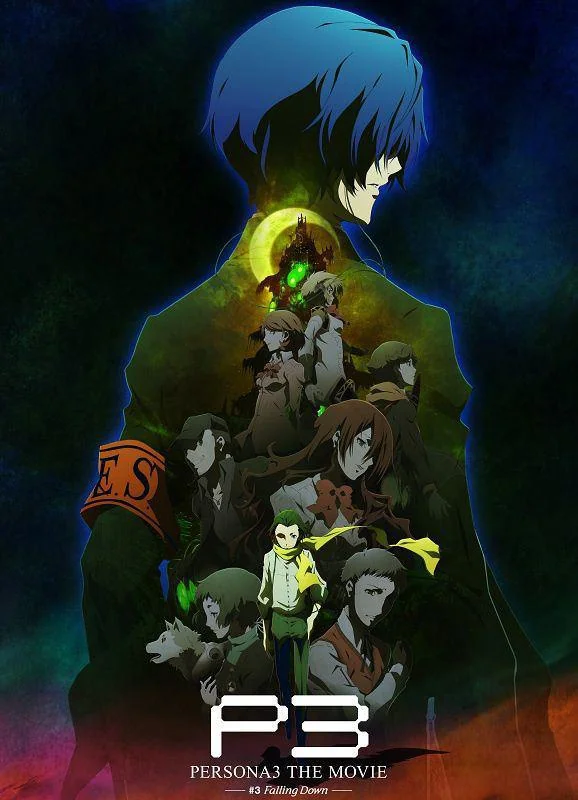
Twenty questions. Find out which SEES member that is for you.
- Pick the perfect atmosphere for your quiz journey – just pick one of the buttons above and set the mood.
- Relax – our quizzes aren’t MIT entrance exams 😉 They’re here to entertain you and deepen your connection with anime characters (and yourself).
- If none of the answers fit 100%, just choose the closest one – it’s enough for an accurate result.
- Enjoy the process — there are no right or wrong answers here.
- Try taking the same quiz more than once — sometimes the second result is the most surprising.
- Don’t forget to share your result with friends and invite them to find their anime self too!
One Year — Why Persona 3 The Movie Tetralogy Is the Most Emotionally Honest Entry in the Persona Franchise
Persona 3 The Movie adapts the original game across four films — Spring of Birth, Midsummer Knight’s Dream, Falling Down, and Winter of Rebirth — and in doing so makes explicit what the game delivered across eighty hours: one year that changes everything, for a cast of people who arrived at SEES carrying wounds they didn’t yet have language for.
Global Ratings:
The films sharpen the source material’s emotional core by giving Makoto Yuki a defined characterization.
What all of SEES shares is that this single year demands something of them they didn’t know they possessed.
Users Ratings:
The Dark Hour is the external pressure, but the real story is what happens when those walls break, rebuild, and leave behind something new. The ending earns its devastation through every single shared loss and small moment of warmth that preceded it.
Your Persona Was Always a Reflection of Who You Actually Are
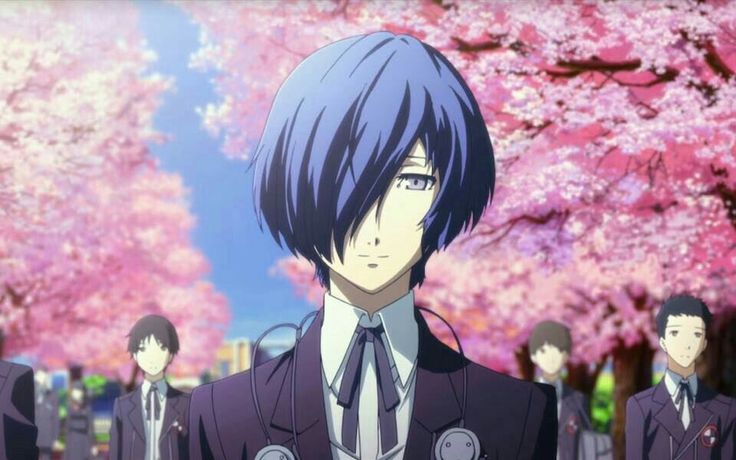
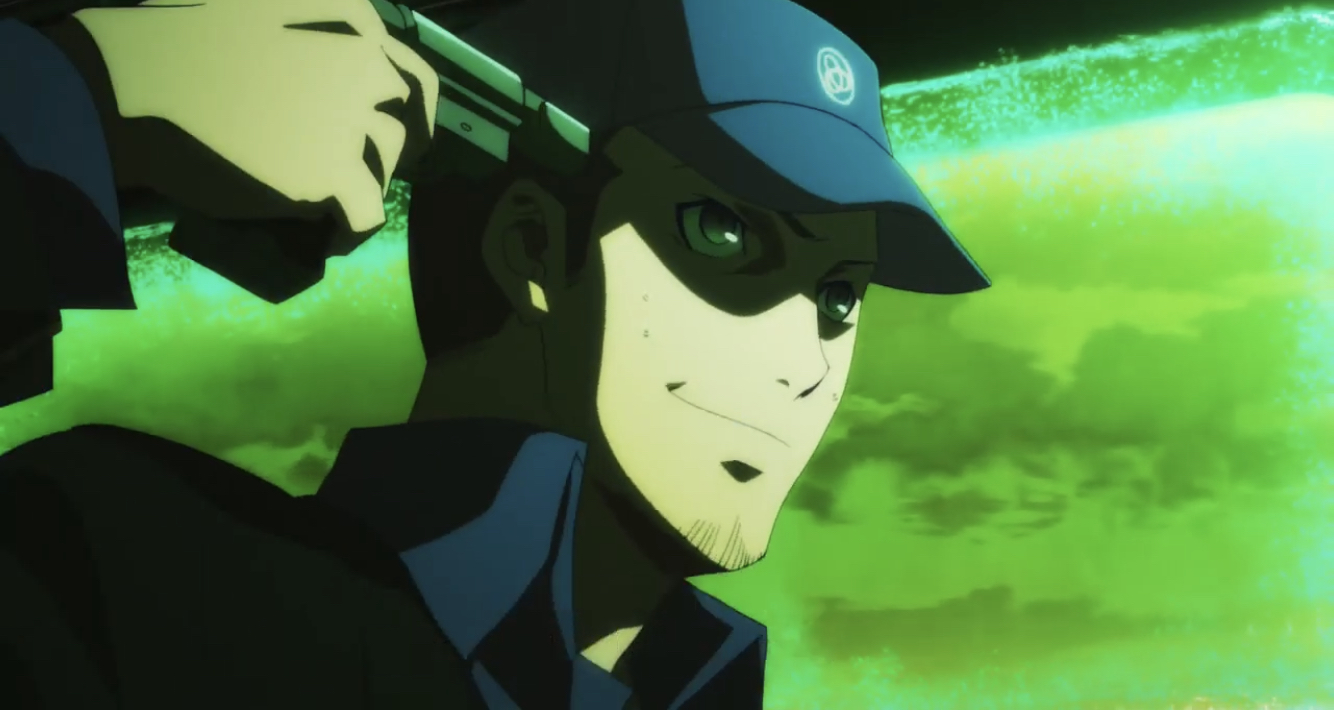
MAKOTO YUKI
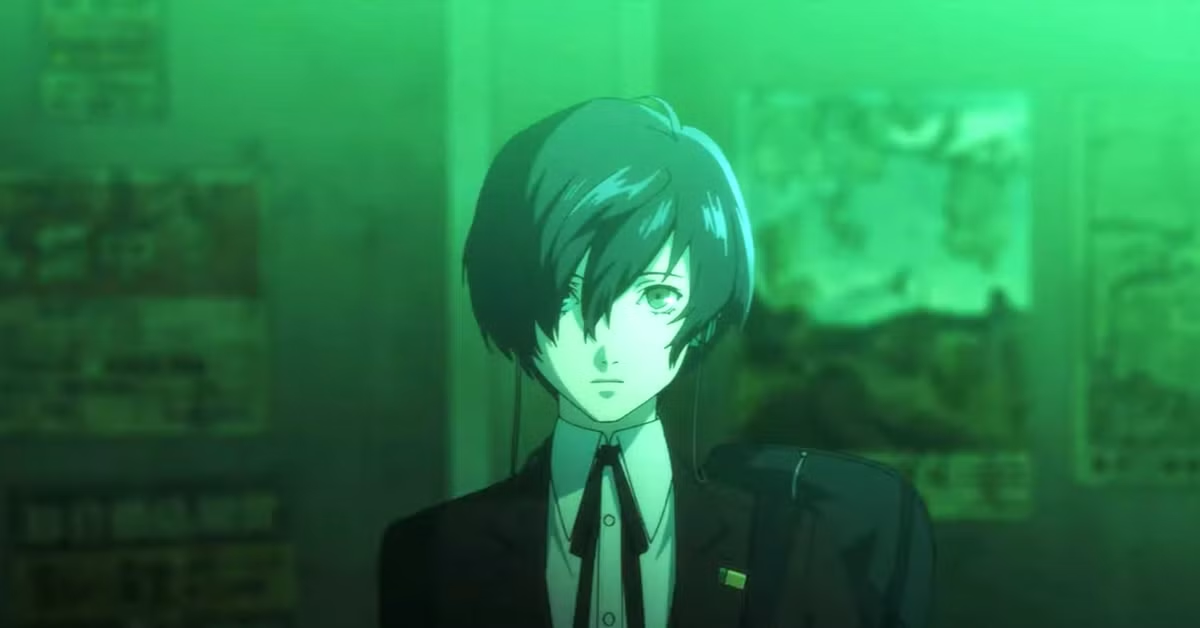
Makoto arrives at Gekkoukan High School already hollowed out — ten years of grief carried so quietly it became indifference, the specific flatness of someone who stopped expecting the world to give him reasons to care about being in it.
What the films trace, across four chapters and one year, is the slow, specific process of a person learning to be alive again through the people who refuse to let him remain indifferent. He doesn’t become someone different. He becomes someone who finally started.
Strengths:
👍 Present when it matters
👍 Grows through everyone
👍 Carries everything quietly
Weaknesses:
👎 Grief runs very deep
👎 “I don’t care” as default
👎 Reached too late for some
Archetype: Kuudere — dark and indifferent on the surface, with a capacity for genuine warmth and connection underneath that only becomes visible as the year progresses and the people around him make it necessary.
MBTI: INFJ — The INFJ who stopped expecting the world to give him reasons, found them anyway in the specific people who wouldn’t leave, and learned what it cost him that it took so long.
If you got Makoto: You’ve been carrying something for a long time — quietly enough that most people assume you’re fine, or don’t ask, or have accepted the flat version of you as the complete one.
The Makoto result says the capacity for genuine connection and warmth is real and present, and that what’s been covering it isn’t the absence of feeling but the specific exhaustion of someone who learned early that caring costs something and hasn’t yet fully decided the cost is worth paying again.
The year SEES has together changes this for Makoto not through any single dramatic revelation but through accumulation — through the specific weight of people who kept showing up until showing up started to matter. That’s the arc. You’re in it. The question is where you are.
“Don’t cry now…”
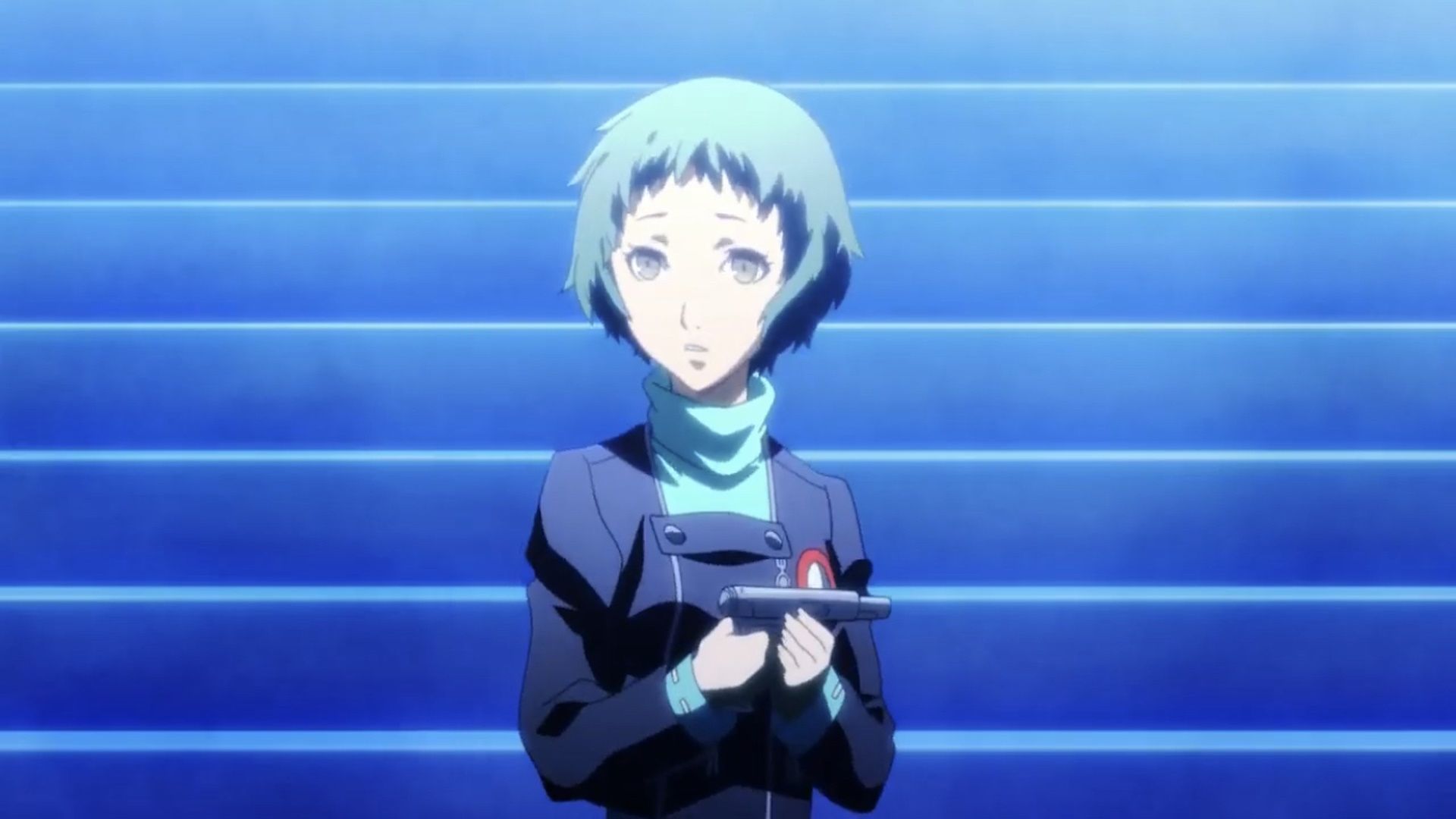
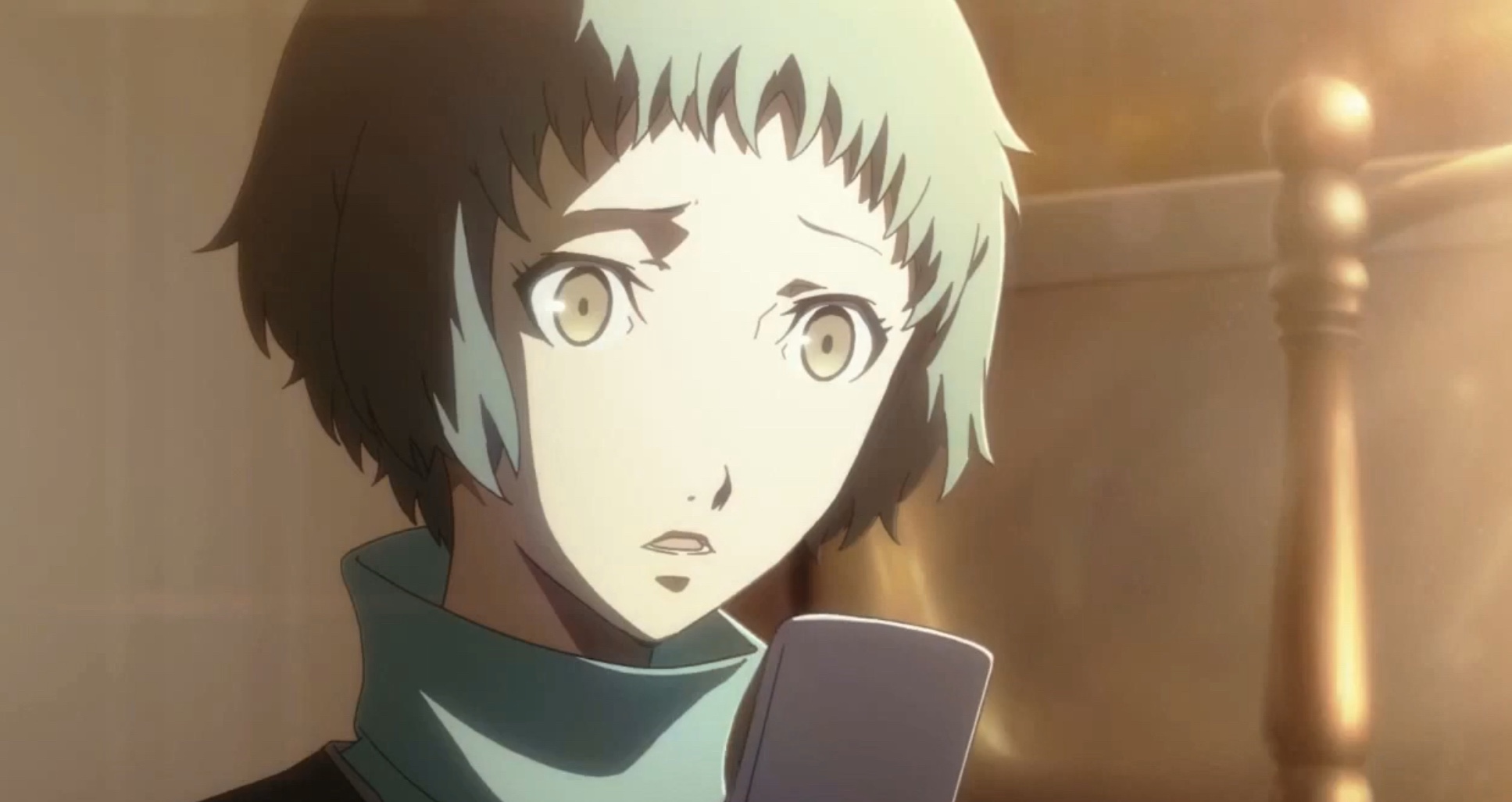
YUKARI TAKEBA
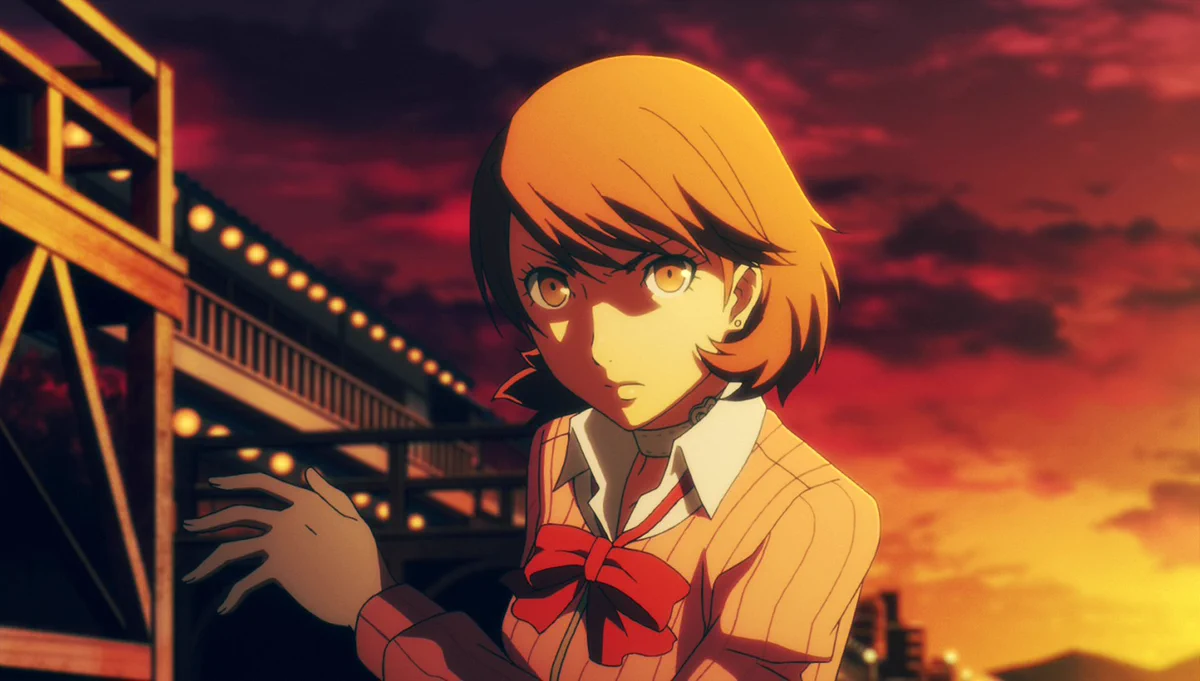
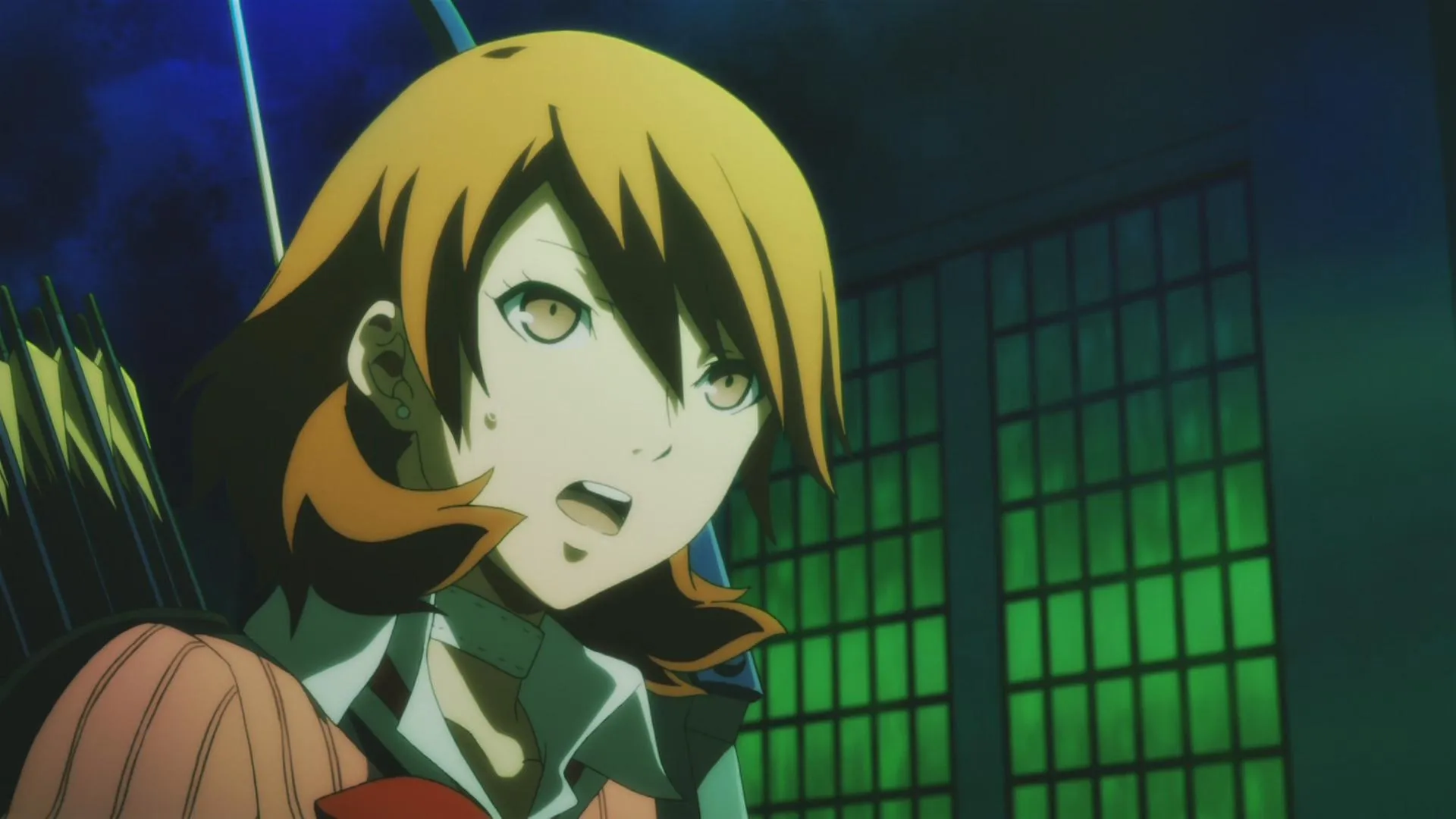
Yukari carries anger that started as grief and hardened into something she could use. Her father died in an incident connected to the Kirijo Group’s experiments; her mother collapsed under the weight of it and left Yukari to manage alone.
She arrived at SEES already protective of Makoto in a way she’d describe as reasonable concern, already wary of Mitsuru in a way she’d describe as not trusting people who withhold information. The films trace what happens when the full picture of her father’s choices emerges, and the simple story she needed to be true turns out to be more human and more complicated than that.
Strengths:
👍 Grows through grief
👍 Protective, genuinely
👍 Honest about her feelings
Weaknesses:
👎 Grief shapes everything
👎 Trust is slow and earned
👎 Anger arrives before reason
Archetype: Tsundere — prickly and guarded, with a genuine warmth and a fierce protectiveness underneath that surfaces when the people she cares about need it.
MBTI: ESFJ — The ESFJ who needed the story about her father to be simple so she could keep functioning, and had to find out it wasn’t, and had to find a way to love him anyway.
If you got Yukari: You’ve been carrying something that started as loss and hardened into a story you needed to be true — a version of what happened that was simple enough to function inside. The Yukari result says your protectiveness is real and your anger is real and they both come from the same source, which is grief that didn’t have anywhere clean to land.
Her arc is about what happens when the story you needed turns out to be more complicated than that — not worse, not a betrayal, just human and flawed and still worth loving. That’s the harder version of the acceptance. You probably know which one you’re working on.
“I… still love him. Even now.”
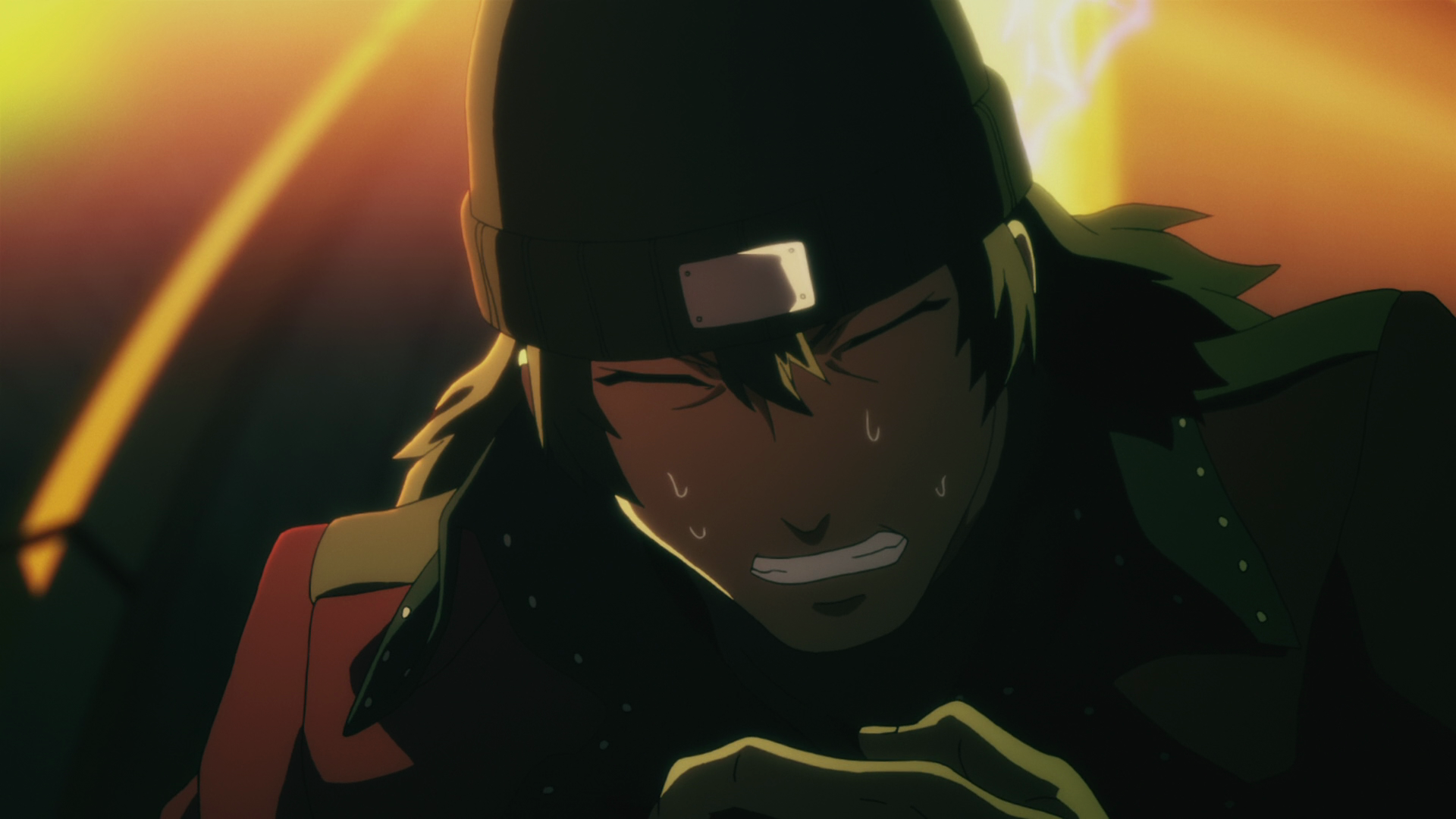
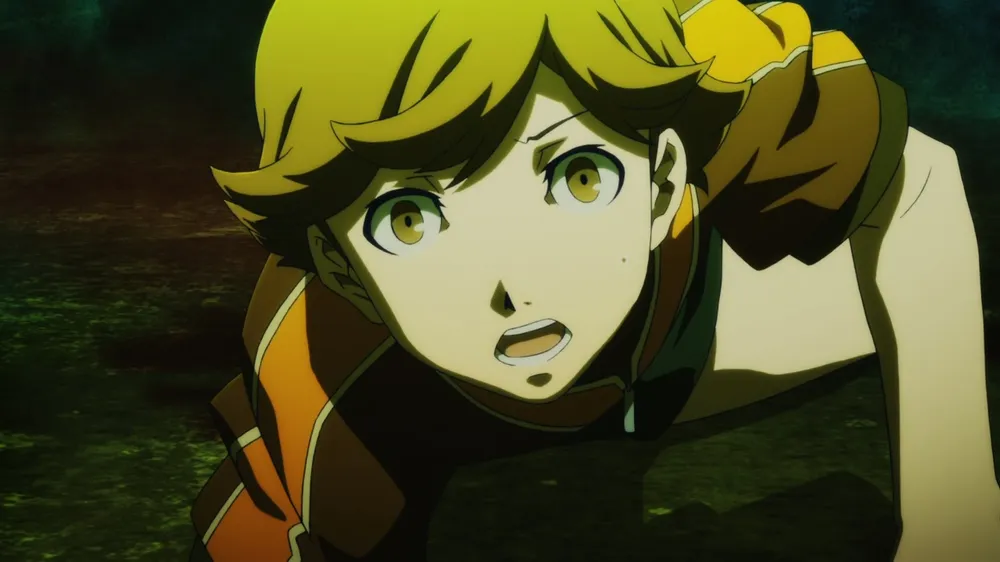
AKIHIKO SANADA
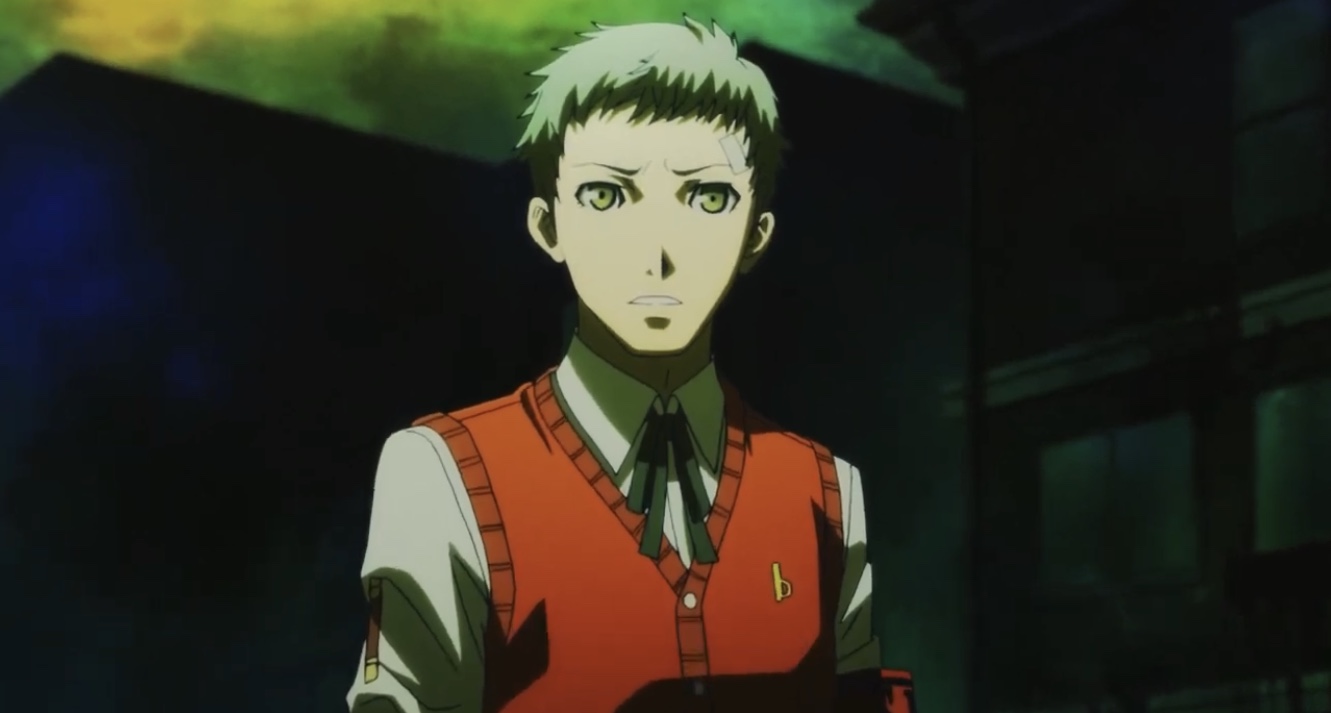
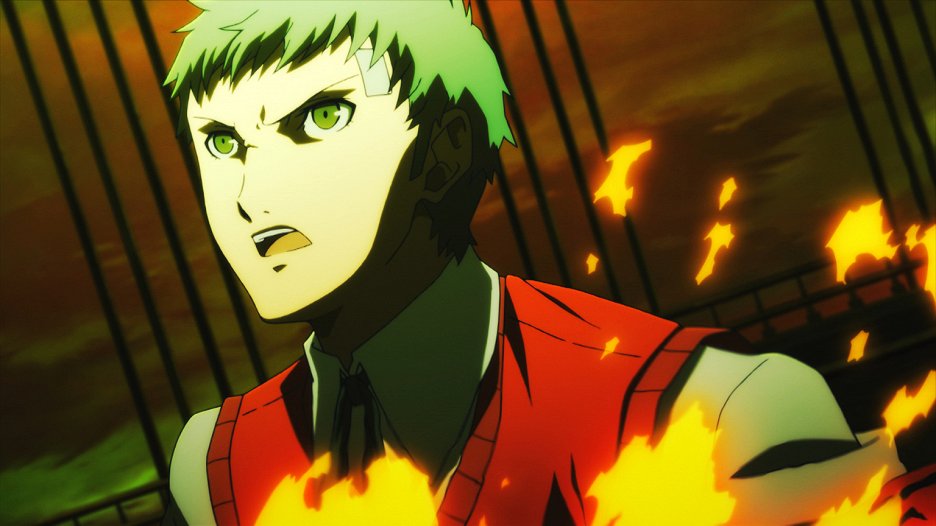
Akihiko lost his sister Miki in a fire and converted the grief entirely into obsession with strength — the specific logic that if he’d been stronger, he could have saved her. He’s the most physically capable member of SEES before Makoto, trains constantly, and has built an identity around never being too weak to protect again.
Shinjiro’s arc teaches him what that identity was covering: that strength alone was never the answer, and that the people he was training to protect were already gone before he could know that.
Strengths:
👍 Genuinely reliable
👍 Grows through Shinjiro
👍 Protective instinct real
Weaknesses:
👎 Strength as only answer
👎 Asks too much of himself
👎 Processes grief as training
Archetype: Kuudere — driven and slightly closed off, with a genuine care for the people around him that surfaces through action and loyalty rather than warmth.
MBTI: ISTJ — The ISTJ who converted loss into an obsession with capability, and had to learn, through losing someone again, that capability was never going to be enough to protect against loss — and that wasn’t the point.
If you got Akihiko: You’ve been converting grief into something productive for a long time — strength, capability, the specific reassurance of being someone who could handle it if something happened.
The Akihiko result says the drive is real and the protection is real and they both come from a loss that you’ve never fully let yourself sit with, because sitting with it would mean accepting that no amount of capability would have changed it.
His arc is about learning that strength isn’t the answer to every loss — that some things can’t be trained against, and the people who matter don’t need you to be unbreakable. They need you to be present. That’s a different and harder thing.
“I’ll get stronger. For everyone.”
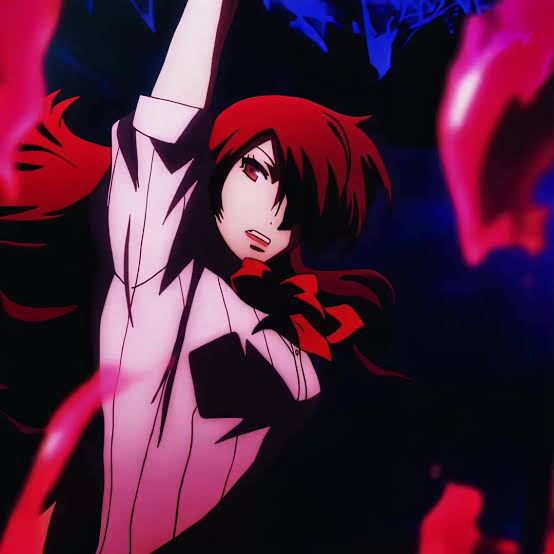
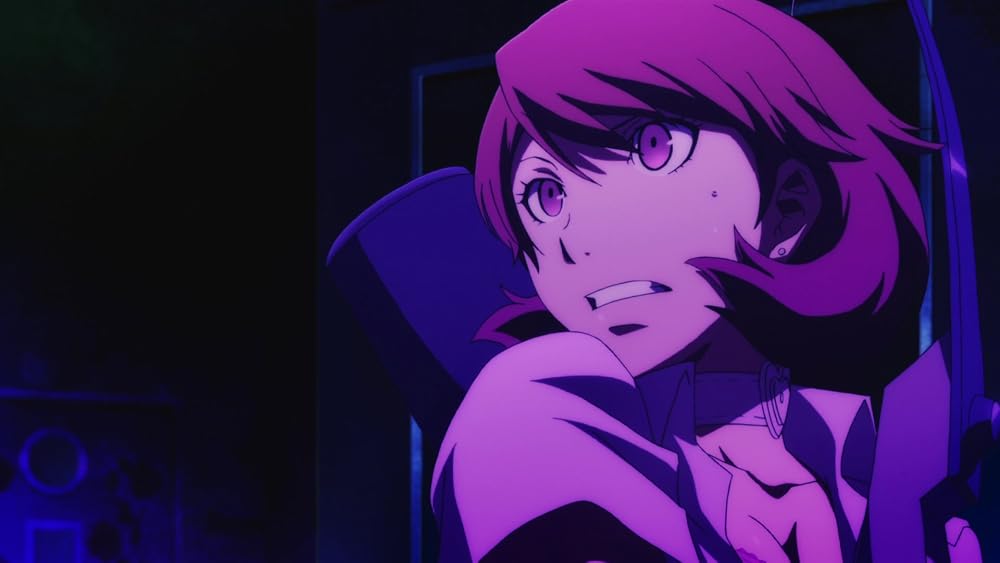
MITSURU KIRIJO
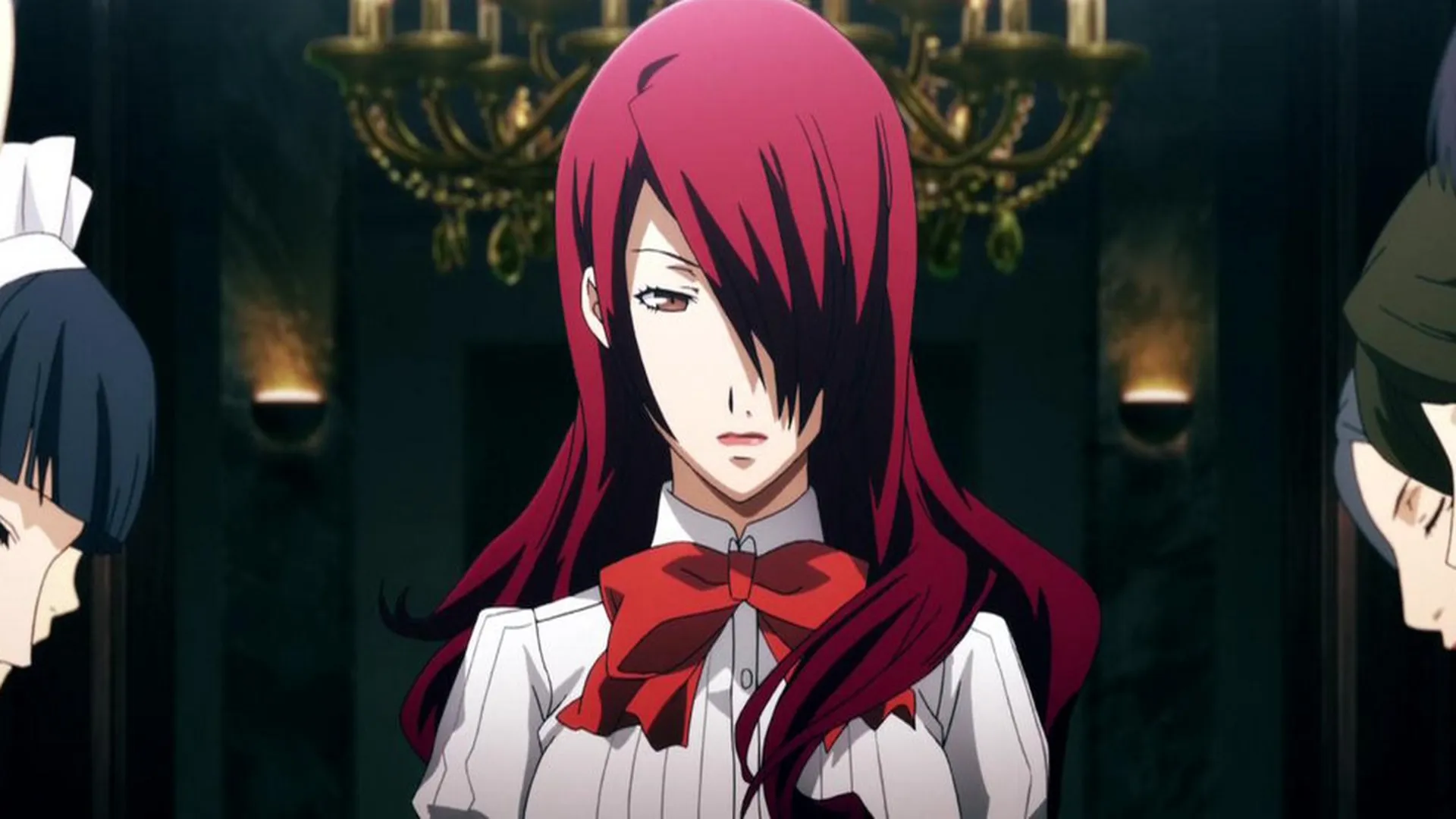
Mitsuru carries the weight of her family’s responsibility for creating the Shadows — a burden she accepted before she fully understood its scope, that shaped her into the composed, precise leader SEES knows before the films show what the composure is sitting on top of.
She is the most capable member of SEES and the one who withholds the most, not from coldness but from the specific control of someone who learned early that falling apart had consequences she couldn’t afford.
Strengths:
👍 Takes responsibility fully
👍 Composed under everything
👍 Grows through her father’s death
Weaknesses:
👎 Carries alone by default
👎 Weakness to fire, literally
👎 Withholds when she shouldn’t
Archetype: Kuudere — controlled and slightly distant, with a warmth and a genuine investment in the people around her that becomes visible in the moments the composure breaks.
MBTI: INTJ — The INTJ who accepted a burden before she understood it, held it through sheer competence and control, and had to learn that sharing the weight was not the same as dropping it.
If you got Mitsuru: You accepted a responsibility early — before you fully understood its scope — and have been carrying it through composure and capability ever since. The Mitsuru result says the competence is real and so is what it’s protecting: the version of you that would fall apart if the control slipped, and the specific fear of what happens to the people depending on you if you let it.
Her arc is about the moment she discovers that sharing the burden isn’t failure. That the people she’s been protecting don’t need her to carry it alone — they need her to let them carry it with her. You already know what that would require. The question is whether you’re ready.
“Father… I will carry this forward.”
HikiChat:

The Year Asks Something of You. The Quiz Just Finds Out What.
SEES spends one year in the Dark Hour together — one year of loss and growth and the slow, specific process of becoming more completely themselves. What each character finds by Winter of Rebirth isn’t something new.
It’s something that was always there, waiting for the year to make it necessary. The quiz found out which version of that is yours.
BACKWARD