


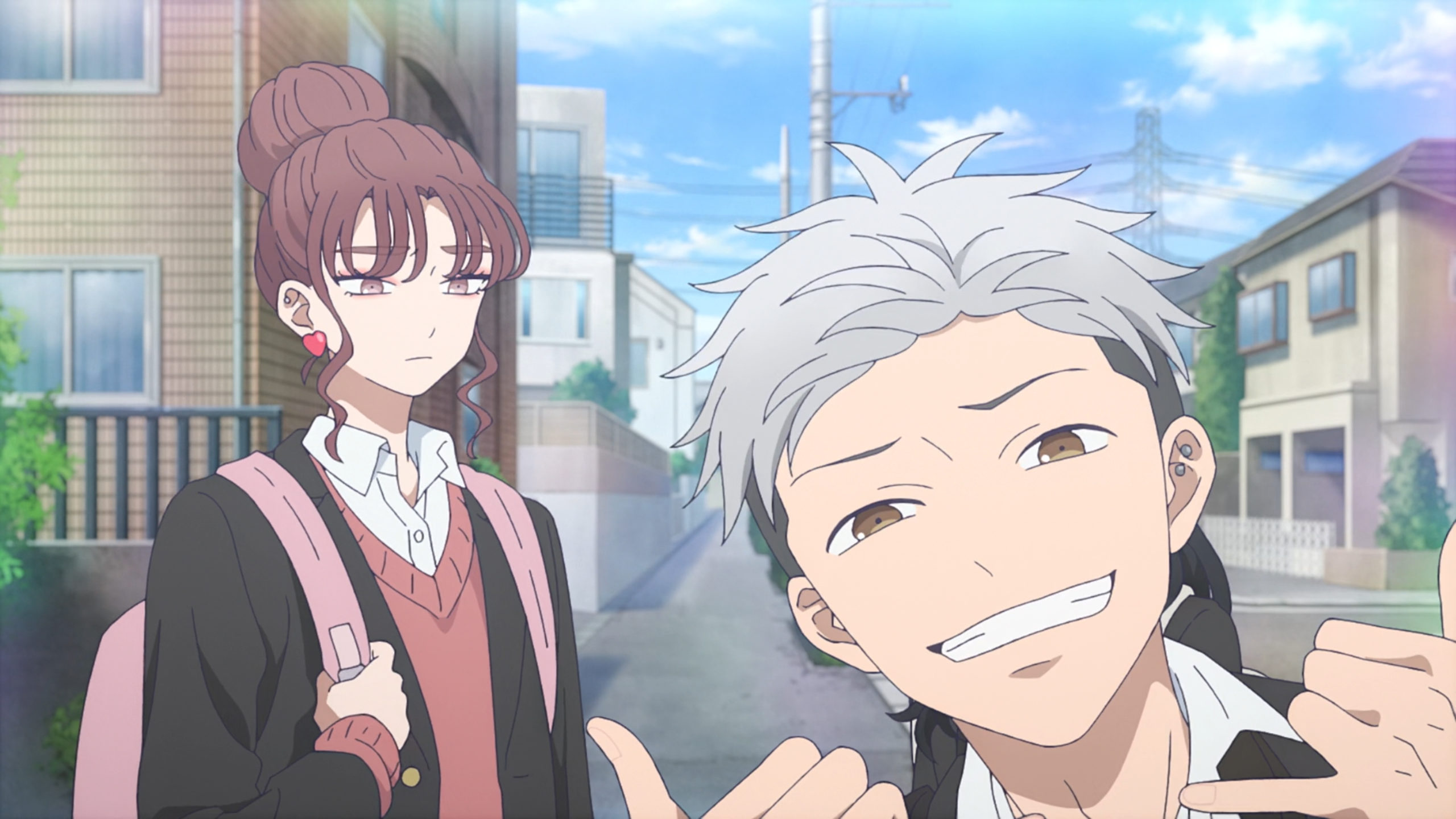
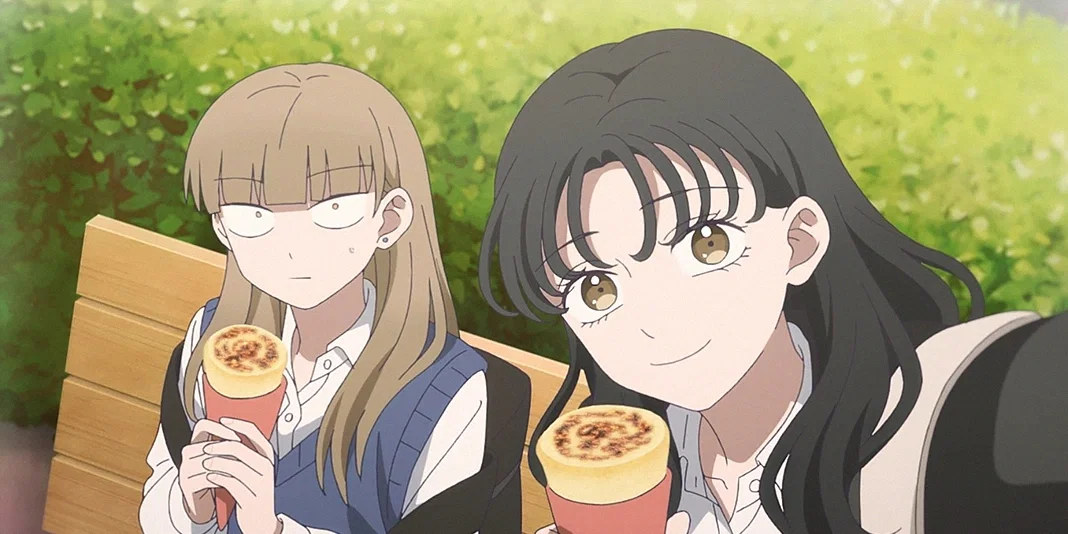

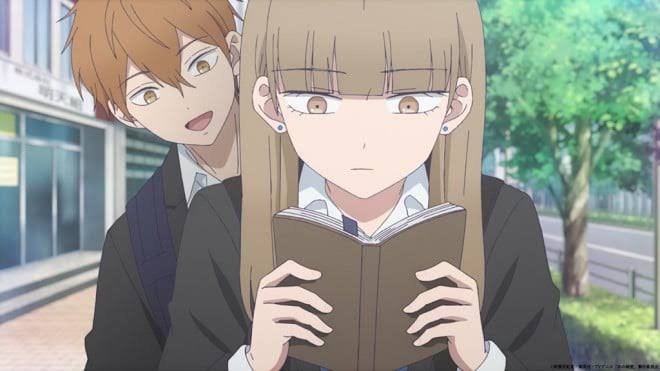
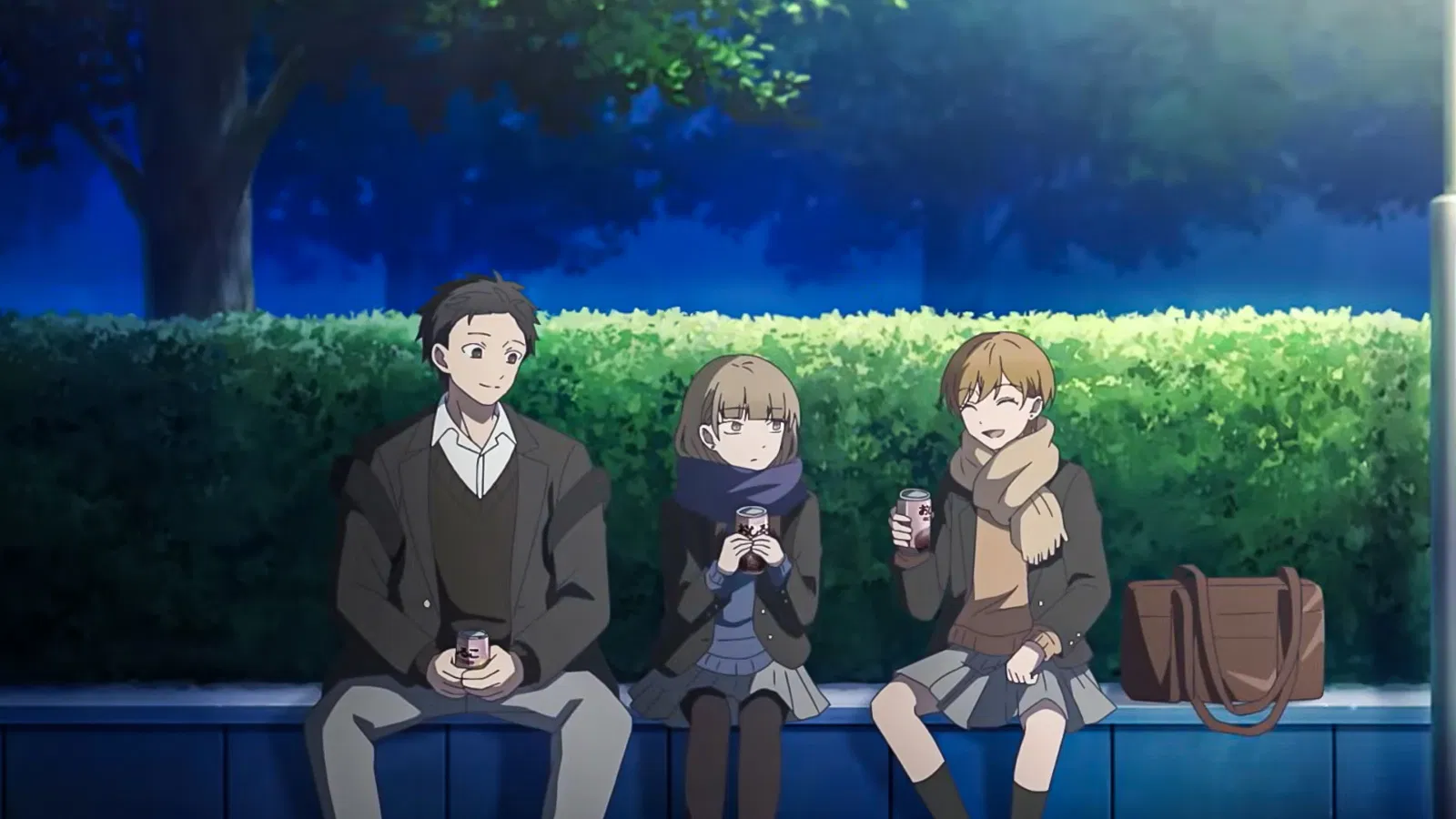


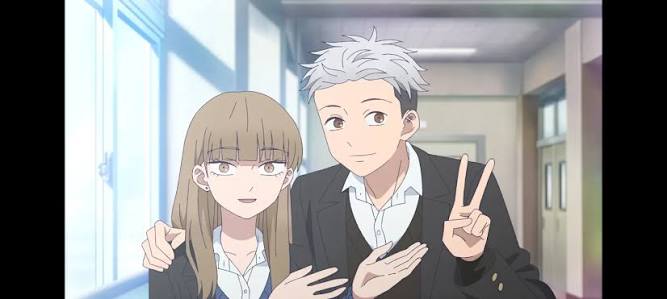
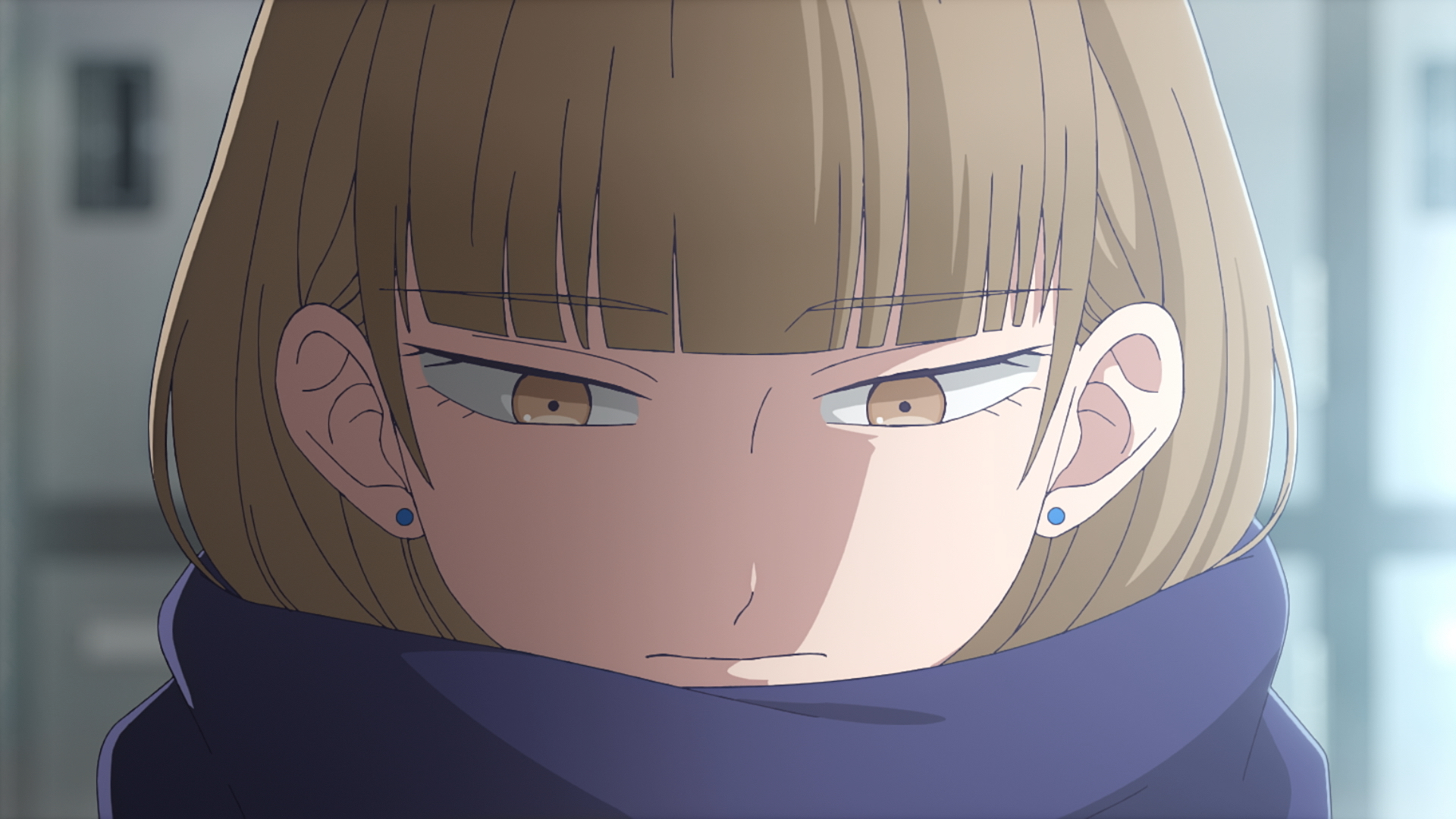



Koyuki Hikawa keeps people at a distance. Not because she hates them — because proximity is where things go wrong, and she learned that early enough that the wall became architectural rather than deliberate.
The Ramparts of Ice (Koori no Jouheki) is about four high schoolers who are all, in different ways, performing a version of themselves — and what happens when the performance becomes impossible to maintain around certain people. The wall is the title. The question is what’s behind it. Find out which character you are.
The distance feels manageable right now. Let this lo-fi cover hold the quiet while you find out which character you’ve been all along.
- Pick the perfect atmosphere for your quiz journey – just pick one of the buttons above and set the mood.
- Relax – our quizzes aren’t MIT entrance exams 😉 They’re here to entertain you and deepen your connection with anime characters (and yourself).
- If none of the answers fit 100%, just choose the closest one – it’s enough for an accurate result.
- Enjoy the process — there are no right or wrong answers here.
- Try taking the same quiz more than once — sometimes the second result is the most surprising.
- Don’t forget to share your result with friends and invite them to find their anime self too!
The Wall Was Always the Point — Why The Ramparts of Ice (Koori no Jouheki) Works as More Than a Shoujo Romance
The Ramparts of Ice — known in Japanese as Koori no Jouheki — premiered on Netflix in April 2026 based on Kōcha Agasawa’s manga, which ran from 2020 to 2022 across fourteen volumes.
Global Ratings:
The anime adaptation by Studio Kai arrived with the specific advantage of source material that already knew where it was going — a complete story about four people who were all, in different ways, performing versions of themselves that protected them from something.
The observational precision that Agasawa brought to the manga translates well to the anime’s quieter moments — the way a glare lands, the way someone being watched in a crowd responds, the specific discomfort of being approached by someone who doesn’t respect the distance you’ve set.
Users Ratings:
The series is genuinely funny about these things and genuinely moving about the same things, which is the harder combination to achieve.
Your Wall — or Lack of One — Was Already Visible
KOYUKI HIKAWA

Koyuki built walls after middle school taught her that being small and visible was dangerous. The blonde hair, the cold expression, the reputation — all of it was practical problem-solving that became identity before she had time to notice the difference. She doesn’t consider herself an angry person.
She just prefers to be alone than be with people she doesn’t vibe with. The distinction matters to her. The wall is real. So is the person behind it.
Strengths:
👍 Selective but real
👍 Genuinely self-aware
👍 Honest about preferences
Weaknesses:
👎 Hard to approach always
👎 Wall becomes everything
👎 Proximity feels dangerous
Archetype: Kuudere — cold exterior built from specific experience rather than personality, with genuine warmth underneath that only surfaces when the wall becomes unnecessary.
MBTI: INTJ — The INTJ who solved the problem of being hurt by not being approached, and is slowly finding out that the solution has its own costs.
If you got Koyuki: The wall is real and it was built for real reasons — not from personality but from experience, which makes it harder to dismantle because it actually worked. The Koyuki result says you know exactly who you are underneath the exterior and have a fairly accurate read of most situations, and that the selectivity about who gets close isn’t coldness. It’s standards.
What’s worth examining is whether the wall is still protecting you from what it was built for, or whether it’s now also keeping out things that wouldn’t hurt you. The original threat was real. The wall was reasonable. The question is whether the threat level still matches the defense.
“…Fine. Just don’t touch my stuff.”
MIKI AZUMI

Miki is the class idol — popular, vivacious, always surrounded by people — and describes herself as a gorilla in her head, which tells you everything about the gap between her performance and her self-perception.
She’s extroverted and tomboyish and genuinely fun to be around, and underneath the ease with people is someone who constructed the popular version of herself with as much deliberateness as Koyuki constructed the cold one. The image is real. So is everything it’s covering.
Strengths:
👍 Energetic and real
👍 Genuinely warm presence
👍 Makes everyone comfortable
Weaknesses:
👎 Performance over person
👎 Constructed from scratch
👎 Self-image vs outside view
Archetype: Genki — enthusiastic and socially capable, with an interior that runs somewhat differently from the exterior and hasn’t fully reconciled the two.
MBTI: ESFP — The ESFP who built the popular version of herself and is genuinely that person, and is also someone else underneath it, and hasn’t figured out yet which one is more real.
If you got Miki: You’re genuinely the warm, extroverted person you present — and also there’s a version of you in your own head that the outside world wouldn’t recognize, and the gap between the two is something you’ve been managing for a while. The Miki result says the performance and the person aren’t opposites.
Both versions are real. The work is figuring out which one to lead with and when — because the constructed version isn’t fake, it just cost something to build, and the thing it was built over is also real and also worth having space for.
“Why does Youta look at me like that sometimes?”
MINATO AMAMIYA

Minato closes distances without asking whether closing them is wanted. He’s charismatic, persistent, and operates from the assumption that most people who seem to want to be alone actually want to be reached — which is sometimes true and sometimes a projection of his own needs dressed up as kindness.
His relentlessness has something underneath it that the series reveals slowly. The persistence is real. So is what’s driving it.
Strengths:
👍 Genuinely engaging
👍 Persistent past resistance
👍 Something real underneath
Weaknesses:
👎 Closes distance uninvited
👎 Full of himself sometimes
👎 Assumes he knows what’s needed
Archetype: Oresama — confident and persistent with a specific blind spot about consent to closeness, and something underneath the confidence that the series is still unpacking.
MBTI: ENFJ — The ENFJ who decided that people who seem to want distance actually want someone to close it, and hasn’t fully examined whether that’s about them or about him.
If you got Minato: You close distances — not maliciously, but from a genuine belief that connection is what people actually want underneath the walls they build, which is sometimes right and sometimes a projection.
The Minato result says your warmth is real and your persistence is real and the question worth sitting with is whether the drive to reach people is primarily about them or about something in you that doesn’t do well with distance. The care is genuine. The self-awareness about where it comes from is still developing. That’s the arc. You’re in it.
“I just… I don’t like seeing people alone.”
YOUTA HINO

Youta is the basketball player who respects Koyuki’s space without being told he needs to, which the series treats as both exceptionally rare and fundamentally who he is. He’s kind without needing a reason for it, present without being intrusive, and watching Miki from across the classroom with an expression that suggests he followed her to this school and isn’t entirely sure what to do with that information.
He’s nice without an agenda. In a series about people performing versions of themselves, that turns out to be the most unusual thing about him.
Strengths:
👍 Genuinely kind
👍 Respects space always
👍 Present without pressure
Weaknesses:
👎 Easy to overlook
👎 Doesn’t push for himself
👎 Feelings stay very internal
Archetype: Dandere — gentle and easy to underestimate, with a depth of feeling that doesn’t announce itself and waits for the moment when it’s actually seen.
MBTI: ISFJ — The ISFJ who is kind because that’s who he is, respects people because that’s the right thing to do, and has feelings about someone that he’s still figuring out what to do with.
If you got Youta: You’re the person who gives people the space they asked for without requiring them to justify it, which sounds simple and is actually rare enough that the people around you have noticed even if they haven’t said anything. The Youta result says your warmth is real and unperformative — you’re not kind because you want something, you’re kind because that’s the baseline.
What’s worth examining is whether the same ease you extend to others is something you extend to yourself — because Youta’s feelings about Miki are real and present and he’s doing very little with them. Being good at giving space is a genuine strength. Learning to take up some yourself is the work.
“I’m not doing anything special. I’m just not being weird about it.”
HikiChat:
Strip away the mask and uncover your true self!
Stop settling for surface impressions and other people’s expectations. Take the quiz, look behind the curtain of your own habits, and find out which hidden side is driving you underneath.
BACKWARD