






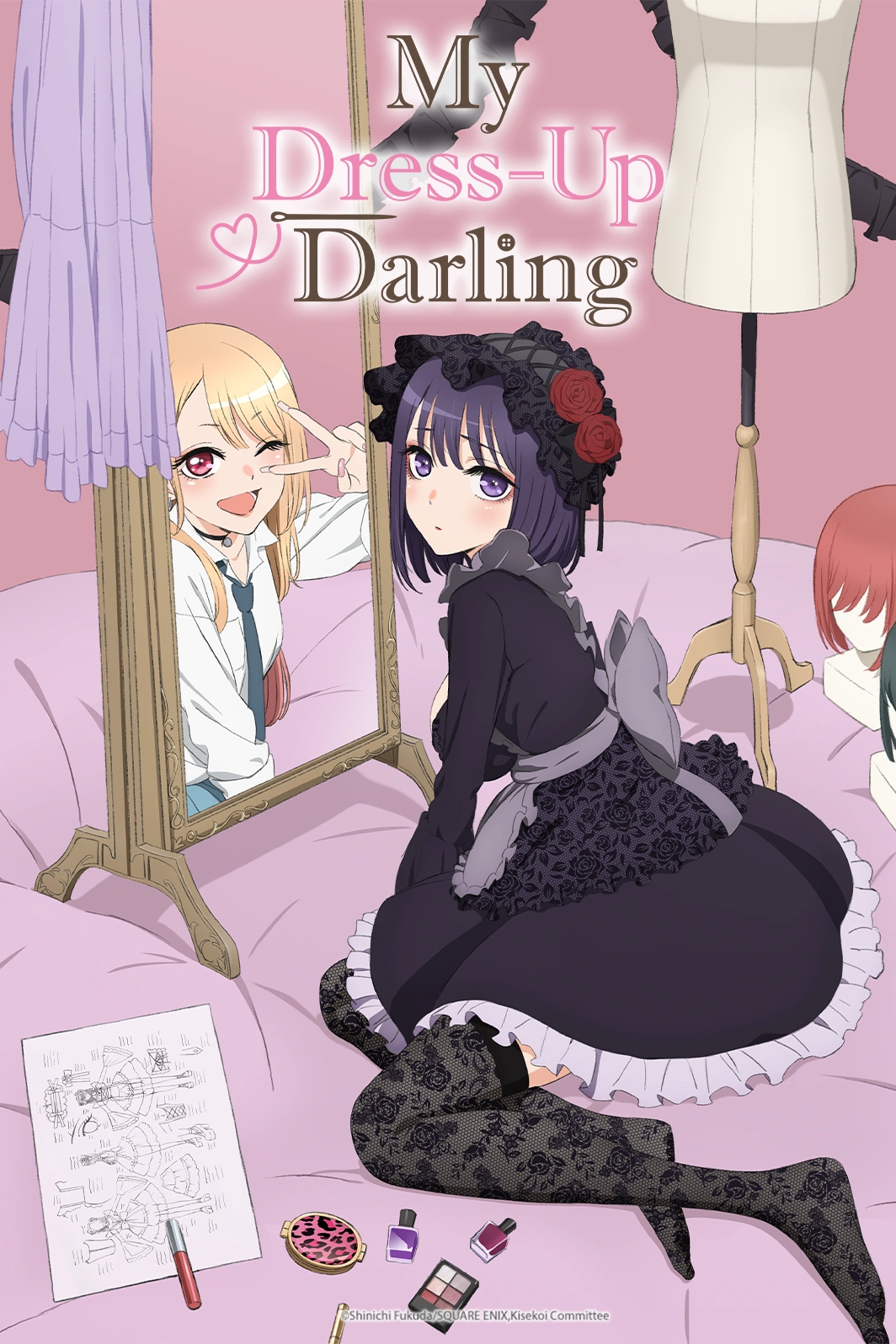
My Dress-Up Darling starts with two people who have both been hiding something — one because the world told her that kind of love was embarrassing, one because a single childhood moment taught him the same lesson.
What follows is about what happens when they find each other and neither makes it weird. Not just the cosplay — the permission. To be passionate, to be skilled, to be exactly as into something as you actually are. Find out which character you are in that story.
No judgment in this room. Let this lo-fi cover of Doll Me Up carry you through while you find out which character you’ve been all along.
Hit "Start Quiz" and claim your spotlight!
- Pick the perfect atmosphere for your quiz journey – just pick one of the buttons above and set the mood.
- Relax – our quizzes aren’t MIT entrance exams 😉 They’re here to entertain you and deepen your connection with anime characters (and yourself).
- If none of the answers fit 100%, just choose the closest one – it’s enough for an accurate result.
- Enjoy the process — there are no right or wrong answers here.
- Try taking the same quiz more than once — sometimes the second result is the most surprising.
- Don’t forget to share your result with friends and invite them to find their anime self too!
I Don’t Care If It’s Weird — Why My Dress-Up Darling Works as Both Romance and Love Letter to Fandom
My Dress-Up Darling has sold over eight million copies, which is remarkable for a series whose central activity is sewing. What it’s actually about, underneath the cosplay and the romance, is something considerably more universal: loving something deeply in a world that occasionally treats that depth as embarrassing.
Global Ratings:
The series is built around a single honest insight: passionate people give other passionate people permission to be passionate.
Users Ratings:
The series argues that all of them are real forms of love for the thing — different expressions of the same underlying passion. The character you are in this story is the one whose expression matches yours.
Your Character Was Already Obvious to Everyone Except You
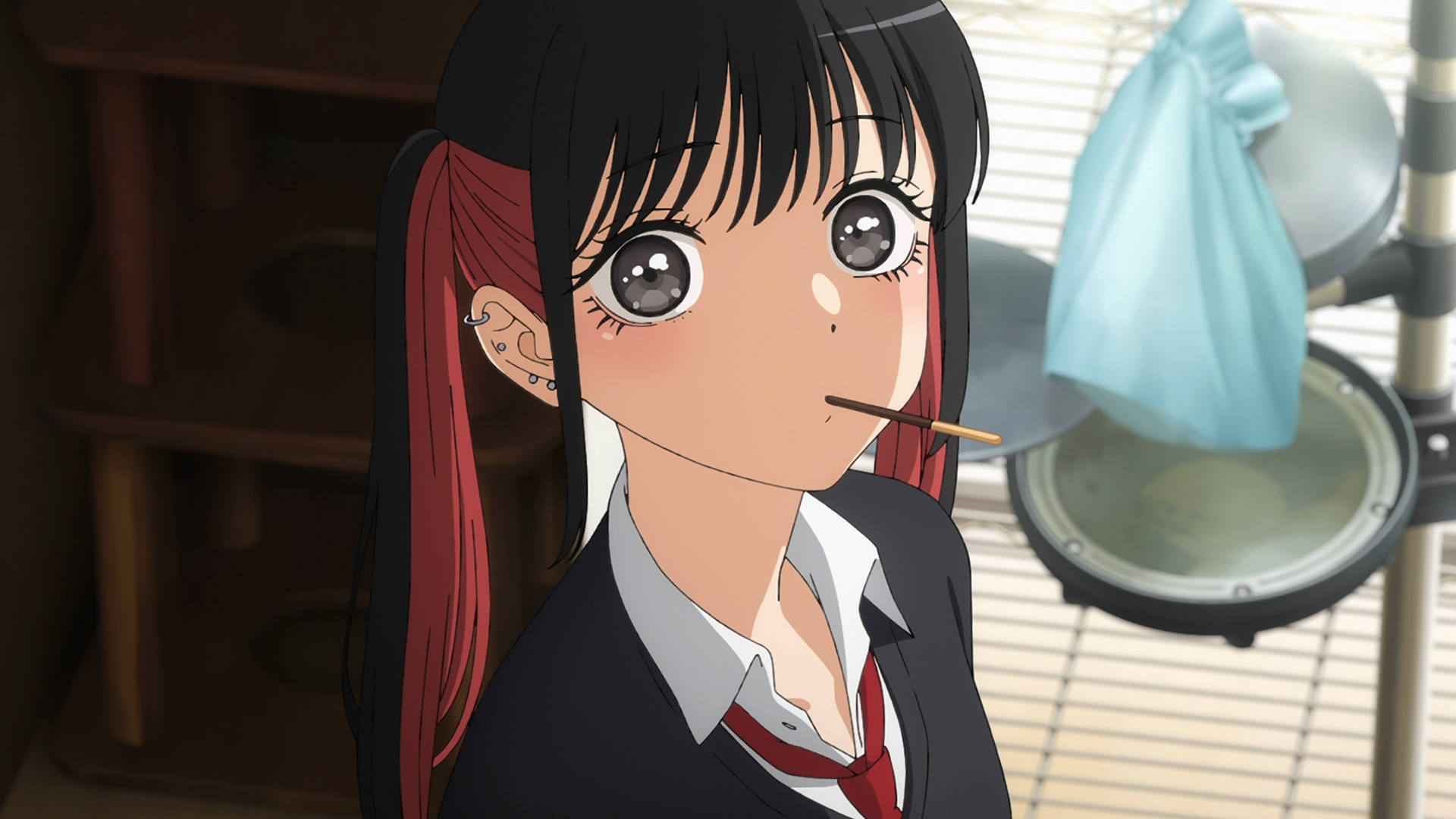
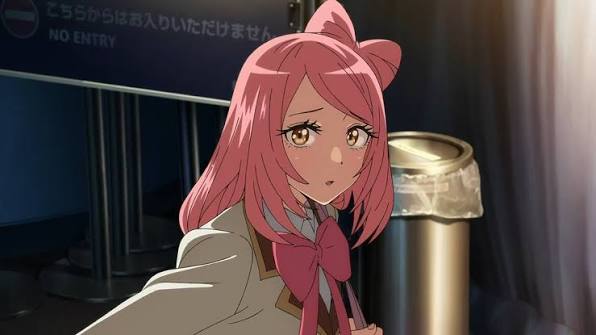
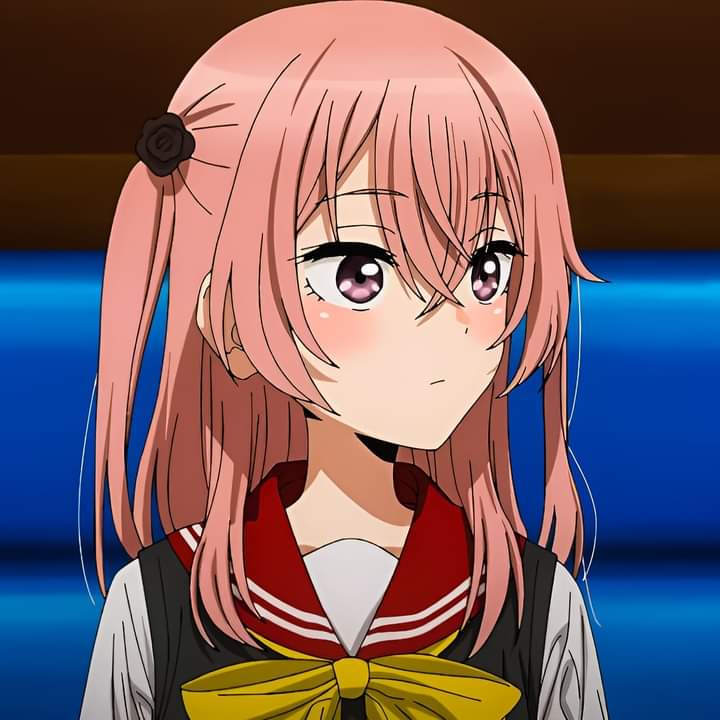
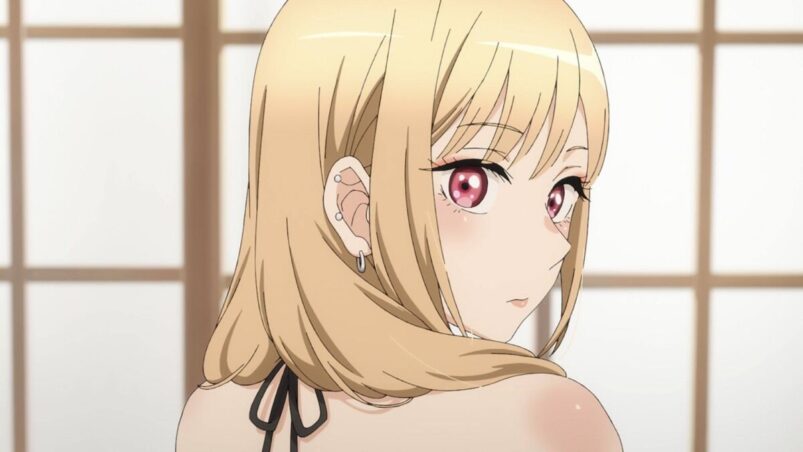
MARIN KITAGAWA
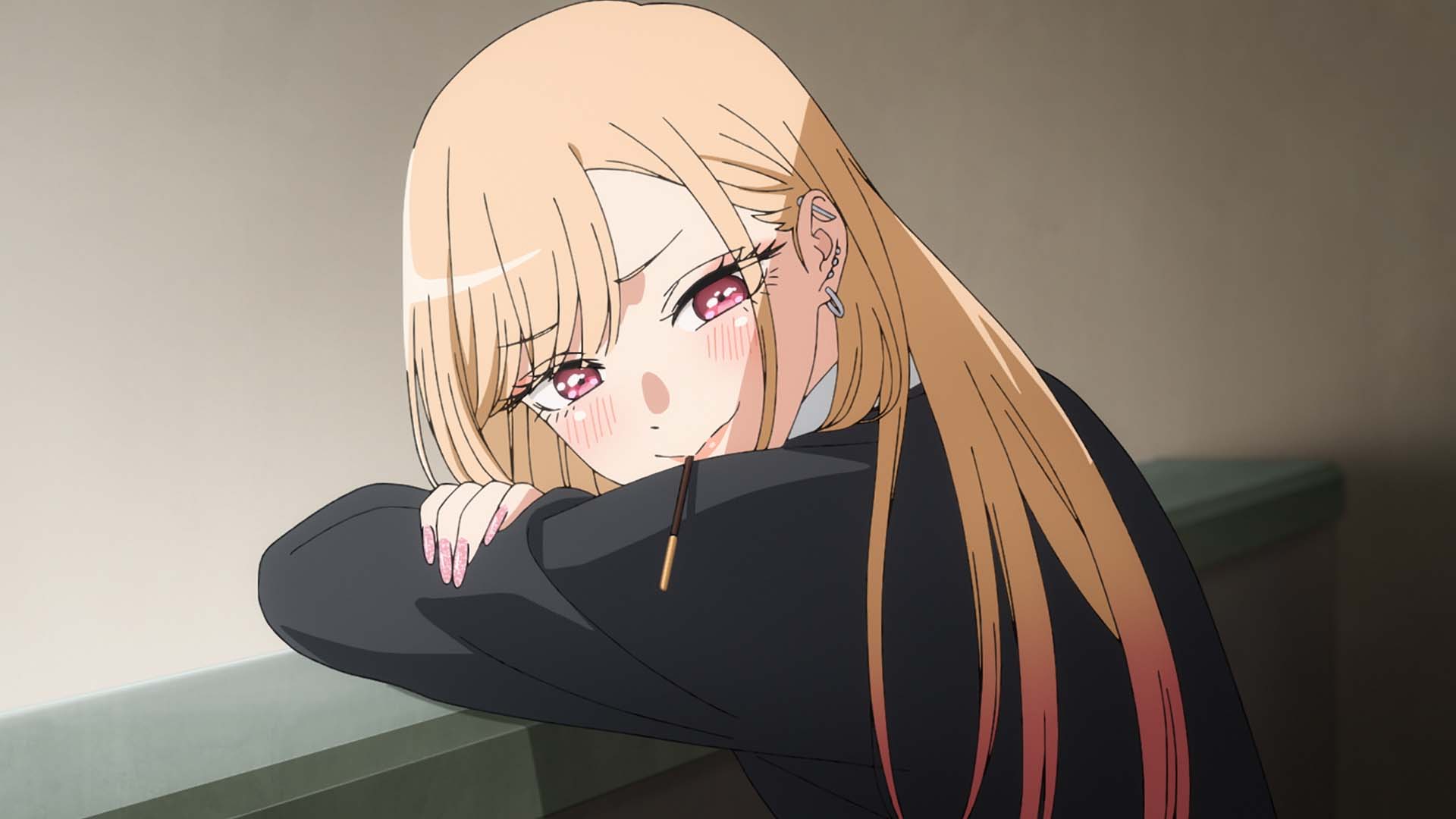
Marin loves things without apology — anime, manga, the characters she wants to bring to life — and has never found a compelling reason to pretend otherwise. Her enthusiasm is genuine and total, and the reason Gojo slowly stops hiding.
She can’t sew. She doesn’t let that stop her from having extremely specific opinions about what the costume needs to be.
Strengths:
👍 Loves openly
👍 Genuinely warm
👍 Validates everyone
Weaknesses:
👎 No filter
👎 Cannot sew
👎 Eats everything
Archetype: Genki — loud, warm, genuinely enthusiastic, with a core of real kindness that makes the enthusiasm feel like a gift.
MBTI: ENFP — The ENFP who decided loving things completely was more interesting than performing indifference, and has been right ever since.
If you got Marin: You love things completely and without the self-protective layer most people build in — and your enthusiasm has a specific effect on people around you that you probably don’t register: it makes them feel like being passionate is safe.
The Marin result says your openness functions as permission for other people’s openness, and the warmth you bring to their passions is real rather than performed. The filter, or absence of one, occasionally causes chaos. The series argues this is worth it. So do the people who’ve ended up around you.
“Please, Gojo-kun!”
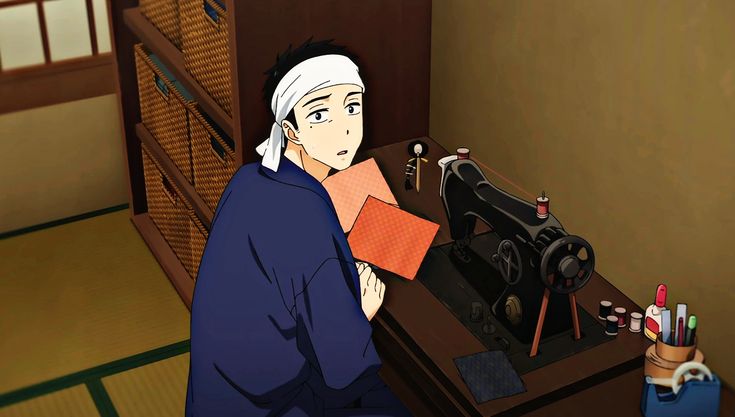
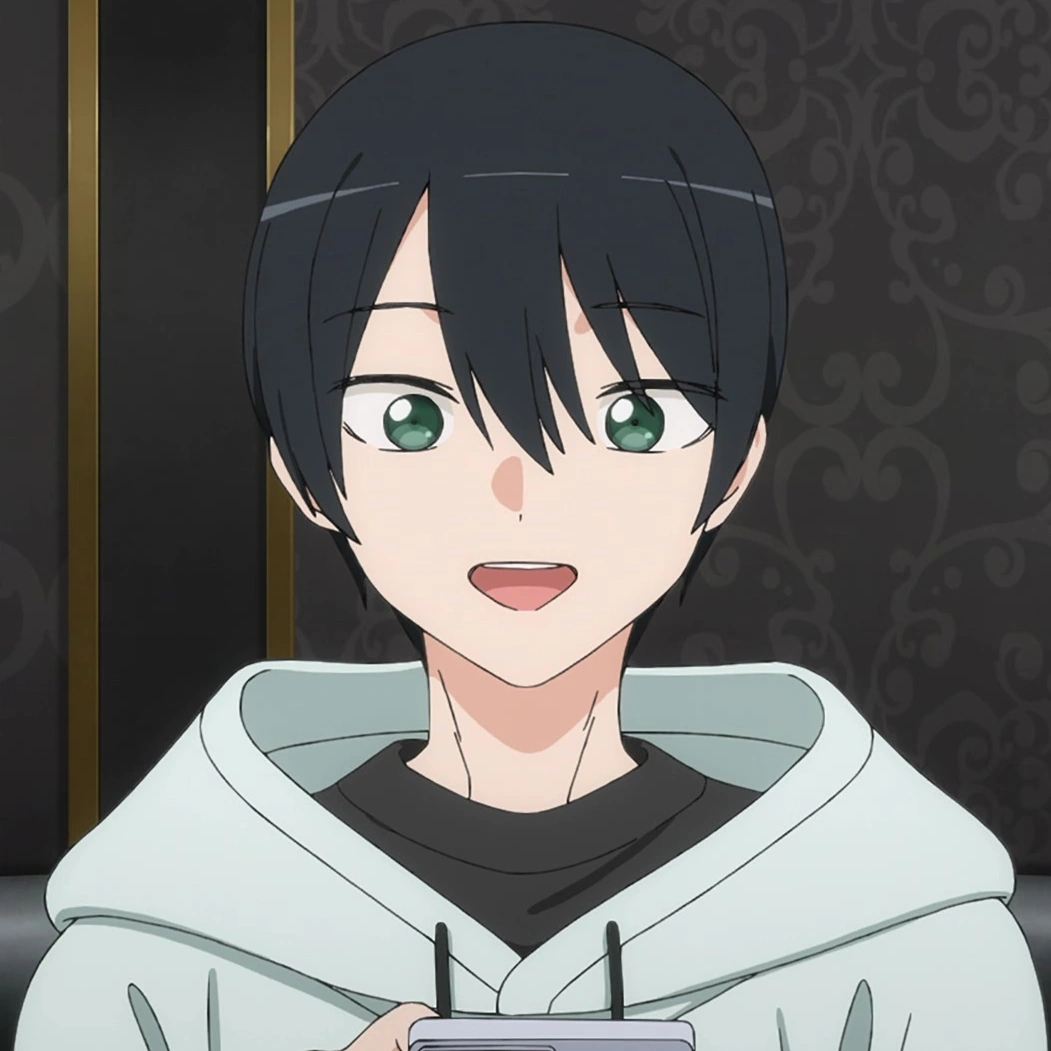
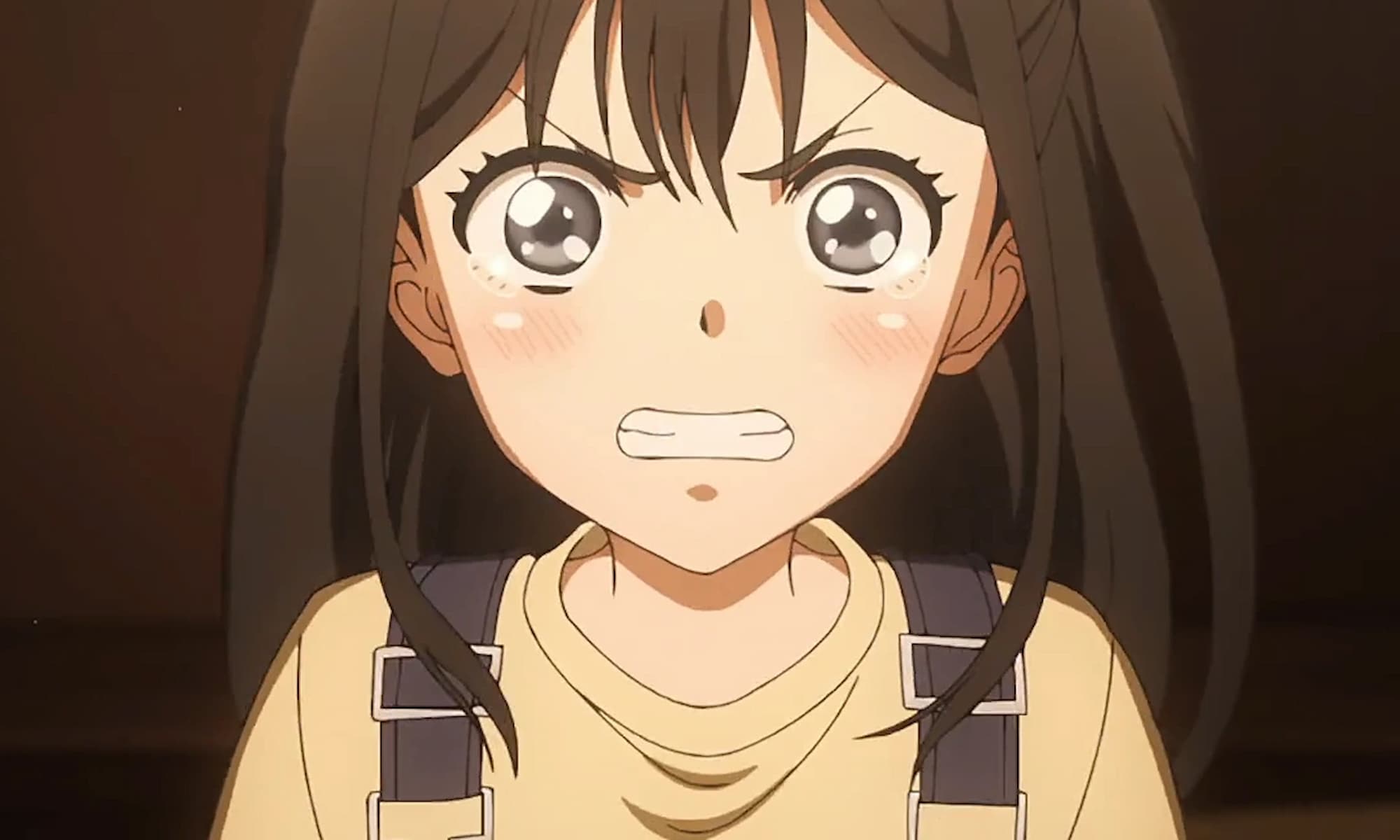
WAKANA GOJO

Gojo has been making Hina dolls since childhood and hiding it since a single moment taught him that showing people what you love is dangerous. By high school the hiding is automatic. Marin dismantles it not by challenging it but by being so openly enthusiastic that hiding starts to feel like the wrong response.
He’s a craftsman of genuine skill who will push past exhaustion to make sure what he’s making is worthy of the person it’s for.
Strengths:
👍 Exceptional craft
👍 Gives everything
👍 Sees people truly
Weaknesses:
👎 Hides what he loves
👎 Deflects compliments
👎 Social situations hard
Archetype: Dandere — quiet and self-contained, with warmth and skill that become visible to people who get close enough to actually see them.
MBTI: ISFP — The ISFP who channeled everything he couldn’t say into the things he made, and found the right person could read both.
If you got Gojo: You’ve been hiding something you love — not from shame exactly, but because somewhere along the way you learned that showing it was risky, and the habit of not showing it became automatic.
The Gojo result says your skill and care are genuine and visible to people who get close enough, and your tendency to pour everything into the work rather than the self-presentation means the work often says what you don’t. The version of this that works is finding the person whose enthusiasm makes the hiding feel unnecessary. If you have that person, the work you’ve been doing has been for them all along.
“You shouldn’t say things you don’t like about yourself.”
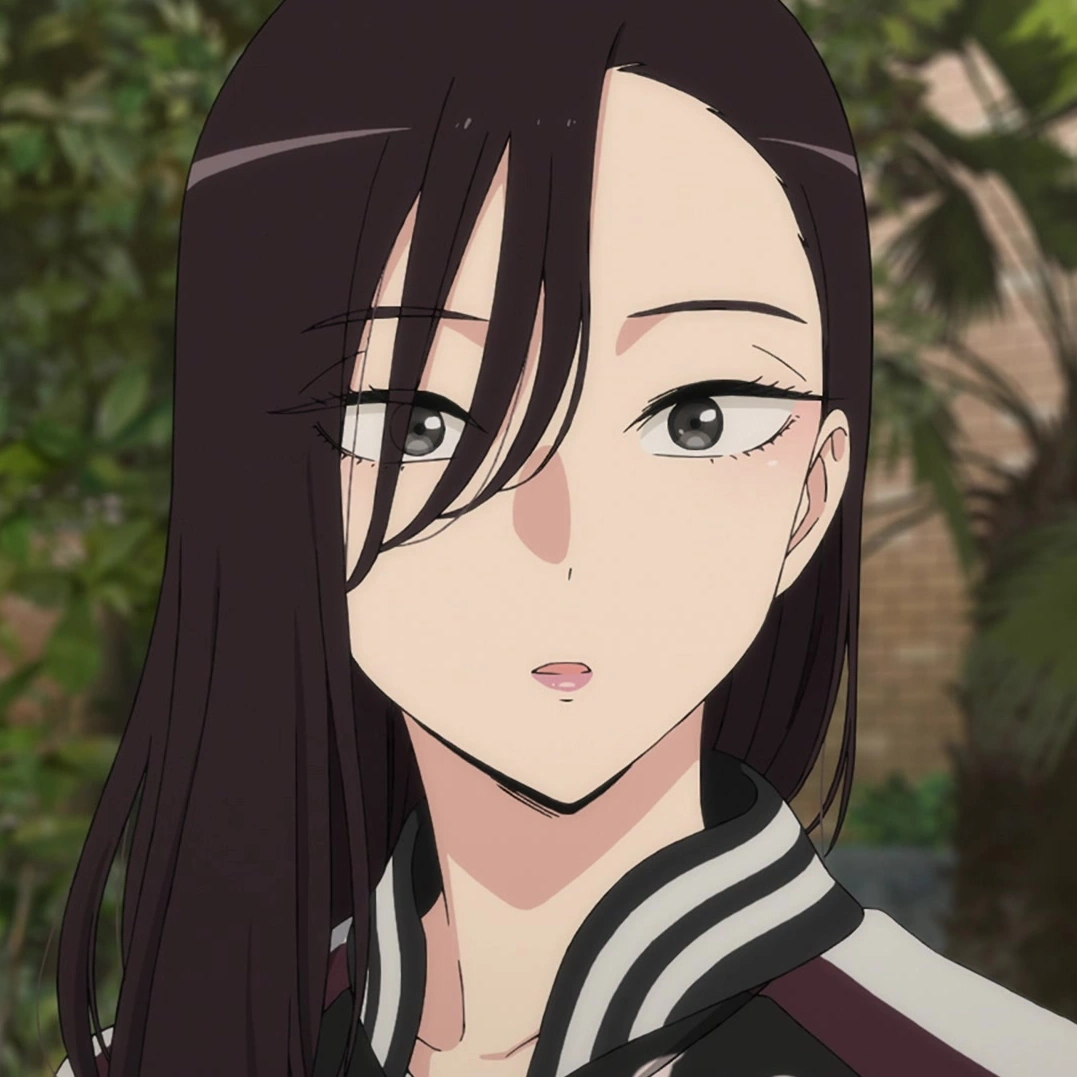
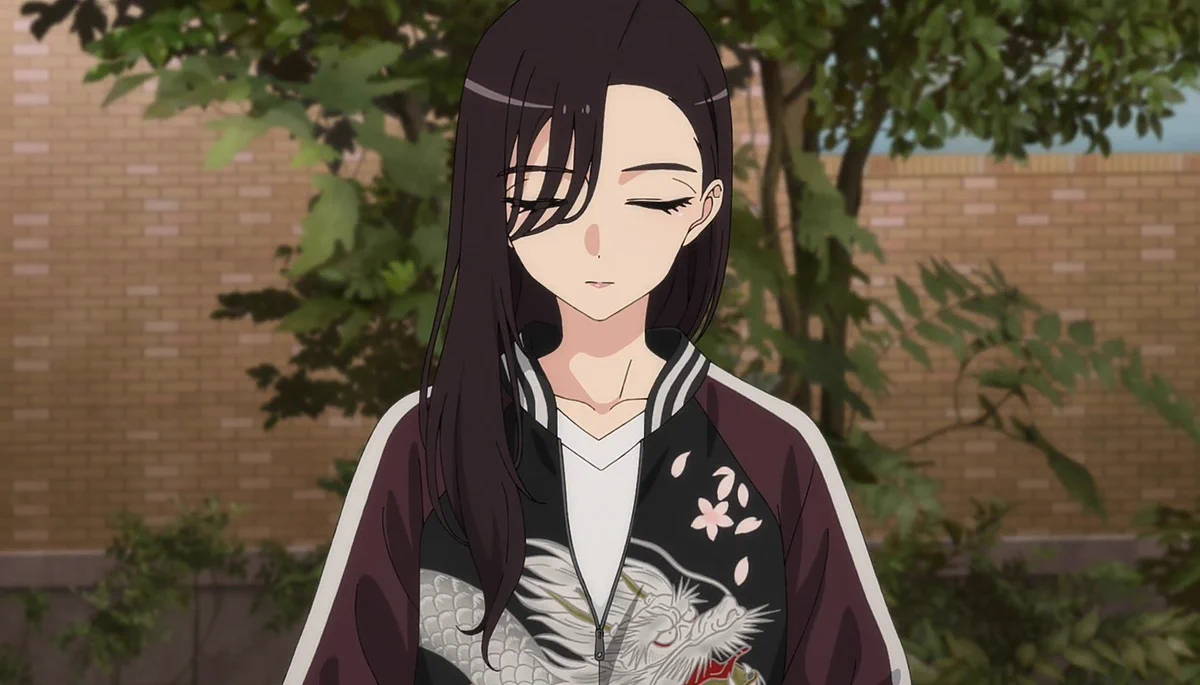
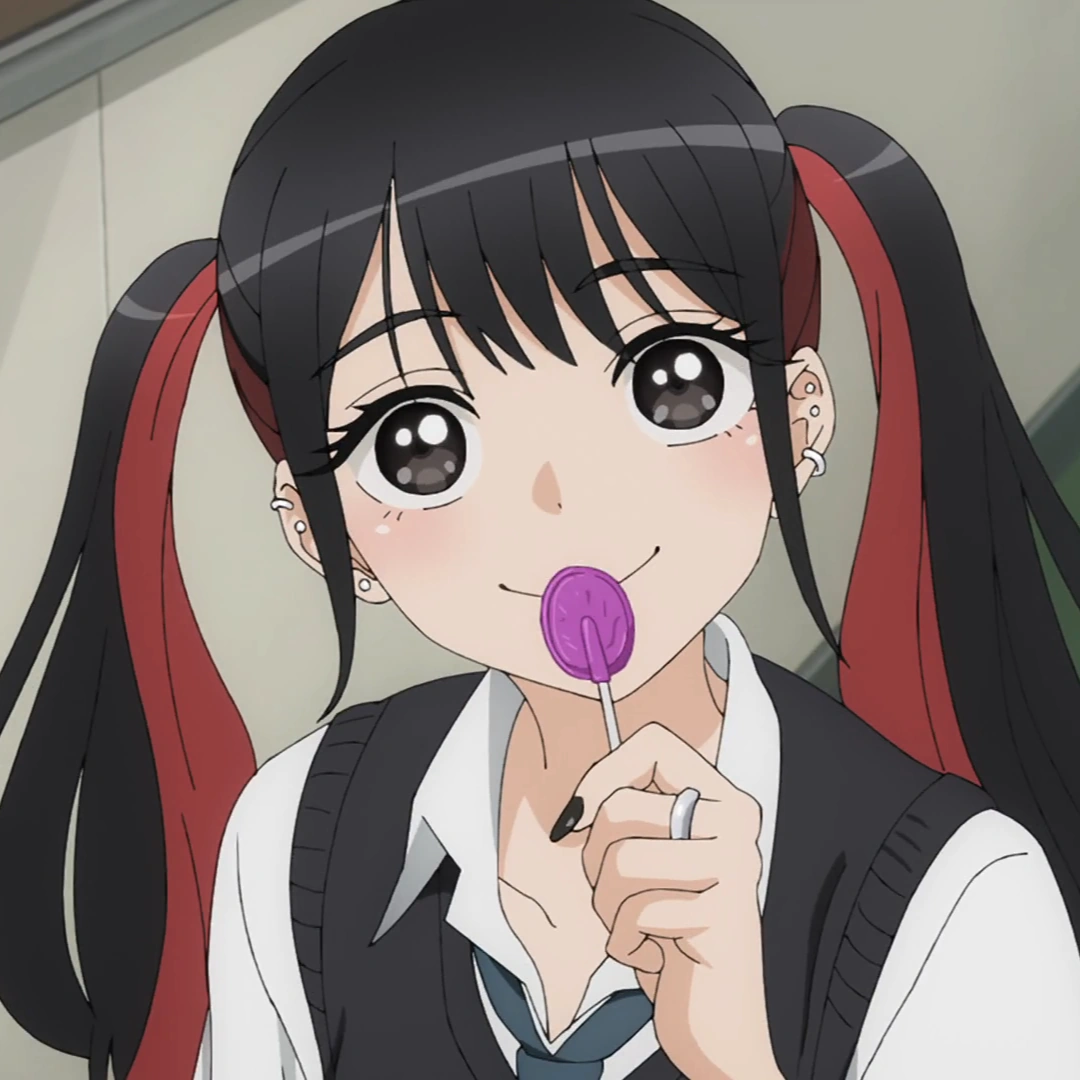
SAJUNA INUI / Juju
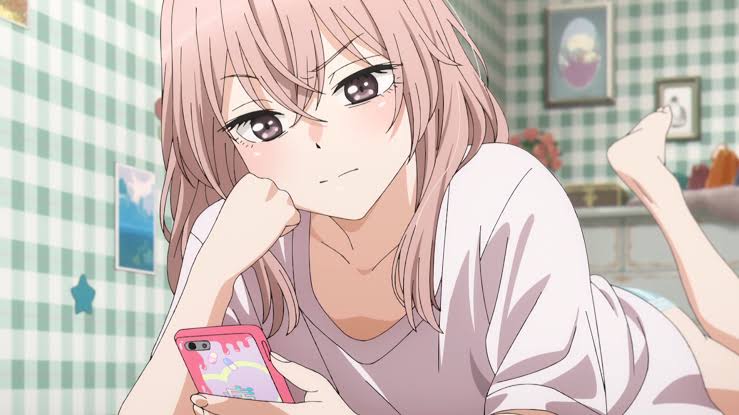
Sajuna is a perfectionist cosplayer who takes the work seriously to the point of wanting to become the character, not just represent them. She’ll spend significantly on location and materials to close the gap between vision and execution. Initially cool and professional, gradually warmer as the series develops.
Her perfectionism comes from genuine love rather than ego — which makes it something different than it first appears.
Strengths:
👍 Perfectionist precision
👍 Becomes the character
👍 Teaches what she knows
Weaknesses:
👎 Initially very cold
👎 High standards always
👎 Hides vulnerability
Archetype: Kuudere — professional and composed on first contact, with warmth underneath that surfaces once the work is taken as seriously as she takes it.
MBTI: INTJ — The INTJ who decided that if you’re going to do something, you become it entirely, and applies that standard to everything.
If you got Sajuna: You have standards that most people around you don’t fully match, and you’ve made a certain peace with that. The Sajuna result says your commitment to what you love is total — you want to inhabit it rather than represent it, which is a more demanding relationship with passion than most people maintain.
The perfectionism and the love aren’t separable. Where this gets complicated is the initial coldness, which is the surface expression of someone who takes the work seriously enough to be selective about who gets to be part of it. The warmth that follows, once trust is established, is worth the patience.
“Sajuna’s blunt truth highlights her vulnerability.”
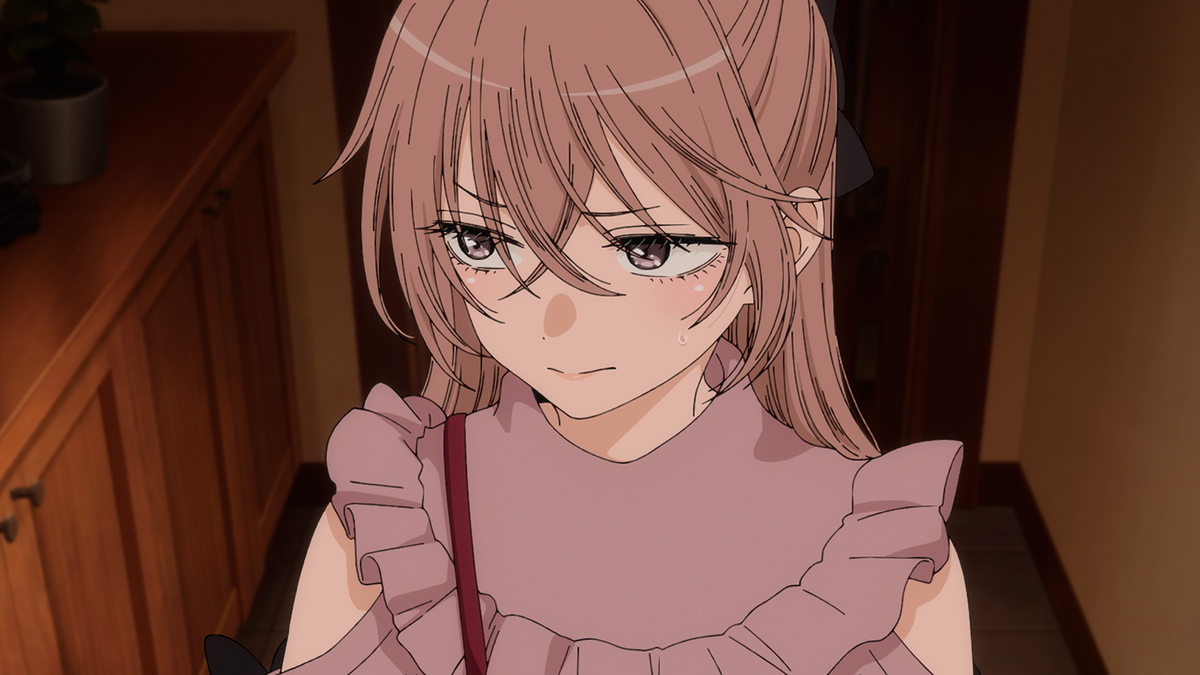
SHINJU INUI
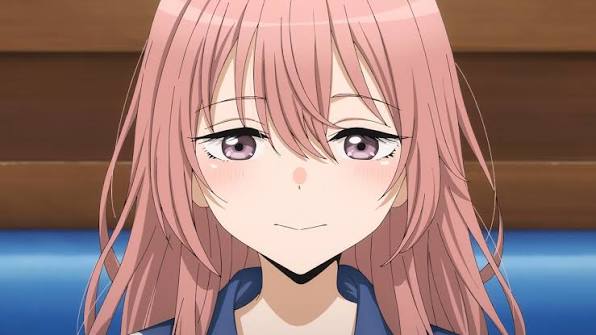
Shinju is Sajuna’s younger sister and primary photographer — taller despite being younger, warm where Sajuna is initially cool, genuinely invested in making Sajuna’s vision as perfect as possible. She finds joy in supporting someone else’s passion, which the series treats not as secondary but as its own form of genuine engagement.
She has her own cosplay interests too, pursued quietly alongside the support work.
Strengths:
👍 Warm without agenda
👍 Perfect eye for shots
👍 Enables every vision
Weaknesses:
👎 Overlooked easily
👎 Support mode default
👎 Own dreams stay quiet
Archetype: Dandere — gentle and easy to overlook, with genuine enthusiasm and perspective that becomes visible once someone thinks to ask what she actually sees.
MBTI: ISFJ — The ISFJ who finds genuine meaning in making other people’s visions as real as possible, and is slowly discovering her own vision is also worth making real.
If you got Shinju: You find genuine meaning in enabling other people’s visions — not as consolation for not having your own, but as a real form of creative engagement that most people undervalue. The Shinju result says your eye and warmth and care make other people’s passions more real than they could alone, and that contribution is specific and significant even when it’s not what gets seen first.
What’s worth sitting with is the own-dreams question — because Shinju has them, and the series treats them as worth pursuing. The support work is real and valuable. So is whatever you’d make if you turned the camera toward yourself.
“Maybe someday I’ll cosplay too. Something that suits me.”
HikiChat:
Someone Looked at What You Love and Loved It Back. The Quiz Just Found Out Who You Are in That Story.
My Dress-Up Darling is about what happens when people stop hiding what they love and find the world — or one very specific person in it — receives it well. The cosplay is the vehicle. The permission is the point.
The character you got is the version of that story that matches how you love things, show them, and make space for other people to do the same.
BACKWARD