















Hajime Nagumo was average, bullied, and summoned to another world alongside his entire class. He was the weakest of all of them. Then he fell into the deepest dungeon in the world and had to survive it alone.
Arifureta is about what that does to a person — and about the specific, unlikely people who end up beside someone who came through that experience. The party that forms around Hajime isn’t assembled by prophecy or destiny.
It’s assembled by circumstance, stubbornness, and the specific decision each person makes to stay. Find out which one of them you are.
The labyrinth is behind you. Let this lo-fi vibe carry you through while you find out which Arifureta character you’ve been all along.

It's assembled by the specific stubbornness of people who decided to stay.
- Pick the perfect atmosphere for your quiz journey – just pick one of the buttons above and set the mood.
- Relax – our quizzes aren’t MIT entrance exams 😉 They’re here to entertain you and deepen your connection with anime characters (and yourself).
- If none of the answers fit 100%, just choose the closest one – it’s enough for an accurate result.
- Enjoy the process — there are no right or wrong answers here.
- Try taking the same quiz more than once — sometimes the second result is the most surprising.
- Don’t forget to share your result with friends and invite them to find their anime self too!
From Commonplace to World’s Strongest — Why Arifureta Works Better Than Its Premise Suggests
Arifureta: From Commonplace to World’s Strongest begins as a dark isekai — a subgenre that had been oversaturated by the time the anime premiered in 2019 — and distinguishes itself through the specificity of what it does with the genre’s conventions.
Global Ratings:
The protagonist’s transformation from weak to overwhelming is the surface story. The actual story is about what kind of person that transformation produces, and who chooses to be around that person despite knowing exactly what they are now.
The series is also honest about what the dungeon does to people. Not everyone who descends comes back the same.
Users Ratings:
The characters who end up beside the protagonist aren’t there because they’re unaffected by their histories — they’re there because their histories produced exactly the people who could choose to stay beside someone like him.
Your Role in This Party Was Already Decided
HAJIME NAGUMO

Hajime was bullied before the summoning and average after it — and then the labyrinth happened, and what came out the other side was someone different. Not unrecognizable, but fundamentally restructured around survival and the specific people who matter rather than around the world’s expectations of how a hero is supposed to operate.
He’s ruthlessly pragmatic and genuinely protective of the people he’s claimed. Both things are real and neither cancels the other.
Strengths:
👍 Protects his people
👍 Builds what he needs
👍 Survives everything
Weaknesses:
👎 Cold to outsiders
👎 Trusts almost nobody
👎 World beyond them: irrelevant
Archetype: Kuudere — cold and ruthless to the world, genuinely warm to the specific people who’ve earned it, with a clear and non-negotiable line between the two.
MBTI: ISTP — The ISTP who shed every expectation that was slowing him down and kept only what actually worked, including the people who proved they were worth keeping.
If you got Hajime: You stripped something down to what actually works when the world stopped cooperating — expectations, obligations, the performance of caring about things you don’t — and what you kept is more honest and more specific than what most people hold onto.
The Hajime result says your protectiveness is real and your coldness is real and there is a very clear line between who gets one and who gets the other. The people on the warm side of that line know exactly where they stand. Everyone else learns quickly.
“Yue. You’re the reason I kept going.”
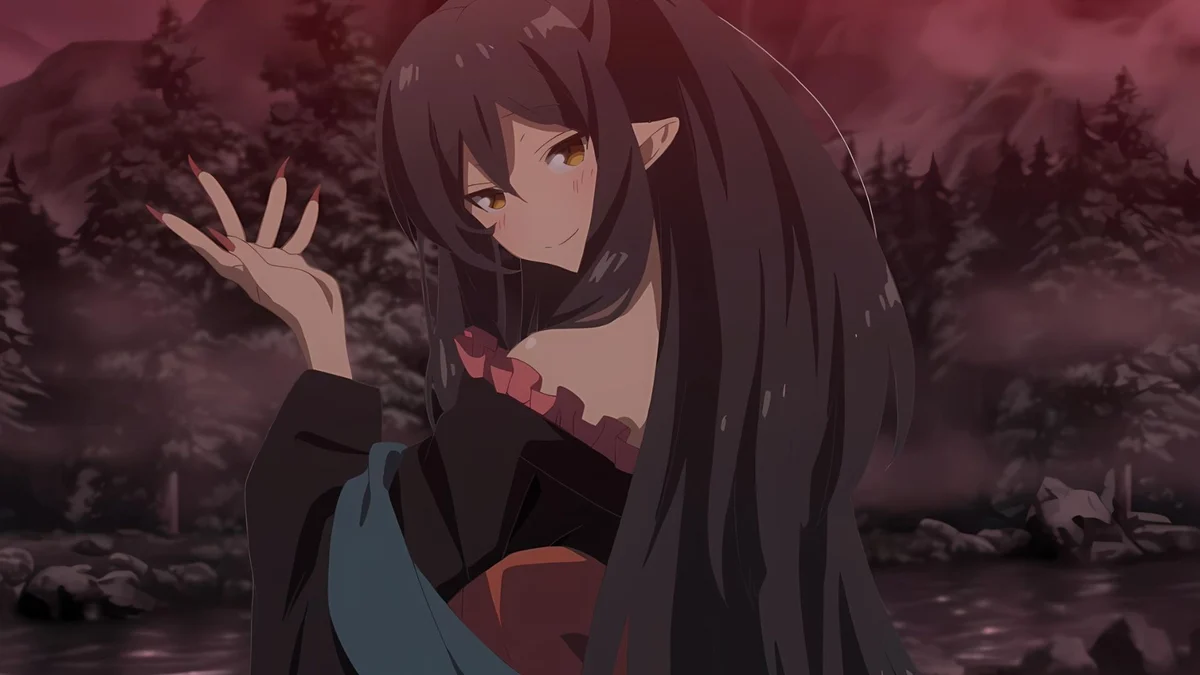
YUE

Yue was betrayed by family she trusted, imprisoned for centuries, and chose to trust again in a dungeon with someone she had no reason to believe in. The trust wasn’t naive — it was examined, deliberate, and total.
Her loyalty to Hajime is absolute in a way that makes everything else secondary, which the series presents honestly rather than softening it. The abandonment issues are real. The love is realer. Both are the direct result of what she survived.
Strengths:
👍 Loyalty without limit
👍 Ancient genuine power
👍 Chose trust deliberately
Weaknesses:
👎 Abandonment runs deep
👎 Everything else: secondary
👎 Ruthless when threatened
Archetype: Kuudere — quiet and composed, with an absolute devotion underneath that surfaces completely when something threatens what she loves.
MBTI: INFJ — The INFJ who was imprisoned by betrayal, chose trust again with full knowledge of what trust had cost before, and committed to that choice completely.
If you got Yue: You’ve been betrayed by something you trusted completely, and you know exactly what that cost, and you chose to trust again anyway — not naively, but deliberately, with full knowledge of what you were risking.
The Yue result says the loyalty you offer is real and total and comes from someone who has already paid the price for getting it wrong and decided the price was worth paying again. The abandonment issues aren’t weakness. They’re evidence of something that mattered enough to hurt that much. The person who earned the trust knows what they have.
“I was afraid… of being abandoned again.”
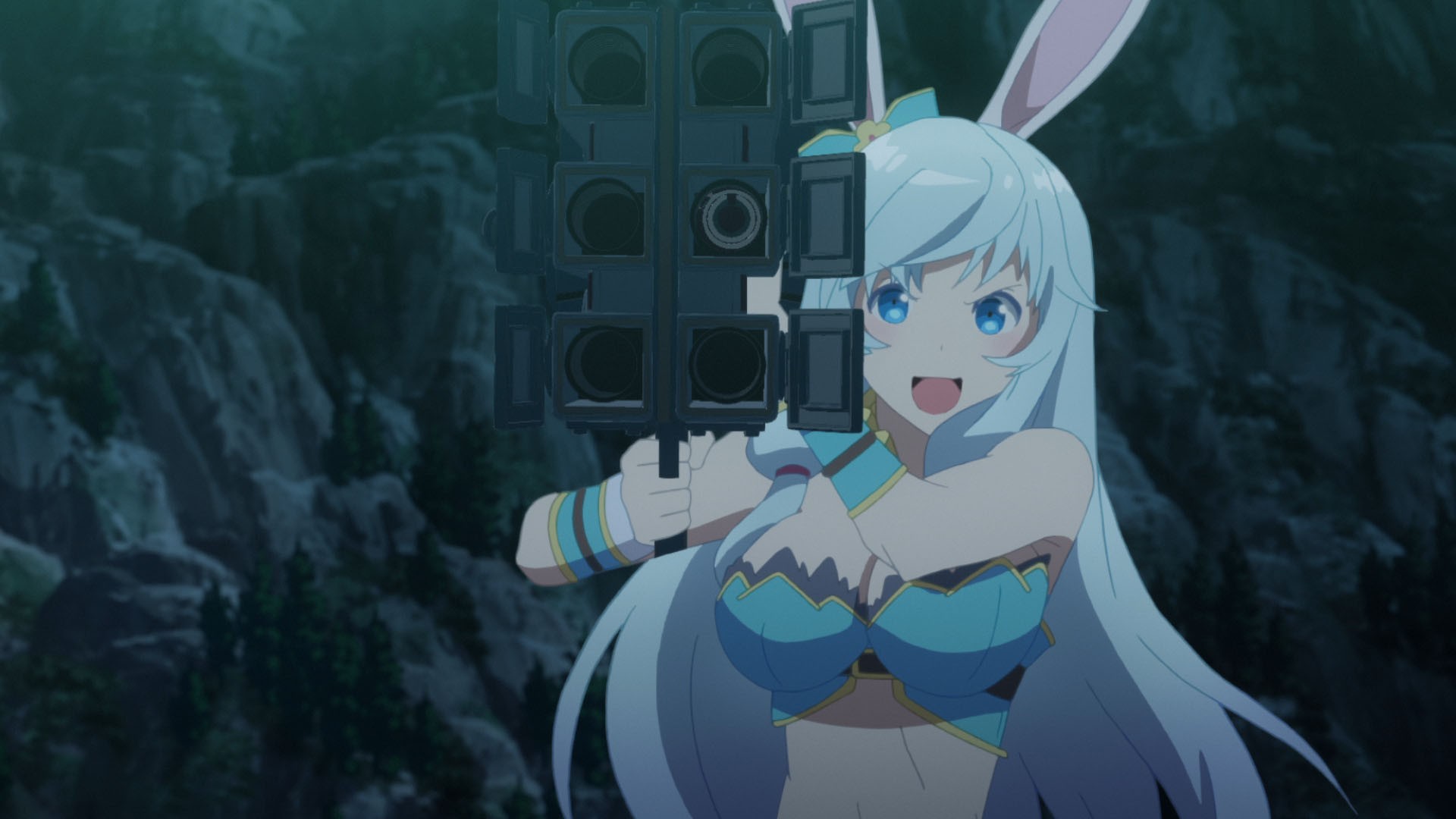
SHEA HAULIA

Shea was called worthless by practically everyone — her tribe, the world, Hajime initially — and refused every single no she was given until it stopped being no. Her optimism isn’t naive; it’s a specific stubbornness that the series eventually reveals is built on real capability and real feeling rather than on ignorance of the difficulty.
She saw something in Hajime before he saw it in himself and decided that seeing it was enough to start from.
Strengths:
👍 Genuinely warm
👍 Physically formidable
👍 Refuses every rejection
Weaknesses:
👎 Future sight has limits
👎 Called worthless constantly
👎 Persistence reads as annoying
Archetype: Genki — loud, persistent, overwhelmingly optimistic, with a determination underneath that the series reveals is considerably more grounded than it initially appears.
MBTI: ESFP — The ESFP who was told no by everyone and decided that no was a starting position rather than an answer.
If you got Shea: You’ve been told no — by people, by circumstances, by the specific combination of evidence that suggests things aren’t going to work out — and your response to no has consistently been to treat it as a position to work from rather than a conclusion to accept.
The Shea result says the optimism is real and so is the capability underneath it, and that the people who called you worthless were measuring you against a standard that was never going to account for what you actually had. The persistence isn’t delusion. It’s the specific refusal to let other people’s assessments be final.
“Even if you push me away, I’ll just come back.”
TIO KLARUS

Tio is a princess of the Dragonmen tribe, five hundred years old, capable of transforming into a massive black dragon, the most knowledgeable member of the party, and has the most undignified introduction of any character in the series.
The series keeps both of these things true simultaneously — the dignity and the eccentricity coexist without contradiction because both are genuinely her. She joined Hajime’s party in chaos and stays in it through choice, and the strategic intelligence and historical knowledge she brings turn out to be things the party couldn’t operate without.
Strengths:
👍 Strategic depth always
👍 Loyal and knowledgeable
👍 Ancient wisdom and power
Weaknesses:
👎 Dignity is conditional
👎 Masochistic tendencies
👎 First impression: complicated
Archetype: Yamato Nadeshiko — refined, graceful, and knowledgeable when not indulging in eccentricity, with both sides being equally, genuinely her.
MBTI: INTJ — The INTJ who has five centuries of accumulated knowledge, joined a party in the most undignified way possible, and turned out to be exactly what the group needed.
If you got Tio: You contain more than your first impression suggests — significantly more — and you’ve made a certain peace with the fact that most people won’t see the depth until circumstances require it to be visible.
The Tio result says you bring a level of knowledge, strategy, and genuine capability that the group around you couldn’t function as well without, and that your eccentricities and your competence coexist without contradiction because both are real. The people who stayed past the first impression found out what was actually there. That’s the version that counts.
“I am, beneath everything, still a princess of the Dragonmen.”
HikiChat:


The floor drops out. Deeper down, the real descent begins.
Your path through the labyrinth is set. But survival was only the prologue. Share your result, see how you stack up against other wanderers, and jump into the next quiz before the labyrinth shifts again.
BACKWARD